Quick Answer: Should You Buy an All Electric Sports Car?
If you want instant torque, sub-4-second 0-60 times, and lower running costs than a gas sports car — and you have reliable home Level 2 charging — an all electric sports car is a compelling choice. Expect to pay $55,000–$140,000+ depending on the model, achieve 240–350 miles of EPA range, and spend roughly $0.04–$0.07 per mile on electricity at home versus $0.15–$0.22 per mile on premium fuel in a comparable gas sports car. The trade-offs are real: higher insurance premiums (typically 15–30% above gas equivalents), cold-weather range loss of 20–30%, and public DC fast-charging reliability that still lags behind the convenience of a gas station. This guide breaks down the exact numbers you need to decide.
The All Electric Sports Car Landscape in 2026
The electric sports car segment has matured significantly. What was once dominated by a single automaker now includes serious competitors offering distinct trade-offs in range, performance, and price. Here are the primary models buyers are cross-shopping right now:
| Model | EPA Range | Battery (kWh) | 0-60 mph | Horsepower | Peak DC Charge | 10-80% Time | Base MSRP |
|---|---|---|---|---|---|---|---|
| Tesla Model 3 Performance | 315 mi | 79 kWh (NMC) | 2.9 sec | 510 hp | 250 kW | ~18 min | $54,990 |
| Porsche Taycan 4S | 277 mi | 105 kWh (NMC, Performance Battery Plus) | 3.5 sec | 590 hp | 320 kW | ~18 min | $105,200 |
| BMW i4 M50 | 271 mi | 81.5 kWh (NMC) | 3.7 sec | 536 hp | 205 kW | ~31 min | $67,300 |
| Hyundai Ioniq 5 N | 221 mi | 84 kWh (NMC) | 3.25 sec | 641 hp (N Grin Boost) | 240 kW | ~18 min | $66,100 |
| Lotus Eletre R (SUV-coupe) | 304 mi | 112 kWh (NMC) | 2.95 sec | 905 hp | 350 kW | ~20 min | $120,500 |
Every vehicle in this table uses NMC (nickel manganese cobalt) battery chemistry, which prioritizes energy density over the longer cycle life of LFP cells. That's a deliberate choice by manufacturers — sports car buyers prioritize range-per-pound and compact packaging over the 3,000+ cycle longevity that LFP offers. Expect typical degradation of 10–15% over 8 years / 100,000 miles with NMC packs, and all manufacturers warranty the battery to retain at least 70% capacity for 8 years / 100,000 miles (Porsche extends to 8 years / 100,000 miles at 70% as well).
Real-World Range: What the EPA Sticker Doesn't Tell You
The EPA range figure on the window sticker assumes a mix of city and highway driving at moderate temperatures. For sports car buyers who drive aggressively, take highway road trips, or live in cold climates, the real-world picture looks different.
Range Expectations by Scenario
- Moderate city/suburban driving (65°F): Expect 90–100% of EPA range
- Sustained highway driving at 75+ mph: Expect 75–85% of EPA range due to aerodynamic drag
- Cold weather (below 32°F) with cabin heat: Expect 65–80% of EPA range; vehicles with heat pumps (Tesla, Hyundai, BMW) fare better at the higher end
- Track/autocross use: Expect 40–60% of EPA range — high power draw drains the battery rapidly
For a concrete example: the Tesla Model 3 Performance's 315-mile EPA rating translates to roughly 240–265 miles on a 75 mph highway trip in summer, and roughly 210–230 miles on that same trip in 25°F weather. The Porsche Taycan 4S, with its 277-mile EPA rating, delivers around 210–230 miles highway in summer but benefits from an excellent thermal management system that limits cold-weather losses to roughly 20% rather than the 30% some competitors suffer.
If your typical drive is under 60 miles round-trip and you charge at home nightly, range is a non-issue for any of these cars. If you plan regular 300+ mile road trips, prioritize the Model 3 Performance or plan charging stops around the Tesla Supercharger network, which remains the most reliable public DC fast-charging network in the US.
Charging Speed and Infrastructure: The Sports Car Buyer's Reality
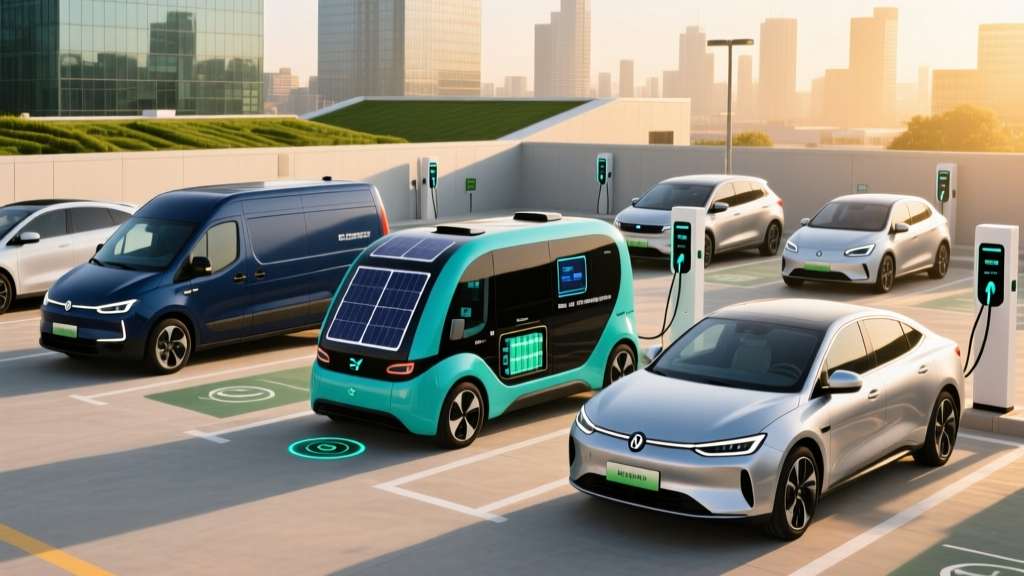
Sports car buyers accustomed to a 3-minute gas stop need to recalibrate expectations. Here's what charging actually looks like across the three levels you'll encounter:
| Level | Power (kW) | Miles Added per Hour | Typical Use Case |
|---|---|---|---|
| Level 1 (120V household) | 1.2–1.4 kW | 3–5 mi/hr | Emergency/trickle only — not practical for daily sports car use |
| Level 2 (240V home/public) | 7.2–11.5 kW | 25–44 mi/hr | Daily home charging — fully replenish overnight |
| DC Fast Charge | 150–350 kW | 500–1,200+ mi/hr (peak) | Road trips — 10-80% in 18–31 minutes depending on model |
Critical nuance on DC fast charging: Peak charge rate (kW) is not sustained for the entire session. A Porsche Taycan peaking at 320 kW will hold that rate only between roughly 10–40% State of Charge, then taper progressively. The 10-80% time accounts for this taper — it's the real-world metric that matters. Above 80% SoC, charging slows dramatically to protect the battery, which is why road-trip strategy involves charging to 80% and moving on rather than waiting for a full charge.
For home Level 2 charging, budget $1,200–$2,500 for a quality 48-amp wall connector plus professional installation by a licensed electrician. If your home's electrical panel is at capacity, a 200-amp panel upgrade can add $1,500–$4,000. Most sports car owners with a garage find Level 2 home charging entirely sufficient — you wake up every morning with a full "tank" and never visit a gas station.
EV Sports Car vs. Gas Sports Car: Cost Comparison
This is where the math gets interesting. Let's compare the Tesla Model 3 Performance against a gas-powered rival in a similar performance bracket — the BMW M3 Competition — over 5 years and 60,000 miles.
| Category | Tesla Model 3 Perf. ($54,990) | BMW M3 Comp. (~$76,000) |
|---|---|---|
| Purchase Price (MSRP) | $54,990 | $76,000 |
| Federal Tax Credit (§30D) | –$7,500 (if eligible)* | $0 |
| Effective Purchase | $47,490 | $76,000 |
| Energy/Fuel (60k mi) | $2,400 (home charging, $0.13/kWh avg) | $9,000 (premium gas at $4.50/gal, 18 mpg combined) |
| Maintenance (60k mi) | $1,200 (tire rotations, cabin filter, wiper fluid) | $4,500 (oil changes, brakes, spark plugs, fluids) |
| Insurance (5-year avg) | $14,000 ($2,800/yr avg) | $11,500 ($2,300/yr avg) |
| Tires (60k mi) | $2,800 (high-performance EV tires wear faster due to weight + torque) | $2,400 |
| 5-Year Total Cost | $67,890 | $103,400 |
*Tax credit caveat: The §30D federal tax credit of up to $7,500 is subject to IRS rules including buyer income caps ($150k single / $300k joint), vehicle MSRP caps ($55,000 for sedans), battery sourcing requirements, and point-of-sale transfer eligibility. The Model 3 Performance's MSRP hovers at the cap boundary — always verify current eligibility at fueleconomy.gov and consult a tax professional before relying on the credit. Credit rules are subject to change.
The electric sports car wins on total cost primarily through fuel savings and lower maintenance. Where it loses: insurance (EV sports cars carry higher premiums due to repair costs and specialized parts) and tire wear (instant torque plus 500+ lbs of extra battery weight accelerates tread wear by roughly 20–30% compared to gas equivalents).
Common Misconceptions About Electric Sports Cars
| Myth | Fact |
|---|---|
| "EVs aren't fun to drive — they're heavy and numb" | Modern EV sports cars use torque vectoring, low centers of gravity (battery pack under the floor), and adaptive dampers. The Ioniq 5 N simulates gear shifts and engine sound for engagement. Track-capable? Yes. But sustained track use will overheat the battery before a gas car overheats its engine — thermal management is the limiting factor. |
| "The battery will need replacing and cost $20,000+" | NMC battery packs in current sports EVs are warrantied for 8 years / 100,000 miles at 70% capacity retention. Real-world data from Tesla and Porsche shows roughly 10–12% degradation at 100k miles. Full replacement is rare before 150,000+ miles. When needed, costs range from $12,000–$25,000 depending on the model, but this is a distant concern for most buyers. |
| "You can't road-trip in an EV sports car" | You can, but you need to plan. A 600-mile trip in a Model 3 Performance requires roughly two 20-minute DC fast-charge stops. The Tesla Supercharger network has 50,000+ global connectors. Non-Tesla EVs now access Superchargers via NACS adapters, but the experience (plug-and-charge billing, reliability) is still catching up for CCS/NACS vehicles on networks like Electrify America. |
| "Electric sports cars are all over $100,000" | The Tesla Model 3 Performance starts at $54,990 and delivers a 2.9-second 0-60 time that matches or beats gas cars costing twice as much. The BMW i4 M50 at $67,300 is another sub-$70k option. True luxury EV sports cars (Taycan, Lotus) do push past $100k, but performance-per-dollar favors the affordable end. |
Real-World Ownership: What First-Time EV Sports Car Buyers Need to Know
Beyond the spec sheet, here are the ownership realities that separate informed buyers from regretful ones:
Home Charging Is Non-Negotiable
If you cannot install a Level 2 (240V) charger at home — whether you own your home, have a garage or dedicated parking spot, and your electrical panel has capacity — an electric sports car will frustrate you. Relying solely on public DC fast charging is more expensive ($0.30–$0.48/kWh vs. $0.10–$0.16/kWh at home), less reliable, and adds 20–40 minutes to your routine multiple times a week. Confirm your home charging situation before signing a purchase agreement.
Tire Budgets Are Higher Than You Expect
Electric sports cars are heavy (4,000–5,300 lbs) and deliver instant torque from 0 RPM. Combined, this eats through high-performance tires faster than a gas sports car. Expect to replace tires every 20,000–30,000 miles rather than the 35,000–45,000 miles typical for gas counterparts. Budget $2,000–$3,500 per set for the performance tires these vehicles require (Michelin Pilot Sport EV, Pirelli P Zero Elect, etc.).
Insurance Costs Are Real
Get insurance quotes before you buy. EV sports cars from Tesla, Porsche, and BMW typically cost 15–30% more to insure than gas equivalents due to higher repair costs, specialized aluminum body panels, and battery-pack vulnerability in collisions. Some insurers offer EV-specific discounts — shop around.
Depreciation Is a Moving Target
EV depreciation has been volatile. Tesla price cuts in 2023–2024 hammered resale values across the segment. As of 2026, EV sports car depreciation is stabilizing but still generally steeper than comparable gas sports cars over the first 3 years. If you plan to keep the car 5+ years, depreciation matters less. If you trade every 3 years, factor in potentially 45–55% value loss versus 35–45% for a gas M3 or C63.
Decision Framework: Which All Electric Sports Car Is Right for You?
Choose Based on Your Priority
- Choose the Tesla Model 3 Performance if: You want the best value-per-horsepower ratio, access to the Supercharger network for road trips, over-the-air updates that add features over time, and the lowest effective purchase price after the federal tax credit. Best for: daily drivers who want supercar acceleration on a sub-$55k budget.
- Choose the Porsche Taycan 4S if: Build quality, driving dynamics, and brand prestige matter more than maximum range. The Taycan's 800V architecture delivers the fastest sustained charging in the segment, its steering feel is the best in any EV, and its thermal management excels on track. Best for: enthusiasts upgrading from a 911 or Panamera who want electric without compromise on fit and finish.
- Choose the BMW i4 M50 if: You want a luxury sport sedan that happens to be electric, with BMW's traditional driving refinement, a premium interior, and competitive (if not class-leading) performance. Best for: BMW loyalists transitioning to electric who prioritize comfort alongside performance.
- Choose the Hyundai Ioniq 5 N if: You want the most engaging, track-focused EV driving experience with simulated gear shifts, adjustable regen and torque distribution, and a sub-$70k price. Best for: driving enthusiasts who value fun-per-dollar over luxury badge prestige and accept the 221-mile range limitation for daily driving under 100 miles.
Frequently Asked Questions
Can I daily-drive an all electric sports car year-round in cold climates?
Yes, with caveats. All modern EV sports cars use active battery thermal management (liquid heating and cooling). In sub-freezing temperatures, precondition the battery while plugged in — this warms the pack using grid power rather than battery power, preserving range. Expect 20–30% range loss in sustained cold weather. If your daily commute is under 80 miles round-trip, even a reduced-range day won't strand you. For longer winter road trips, plan one additional charging stop compared to summer.
Do electric sports cars qualify for the federal EV tax credit?
It depends on the specific model, your income, and current battery-sourcing rules under IRS §30D. Sedans must have an MSRP at or below $55,000; SUVs and trucks are capped at $80,000. Buyer income cannot exceed $150,000 (single) or $300,000 (joint). Battery components and critical minerals must meet escalating domestic-sourcing thresholds. As of 2026, the Tesla Model 3 Performance may qualify depending on battery sourcing — always check the latest at fueleconomy.gov before purchasing. The credit can now be transferred to the dealer at point of sale, reducing your purchase price directly rather than waiting for a tax refund.
How does track driving affect an electric sports car's battery?
Hard track use generates significant battery heat. Most EV sports cars will enter a reduced-power "limp" mode to protect the battery if temperatures exceed safe thresholds — typically after 2–4 hot laps on a full-size circuit. The Porsche Taycan and Hyundai Ioniq 5 N have the most robust track cooling, but no current EV sports car matches a gas car's ability to run unlimited laps with only brake-pad and fuel stops. If track days are a priority, the Ioniq 5 N's N-specific thermal management is purpose-built for this use case.
What happens if the battery degrades significantly after the warranty expires?
Out-of-warranty battery replacement for these models ranges from roughly $12,000 (Tesla Model 3) to $25,000+ (Porsche Taycan). However, current degradation data suggests most NMC packs retain 80–88% capacity at 100,000 miles and remain functional well past 150,000 miles. Battery technology costs continue to decline, and third-party refurbishment services are emerging. The likelihood of needing a full replacement within typical ownership periods (5–8 years) is low based on current fleet data.
Is an all electric sports car practical as a one-car household?
It depends on your longest regular drive. If you never need to cover more than 250 miles in a single day without a 30-minute stop, yes — any of these cars handle that with home charging covering daily needs. If you regularly drive 400+ miles in rural areas with sparse charging infrastructure, a gas or hybrid sports car remains more practical. Check the NHTSA safety ratings for your chosen model, as insurance costs and safety ratings both factor into single-car viability.