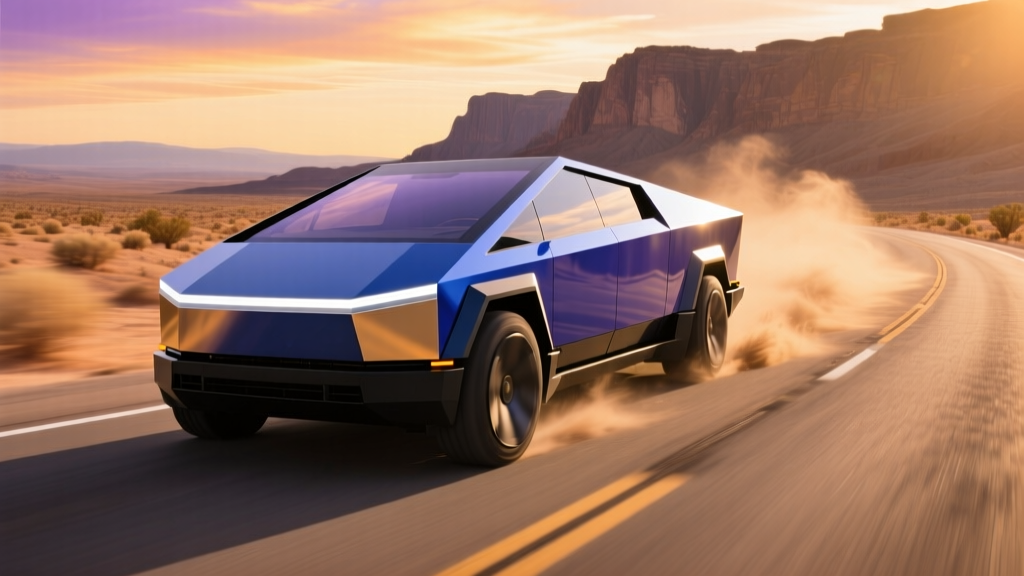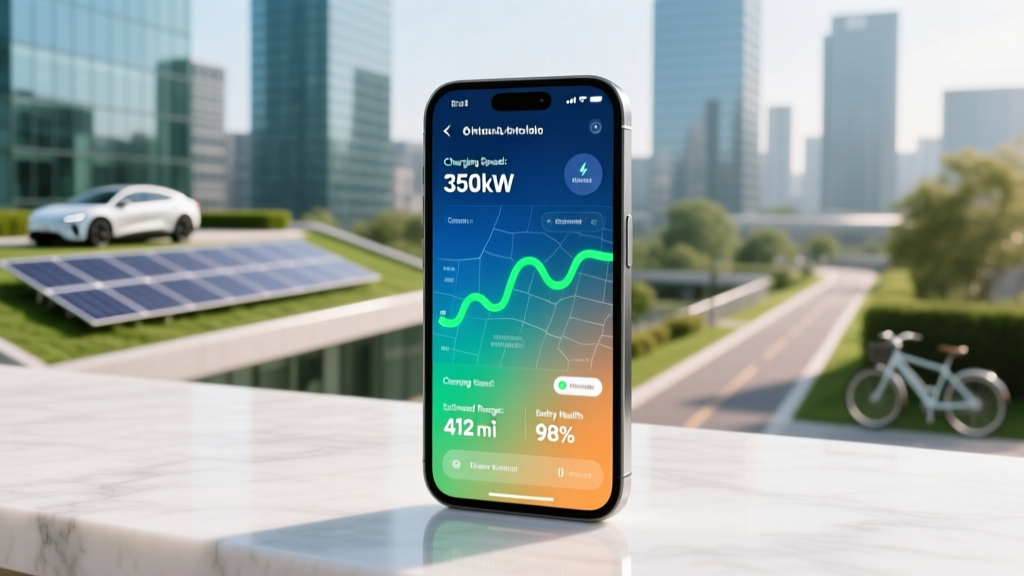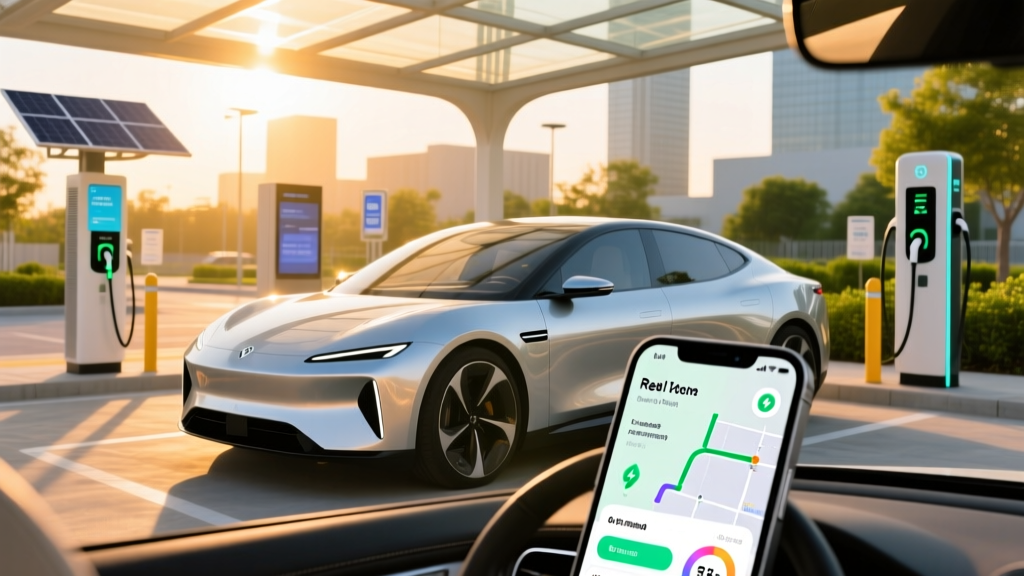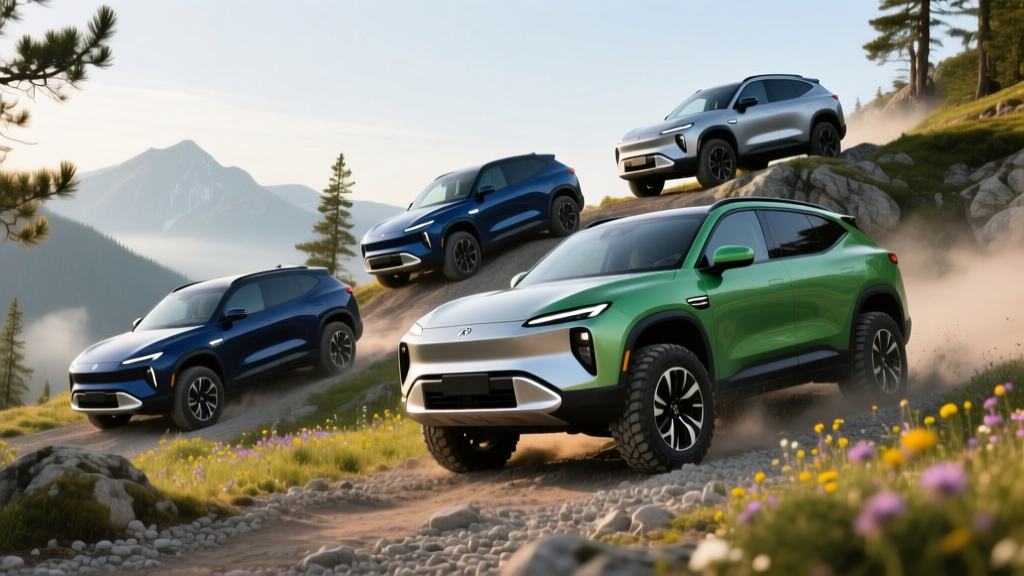
If you need a vehicle that can handle snow, mud, and trails without burning gas, a 4x4 electric car is no longer a compromise — it's often the better tool for the job. Electric motors deliver instant torque to all four wheels, eliminating the lag of a traditional transfer case. The trade-off? Higher upfront prices, reduced highway range when towing, and cold-weather efficiency losses that every buyer must budget for. Below, we break down exactly which 4x4 EVs are worth your money in 2026, what they cost to own, and whether one fits your actual driving life.
The Quick Answer: Is a 4x4 Electric Car Right for You?
Yes, if: you have home Level 2 charging, drive mostly under 250 miles between charges, and value instant all-wheel torque for snow, sand, or trails.
Think twice if: you regularly tow over 5,000 lbs on highway trips, live in an apartment without charging access, or frequently drive in sub-20°F weather where range drops 20–30%.
What "4x4" Actually Means in an Electric Car
Traditional 4x4 systems use a mechanical transfer case and locking differentials to split power between front and rear axles. In an EV, "4x4" typically means dual-motor all-wheel drive (AWD) — one motor on each axle, controlled by software that can redistribute torque in milliseconds. This is faster than any mechanical system, but it behaves differently off-road.
Some vehicles, like the Rivian R1S and the Jeep Recon, offer true off-road modes with simulated locking differentials and terrain-specific torque mapping. Others, like the Tesla Model Y AWD, prioritize on-road stability and light-duty snow traction over rock crawling. Knowing the difference matters before you spend $50,000+.
Top 4x4 Electric Cars Compared: 2026 Specs
The table below covers the most popular 4x4/AWD EVs currently on sale. All range figures are EPA-estimated; real-world notes reflect highway and cold-weather testing.
| Model | EPA Range | Battery (kWh) | Peak DC Charge (kW) | 10–80% Time | 0–60 mph | HP | Starting MSRP |
|---|---|---|---|---|---|---|---|
| Rivian R1S Dual-Motor AWD | 352 mi | 106 kWh (NMC) | 200 kW | ~30 min | 4.5 sec | 533 | $79,900 |
| Tesla Model Y Long Range AWD | 320 mi | 78 kWh (NMC) | 250 kW | ~22 min | 4.8 sec | 384 | $44,990 |
| Ford Bronco Sport (EV Concept — Announced) | TBD | TBD | TBD | TBD | TBD | TBD | TBD |
| Jeep Recon (Announced for US) | ~300 mi (est.) | ~100 kWh (NMC) | ~175 kW | ~35 min | ~5.0 sec | ~400 | ~$50,000 (est.) |
| Hyundai Ioniq 5 AWD | 290 mi | 84 kWh (NMC) | 240 kW | ~18 min | 5.0 sec | 320 | $50,850 |
| Subaru Solterra (2026 refresh) | 285 mi | 72.8 kWh (NMC) | 150 kW | ~35 min | 6.5 sec | 215 | $44,995 |
4x4 EV vs. Gas 4x4: The Real Cost Breakdown
The sticker price of a 4x4 electric car is higher than a comparable gas SUV, but fuel and maintenance savings close the gap over time. Here's a five-year comparison using the Tesla Model Y AWD vs. a Toyota RAV4 TRD Off-Gas as a representative matchup:
| Cost Factor (5 Years / 75,000 mi) | Tesla Model Y AWD | Toyota RAV4 TRD Gas AWD |
|---|---|---|
| Purchase Price (after incentives) | $37,490* | $38,500 |
| Fuel / Electricity | $3,600 (home charging) | $9,375 (27 MPG avg, $3.75/gal) |
| Maintenance | $1,200 | $3,500 |
| Insurance (avg) | $11,250 | $8,250 |
| Depreciation (est.) | $18,500 | $16,000 |
| Total 5-Year Cost | $72,040 | $75,625 |
*Assumes $7,500 point-of-sale federal tax credit under IRS §30D rules. Eligibility depends on MSRP caps ($80,000 for SUVs), buyer income limits ($300K MFJ / $150K single), and battery critical-mineral sourcing requirements that change annually. Verify with a tax professional.
The EV wins on fuel and maintenance — no oil changes, fewer brake replacements thanks to regenerative braking, and no transmission fluid. But insurance premiums run 15–30% higher for EVs, and depreciation has been steeper for some models. Your mileage, literally, will vary.
Off-Road Capability: What EVs Can and Can't Do
Electric motors give 4x4 EVs an inherent advantage in low-speed technical terrain: precise, instant torque to each wheel without the drivetrain shock of a gas engine. Rivian's quad-motor system can independently vector torque to each wheel, making it genuinely capable on rocks and sand. The Jeep Recon promises Selec-Terrain modes and Trail Rated certification.
But EVs face real off-road limitations:
- Weight: Most 4x4 EVs weigh 5,000–7,000 lbs, increasing the risk of getting stuck in deep sand or mud compared to a 3,800-lb Wrangler.
- Ground clearance: Crossover EVs like the Ioniq 5 AWD and Solterra have 6.3–8.3 inches of ground clearance — fine for fire roads, not for serious rock crawling.
- Range anxiety off-grid: Technical off-roading consumes energy rapidly. A trail that takes 2 hours at 10 mph can drain 40–60 miles of range. There are no DC fast chargers at trailheads.
- Underbody vulnerability: Battery packs sit low. While manufacturers armor them, a sharp rock impact can mean a $15,000+ battery replacement.
Charging a 4x4 EV: Home, Highway, and Trailhead
4x4 EVs tend to have larger batteries (75–110 kWh), which means longer charging sessions if you're not set up properly.
| Charging Level | Power (kW) | Miles Added per Hour | Best For |
|---|---|---|---|
| Level 1 (120V household) | 1.4 kW | 3–5 mi/hr | Overnight top-off only |
| Level 2 (240V home) | 7.2–11.5 kW | 25–45 mi/hr | Daily charging, full overnight fill |
| DC Fast Charging | 150–250 kW | 500–900 mi/hr (peak) | Road trips, quick stops |
Home Level 2 is essential for most 4x4 EV owners. A 100 kWh battery takes 40+ hours on Level 1 — impractical for daily use. A home Level 2 installation (40A–48A circuit) costs $1,200–$3,500 including equipment, electrician labor, and permits, depending on whether your panel needs a 200A upgrade.
Preconditioning matters: Before DC fast charging, your EV must warm or cool the battery to optimal temperature. Tesla, Rivian, and Hyundai all precondition automatically when you navigate to a charger. Skipping this step can reduce peak charge rates by 30–50%, especially in cold weather.
Charging curve reality: A Rivian R1S peaking at 200 kW doesn't sustain that rate. It charges fastest between 10–50% SoC, then tapers significantly. Plan road-trip stops to charge to 80% and move on — the last 20% can take as long as the first 70%.
Federal Tax Credits and Incentives for 4x4 EVs
Under the current IRS §30D rules, a new 4x4 electric car may qualify for up to $7,500 in federal tax credits, now available as a point-of-sale rebate through registered dealers. But eligibility is not guaranteed:
- MSRP Cap: Vehicle must be under $80,000 for SUVs/pickups (most 4x4 EVs qualify)
- Income Cap: Buyer AGI must not exceed $300,000 (married filing jointly) or $150,000 (single)
- Battery Sourcing: Critical minerals and battery components must meet escalating domestic/free-trade sourcing percentages — this changes yearly and disqualifies some trims
- Final Assembly: Vehicle must be assembled in North America
- One-Time Use: The credit can only be claimed once per buyer per three-year period for new vehicles
Always verify eligibility at fueleconomy.gov before purchasing. State incentives (California, Colorado, New York, and others) may stack on top — check your state's energy office.
Common 4x4 EV Myths — Addressed with Facts
| Myth | Fact |
|---|---|
| "Electric motors can't handle real off-road use" | Electric motors deliver instant, precise torque — superior to gas engines at low-speed crawling. Rivian R1S has completed the Rubicon Trail. |
| "AWD EVs are just as good as 4x4" | Most dual-motor AWD systems lack low-range gearing and locking differentials. They handle snow and dirt roads well, but aren't equivalent to a traditional 4x4 for technical terrain. |
| "You'll save $10,000 in fuel over 5 years" | Real savings depend on electricity rates and mileage. At $0.14/kWh and 15,000 mi/year, expect $5,000–$6,000 in fuel savings vs. a 22-MPG gas SUV. Higher if you have solar. |
| "EV batteries need replacing every 5 years" | Modern NMC and LFP batteries are warrantied for 8 years / 100,000 miles at 70%+ capacity retention (NHTSA data shows most retain 90%+ at 100K miles). Full replacement costs $10,000–$22,000 but is rare. |
| "Cold weather makes EVs useless" | Range drops 20–35% in sub-20°F weather. A heat pump (standard on most 2026 4x4 EVs) recovers some efficiency. Preconditioning while plugged in minimizes the hit. |
Decision Framework: Which 4x4 Electric Car Fits You?
Choose the Tesla Model Y AWD if:
- You want the best charging network access (Superchargers, now NACS standard)
- Your budget is under $50,000 and you qualify for the $7,500 credit
- You need cargo space but not serious off-road capability
- Most of your "4x4" use is snow, rain, and gravel roads
Choose the Rivian R1S if:
- You need genuine off-road capability with family seating for 7
- You tow a boat or camper (7,700-lb rating)
- Budget allows $80,000+ and you value build quality
- You want a quad-motor option for extreme torque vectoring
Choose the Hyundai Ioniq 5 AWD if:
- Fast charging is your priority (18-min 10–80% on a 350 kW charger)
- You want distinctive styling and a spacious interior under $55,000
- Your off-road needs are limited to dirt roads and snowy commutes
Choose the Subaru Solterra if:
- You're a loyal Subaru owner who wants Symmetrical AWD DNA in electric form
- You want the most affordable entry point with X-MODE terrain settings
- You accept the trade-off of slower DC charging (150 kW peak)
Wait for the Jeep Recon if:
- You want Trail Rated off-road capability in an EV (expected late 2026/2027)
- Removable doors and open-air driving matter to you
- You're comfortable with preliminary specs that may change before launch
Frequently Asked Questions
Can a 4x4 electric car tow a trailer?
Yes, but range drops significantly. The Rivian R1S is rated to tow 7,700 lbs, and the Tesla Model Y can tow 3,500 lbs. Expect to lose 30–50% of rated range while towing at highway speeds, and plan DC fast-charging stops every 100–150 miles. Not all public chargers accommodate truck-and-trailer configurations — look for pull-through sites.
Do 4x4 EVs have a low-range transfer case?
No. Electric vehicles don't use multi-speed transmissions or transfer cases. Instead, they simulate low-range behavior through software-controlled torque delivery and gear reduction ratios. This works well for crawling but doesn't provide the same mechanical multiplication as a traditional 4LO gear.
What happens if my 4x4 EV battery degrades?
All major manufacturers warranty their battery packs for at least 8 years / 100,000 miles with a minimum 70% capacity retention guarantee. Real-world data from IIHS-referenced fleet studies shows most NMC packs retain 88–93% capacity at 100,000 miles. If a replacement is needed outside warranty, expect $12,000–$22,000 depending on the pack size.
Are 4x4 electric cars good in deep snow?
Yes — dual-motor AWD EVs excel in snow thanks to instant torque distribution and low center of gravity from the floor-mounted battery. Pair with dedicated winter tires (essential regardless of drivetrain) and you'll outperform most gas AWD systems in traction. The main concern is range loss: budget for 25–35% less range in sustained sub-20°F driving.
Can I charge a 4x4 EV at home if I have a standard outlet?
Technically yes, but Level 1 (120V) charging adds only 3–5 miles of range per hour — a full charge for a 100 kWh battery would take 3–4 days. For practical ownership, a 240V Level 2 home charger is strongly recommended. Budget $1,200–$3,500 for installation, potentially more if your home needs an electrical panel upgrade to 200A service.