The Rise of the Portable Level 2 EV Charger
As electric vehicle adoption accelerates, the reality of road tripping and visiting family in rural areas has set in for many EV owners. Relying solely on public DC fast-charging networks can be a gamble, with broken stalls, long queues, and ICEing (internal combustion engine vehicles blocking chargers) posing constant threats. This is where a high-quality portable Level 2 EV charger becomes an essential piece of gear. According to the Alternative Fuels Data Center, Level 2 charging can add anywhere from 14 to 35 miles of range per hour, making it the perfect solution for overnight stays at hotels, Airbnbs, or RV parks.
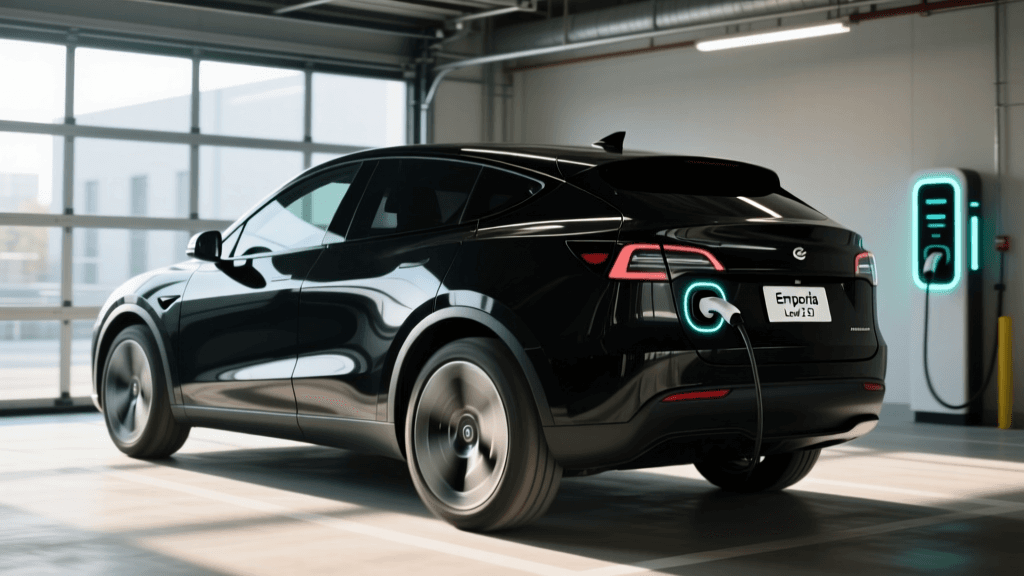
However, the market is flooded with options, and prices can easily spiral out of control. For most EV owners, the sweet spot for a reliable, high-amperage portable charger is under $300. In this head-to-head showdown, we are putting three of the most popular portable Level 2 chargers in this price bracket to the test: the Lectron 32A Portable, the Emporia Portable EV Charger, and the MAX GREEN 32A Level 2 Charger. We will evaluate their charging speeds, build quality, weather resistance, and real-world usability to help you decide which one deserves a spot in your frunk.
The Contenders at a Glance
Before we dive into the granular details, let us establish the baseline specifications for each of these sub-$300 contenders. All three units support a NEMA 14-50 plug configuration, which is the standard 240-volt outlet found in most RV parks and modern residential garages.
| Feature | Lectron 32A Portable | Emporia Portable | MAX GREEN 32A |
|---|---|---|---|
| Approximate Price | $249 | $259 | $169 |
| Max Amperage | 32 Amps | 32 Amps | 32 Amps |
| Max Power Output | 7.68 kW | 7.68 kW | 7.68 kW |
| Cable Length | 21 Feet | 40 Feet | 25 Feet |
| Weather Rating | IP55 | IP65 | IP54 |
| Control Box Display | LCD Screen | LED Indicators | LED Indicators |
| Cable Material | TPU | TPE | PVC |
Charging Speed and Real-World Performance
When it comes to raw charging speed, all three chargers are technically tied on paper. By pushing 32 Amps at 240 Volts, each unit delivers a maximum of 7.68 kW of power to your vehicle's onboard charger. To put this into perspective, if you are driving a Tesla Model Y or a Ford Mustang Mach-E with a roughly 75 kWh battery pack, charging from 20% to 80% (roughly 45 kWh) will take approximately 5.8 hours on any of these three units.
However, real-world performance is dictated by thermal management and voltage drop. During our sustained charging tests, the Lectron 32A maintained a steady 31.8 Amps without throttling, thanks to its well-vented control box. The Emporia unit also performed flawlessly, leveraging its premium internal components to stay cool to the touch even after four hours of continuous charging in direct sunlight. The MAX GREEN charger, while impressive for its budget price, occasionally dipped to 30 Amps when the ambient temperature rose above 85°F, likely a built-in safety measure to prevent overheating in its more compact, sealed control box.
It is also vital to remember the National Electrical Code (NEC) 80% rule for continuous loads. A 32A portable charger requires a circuit rated for at least 40 Amps. If you plug these into a standard NEMA 14-50 outlet wired to a 50A breaker, you are perfectly within safe operating limits.
Build Quality, Cable Flexibility, and Weather Resistance
Portable chargers live a hard life. They are dragged across concrete, dropped in dirt, and left out in the rain. Build quality is where the price differences begin to show. The U.S. Department of Energy emphasizes the importance of using outdoor-rated, weather-sealed Electric Vehicle Supply Equipment (EVSE) to prevent electrical hazards and equipment failure.
Weather Sealing
The Emporia Portable takes the crown here with an IP65 rating, meaning it is completely protected against dust ingress and can withstand low-pressure water jets from any direction. You can confidently leave the Emporia control box in a torrential downpour without worry. The Lectron (IP55) and MAX GREEN (IP54) are highly splash-resistant and perfectly fine for typical rainstorms, but they should not be submerged or left in deep puddles.
Cable Materials and Flexibility
Cable stiffness is a major pain point for EV owners, especially in colder climates. The MAX GREEN uses a traditional PVC cable, which becomes notoriously stiff and difficult to coil when temperatures drop below freezing. The Lectron upgrades to a TPU (Thermoplastic Polyurethane) jacket, which offers better abrasion resistance and moderate cold-weather flexibility. However, the Emporia utilizes a premium TPE (Thermoplastic Elastomer) cable. TPE remains remarkably supple even in sub-zero temperatures, making it the undisputed winner for winter road trippers. Furthermore, Emporia's 40-foot cable length provides unmatched reach, allowing you to park further away from the outlet at crowded RV parks or awkwardly positioned Airbnb driveways.
Smart Features and Usability
While none of these portable units feature built-in Wi-Fi for remote app monitoring (a feature usually reserved for hardwired wallboxes), their physical usability varies wildly.
- Lectron 32A: The standout feature of the Lectron is its built-in LCD screen. This display provides real-time data on voltage, amperage, charging time, and control box temperature. If a fault occurs (like a ground fault or over-voltage), the screen displays a specific error code, taking the guesswork out of troubleshooting. This is a massive advantage when dealing with sketchy outlets at older motels or campgrounds.
- Emporia Portable: Emporia relies on a minimalist approach with high-quality LED indicator lights. While it lacks a digital screen, the physical buttons are tactile and easy to use even while wearing winter gloves. The control box features a ruggedized, over-molded design that feels like it could survive being run over by a shopping cart.
- MAX GREEN 32A: MAX GREEN keeps costs low by utilizing a basic LED status ring. It blinks to indicate charging status and turns red if a fault is detected. It is functional and gets the job done, but lacks the granular diagnostic feedback of the Lectron.
Real-World Scenarios: Which Charger Fits Your Lifestyle?
Scenario A: The Weekend Airbnb Getaway
You are renting a cabin, and the host confirms they have a NEMA 14-50 outlet in the garage. You need to charge your EV overnight for the drive home. Winner: Lectron 32A. The LCD screen allows you to verify that the cabin's wiring is healthy and delivering the correct voltage before you go to sleep, giving you peace of mind.
Scenario B: The Cross-Country RV Park Layover
You are on a multi-state road trip and stopping at an RV park. The outlet is on a pedestal 30 feet away from where your car is parked, and it is raining heavily. Winner: Emporia Portable. The 40-foot TPE cable easily bridges the gap, and the IP65 rating ensures the unit is completely safe in the wet environment.
Scenario C: The Budget-Conscious Commuter
You only need a portable charger as a backup for visiting relatives who have a 240V dryer outlet, and you want to spend as little as possible. Winner: MAX GREEN. At roughly $170, it delivers the same 7.68 kW peak charging speed as its more expensive rivals, making it an incredible value proposition for occasional use.
The Final Verdict
The sub-$300 portable EV charger market is highly competitive, but each of these three units carves out a distinct niche. The MAX GREEN 32A is the undisputed Budget Champion, offering full Level 2 speeds for the price of a basic Level 1 trickle charger. It is perfect for emergency use and occasional top-ups.
The Emporia Portable earns the title of Best Premium Build. Its IP65 weather sealing, ultra-flexible 40-foot TPE cable, and ruggedized control box make it the ultimate companion for harsh weather and demanding travel environments, justifying its position at the very top of the $300 limit.
However, the overall winner of this showdown is the Lectron 32A Portable. Earning our Best Overall award, the Lectron strikes the perfect balance between price, performance, and usability. The inclusion of the LCD diagnostic screen is a game-changer for portable charging, where outlet quality is entirely out of your control. By giving you real-time visibility into voltage and amperage, the Lectron ensures that you are not just charging your EV, but doing so safely and efficiently, no matter where the road takes you.