A Beginner's Guide to EV Charging in Harsh Climates
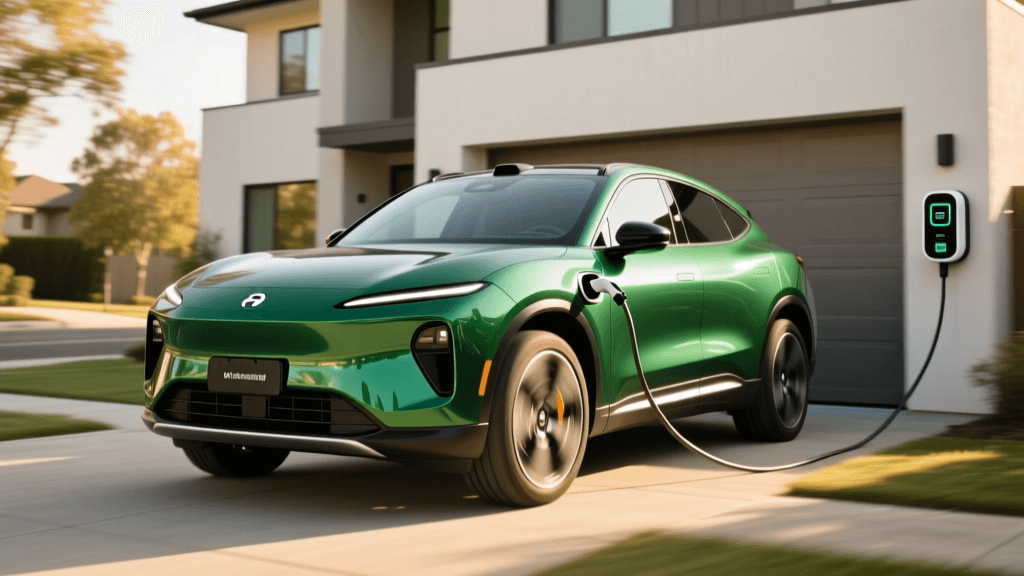
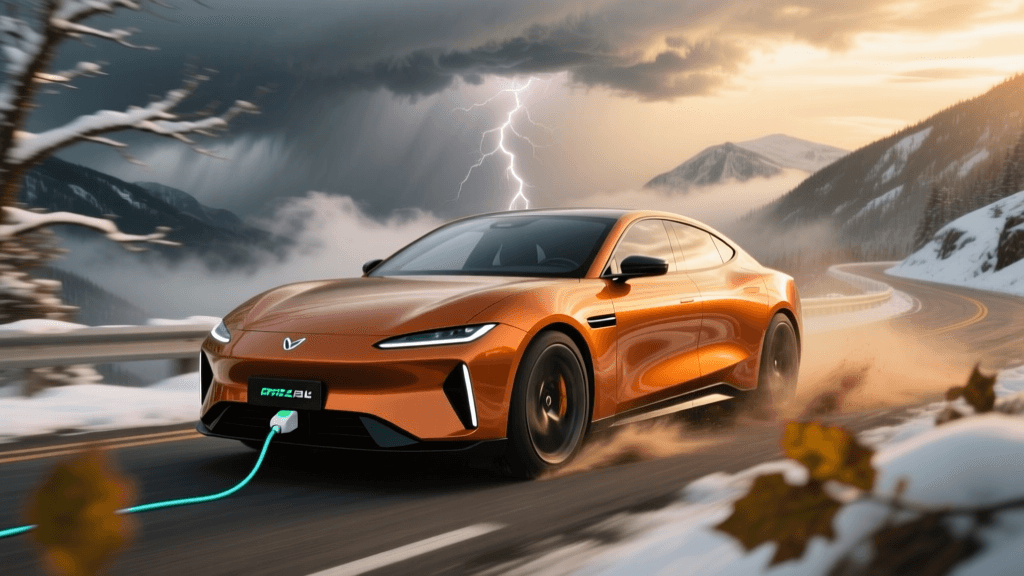
Transitioning to an electric vehicle (EV) is an exciting milestone, but for beginners, the reality of charging at home can introduce unexpected anxieties—especially if you live in a region with extreme weather. Whether you are dealing with the deep freeze of a Midwestern winter, the scorching heat of a Southwestern summer, or the relentless coastal rain, your Level 2 EV charger must be built to survive. Unlike your smartphone, which you can tuck into a pocket, your EV charger lives outside, exposed to the elements 24/7.
Enter the Grizzl-E Smart charger. Manufactured by United Chargers in Canada, this Level 2 charging station has built a reputation as the 'tough truck' of the EV charging world. But does its rugged marketing hold up to real-world extreme weather conditions? In this comprehensive beginner's guide, we will break down the Grizzl-E Smart's build quality, temperature tolerances, smart features, and installation best practices to help you decide if it is the right investment for your driveway.
Understanding Level 2 Charging Basics
Before diving into the weatherproofing, beginners must understand what a Level 2 charger actually is. While a Level 1 charger plugs into a standard 120V household outlet and adds about 3 to 5 miles of range per hour, a Level 2 charger requires a 240V circuit (similar to what a heavy-duty clothes dryer uses). Level 2 chargers can deliver anywhere from 16 to 80 amps, adding 20 to 60 miles of range per hour. The Grizzl-E Smart is a 40-amp charger (adjustable down to 16A or up to 50A on certain models), meaning it requires a dedicated 50-amp circuit breaker to comply with the National Electrical Code's 125% continuous load rule.
Decoding the Armor: What Makes the Grizzl-E 'Rugged'?
When shopping for an outdoor charger, you will frequently see terms like IP65 or NEMA 4. The Grizzl-E Smart boasts a NEMA 4 rating. According to the National Renewable Energy Laboratory (NREL), understanding enclosure ratings is critical for outdoor EV supply equipment (EVSE). A NEMA 4 rating means the enclosure is watertight and protects against windblown dust, rain, splashing water, and hose-directed water. It also protects against external ice formation.
Unlike many popular competitors that use heavy-duty plastics, the Grizzl-E Smart features a thick, powder-coated aluminum casing. Aluminum offers two distinct advantages in extreme weather:
- Impact Resistance: In winter, flying debris from snowplows or accidental bumps from icy shovels will not crack an aluminum case, whereas cold plastic can become brittle and shatter.
- Thermal Dissipation: Aluminum acts as a massive heat sink, pulling heat away from the internal electronics during high-load summer charging sessions.
Surviving the Deep Freeze: Extreme Cold Performance
Because it is engineered and manufactured in Canada, the Grizzl-E Smart is explicitly tested for extreme cold. It is rated to operate flawlessly in temperatures as low as -40°C (-40°F). For beginners in northern climates, the biggest pain point of winter charging is not necessarily the internal electronics, but the charging cable.
Standard PVC cables stiffen dramatically in sub-zero temperatures, turning into rigid, unmanageable pipes that are difficult to coil and can put dangerous strain on your vehicle's charge port. The Grizzl-E Smart utilizes a specialized, heavy-duty rubberized cable compound that remains remarkably flexible even in deep freezes. Furthermore, the 24-foot cable length provides ample slack to reach your charge port without pulling taut, which is crucial when snowbanks narrow your driveway.
Beating the Heat: Summer and Direct Sunlight Durability
Extreme heat is just as dangerous to electronics as extreme cold. When a black or dark-colored plastic charger is mounted on a south-facing wall in direct sunlight, internal temperatures can easily exceed the ambient air temperature, leading to thermal throttling (where the charger slows down to protect itself) or premature component failure.
The Grizzl-E Smart's aluminum enclosure naturally dissipates internal heat. While the dark green or black powder coating does absorb some solar radiation, the metal casing ensures that heat generated by the 40-amp internal contactors is efficiently vented outward. The charger is rated for operation up to 50°C (122°F), making it highly reliable in desert environments.
Smart Features: Do Electronics Fail in Extreme Weather?
The 'Smart' in Grizzl-E Smart refers to its Wi-Fi and Bluetooth connectivity, OCPP (Open Charge Point Protocol) compliance, and companion app. A common concern for beginners is whether moisture or extreme cold will short-circuit the smart module or cause the Wi-Fi antenna to fail.
The Grizzl-E Smart utilizes an internal antenna and fully potted (sealed in resin) circuit boards. Potting is a manufacturing process where electronic assemblies are filled with a solid or gelatinous compound to resist shock, vibration, and moisture ingress. This means that even if the external aluminum case experiences extreme thermal expansion and contraction, the delicate smart electronics remain hermetically sealed and protected from condensation.
Comparison Chart: Grizzl-E Smart vs. Leading Competitors
How does the Grizzl-E Smart stack up against other top-tier Level 2 chargers regarding weather durability? Here is a quick comparison for beginners:
| Feature | Grizzl-E Smart | ChargePoint Home Flex | Wallbox Pulsar Plus |
|---|---|---|---|
| Enclosure Material | Powder-Coated Aluminum | Heavy-Duty Plastic | Polycarbonate Plastic |
| Weather Rating | NEMA 4 (Indoor/Outdoor) | NEMA 4 (Indoor/Outdoor) | NEMA 4 (Indoor/Outdoor) |
| Operating Temp Range | -40°C to +50°C | -40°C to +50°C | -30°C to +50°C |
| Cable Flexibility (Cold) | Excellent (Rubberized) | Good | Good |
| Smart App / Wi-Fi | Yes (OCPP Compatible) | Yes (Proprietary) | Yes (Proprietary) |
Installation Best Practices for Extreme Weather
Even the most rugged charger can fail if installed improperly. For beginners planning an outdoor installation in a harsh climate, follow these actionable steps based on guidelines from the U.S. Department of Energy's Home Charging Guide:
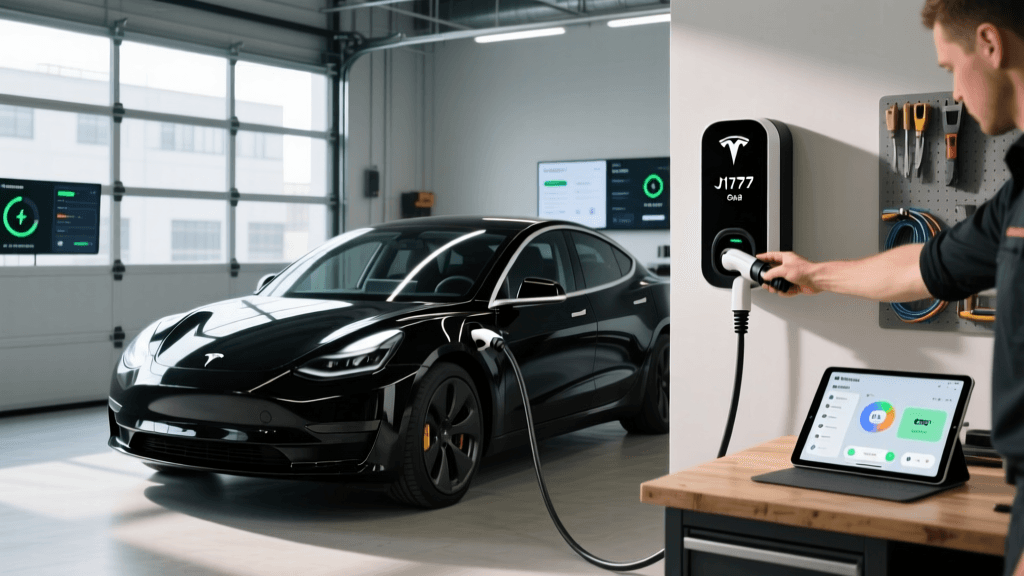
- Hardwire vs. Plug-in: While the Grizzl-E Smart can be purchased with a NEMA 14-50 plug, hardwiring is highly recommended for extreme weather. A plug-in receptacle is vulnerable to moisture ingress, corrosion, and ice buildup inside the socket. Hardwiring directly into the unit eliminates this failure point.
- Mounting Height: Mount the charger at least 18 to 24 inches off the ground. This protects the unit from snowplow piles, salt spray from the driveway, and pooling floodwater.
- Drip Loops: Ensure your electrician creates a 'drip loop' with the conduit and wiring before it enters the charger. This prevents rainwater from tracking down the wire and directly into the electrical housing.
- Cable Management: Invest in a sturdy, metal holster or cable organizer. In high winds or heavy snow, leaving the heavy 24-foot cable dangling can cause it to freeze to the ground or become damaged by snow blowers.
Maintenance Tips for Longevity
The Grizzl-E Smart requires very little maintenance, but a few seasonal checks will ensure it lasts for decades. In the spring, wipe down the aluminum casing with a damp cloth to remove winter road salt and grime, which can eventually degrade powder coating. Inspect the charging connector (the J1772 plug) for any debris, bent pins, or moisture. If you live in a coastal area, applying a light coating of dielectric grease to the pins inside the connector can prevent salt-air corrosion.
Final Verdict: Is the Grizzl-E Smart Worth It?
Priced generally between $500 and $600, the Grizzl-E Smart sits squarely in the mid-range tier of Level 2 chargers, yet it offers the build quality of a premium commercial unit. For beginners who live in regions with volatile, extreme, or harsh weather, the peace of mind provided by the aluminum enclosure, cold-weather cable flexibility, and potted smart electronics is invaluable.
While the companion app may not be as polished as ChargePoint's or Wallbox's, the Grizzl-E Smart's OCPP compliance means you are not locked into a single proprietary ecosystem. Ultimately, if your primary concern is buying a 'set-it-and-forget-it' charger that will survive a decade of blizzards, heatwaves, and torrential rain without missing a beat, the Grizzl-E Smart is arguably the most durable choice on the residential market today.