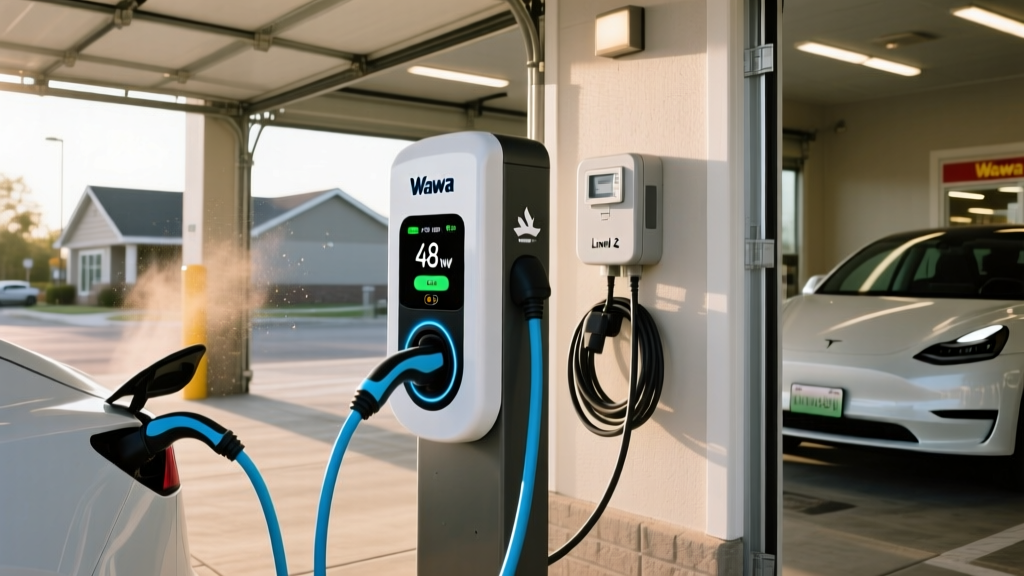
If you've driven through the Mid-Atlantic or Southeast, you've likely seen the Wawa electric charger stations popping up alongside their famous convenience stores. As of early 2026, Wawa has expanded its EV charging footprint across Pennsylvania, New Jersey, Delaware, Maryland, Virginia, Florida, and North Carolina — partnering with networks like Electrify America and EVgo to install DC fast chargers at high-traffic locations. But how useful are these chargers for real-world EV ownership, and how do they fit into a broader charging strategy that includes home Level 2 setup?
This guide covers everything you need to know about Wawa's public chargers — speeds, connectors, costs — and pairs it with a complete home charging installation breakdown so you can build a practical, cost-effective charging routine.
What You'll Find at a Wawa Electric Charger Station
Wawa doesn't operate its own proprietary charging network. Instead, the company hosts chargers from established providers — primarily Electrify America and, at select locations, EVgo. This means you'll use the Electrify America or EVgo app (or a compatible plug-and-charge vehicle) to initiate a session, and pricing follows those networks' standard rates.
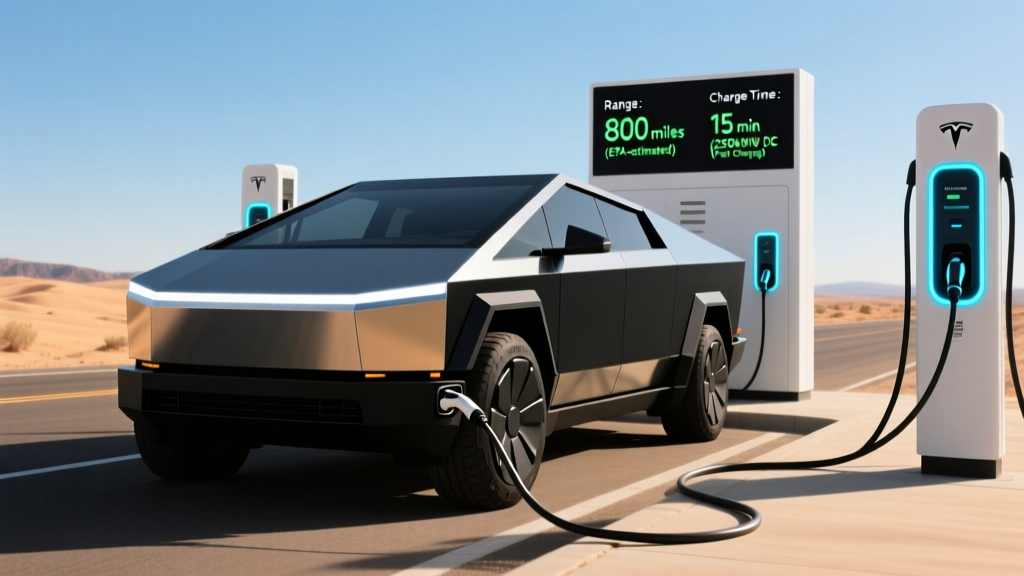
Most Wawa locations with chargers feature DC fast-charging stalls rated between 150 kW and 350 kW. A typical setup includes two to four stalls, often with both CCS1 and NACS (Tesla) connectors now available as networks have updated hardware to accommodate the industry-wide shift to NACS.
Charging Levels Explained: Speeds, Power & Range Added
Understanding the difference between kW (power — how fast energy flows) and kWh (energy — how much your battery stores) is essential. Think of kW as the flow rate of a hose and kWh as the size of the bucket. Here's how each level translates to real range recovery:
| Level | Power (kW) | Voltage | Miles of Range per Hour | Typical Use Case |
|---|---|---|---|---|
| Level 1 | 1.2–1.9 kW | 120V AC | 3–5 miles | Overnight trickle; PHEV top-ups |
| Level 2 | 7.2–19.2 kW | 240V AC | 20–60 miles | Home daily charging; workplace |
| DC Fast | 50–350 kW | 200–800V DC | 150–1,200+ miles* | Road trips; rapid top-ups |
*Miles per hour on DC fast charging is a somewhat misleading metric since sessions are typically 15-30 minutes, not a full hour. A 200 kW charger might add 150 miles in 15 minutes to an efficient sedan like the Tesla Model 3.
Connector Compatibility: NACS, CCS1, and CHAdeMO
The connector landscape has consolidated significantly since Ford, GM, Rivian, and most major automakers adopted the North American Charging Standard (NACS) for their 2025+ models. Here's where things stand in 2026:
| Connector | Brands Using It (2026) | Available at Wawa/EA Stations? | Adapter Needed? |
|---|---|---|---|
| NACS (Tesla) | Tesla, Ford, GM, Rivian, Volvo, Polestar, BMW, Hyundai/Kia (select) | Yes — most updated stalls | CCS-to-NACS adapter for older CCS vehicles |
| CCS1 | Hyundai, Kia, VW, BMW (older), legacy models | Yes — standard on all stalls | NACS-to-CCS for NACS vehicles at older stalls |
| CHAdeMO | Nissan Leaf (legacy only; discontinued) | Rarely — being phased out | No adapter available; CHAdeMO vehicles need specific stations |
If you're buying a 2026 EV, it almost certainly uses NACS or CCS1. The Electrify America chargers at Wawa locations now commonly feature both connector types on newer hardware. For older CCS1-equipped EVs visiting NACS-only stalls, a CCS-to-NACS adapter (roughly $150-$250 from approved manufacturers like Lectron or A2Z) bridges the gap.
How Much Does Charging Cost at Wawa vs. Home?
Public DC fast charging is convenient but comes at a premium. Here's how the economics compare across scenarios:
| Scenario | Rate | Cost per kWh | Cost per Mile* |
|---|---|---|---|
| Home (off-peak utility rate) | ~$0.08–$0.14/kWh | $0.11 avg | $0.03–$0.04 |
| Home (standard residential rate) | ~$0.12–$0.20/kWh | $0.16 avg | $0.04–$0.05 |
| Wawa / Electrify America (guest rate) | ~$0.43–$0.56/kWh | $0.51 avg | $0.14–$0.17 |
| Wawa / EA (Pass+ subscription $7/mo) | ~$0.33–$0.42/kWh | $0.38 avg | $0.10–$0.13 |
| Gasoline (30 MPG, $3.40/gal) | $3.40/gallon | N/A | $0.11 |
*Cost per mile assumes an EV efficiency of 3.0–3.5 miles/kWh (typical for a midsize crossover like the Tesla Model Y or Ford Mustang Mach-E). Cold weather, high speeds, and aggressive driving reduce efficiency.
The takeaway: home charging on off-peak rates is 3-4x cheaper than public DC fast charging. Even with a gas car at 30 MPG, home-charged EVs win on per-mile cost. Public chargers like those at Wawa are best used for road trips or occasional top-ups — not as your primary charging strategy.
Home Level 2 Charger Installation: Costs, Electrical Requirements & What to Expect
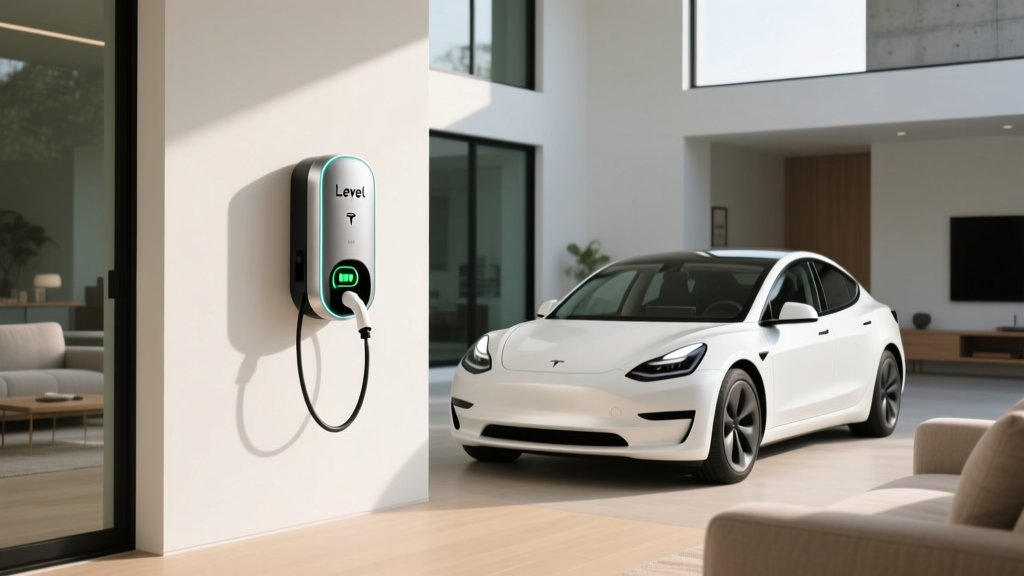
The single most impactful upgrade for EV ownership is a home Level 2 charger. Here's a realistic breakdown of what's involved.
Electrical Requirements
A Level 2 home charger requires a dedicated 240V circuit — the same voltage as your electric dryer or oven. The most common configurations:
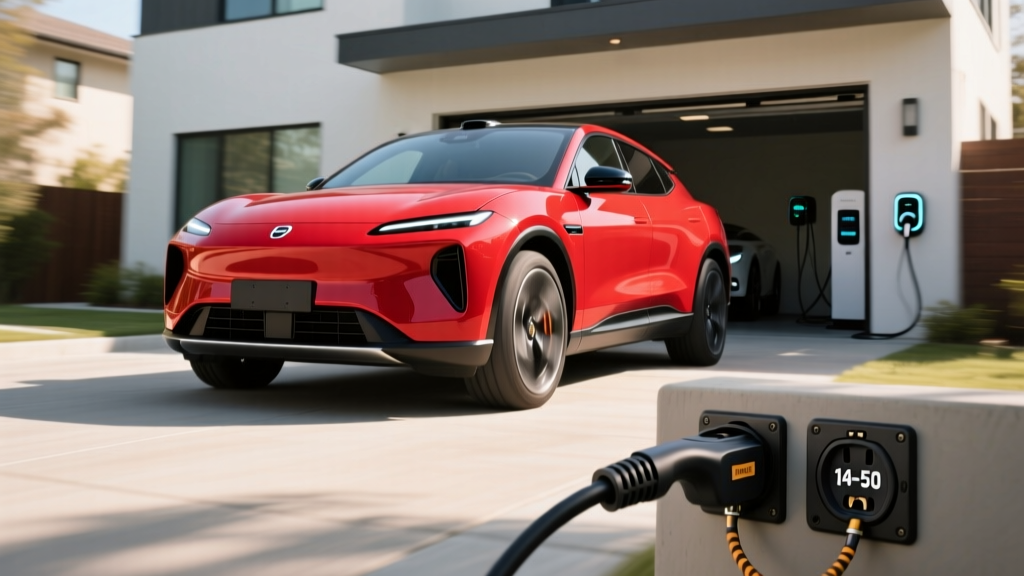
- 40-amp circuit / 32-amp continuous charge: Most popular; delivers 7.7 kW. Requires a NEMA 14-50 outlet or hardwired connection.
- 50-amp circuit / 40-amp continuous charge: Delivers 9.6 kW. Requires NEMA 14-50 or hardwired.
- 60-amp circuit / 48-amp continuous charge: Delivers 11.5 kW. Typically hardwired only. Best for larger batteries (100+ kWh).
National Electrical Code (NEC) requires that continuous loads (like EV charging) not exceed 80% of the circuit's rated capacity. So a 40A breaker supports 32A continuous charging.
Do You Need a Panel Upgrade?
This is the cost variable most homeowners underestimate. A typical home has a 100A or 200A main electrical panel. If your panel is already near capacity (common in older homes with electric heat, water heaters, and dryers), adding a 40-50A EV circuit may require:
- Load calculation: Your electrician will perform a NEC Article 220 load calculation. If your existing loads plus the EV circuit exceed 80% of your panel's rating, you'll need an upgrade.
- Panel upgrade to 200A: Common for homes with older 100A service. Cost: $1,500–$3,500 depending on utility requirements and local labor rates.
- Alternative — load management device: Smart panels like the Span smart electrical panel or a load-sharing device (e.g., Emporia Smart Load Management) can dynamically throttle EV charging when other circuits are in use, avoiding a full panel upgrade. Equipment cost: $200–$500.
Installation Cost Breakdown
| Component | Simple Install (panel nearby, no upgrade) | Complex Install (long run, panel upgrade) |
|---|---|---|
| Level 2 charger equipment | $350–$700 | $350–$700 |
| Electrician labor (2-4 hrs basic; 6-12 hrs complex) | $400–$1,000 | $1,500–$3,000 |
| Electrical permit | $50–$150 | $50–$200 |
| Panel upgrade (if needed) | $0 | $1,500–$3,500 |
| Conduit, wire, mounting hardware | $100–$300 | $300–$800 |
| Total | $900–$2,150 | $3,700–$8,200 |
Most homeowners with a 200A panel and a garage adjacent to the electrical panel land in the $1,200–$2,500 range for a complete Level 2 installation. Get at least three quotes from licensed electricians — prices vary significantly by region and contractor.
Safety and Code Considerations
- Dedicated circuit: NEC requires a dedicated circuit for EV charging — it cannot share with other outlets or appliances.
- GFCI protection: NEC 2020 and later require GFCI protection for all EV charging outlets. Many modern Level 2 chargers have built-in GFCI, but your electrician may also install a GFCI breaker.
- Outdoor rating: If your charger is installed outside (driveway, carport), the unit must be rated NEMA 4 or NEMA 4X for weather resistance. All major chargers listed below meet this standard.
- Cable management: NEC prohibits charging cables from running across walkways or creating trip hazards. Wall-mounted cord reels or J-hooks solve this.
Best Home Level 2 Chargers for 2026: Equipment Picks
Emporia Vue Level 2 Smart Charger
- Power output: 48A / 11.5 kW (hardwired) or 40A / 9.6 kW (NEMA 14-50 plug)
- Connector: NACS (2026 models); CCS1 adapter available
- Cable length: 24 feet
- Smart features: Wi-Fi scheduling, solar integration, energy monitoring via Emporia app, load management with Emporia panel
- Price: $349–$399
- Best for: Budget-conscious buyers who want energy monitoring and solar pairing
ChargePoint Home Flex (2nd Gen)
- Power output: Up to 50A / 12 kW (configurable via DIP switch)
- Connector: NACS native; J1772/CCS1 with adapter
- Cable length: 23 feet
- Smart features: Wi-Fi, Alexa integration, scheduling, charge history, flexible amperage settings
- Price: $549–$649
- Best for: Versatility — adjustable amperage lets you match your circuit exactly
Tesla Wall Connector (Gen 4)
- Power output: 48A / 11.5 kW
- Connector: NACS native; includes J1772 adapter in box
- Cable length: 24 feet
- Smart features: Wi-Fi, power sharing (link multiple units on one circuit), OTA updates, Tesla app integration
- Price: $475
- Best for: Tesla owners and NACS-equipped vehicles; cleanest design
Grizzl-E Smart (United Chargers)
- Power output: 40A / 9.6 kW
- Connector: NACS or J1772 (order specific version)
- Cable length: 24 feet
- Smart features: OCPP-compatible, works with multiple apps, adjustable amperage
- Price: $449–$499
- Best for: Extreme durability — rated to -40°F, aluminum case, built in Canada
Charging Time Examples: What to Expect with Common EV Battery Sizes
Charge times depend on both the charger's power output and the vehicle's maximum acceptance rate. Here are realistic 10-80% estimates for popular 2026 EVs:
| Vehicle | Battery (kWh usable) | Peak DC Rate (kW) | 10-80% at 350 kW Stall | 10-80% at 150 kW Stall | Level 2 Home (11.5 kW) |
|---|---|---|---|---|---|
| Tesla Model Y LR | 75 kWh | 250 | ~22 min | ~28 min | ~5.5 hrs |
| Hyundai Ioniq 5 | 84 kWh | 240 | ~18 min | ~30 min | ~6 hrs |
| Ford Mustang Mach-E ER | 91 kWh | 150 | ~38 min | ~40 min | ~6.5 hrs |
| Chevrolet Equinox EV | 85 kWh | 150 | ~36 min | ~38 min | ~6 hrs |
| BMW iX xDrive50 | 105 kWh | 200 | ~30 min | ~38 min | ~7.5 hrs |
Federal Tax Credit for Home Charger Installation
The IRS §30C Alternative Fuel Vehicle Refueling Property Credit covers 30% of the cost of home EV charger equipment and installation, up to $1,000. Key eligibility requirements for 2026:
- The charger must be installed at your primary residence
- The property must be located in an eligible census tract (non-urban or designated low-income community — check the IRS eligibility tool)
- Both equipment and installation labor qualify
- The credit is non-refundable (it can reduce your tax liability to zero but won't generate a refund beyond that)
This credit is separate from the §30D new EV purchase credit. Consult a tax professional for your specific eligibility.
Frequently Asked Questions
How much does it cost to install a home EV charger?
A straightforward Level 2 installation with an existing 200A panel typically costs $1,200–$2,500 including equipment, electrician labor, and permits. If your home needs a panel upgrade from 100A to 200A, total costs can reach $3,700–$8,200. Always get multiple quotes from licensed electricians.
How fast will each charging level add range?
Level 1 (120V) adds roughly 3–5 miles per hour. Level 2 (240V) adds 20–60 miles per hour depending on amperage. DC fast charging (50–350 kW) can add 150+ miles in 15–20 minutes, though actual speed depends on your vehicle's peak acceptance rate and the charge curve taper above 80% SoC.
Which connector/charger is compatible with my EV?
For 2026 models: Tesla, Ford, GM, Rivian, Volvo, and select Hyundai/Kia models use NACS. Most other brands still use CCS1, though the industry is rapidly consolidating on NACS. Check your vehicle's charge port or owner's manual. Wawa/Electrify America stations now commonly offer both NACS and CCS1 connectors.
How much does charging cost per mile vs. gas?
Home charging on off-peak rates costs approximately $0.03–$0.05 per mile. Public DC fast charging at networks like Electrify America (as found at Wawa) costs $0.10–$0.17 per mile. A comparable gas vehicle at 30 MPG with $3.40/gallon fuel costs about $0.11 per mile. Home charging delivers the best economics by a wide margin.
What electrical upgrades might I need?
You may need a panel upgrade if your main service is 100A and existing loads are high. A load calculation per NEC Article 220 determines this. Alternatives include smart load-management devices that dynamically reduce EV charging when other appliances draw power, potentially avoiding a costly panel upgrade entirely.
Are Wawa electric chargers reliable for road trips?
Wawa hosts Electrify America and EVgo chargers, which are among the more reliable public networks. Wawa's 24-hour operations, well-lit parking, and on-site food/coffee make them practical road-trip stops. However, with only 2-4 stalls per location, peak travel times (holiday weekends) can mean short waits. Always check real-time stall availability in the EA or EVgo app before diverting.