Can Volkswagen EVs Charge at Tesla Superchargers?
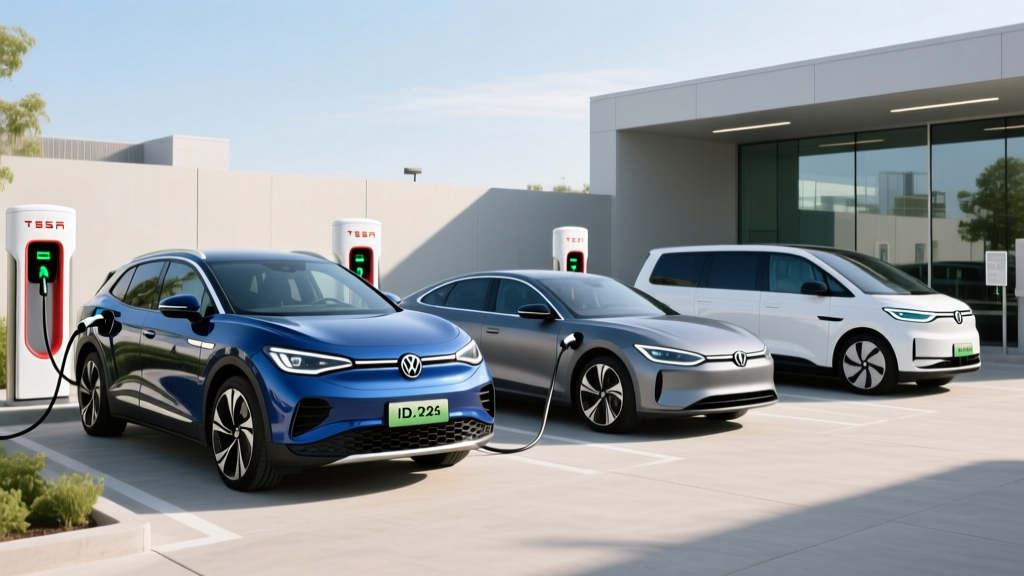
If you own a Volkswagen ID.4, the incoming ID.7 sedan, or the ID.Buzz electric van, one of the most common questions in 2026 is whether you can pull into a Tesla Supercharger station and plug in. The short answer: yes, but with important caveats depending on your model year and the adapter you carry.
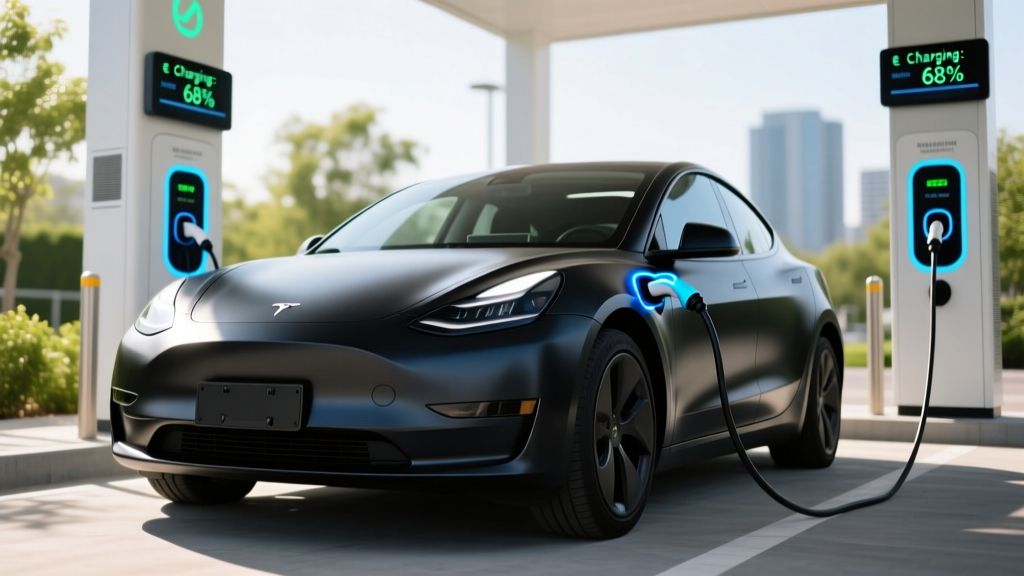
Volkswagen's North American EVs shipped with CCS1 (Combined Charging System) ports through the 2025 model year. Starting with certain 2026 models, VW has begun transitioning to the NACS (North American Charging Standard) connector — the same physical plug Tesla uses. But even if your VW still has a CCS1 port, Tesla opened its Supercharger network to non-Tesla EVs via the Magic Dock adapter built into select stalls, and VW owners can also purchase a NACS-to-CCS adapter for broader access.
This guide breaks down exactly how Supercharger and Volkswagen EV compatibility works in 2026, what adapters you need, how fast each VW model charges on DC fast chargers, and what it costs to set up Level 2 charging at home.
Volkswagen EV Charging Specs: ID.4, ID.7, and ID.Buzz at a Glance
| Spec | 2026 VW ID.4 (Pro S) | 2026 VW ID.7 (Pro S) | 2026 VW ID.Buzz (Pro S) |
|---|---|---|---|
| Battery (usable) | 77 kWh (NMC) | 86 kWh (NMC) | 91 kWh (NMC) |
| EPA Range | 291 mi | 342 mi (est.) | 234 mi |
| Real-World Highway Range | ~240–260 mi | ~280–310 mi | ~190–210 mi |
| Max DC Fast Charge Rate | 175 kW | 200 kW | 175 kW |
| 10–80% DC Fast Charge | ~28 min | ~26 min | ~30 min |
| Level 2 AC Charge Rate | 11 kW | 11 kW | 11 kW |
| Connector (2026 MY) | NACS (new) / CCS1 (carryover) | NACS | CCS1 |
| 0–60 mph | 6.7 sec (AWD) | 6.5 sec (est.) | 7.9 sec |
| Base MSRP | $44,995 | $52,995 (est.) | $59,995 |
| Battery Warranty | 8 yr / 100,000 mi | 8 yr / 100,000 mi | 8 yr / 100,000 mi |
Supercharger Compatibility: Which VW EVs Can Use Tesla's Network?
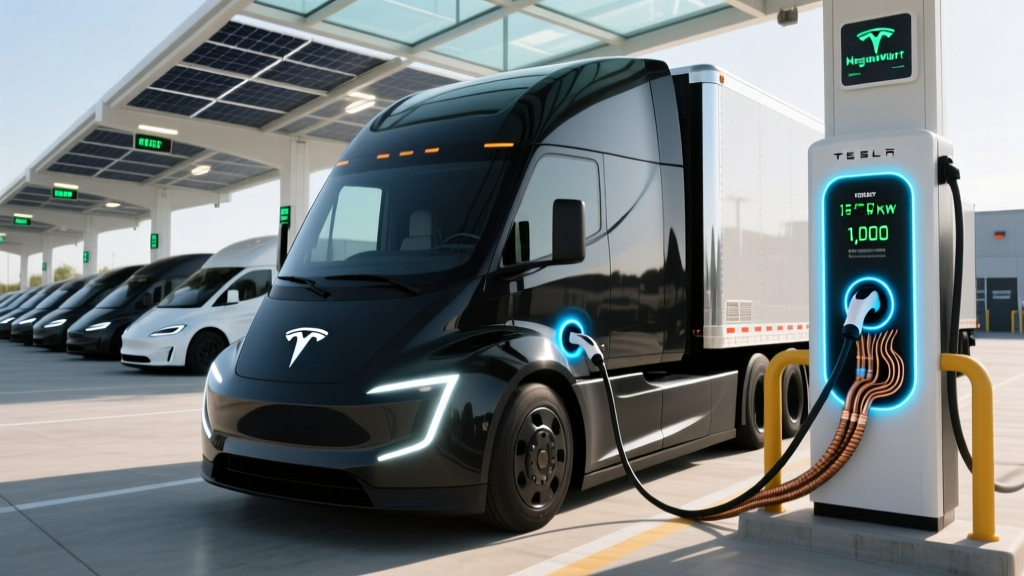
Tesla's Supercharger network — now branded with the NACS connector standard — is the largest and most reliable DC fast-charging network in North America, with over 25,000 stalls as of early 2026. Here's how each Volkswagen EV connects:
| VW Model (2026) | Native Connector | Tesla Supercharger (NACS) | Adapter Required? | CCS Networks (EA, EVgo) |
|---|---|---|---|---|
| ID.4 (new production) | NACS | ✅ Direct plug-in | No | NACS-to-CCS adapter needed |
| ID.4 (2021–2025) | CCS1 | ✅ Via adapter | Yes — CCS-to-NACS (~$200–$250) | ✅ Direct plug-in |
| ID.7 (2026) | NACS | ✅ Direct plug-in | No | NACS-to-CCS adapter needed |
| ID.Buzz (2025–2026) | CCS1 | ✅ Via adapter or Magic Dock | Yes — CCS-to-NACS (~$200–$250) | ✅ Direct plug-in |
Adapter options for CCS1-equipped VWs:
- Tesla CCS-to-NACS Adapter: Sold directly by Tesla for ~$250. Works at all NACS Supercharger stalls. This is the recommended option for reliability and firmware compatibility.
- Third-party adapters (Lectron, A2Z): Typically $150–$200. Functionality varies; some users report intermittent handshake issues at certain Supercharger stalls.
- Tesla Magic Dock: Built into select Supercharger stalls (primarily in urban areas). No adapter needed — the stall has a built-in CCS1 adapter. Use the Tesla app to locate Magic Dock-equipped stations. Availability remains limited.
Important charging-speed caveat: When using an adapter at a V3 Supercharger (250 kW capable), your VW will charge at its own maximum rate — 175 kW for the ID.4 and ID.Buzz, 200 kW for the ID.7. The adapter does not bottleneck speed, but the vehicle's onboard charge curve does. Expect peak rates only between roughly 10–40% state of charge (SoC), tapering significantly above 80%.
Charging Levels Explained: How Fast Does Each Level Add Range?
Understanding the three charging levels is essential for planning both daily driving and road trips. Here's what each level delivers for a typical Volkswagen EV:
| Level | Power (kW) | Voltage / Amps | Miles of Range per Hour | Best For |
|---|---|---|---|---|
| Level 1 (standard outlet) | 1.2–1.9 kW | 120V / 12–16A | 3–5 mi/hr | Overnight top-up, PHEVs, emergencies |
| Level 2 (home/public AC) | 7.2–11.5 kW | 240V / 30–48A | 22–37 mi/hr | Daily home charging, workplace, shopping |
| DC Fast Charging | 50–350 kW | 400–800V DC | 150–600+ mi/hr (peak) | Road trips, rapid top-ups |
Charging time examples for VW models (10–80% SoC):
- ID.4 (77 kWh) at 175 kW DC fast charger: ~28 minutes. On a Level 2 home charger at 11 kW, a full 0–100% charge takes roughly 7.5 hours — easily done overnight.
- ID.7 (86 kWh) at 200 kW DC fast charger: ~26 minutes. Level 2 home charge (11 kW): ~8.5 hours.
- ID.Buzz (91 kWh) at 175 kW DC fast charger: ~30 minutes. Level 2 home charge (11 kW): ~9 hours.
Charge curve reality: The "10–80%" time is the useful metric because charging slows dramatically above 80% to protect battery health. Charging from 80–100% on DC fast charging can add another 20–30 minutes. On road trips, plan to charge to 80% and move on — it's faster overall than waiting for a full charge.
Home EV Charger Installation: Costs, Requirements, and Electrical Upgrades
Installing a Level 2 home charger is the single most impactful upgrade for VW EV ownership. Here's what's involved and what it costs.
Electrical Requirements for a VW-Compatible Level 2 Charger
All 2026 VW EVs accept up to 11 kW on Level 2 AC charging. To deliver this, you need a 240V circuit rated at 48 amps (a 60-amp breaker, since EV chargers are continuous loads and the National Electrical Code requires circuits rated at 125% of the continuous draw). A 40-amp circuit (32A continuous / 7.7 kW) will also work but charges roughly 30% slower.
| Cost Component | Simple Install (panel nearby) | Complex Install (long run / panel upgrade) |
|---|---|---|
| Level 2 Charger (hardware) | $350–$700 | $350–$700 |
| Electrician labor (240V circuit + outlet/hardwire) | $400–$800 | $1,200–$2,500 |
| Electrical permit | $50–$150 | $50–$200 |
| Panel upgrade (100A → 200A, if needed) | N/A | $1,500–$3,500 |
| Conduit/wiring materials | $50–$150 | $200–$600 |
| Total Estimated Cost | $850–$1,800 | $3,300–$7,500 |
Do You Need a Panel Upgrade?
This is the single biggest cost variable. Homes built before the 1990s often have 100-amp electrical panels. Adding a 48-amp continuous EV charging load (which draws 60 amps of breaker capacity) may exceed your panel's headroom, especially if you also run electric HVAC, a dryer, and an electric range.
Signs you may need a panel upgrade:
- Your panel is 100 amps or less
- Your panel is already near capacity (an electrician can perform a load calculation)
- You have a Federal Pacific or Zinsco panel (these are known fire hazards and should be replaced regardless)
- Your utility requires a load calculation before approving a new 240V circuit
Alternatives to a panel upgrade:
- Install a lower-amperage charger: A 32-amp (7.7 kW) charger on a 40-amp circuit draws less headroom and may fit within your existing panel. This still adds ~25 miles of range per hour — sufficient for most daily driving.
- Smart load management: Devices like the Span smart panel or Emporia Load Management can dynamically throttle EV charging when other high-draw appliances are running, avoiding a panel upgrade.
- Utility incentives: Some utilities (e.g., PG&E, ConEdison, Xcel Energy) offer rebates of $500–$1,500 toward panel upgrades when paired with EV charger installation. Check your local utility's EV programs.
Safety and Code Considerations
Every Level 2 installation must comply with NEC Article 625 (Electric Vehicle Charging System Equipment). Key requirements:
- Dedicated circuit: Your EV charger must have its own dedicated breaker — it cannot share a circuit with other outlets or appliances.
- GFCI protection: NEC 2020 and later requires GFCI protection for all EV charging outlets. Hardwired chargers with built-in GFCI are also acceptable.
- Outdoor rating: If your charger is installed outdoors (garage exterior, driveway), both the charger unit and the receptacle must be rated for wet locations (NEMA 4 or NEMA 4X). Most quality Level 2 chargers carry this rating.
- Permit required: Virtually all jurisdictions require an electrical permit for a new 240V circuit. Your electrician should pull this — avoid unpermitted work, which can void homeowner's insurance and cause issues at resale.
Level 2 Home Charger Recommendations for Volkswagen EVs
Since all 2026 VW EVs accept up to 11 kW on Level 2, you want a charger capable of at least 48 amps to maximize your charging speed. Here are our tested picks:
Emporia Vue Level 2 EV Charger
- Power output: 11.5 kW (48A)
- Connector: NACS (J3400) native; CCS adapter included
- Cable length: 24 ft
- Smart features: Wi-Fi, app scheduling, solar integration, energy monitoring, load management
- Price: ~$399
- Best for: Budget-conscious owners who want smart scheduling and solar-aware charging
ChargePoint Home Flex
- Power output: Up to 12 kW (50A, configurable)
- Connector: NACS (2025+ models); CCS1 on older stock
- Cable length: 23 ft
- Smart features: Wi-Fi, app scheduling, Alexa/Google Home, flexible amperage (16A–50A dip-switch)
- Price: ~$549
- Best for: Flexibility — adjustable amperage fits any panel without a new unit
Tesla Wall Connector (Gen 4)
- Power output: 11.5 kW (48A)
- Connector: NACS native
- Cable length: 24 ft
- Smart features: Wi-Fi, OTA updates, Power-Share (two units on one circuit), vehicle integration for Tesla + NACS-equipped EVs
- Price: ~$450
- Best for: NACS-equipped VWs (2026 ID.7, new ID.4); cleanest Supercharger-network ecosystem integration
Our pick for most VW owners: The ChargePoint Home Flex offers the best balance of adjustable amperage (critical if you're working with a 100A panel), reliable Wi-Fi scheduling, and broad connector availability. If your 2026 VW has a native NACS port and you want the simplest Supercharger/home ecosystem, the Tesla Wall Connector is an excellent choice.
Charging Cost Breakdown: Electricity vs. Gasoline per Mile
One of the strongest financial arguments for EV ownership is lower per-mile fuel cost. Here's how VW EV charging costs compare to a gasoline equivalent (using a 2026 VW Tiguan at 28 MPG combined as the baseline):
| Charging Scenario | Rate ($/kWh) | Cost per Mile (ID.4) | Annual Fuel Cost (12,000 mi) |
|---|---|---|---|
| Home charging (off-peak utility rate) | $0.08–$0.12 | $0.025–$0.037 | $300–$445 |
| Home charging (standard rate) | $0.14–$0.18 | $0.043–$0.056 | $520–$670 |
| Public Level 2 (ChargePoint, etc.) | $0.25–$0.49 | $0.077–$0.151 | $925–$1,810 |
| DC Fast Charging (Electrify America) | $0.43–$0.56 | $0.133–$0.173 | $1,595–$2,075 |
| Tesla Supercharger (NACS, non-Tesla pricing) | $0.35–$0.52 | $0.108–$0.161 | $1,295–$1,930 |
| Gas equivalent (28 MPG @ $3.40/gal) | — | $0.121 | $1,455 |
The takeaway: Home charging at off-peak rates saves roughly $1,000–$1,150 per year versus gasoline. Even at standard residential rates, you save $785–$935 annually. However, if you rely exclusively on DC fast charging, your per-mile cost can exceed gasoline — a critical reason to prioritize home Level 2 installation.
According to fueleconomy.gov, the 2026 ID.4 AWD achieves 104 MPGe combined, translating to roughly 3.2 miles per kWh. This efficiency figure is what we used for the per-mile calculations above.
Public Charging Networks: Where Else Can VW EVs Charge?
While Supercharger access is a major 2026 upgrade for VW owners, the broader charging ecosystem matters for road-trip planning:
- Electrify America (EA): VW's legacy charging partner (born from the Dieselgate settlement). EA stations use CCS1 natively. If your 2026 VW has a NACS port, you'll need a NACS-to-CCS adapter. EA's Pass+ plan ($25/month) includes 800 kWh annually — roughly 2,500 miles of driving. Reliability has improved but still lags Tesla's network in uptime, per J.D. Power EV charging satisfaction studies.
- EVgo: Growing network with both CCS and NACS connectors at newer stations. Offers a VW-specific partnership with discounted rates for ID.4 buyers (check current terms at purchase).
- ChargePoint: Dominant in Level 2 public charging (workplaces, retail, parking garages). Useful for destination charging, not road-trip DC fast charging.
- Tesla Supercharger (via adapter): As of 2026, over 5,000 Supercharger stalls are open to non-Tesla NACS vehicles. Use the Tesla app to initiate a session at non-Tesla stalls. Pricing is typically $0.35–$0.52/kWh depending on location and time of day.
Federal Tax Credit for Home Charger Installation (2026)
The IRS residential clean energy provisions and the Alternative Fuel Vehicle Refueling Property Credit (§30C) can offset home charger costs:
- §30C Credit: 30% of the cost of EV charging equipment and installation, up to $1,000 per year. This applies to the charger hardware AND electrician labor. Income and census-tract eligibility restrictions apply — the credit is targeted at underserved and rural communities.
- Utility rebates: Many utilities offer $250–$1,000 rebates for Level 2 charger installation, sometimes stackable with the federal credit. Check your utility's website or DSIRE database for state/local incentives.
Eligibility rules change frequently. Consult a tax professional and verify current-year requirements on irs.gov before claiming.
Frequently Asked Questions
How much does it cost to install a home EV charger for my Volkswagen?
A straightforward Level 2 installation (panel has capacity, short wire run to garage) typically costs $850–$1,800 including the charger, electrician labor, and permit. If your home needs a panel upgrade from 100A to 200A or a long conduit run, total costs can reach $3,300–$7,500. Always get a load calculation from a licensed electrician before committing.
How fast will each charging level add range to my VW ID.4?
Level 1 (120V standard outlet): 3–5 miles per hour. Level 2 (240V, 48A): approximately 35 miles per hour. DC fast charging at 175 kW: up to 220 miles in 30 minutes (10–80% SoC). For daily driving, Level 2 home charging fully replenishes an ID.4 overnight in about 7.5 hours.
Which connector is compatible with my Volkswagen EV?
2026 model-year VWs are transitioning to NACS (the Tesla connector). The 2026 ID.7 ships with NACS; the ID.4 may have NACS or CCS1 depending on production date; the ID.Buzz retains CCS1. Check your vehicle's charge port — NACS is smaller with 5 pins, CCS1 is larger with 7 pins plus two DC pins below. Adapters are available in both directions.
How much does charging a VW EV cost per mile vs. gasoline?
At home off-peak rates ($0.10/kWh), an ID.4 costs about $0.031/mile — roughly 75% cheaper than a 28 MPG gas SUV at $3.40/gallon ($0.121/mile). At DC fast-charging rates ($0.48/kWh), the cost rises to ~$0.15/mile, slightly more than gas. Home charging is where the savings live.
What electrical upgrades might I need for a Level 2 charger?
The most common upgrade is a new 240V/60A dedicated circuit from your panel to your garage. If your panel is 100A or near capacity, you may need a panel upgrade to 200A ($1,500–$3,500). Alternatives include installing a lower-amperage charger (32A on a 40A circuit) or using a smart load-management device to avoid a panel upgrade entirely.
Can I use Tesla Superchargers with my CCS1-equipped VW ID.4?
Yes. Purchase a CCS-to-NACS adapter from Tesla (~$250) or a third-party manufacturer. You'll also need the Tesla app to initiate charging sessions at non-Tesla stalls. Alternatively, seek out Supercharger stations with Tesla's built-in Magic Dock adapter, though these remain limited in availability.
Is preconditioning important for DC fast charging?
Yes. VW's ID. family includes battery preconditioning when you navigate to a DC fast charger in the built-in navigation system. Preconditioning warms the battery to optimal temperature (roughly 77–95°F), enabling faster charge acceptance. In cold weather, failing to precondition can reduce peak charge rates by 30–50% and extend your 10–80% charge time significantly. Always route through the car's navigation to trigger preconditioning before a fast-charge stop.