Why Vermont Is One of the Best States to Install a Home EV Charger
Vermont consistently ranks among the most EV-friendly states in the U.S., and for good reason. With a statewide charging network supported by Vermont Natural Resources Council advocacy, abundant hydroelectric and renewable energy on the grid, and aggressive state-level incentives, the Green Mountain State rewards EV owners who invest in home charging infrastructure. If you've been weighing the advantages and rebates for installing an EV charger in Vermont, this guide breaks down every cost, incentive, and technical consideration you need to make an informed decision in 2026.
Home charging is where the economics of EV ownership truly work. Public DC fast charging can cost $0.35–$0.55 per kWh, but charging at home on a Vermont residential rate often falls between $0.14–$0.20 per kWh — or even less with time-of-use (TOU) plans. For a driver covering 12,000 miles annually in an EV averaging 3.5 miles per kWh, that difference can save over $600 per year compared to relying exclusively on public chargers, and over $1,400 compared to a 27 MPG gasoline car at $3.40 per gallon.
Understanding Charging Levels: What Speed Do You Actually Need?
Before evaluating rebates, you need to understand the three charging levels available to Vermont EV owners. The distinction between kW (power, or how fast energy flows) and kWh (energy, or how much your battery holds) is critical — confusing them is the most common EV literacy mistake.
| Level | Voltage | Power (kW) | Miles of Range Added per Hour | Best For |
|---|---|---|---|---|
| Level 1 | 120V (standard outlet) | 1.0–1.4 kW | 3–5 miles | Overnight top-ups, PHEVs, low-mileage drivers |
| Level 2 | 240V (dryer-style outlet or hardwired) | 3.3–19.2 kW | 12–70 miles | Daily home charging, most BEV owners |
| DC Fast Charging | 400–800V DC | 50–350 kW | 150–1,000+ miles (peak) | Road trips, quick top-ups away from home |
For most Vermont BEV owners, a Level 2 home charger is the practical sweet spot. A 48-amp (11.5 kW) Level 2 unit can fully replenish a 75 kWh battery (like the Tesla Model Y Long Range or Hyundai Ioniq 5) in roughly 7–8 hours — perfect for overnight charging. Level 1 on a standard 120V outlet adds only about 40 miles overnight, which is adequate for plug-in hybrids with smaller batteries but frustrating for BEV owners driving more than 30 miles daily.
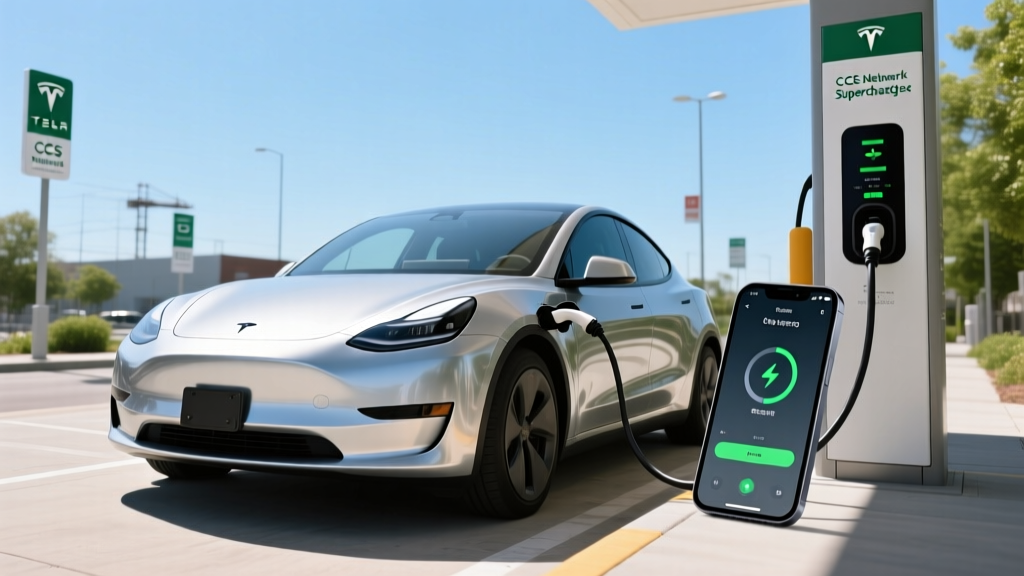
DC fast charging is not relevant for home installation — these 50–350 kW stations require commercial-grade electrical infrastructure. However, understanding DC speeds matters for road trip planning along I-89 and I-91. Vermont's public DC fast network includes Electrify America, EVgo, and Tesla Supercharger stations, many offering 150–350 kW peak rates.
Vermont-Specific Rebates and Incentives for Home Charger Installation
The financial case for installing a Level 2 charger in Vermont is strengthened by several overlapping incentives:
Federal Alternative Fuel Vehicle Refueling Property Credit (§30C)
Under current IRS rules, homeowners can claim a federal tax credit of up to 30% of the cost of home EV charging equipment and installation, capped at $1,000. This credit applies to both the charger hardware and the electrician's labor. However, eligibility depends on your property being located in a qualifying census tract (non-urbanized or low-income community) — many rural Vermont towns qualify, but you should verify using the IRS mapping tool before purchasing. The credit is non-refundable, meaning it reduces your tax liability but won't generate a refund beyond what you owe.
Vermont State and Utility Incentives
Vermont's electric utilities have historically offered some of the most generous EV charger rebates in New England:
- Green Mountain Power (GMP): GMP has offered rebates of up to $750 toward the purchase and installation of a Level 2 home charger for residential customers, plus optional TOU rate plans that reduce per-kWh costs during overnight hours.
- Burlington Electric Department (BED): BED has provided rebates up to $800 for Level 2 charger installation, with additional incentives for customers who enroll in managed-charging programs that allow the utility to slightly delay charging during peak grid demand.
- Vermont Electric Co-op (VEC) & Washington Electric Co-op: Rural co-ops have offered rebates ranging from $200–$500 for charger equipment, often paired with reduced off-peak electricity rates.
- Efficiency Vermont: While primarily focused on energy efficiency, Efficiency Vermont has periodically listed EV charger incentives and can direct homeowners to current utility programs.
2026 Incentive Checklist for Vermont Home Charger Installation:
- ☐ Federal §30C credit: 30% of equipment + install, max $1,000 (census-tract dependent)
- ☐ Utility rebate: $200–$800 depending on your provider (GMP, BED, VEC, etc.)
- ☐ TOU rate enrollment: save $0.04–$0.08/kWh by charging overnight
- ☐ Managed-charging program: additional $50–$100 bill credit at some utilities
- ☐ Federal §30D vehicle credit: up to $7,500 for qualifying new EVs (separate from charger credit — income, MSRP, and battery-sourcing rules apply per IRS §30D guidelines)
Important: Utility rebate amounts and program availability change frequently. Always confirm current offerings directly with your utility before purchasing equipment. Tax credit eligibility depends on individual circumstances — consult a tax professional for personalized guidance.
How Much Does It Cost to Install a Home EV Charger in Vermont?
Installation costs vary dramatically based on your home's electrical panel, the distance from the panel to the charger location, and whether you choose a plug-in (NEMA 14-50 outlet) or hardwired setup. Here's a realistic breakdown for Vermont homes in 2026:
| Component | Simple Install (Panel Nearby) | Complex Install (Panel Upgrade Required) |
|---|---|---|
| Level 2 Charger (40–48A, hardwired or NEMA 14-50) | $350–$700 | $350–$700 |
| Electrician labor (licensed, 2–4 hours simple / 8–16 hours complex) | $400–$900 | $1,500–$3,500 |
| Electrical permit (Vermont municipal) | $50–$150 | $50–$200 |
| Panel upgrade (100A → 200A service, if needed) | N/A | $1,500–$3,000 |
| Conduit, wiring, and mounting hardware | $100–$300 | $200–$600 |
| Total Before Rebates | $900–$2,050 | $3,600–$8,000 |
| After Federal §30C (30%, max $1,000) | $900–$1,750 | $2,600–$7,000 |
| After Utility Rebate ($200–$800 typical) | $100–$1,550 | $1,800–$6,800 |
When Will You Need a Panel Upgrade?
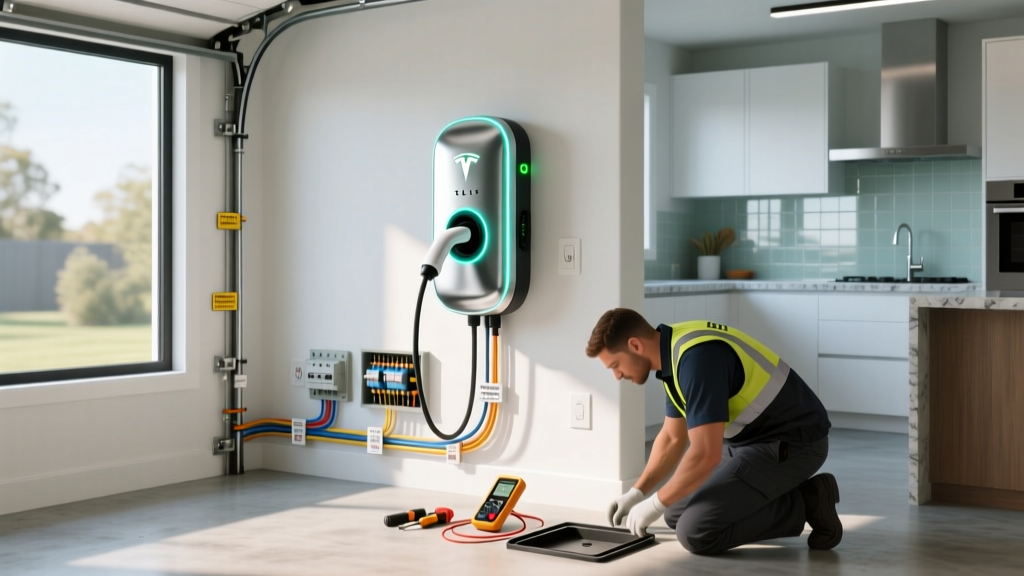
Vermont has a significant stock of older homes — many built before 1980 with 100-amp or even 60-amp electrical service. A 48-amp Level 2 charger draws roughly 11.5 kW continuously, which requires a dedicated 60-amp circuit (NEC code mandates circuits be rated at 125% of continuous load). If your panel is already near capacity running electric heat, a water heater, a dryer, and kitchen appliances, adding an EV charger will require a panel upgrade to 200-amp service.
A licensed Vermont electrician will perform a load calculation during the initial assessment. Signs you may need an upgrade include: a 100A or smaller main breaker, a Federal Pacific or Zinsco panel (known safety hazards that insurers flag), or fewer than four open breaker slots. Budget $1,500–$3,000 for the upgrade itself, plus additional labor time.
Choosing the Right Connector: NACS, CCS, or CHAdeMO?
The connector landscape has shifted dramatically since Tesla opened its Supercharger network and the North American Charging Standard (NACS) was adopted as the industry standard. Here's where things stand for 2026 model-year EVs:
| Connector | Brands Using It (2026 Models) | Home Charger Availability |
|---|---|---|
| NACS (J3400) | Tesla (all), Ford (2025+), GM (2025+), Rivian (2025+), Hyundai/Kia (2026+), most new models | Tesla Wall Connector, Lectron, Emporia — widely available |
| CCS1 (J1772 combo) | VW ID.4, older BMW i4/iX, older Hyundai Ioniq 5/6, legacy models | ChargePoint, Emporia, Enel X — widely available |
| CHAdeMO | Nissan Leaf (discontinued 2025), Mitsubishi Outlander PHEV (legacy) | Limited; adapters available |
| J1772 (Level 2 only) | All non-Tesla EVs for Level 2 (pre-2025) | Universal; every Level 2 charger includes J1772 |
Key advice for Vermont buyers: If you're purchasing a 2025 or 2026 model-year EV, it almost certainly uses NACS. If you own a 2022–2024 CCS-equipped vehicle, you can use a CCS-to-NACS adapter ($150–$250) for future-proofing, or simply buy a J1772/CCS-compatible Level 2 charger. For home Level 2 charging specifically, the physical connector matters less than it does for DC fast charging — most Level 2 chargers use J1772 or NACS, and adapters are inexpensive and reliable.
Top Level 2 Home Chargers for Vermont Homes (2026 Picks)
We've selected these chargers based on reliability, cold-weather performance (critical for Vermont winters), smart features, and value. All units listed are suitable for outdoor installation with proper NEMA 4 ratings.
Tesla Wall Connector (Gen 4)
- Power Output: Up to 11.5 kW (48A) on a 60A circuit
- Connector: NACS (J3400); J1772 adapter available
- Cable Length: 24 feet
- Smart Features: Wi-Fi, OTA updates, load sharing (pair two units on one circuit), Tesla app integration
- Outdoor Rating: NEMA 4 (suitable for Vermont winters)
- Price: ~$425
- Best For: Tesla owners and anyone with a NACS-equipped 2025+ EV
Emporia Vue Level 2 Charger
- Power Output: Up to 11.5 kW (48A) configurable
- Connector: J1772 (NACS adapter included in some bundles)
- Cable Length: 24 feet
- Smart Features: Wi-Fi, Emporia energy monitoring integration, scheduled charging, solar-aware charging
- Outdoor Rating: NEMA 4
- Price: ~$399
- Best For: Budget-conscious buyers who want energy monitoring and solar integration
ChargePoint Home Flex
- Power Output: Up to 12 kW (50A) configurable down to 16A
- Connector: J1772 (NACS adapter sold separately)
- Cable Length: 23 feet
- Smart Features: Wi-Fi, Alexa integration, detailed ChargePoint app with cost tracking, flexible amperage settings
- Outdoor Rating: NEMA 4
- Price: ~$549
- Best For: CCS-vehicle owners and those wanting maximum amperage flexibility
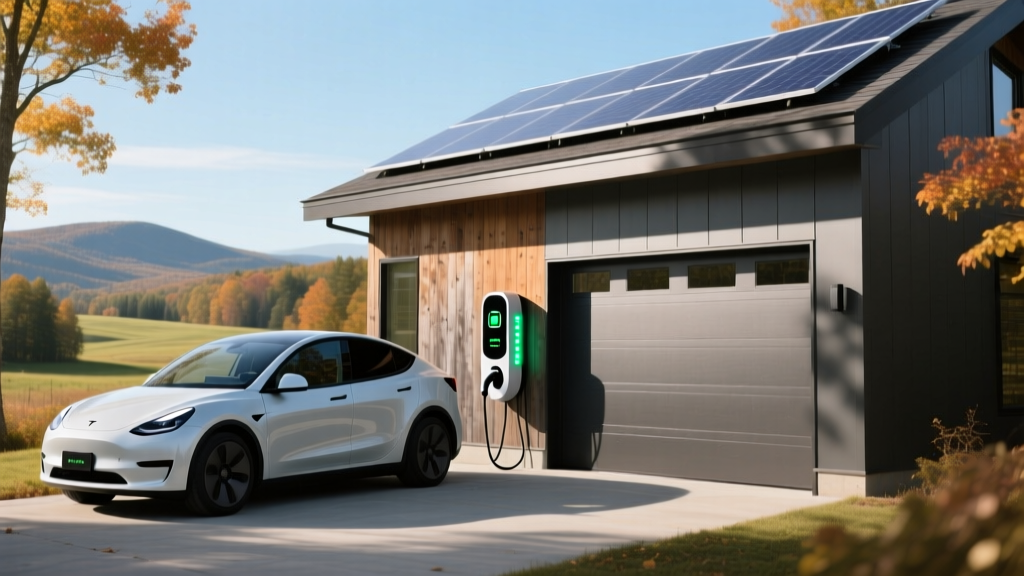
Vermont cold-weather tip: All three chargers above are rated for outdoor use down to -22°F (-30°C). However, cable stiffness increases significantly below 0°F. If your charger is wall-mounted in an unheated garage or on an exterior wall, consider a cable management hook that allows you to coil the cable out of the way and prevent it from lying in snow or ice.
How Much Does Home Charging Cost per Mile vs. Gasoline in Vermont?
This is where the advantages of home charging become concrete. Vermont's average residential electricity rate in 2026 is approximately $0.20/kWh, with TOU off-peak rates as low as $0.12–$0.15/kWh on participating utility plans.
| Scenario | Energy Cost | Vehicle Efficiency | Cost per Mile | Annual Cost (12,000 mi) |
|---|---|---|---|---|
| Home charging (standard rate) | $0.20/kWh | 3.5 mi/kWh (e.g., Ioniq 5, Model Y) | $0.057 | $686 |
| Home charging (TOU off-peak) | $0.14/kWh | 3.5 mi/kWh | $0.040 | $480 |
| Public Level 2 (ChargePoint/EVgo) | $0.28/kWh avg | 3.5 mi/kWh | $0.080 | $960 |
| DC Fast Charging (road trips) | $0.42/kWh avg | 3.5 mi/kWh | $0.120 | $1,440 |
| Gasoline vehicle (27 MPG combined) | $3.40/gallon | 27 MPG | $0.126 | $1,511 |
A Vermont EV owner charging primarily at home on a TOU plan saves roughly $1,000 per year compared to driving an equivalent gasoline vehicle — and that gap widens as gas prices rise. Over five years, that's $5,000 in fuel savings, which often exceeds the total cost of the charger and installation after rebates.
For context on charging times with common battery sizes, here's what to expect from a 48A (11.5 kW) Level 2 charger:
- Hyundai Ioniq 5 (84 kWh battery, 10–80%): ~5 hours (67 kWh ÷ 11.5 kW)
- Tesla Model Y Long Range (75 kWh battery, 10–80%): ~4.5 hours (52.5 kWh ÷ 11.5 kW)
- Ford F-150 Lightning Extended Range (131 kWh battery, 10–80%): ~8 hours (91.7 kWh ÷ 11.5 kW)
- Toyota RAV4 Prime PHEV (18.1 kWh battery, 0–100%): ~2.5 hours at 11.5 kW (or ~1.5 hours at its 6.6 kW onboard max)
Safety, Electrical Code, and Permitting in Vermont
Vermont follows the National Electrical Code (NEC) with state-specific amendments. Key requirements for home EV charger installations include:
- Dedicated circuit: Your Level 2 charger must be on its own dedicated breaker — no sharing with other appliances. A 48A charger requires a 60A breaker per NEC 210.20 (125% continuous load rule).
- GFCI protection: NEC 2020 and later require GFCI protection for all EV charging outlets (NEMA 14-50 or similar). Hardwired installations may have different requirements depending on the local inspector's interpretation — your electrician will know the current Vermont standard.
- Outdoor rating: If the charger is installed outside or in an unenclosed carport, it must carry a NEMA 4 (or higher) weather-resistance rating. All three chargers recommended above meet this standard.
- Permitting: Most Vermont municipalities require an electrical permit for EV charger installation, typically costing $50–$150. The work must be inspected by the local electrical inspector before the utility will approve any associated rebate.
- Utility notification: Some Vermont utilities (particularly GMP and BED) require you to notify them before installing a Level 2 charger, especially if you're enrolling in a managed-charging or TOU rate program. This is usually a simple online form.
Never attempt a DIY EV charger installation unless you are a licensed electrician. A 240V/60A circuit carries enough current to be lethal, and improper installation can void your homeowner's insurance in the event of an electrical fire.
Frequently Asked Questions
How much does it cost to install a home EV charger in Vermont?
A straightforward installation (panel nearby, no upgrade needed) typically costs $900–$2,050 before rebates, or as little as $100–$1,550 after the federal §30C credit and a utility rebate. Complex installations requiring a panel upgrade can range from $3,600–$8,000 before incentives.
How fast will each charging level add range?
Level 1 (120V) adds 3–5 miles per hour. Level 2 (240V, 48A) adds 30–40 miles per hour for most EVs. DC fast charging can add 150–300+ miles in 15–20 minutes at peak rates, though charging speed tapers significantly above 80% state of charge.
Which connector/charger is compatible with my EV?
2025–2026 model-year EVs from Tesla, Ford, GM, Rivian, Hyundai, and Kia use the NACS connector. Older CCS-equipped vehicles (2022–2024 VW, BMW, Hyundai) use CCS1/J1772. For Level 2 home charging, J1772 chargers work with all non-Tesla EVs, and NACS chargers work with Tesla and newer NACS-equipped models. Adapters bridge the gap for $100–$250.
How much does charging cost per mile vs. gas?
Home charging in Vermont on a TOU plan costs approximately $0.04 per mile. A comparable gasoline vehicle at 27 MPG and $3.40/gallon costs $0.126 per mile — roughly three times more. See the cost-per-mile table above for detailed scenarios.
What electrical upgrades might I need?
If your home has a 100A or smaller electrical panel, a Federal Pacific/Zinsco panel, or insufficient open breaker slots, you'll likely need a 200A panel upgrade costing $1,500–$3,000. Homes with existing 200A service and adequate spare capacity typically need no upgrade. A licensed electrician will perform a load calculation to determine this.
Do I qualify for the federal §30C charger tax credit?
The §30C credit covers 30% of equipment and installation costs up to $1,000, but your property must be in a qualifying census tract (non-urbanized or low-income). Many rural Vermont locations qualify. Check the IRS §30C page for the current mapping tool and consult a tax professional for your specific situation.
Can I charge my EV outdoors in Vermont winters?
Yes. All recommended chargers carry NEMA 4 ratings and operate down to -22°F. However, expect your EV's battery to charge more slowly when cold (the battery management system will warm the pack before accepting full charge rate), and your vehicle's range will decrease 20–35% in sustained sub-freezing temperatures. Preconditioning your EV while it's still plugged in helps recover some of this range.