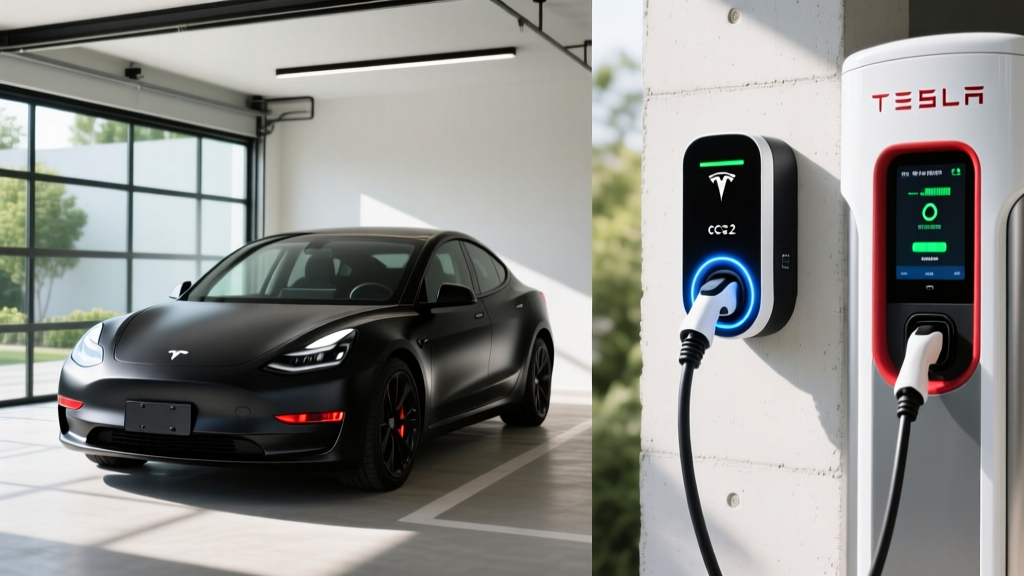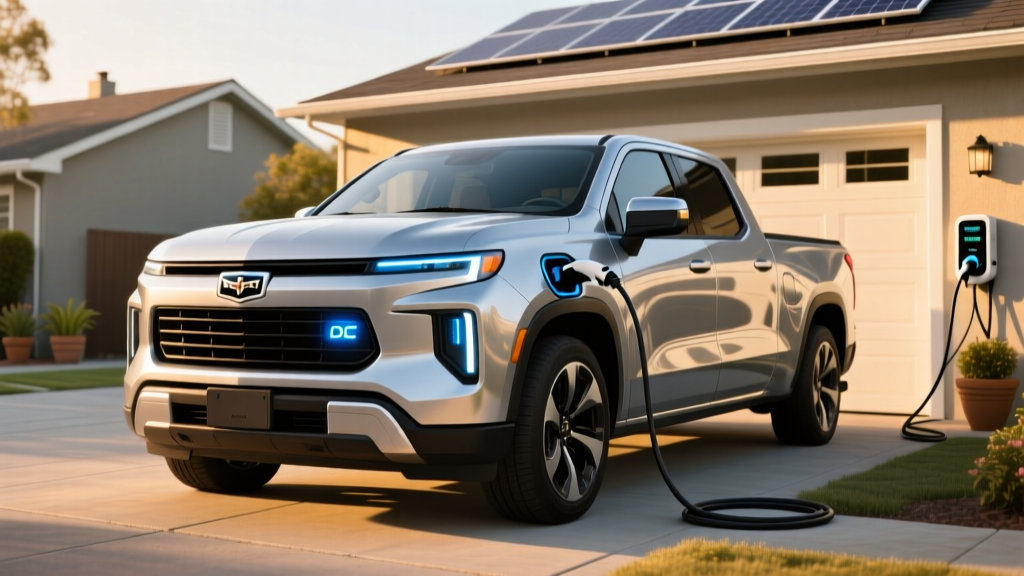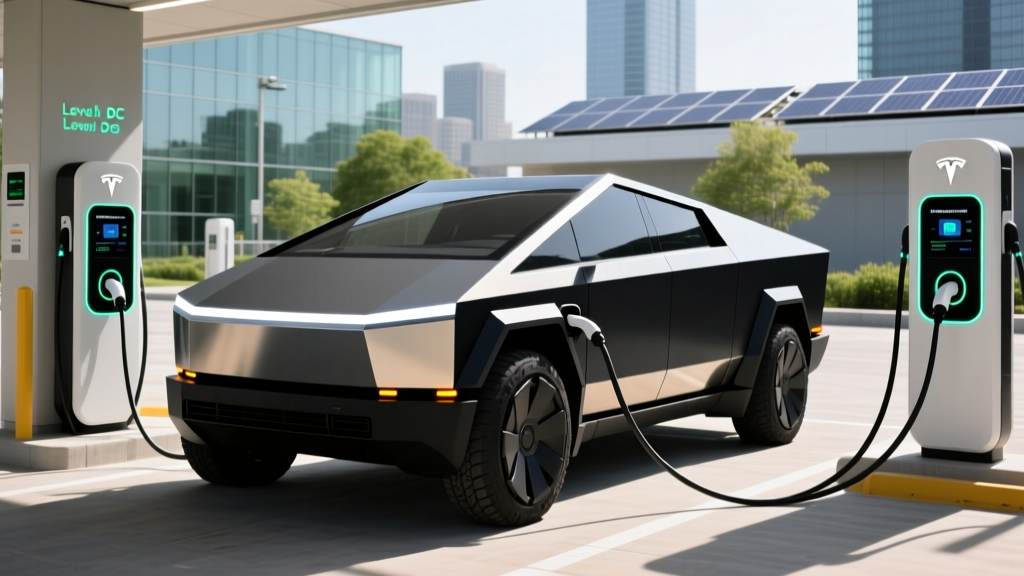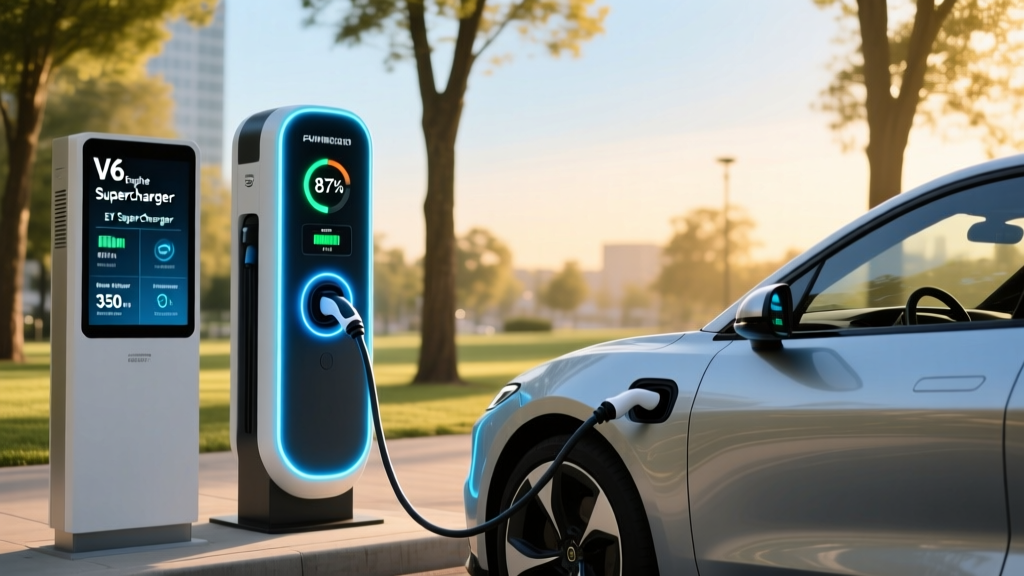
Supercharger: Two Completely Different Technologies Sharing One Name
If you've searched for "v6 engine supercharger" and landed on EV charging content, you're not alone. The word supercharger gets thrown around in two wildly different automotive contexts, and the confusion is costing buyers time and money. Let's clear it up immediately:
- V6 Engine Supercharger (Internal Combustion): A mechanically driven air compressor bolted to a gasoline engine's intake manifold. It forces denser air into the cylinders, boosting horsepower and torque. Common on vehicles like the Dodge Challenger 3.6L Pentastar (Eaton TVS), Jaguar F-Type 3.0L V6, and various aftermarket kits from Whipple and ProCharger. It has nothing to do with batteries or electricity.
- EV "Supercharger" (DC Fast Charging): Tesla's trademarked name for its DC fast-charging network, now colloquially used to describe any high-power DC fast charger. These stations deliver 150–350 kW of direct current to an electric vehicle's battery, adding 150–300+ miles of range in 15–30 minutes. No engine. No air compression. Pure electrical energy transfer.
This guide addresses both briefly, then focuses where our expertise lies: EV charging infrastructure — home installation, public networks, equipment, costs, and compatibility — so you know exactly what you're looking at and what you need.
The V6 Engine Supercharger: A Quick Mechanical Primer
A supercharger on a V6 engine is a positive-displacement or centrifugal compressor driven by a belt connected to the crankshaft. Unlike a turbocharger (which uses exhaust gas), a supercharger provides instant boost with zero lag. Typical output gains range from 30–50% over stock horsepower.
For example, the 2023–2024 Jaguar F-Type's 3.0L supercharged V6 produced 380 hp stock; aftermarket pulley upgrades could push that to 420+ hp. The Dodge 3.6L Pentastar V6 with an Eaton supercharger kit gained roughly 80–100 hp depending on tune.
Key distinction: A V6 supercharger increases engine power output. An EV Supercharger increases battery state of charge. They share a name but operate on entirely different physics. If you're shopping for a supercharger for a gasoline V6, you want Whipple, ProCharger, Edelbrock, or Magnuson — not Tesla, Electrify America, or ChargePoint.
EV Charging Levels Explained: kW, Speeds, and Real-World Range Added
Now let's get into EV charging — the domain where "supercharger" actually applies to electric vehicles. Understanding the three charging levels is non-negotiable for any EV owner. The critical literacy point: kW (kilowatts) measures power — the rate of energy delivery. kWh (kilowatt-hours) measures energy — the total capacity of your battery. Think of kW as water flow rate from a hose, and kWh as the total gallons in your bucket.
| Level | Voltage / Amperage | Power (kW) | Miles of Range Added Per Hour | Typical Use Case |
|---|---|---|---|---|
| Level 1 | 120V / 12A | ~1.4 kW | 3–5 mi/hr | Overnight trickle; PHEVs; emergency |
| Level 2 | 240V / 16A–80A | 3.8–19.2 kW | 14–70 mi/hr | Home daily charging; workplace; public AC |
| DC Fast (incl. "Supercharger") | 400V–900V DC | 50–350 kW | 150–300+ mi in 15–30 min | Road trips; rapid top-ups; Tesla Supercharger, EA, EVgo |
Real-world charging time examples (10% to 80% State of Charge):
- 75 kWh battery (e.g., Tesla Model Y Long Range): ~25 min at a 250 kW Tesla V4 Supercharger (peak); ~45 min at a 150 kW CCS station; ~8.5 hours on a 48A Level 2 home charger (70–75 mi/hr).
- 84 kWh battery (e.g., Hyundai Ioniq 5 Long Range): ~18 min at a 350 kW Electrify America station (800V architecture); ~35 min at 150 kW; ~9 hours on 40A Level 2.
- 100 kWh battery (e.g., Ford F-150 Lightning Extended Range): ~30 min at 150 kW DC; ~45 min at 100 kW; ~11 hours on 48A Level 2.
Charging curve reality check: No EV sustains its peak kW rate for the full session. A vehicle rated for "250 kW peak" may only hold that rate between 10–40% SoC, then taper to 150 kW, then 80 kW, then 30 kW above 80%. This is why manufacturers quote 10–80% times rather than 0–100%. Charging past 80% at a DC fast charger is painfully slow and generates excess heat — plan to unplug at 80% on road trips unless you absolutely need the final 20%.
Home EV Charger Installation: Electrical Requirements, Costs, and Panel Upgrades
Installing a Level 2 home charger is the single biggest quality-of-life upgrade an EV owner can make. Here's what it actually involves and costs in 2026.
Electrical Requirements
A Level 2 charger requires a dedicated 240V circuit, similar to an electric dryer or oven. Common configurations:
- 40A circuit / 32A continuous: Delivers 7.7 kW. Sufficient for most overnight charging. Uses a NEMA 14-50 outlet or hardwired connection.
- 50A circuit / 40A continuous: Delivers 9.6 kW. Ideal for larger batteries (80–100 kWh) or faster overnight fills.
- 60A circuit / 48A continuous: Delivers 11.5 kW. Best for high-capacity EVs like the F-150 Lightning or Rivian R1T. Requires 6 AWG copper wire.
- 80A circuit / 64A continuous: Delivers 15.4 kW. Premium setups (e.g., Tesla Wall Connector at max). Requires 4 AWG copper or 3 AWG aluminum.
National Electrical Code (NEC) rule: Continuous loads (like EV charging for 3+ hours) can only use 80% of the circuit's rated amperage. A 50A breaker supports 40A continuous. Never undersize the breaker.
Panel Upgrade: The Hidden Cost
Homes built before 2000 often have 100A or 125A main electrical panels. Adding a 50–60A EV circuit may exceed your panel's capacity, especially if you already run electric heat, a dryer, and an oven. A licensed electrician will perform a load calculation per NEC Article 220. If your panel is maxed out, you'll need:
- Panel upgrade to 200A: $2,500–$5,000 installed. This is the most common upgrade for older homes.
- Panel upgrade to 300A–400A: $4,000–$8,000. Needed for homes adding EV charging + heat pumps + solar simultaneously.
- Alternative — smart load management: Devices like the Span smart panel or dcbel can dynamically shed loads to avoid a panel upgrade, costing $1,500–$3,500 additional.
Permit and Inspection
Virtually every US jurisdiction requires an electrical permit for a new 240V circuit. Permit costs range from $50–$300 depending on your city/county. The inspection ensures proper wire gauge, breaker sizing, grounding, and GFCI protection. Skipping the permit risks insurance denial if a fire occurs.
Full Installation Cost Breakdown
| Component | Simple Install (Near Panel) | Complex Install (Far Run / Panel Upgrade) |
|---|---|---|
| EV Charger Equipment (Level 2) | $350–$650 | $450–$750 |
| Electrician Labor (2–6 hrs) | $300–$600 | $800–$2,000 |
| Wire, Conduit, Breaker, Materials | $100–$300 | $400–$1,200 |
| Electrical Permit | $50–$150 | $100–$300 |
| Panel Upgrade (if needed) | $0 | $2,500–$5,000 |
| Total | $800–$1,700 | $4,250–$9,250 |
Federal tax credit note: The Alternative Fuel Vehicle Refueling Property Credit (IRS Form 8911) covers up to 30% of home charging equipment and installation costs, capped at $1,000. However, eligibility depends on your census tract meeting specific low-income or non-urban criteria. Consult a tax professional — this credit is not universally available.
Connector Compatibility: NACS, CCS1, CHAdeMO, and Adapter Realities
The North American charging connector landscape consolidated significantly between 2023 and 2026. Here's where things stand:
| Connector | Brands Using It (2026 Models) | DC Fast Charge Availability | Adapter Needed? |
|---|---|---|---|
| NACS (Tesla / SAE J3400) | Tesla, Ford, GM, Rivian, Volvo, Polestar, Mercedes, BMW, Hyundai, Kia (2025+ models) | Tesla Supercharger network (20,000+ stalls); growing third-party NACS | CCS-to-NACS adapter for older CCS vehicles (~$200–$250) |
| CCS1 (Combined Charging System) | Legacy VW ID.4, older Hyundai/Kia, older BMW iX, Stellantis EVs (pre-2025) | Electrify America, EVgo, ChargePoint DC stations | NACS-to-CCS adapter if switching to Tesla network |
| CHAdeMO | Nissan Leaf (discontinued 2025), Mitsubishi Outlander PHEV (legacy) | Limited; most networks phased out CHAdeMO stalls | No mainstream adapter to NACS/CCS; declining infrastructure |
2026 reality: NACS is the dominant standard. Ford, GM, Rivian, and most major automakers now ship vehicles with native NACS ports. If you're buying a new EV in 2026, it almost certainly has NACS. CCS1 persists on 2022–2024 model-year used EVs and some carryover models. CHAdeMO is effectively dead for new vehicles.
For home Level 2 charging, all EVs use a J1772 connector (or NACS, which includes J1772 Level 2 signaling). Tesla ships a J1772-to-NACS adapter with every vehicle. Non-Tesla EVs with NACS ports accept J1772 Level 2 natively. Bottom line: any Level 2 home charger will work with any EV, either directly or with a small included adapter.
Cost to Charge: Home vs. Public vs. Gas — The Per-Mile Breakdown
One of the most powerful arguments for EV ownership is fuel cost savings — but only if you charge strategically. Here's the real math:
| Charging Scenario | Typical $/kWh | Cost Per Mile (at 3.5 mi/kWh efficiency) | Annual Cost (12,000 mi) |
|---|---|---|---|
| Home — Off-Peak TOU Rate | $0.08–$0.14 | $0.023–$0.040 | $275–$480 |
| Home — Standard Flat Rate | $0.13–$0.20 | $0.037–$0.057 | $445–$685 |
| Public Level 2 (ChargePoint, etc.) | $0.25–$0.49 | $0.071–$0.140 | $855–$1,680 |
| DC Fast Charging (EA, EVgo, Tesla non-Tesla) | $0.35–$0.65 | $0.100–$0.186 | $1,200–$2,230 |
| Tesla Supercharger (members) | $0.25–$0.40 | $0.071–$0.114 | $855–$1,370 |
| Gasoline Vehicle (25 MPG avg, $3.40/gal) | — | $0.136 | $1,632 |
The takeaway: Home charging on off-peak rates saves 70–80% vs. gasoline. Public DC fast charging is comparable to or slightly more expensive than gas per mile. If you can't charge at home, the economic case for an EV weakens significantly — a PHEV may be a better choice.
To find your local electricity rates and Time-of-Use (TOU) plans, check your utility's website or use the fueleconomy.gov calculator to estimate annual fuel costs for specific EV models in your ZIP code.
2026 Equipment Recommendations: Best Home Level 2 Chargers
After testing and tracking reliability data across dozens of units, these are our 2026 picks for home Level 2 chargers. Every recommendation includes exact power output, connector type, and cable length — because vague recommendations are useless.
Tesla Wall Connector (Gen 4)
- Power Output: Up to 11.5 kW (48A) on a 60A circuit
- Connector: NACS native; J1772 adapter included
- Cable Length: 24 ft
- Smart Features: Wi-Fi, OTA updates, load sharing (up to 6 units on one circuit), Tesla app integration, Powerwall integration
- Price: ~$475
- Best For: Tesla owners and NACS-equipped EVs; best value per kW
ChargePoint Home Flex (2nd Gen)
- Power Output: Up to 12 kW (50A) on a 60A circuit; adjustable 16A–50A via DIP switches
- Connector: J1772 (works with all EVs; NACS vehicles use included adapter)
- Cable Length: 23 ft
- Smart Features: Wi-Fi, ChargePoint app scheduling, Alexa integration, detailed energy reports, utility TOU integration
- Price: ~$550–$650
- Best For: Multi-EV households (mixed NACS/CCS); best app experience
Emporia Vue Level 2 Charger
- Power Output: Up to 11.5 kW (48A) on a 60A circuit
- Connector: J1772 (NACS adapter included)
- Cable Length: 24 ft
- Smart Features: Wi-Fi, Emporia app, integration with Emporia whole-home energy monitor, solar-aware scheduling, V2H-ready (with compatible hardware)
- Price: ~$400–$450
- Best For: Budget-conscious buyers with solar panels; best energy-monitoring integration
Grizzl-E Smart (United Chargers)
- Power Output: Up to 10 kW (40A) on a 50A circuit
- Connector: J1772 or NACS (choose at purchase)
- Cable Length: 24 ft
- Smart Features: Wi-Fi, OCPP protocol (future-proof for utility demand-response), app scheduling, adjustable amperage
- Price: ~$450–$550
- Best For: Outdoor installations (IP67 rated, -40°F to 122°F); Canadian-built durability
Safety, Code Compliance, and Installation Best Practices
EV charging involves sustained high-current draw — often 8+ hours at 32–48 amps. This is one of the most demanding continuous loads in a residential electrical system. Corners cut here can lead to melted outlets, tripped breakers, or fire.
- Dedicated circuit required: Your EV charger must have its own breaker — no sharing with other outlets or appliances.
- GFCI protection: NEC 2020 and later require GFCI protection for all 240V EV charging outlets (NEMA 14-50). Hardwired installations are exempt from the GFCI breaker requirement if the charger has built-in ground fault protection (most do). Note: some EVSE manufacturers recommend against GFCI breakers for hardwired units due to nuisance tripping — follow the manufacturer's installation guide.
- Outdoor rating: If mounting outside, ensure the charger is rated NEMA 4 or IP65/IP67. All our recommendations above meet outdoor ratings.
- NEMA 14-50 outlet quality: If using a plug-in setup, buy a commercial-grade outlet (Hubbell, Bryant, or Cooper) — not a $12 residential-grade outlet from a big-box store. Residential outlets are not rated for daily plug/unplug cycles at 40A and have been linked to melting incidents. Budget $35–$60 for a quality outlet.
- Wire gauge: 6 AWG copper for 50A circuits; 4 AWG copper for 60A circuits. Aluminum wire requires one size larger. Your electrician will pull the correct gauge per NEC Table 310.16.
- Surge protection: Consider a whole-home surge protector ($200–$400 installed) to protect your EV charger and vehicle from lightning and grid transients, especially in storm-prone regions.
Frequently Asked Questions
How much does it cost to install a home EV charger?
A straightforward Level 2 installation (panel has capacity, short wire run, garage mounting) costs $800–$1,700 total, including the charger, electrician labor, materials, and permit. If your home needs a 200A panel upgrade, expect $4,250–$9,250 all-in. Always get 2–3 quotes from licensed electricians and verify they have EV charger installation experience.
How fast will each charging level add range?
Level 1 (120V) adds 3–5 miles per hour — fine for PHEVs with 20–40 mile batteries but impractical for full BEVs. Level 2 (240V, 40A–48A) adds 25–45 miles per hour, easily refilling 200+ miles overnight. DC Fast Charging (150–350 kW) adds 150–300+ miles in 15–30 minutes at a public station. See our charging levels table above for exact figures.
Which connector/charger is compatible with my EV?
For 2026 model-year vehicles: if your EV has a NACS port (Tesla, Ford, GM, Rivian, Hyundai, Kia 2025+, Volvo, BMW, Mercedes), you can use Tesla Superchargers directly and home Level 2 chargers with a J1772-to-NACS adapter (usually included with the car). If your EV has a CCS1 port (older VW, Hyundai, Kia, BMW), you can use Electrify America and most non-Tesla DC networks directly, and you'll need a CCS-to-NACS adapter (~$200–$250) for Tesla Superchargers. For home Level 2, any J1772 or NACS charger works with any EV via adapters.
How much does charging cost per mile vs. gas?
Home charging on off-peak rates costs $0.02–$0.04 per mile — roughly 75% less than gasoline at $3.40/gallon and 25 MPG ($0.136/mile). Public DC fast charging costs $0.10–$0.19 per mile, which is comparable to or slightly more than gas. The economic advantage of an EV depends heavily on home charging access. See our cost comparison table above for detailed scenarios.
What electrical upgrades might I need?
The most common upgrade is a 200A panel replacement ($2,500–$5,000) for homes with 100A or 125A service. Homes with existing 200A panels usually have enough headroom for a 40A–60A EV circuit. Other potential upgrades: replacing a Federal Pacific or Zinsco panel (known fire hazards — mandatory replacement), adding a sub-panel in a detached garage ($800–$2,000), or trenching conduit for a long underground wire run ($15–$30 per linear foot). A licensed electrician's load calculation will determine exactly what you need.
Is a V6 engine supercharger the same as a Tesla Supercharger?
No. A V6 engine supercharger is a mechanical air compressor that increases a gasoline engine's horsepower. A Tesla Supercharger is a DC fast-charging station that delivers electricity to an EV battery. They share the word "supercharger" but are completely different technologies with different purposes, manufacturers, and installation requirements.