Why Wawa Tesla Superchargers Are a Road-Trip Staple
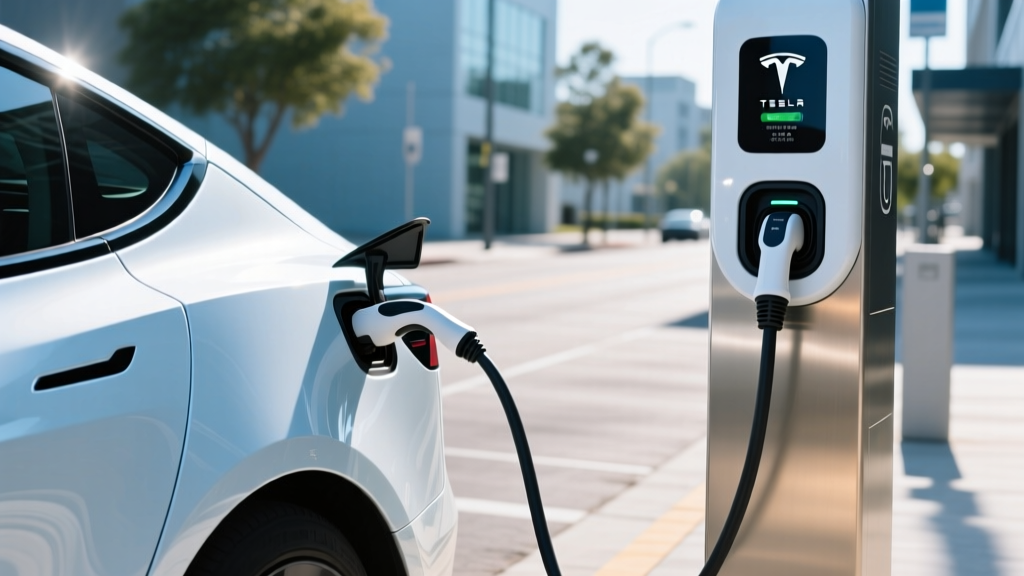
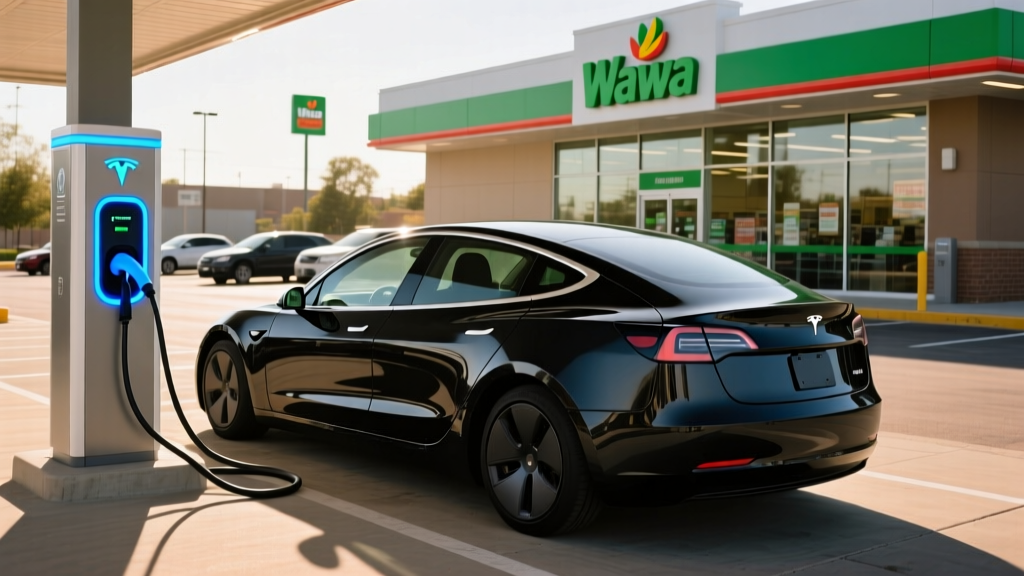
If you've planned any EV road trip along the East Coast, you've likely seen the pattern: Tesla Superchargers co-located with Wawa convenience stores. From Pennsylvania to Florida, these pairings have become some of the most reliable DC fast-charging stops in the country — clean restrooms, fresh coffee, made-to-order sandwiches, and 150–250 kW V3/V4 Supercharger stalls right in the parking lot.
As of early 2026, Tesla has opened its Supercharger network to non-Tesla EVs via the built-in Magic Dock (a NACS connector adapter built into select stalls) or through third-party NACS-to-CCS adapters. That means whether you drive a Model Y, a Ford F-150 Lightning, a Hyundai Ioniq 5, or a Rivian R1T, a Wawa Supercharger stop is increasingly viable for your route.
This guide covers what to expect at these locations — and, more importantly, how to set up a faster, cheaper charging routine at home so you only rely on public DC fast charging when you actually need it.
Charging Levels Explained: Speeds, kW, and Miles Per Hour
The single most important distinction in EV charging is between kW (kilowatts) and kWh (kilowatt-hours). Think of kW as the flow rate of a hose — how fast energy moves into your battery. Think of kWh as the bucket size — how much total energy your battery holds. A 75 kWh battery charged at 11.5 kW takes roughly 6.5 hours from empty; that same battery at a 150 kW DC fast charger can reach 80% in about 25 minutes.
| Level | Voltage | Power (kW) | Miles of Range Added Per Hour | Typical Use Case |
|---|---|---|---|---|
| Level 1 (120V) | 120V AC | 1.0–1.4 kW | 3–5 mi/hr | Overnight trickle; PHEVs; emergency backup |
| Level 2 (240V) | 240V AC | 3.3–19.2 kW | 12–75 mi/hr | Home daily charging; workplace; hotels |
| DC Fast Charging | 400–800V DC | 50–350 kW | 150–1,200+ mi/hr (peak) | Road trips; Tesla Superchargers; Electrify America |
Most EV owners do 85–95% of their charging at home on Level 2. DC fast charging — like the V3 Superchargers you'll find at Wawa locations — is designed for road trips and quick top-ups, not daily use. Frequent DC fast charging accelerates battery degradation slightly, though modern thermal management systems have minimized this effect.
- Tesla Model Y (75 kWh battery, NACS): ~25 minutes at a V3 Supercharger (250 kW peak), tapering above 60% SoC
- Hyundai Ioniq 5 (77.4 kWh, 800V architecture, CCS/NACS): ~18 minutes at a 350 kW charger; ~28 minutes at 150 kW
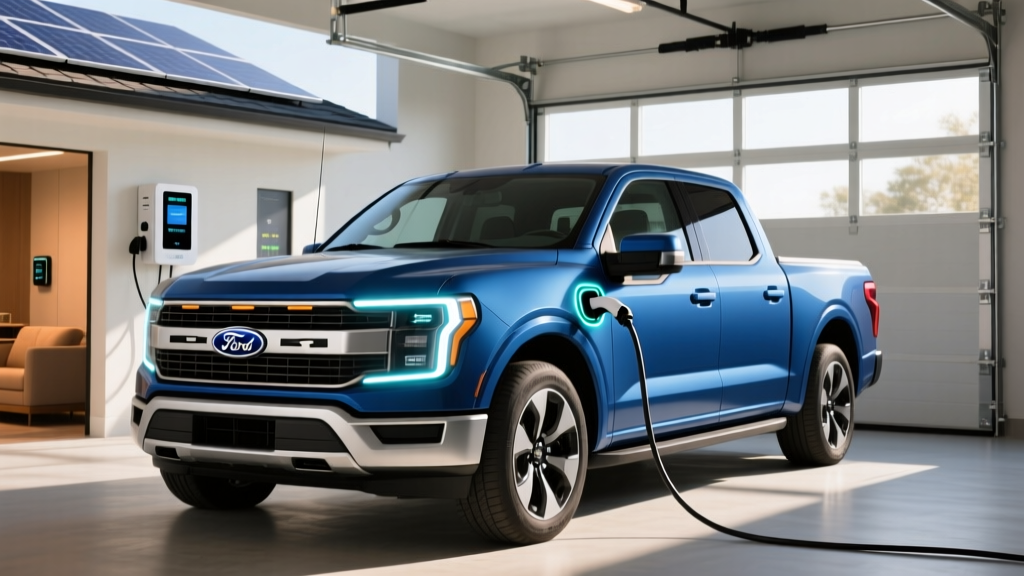
- Ford F-150 Lightning (131 kWh extended range): ~41 minutes at 150 kW; ~30 minutes at a 350 kW station
- Chevrolet Equinox EV (85 kWh): ~30 minutes at 150 kW DC fast charger
Note: Peak kW is not sustained kW. Every EV's charge curve tapers significantly above 80% SoC to protect battery health. Plan your stops around 10–80%, not 0–100%.
Tesla Supercharger at Wawa: What to Expect in 2026
Wawa Supercharger locations typically feature 4–12 V3 stalls rated at up to 250 kW, with newer sites beginning to include V4 hardware. Pricing varies by location and time of day but generally falls between $0.28–$0.48 per kWh in 2026, with idle fees of $0.50–$1.00 per minute if you remain plugged in after charging completes.
For non-Tesla EVs, access depends on the site. Tesla has been retrofitting Supercharger stalls with the Magic Dock — a built-in CCS adapter — at select locations. You can check Magic Dock availability in the Tesla app before you drive. Alternatively, non-Tesla owners with NACS-equipped vehicles (Ford, GM, Rivian, and others that switched to NACS starting in 2025) can plug directly in.
Cost Reality: Supercharger vs. Home Charging
At $0.38/kWh (a typical Wawa Supercharger rate), fully charging a Tesla Model Y Long Range (75 kWh usable) from 10–80% costs roughly $19.95. That same charge at home on a Level 2 charger at the national average residential rate of $0.16/kWh costs $8.40. Over a year of 12,000 miles, exclusive Supercharger use could cost $1,200–$1,800, while home charging averages $400–$600.
Home Level 2 Charger Installation: Costs, Electrical Requirements, and Gotchas
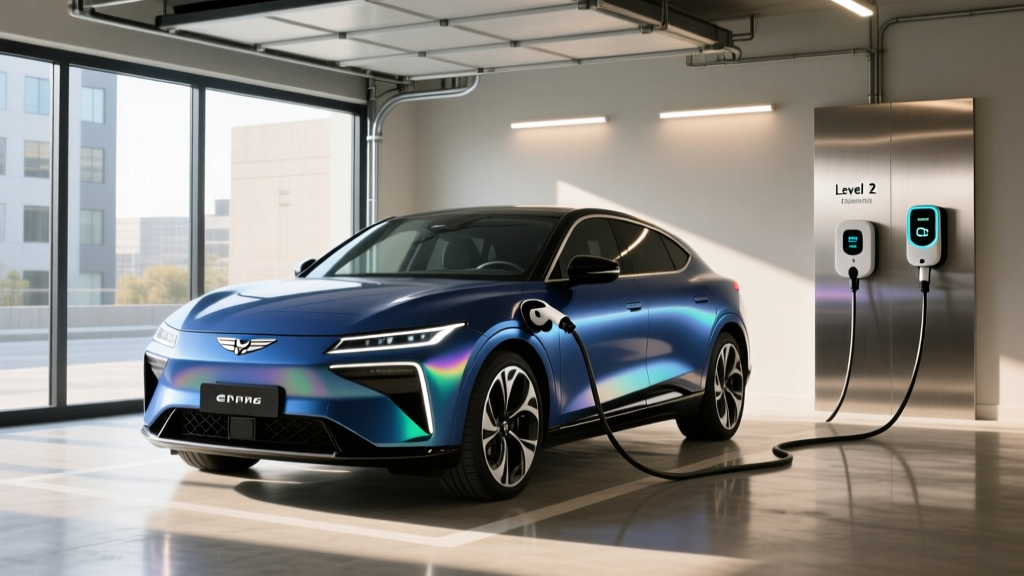
Installing a Level 2 home charger is the single highest-impact upgrade an EV owner can make. Here's what's involved.
Electrical Requirements
A standard Level 2 home charger runs on a 240V dedicated circuit, typically 40A to 60A. The most common setup is a NEMA 14-50 outlet on a 50A breaker (which delivers up to 40A continuous to the vehicle, per the 80% NEC continuous-load rule). Higher-amperage hardwired units (48A or 64A) require a 60A or 80A breaker, respectively.
Your home's electrical panel must have sufficient capacity. Most modern homes with a 200A service panel can accommodate a 50A EV circuit without upgrades. Older homes with 100A or 150A panels may need a panel upgrade to 200A — or, alternatively, a smart load-management system like the Emporia V2 with load shedding, which dynamically reduces charger amperage when other appliances draw heavy current.
| Component | Typical Cost Range | Notes |
|---|---|---|
| Level 2 Charger (Equipment) | $350–$750 | Varies by brand, power output, smart features |
| Electrician Labor (standard install) | $500–$1,500 | Depends on run length from panel to garage/carport |
| NEMA 14-50 Outlet + Wiring | $200–$600 | 6 AWG copper wire for 50A; longer runs cost more |
| Electrical Permit | $50–$200 | Required in most jurisdictions; varies by municipality |
| Panel Upgrade (if needed) | $1,500–$3,500 | 100A→200A upgrade; not needed in most modern homes |
| Total (no panel upgrade) | $1,100–$3,050 | Most homeowners land in the $1,500–$2,200 range |
| Total (with panel upgrade) | $2,600–$6,550 | Older homes; includes full service upgrade |
Always hire a licensed electrician and pull a permit. Unpermitted EV charger installations can void home insurance claims and create fire risk. The NEC requires a GFCI breaker for outdoor outlets and recommends dedicated circuits — never share an EV charger circuit with other appliances.
Federal Tax Credit for Home Charging Equipment
The IRS §30C Alternative Fuel Vehicle Refueling Property Credit covers 30% of home charging equipment and installation costs, up to $1,000. Eligibility depends on your census tract meeting certain low-income or non-urban criteria. Check the IRS.gov eligibility tool or consult a tax professional, as qualifying tracts are updated periodically.
Connector Compatibility: NACS, CCS1, CHAdeMO, and Adapters
The North American charging landscape consolidated significantly between 2023 and 2026. The NACS (North American Charging Standard), originally Tesla's proprietary connector, is now the dominant plug for new EVs. Ford, GM, Rivian, Volvo, Polestar, Mercedes-Benz, and others adopted NACS starting with 2025 model-year vehicles.
| Connector | Brands Using It (2026) | Tesla Supercharger Access? | Adapter Needed? |
|---|---|---|---|
| NACS (Tesla) | Tesla, Ford, GM, Rivian, Volvo, Polestar, Mercedes, Nissan (new Ariya refresh) | Yes — direct plug-in | None |
| CCS1 | Hyundai, Kia, Volkswagen, BMW, remaining legacy models | Yes — at Magic Dock-equipped stalls only | Magic Dock (built into stall) or third-party NACS-to-CCS adapter (~$200–$350) |
| CHAdeMO | Nissan Leaf (discontinued), Mitsubishi Outlander PHEV (legacy) | No | CHAdeMO-to-CCS adapters exist but are rare and expensive (~$400+) |
If you drive a CCS-equipped EV and want Supercharger access, your best option is a NACS-to-CCS adapter from a reputable manufacturer. Tesla also sells a CCS adapter for older Model S/X vehicles. Confirm adapter compatibility with your specific model year before purchasing — firmware updates from your automaker can affect adapter handshake protocols.
Cost to Charge: Per-Mile Breakdown vs. Gasoline
One of the strongest ownership arguments for an EV is cost-per-mile. Here's how it breaks down across charging scenarios compared to a gasoline baseline.
| Scenario | Rate | Vehicle Efficiency | Cost Per Mile |
|---|---|---|---|
| Home Level 2 (national avg. electricity) | $0.16/kWh | 3.5 mi/kWh (typical EV) | $0.046 |
| Home Level 2 (off-peak time-of-use rate) | $0.09/kWh | 3.5 mi/kWh | $0.026 |
| Tesla Supercharger (typical Wawa rate) | $0.38/kWh | 3.5 mi/kWh | $0.109 |
| Electrify America / EVgo DC Fast | $0.43–$0.56/kWh | 3.5 mi/kWh | $0.123–$0.160 |
| Gas Vehicle (30 MPG combined) | $3.30/gallon | 30 MPG | $0.110 |
| Gas Vehicle (22 MPG, truck/SUV) | $3.30/gallon | 22 MPG | $0.150 |
Even at public DC fast-charger prices, most EVs match or beat a 30 MPG gas car on cost per mile. At home on off-peak rates, an EV costs roughly one-fifth to one-quarter as much per mile as a gasoline vehicle. According to fueleconomy.gov, the average EV driver who charges primarily at home saves $800–$1,200 annually on fuel compared to a 25 MPG gas car.
Best Home Level 2 Chargers for 2026: Equipment Picks
Not all Level 2 chargers are equal. Here are four proven units that cover different budgets and needs. All support the NACS connector standard or offer CCS compatibility.
Tesla Wall Connector (Gen 4)
- Power: Up to 11.5 kW (48A on 60A circuit)
- Connector: NACS (native); J1772 adapter included
- Cable Length: 24 ft
- Smart Features: Wi-Fi, OTA updates, load sharing between two units, Tesla app integration
- Price: ~$475
- Best For: Tesla owners; cleanest integration with Tesla vehicles and Powerwall
ChargePoint Home Flex
- Power: Up to 12 kW (50A on 60A circuit); configurable from 16A–50A
- Connector: NACS or J1772 (select at purchase)
- Cable Length: 23 ft
- Smart Features: Wi-Fi, Alexa integration, scheduling, detailed energy tracking in app
- Price: ~$549–$599
- Best For: Non-Tesla EVs; flexible amperage for homes with limited panel capacity
Emporia V2 Level 2 Charger
- Power: Up to 11.5 kW (48A)
- Connector: NACS or J1772
- Cable Length: 24 ft
- Smart Features: Built-in load management (pairs with Emporia Vue panel monitor), solar-aware scheduling, energy dashboards
- Price: ~$399
- Best For: Homes with solar panels or tight electrical panels needing smart load shedding
Grizzl-E Smart
- Power: Up to 10 kW (40A on 50A circuit)
- Connector: NACS or J1772
- Cable Length: 24 ft
- Smart Features: Wi-Fi, OCPP-compatible, adjustable amperage via dip switch
- Price: ~$449
- Best For: Outdoor installs (IP67-rated, -40°F to 122°F operating range); Canadian-built durability
Safety, Electrical Code, and Outdoor Installation Rules
EV charging involves sustained high-current draw — more like running an electric oven for 8 hours than plugging in a phone. Safety requirements are non-negotiable:
- Dedicated circuit: Your EV charger must have its own breaker — never share with a dryer, HVAC, or kitchen circuit.
- GFCI protection: Required for all outdoor receptacles per NEC 2023/2026 code. Hardwired chargers may not require a GFCI breaker depending on jurisdiction, but consult your electrician.
- Wire gauge: 6 AWG copper for 50A circuits; 4 AWG for 60A. Aluminum wire is cheaper but requires a larger gauge and proper termination.
- Outdoor rating: If mounting outdoors, choose a charger rated at least IP55 (weather-resistant). The Grizzl-E Smart (IP67) excels here.
- Cable management: Use a holster or retractable reel to keep cables off the ground and prevent trip hazards and connector damage.
- Permit and inspection: Most municipalities require an electrical permit and post-installation inspection. This protects your insurance coverage and ensures code compliance.
Frequently Asked Questions
How much does it cost to install a home EV charger?
A typical Level 2 home charger installation runs $1,100–$3,050 when no panel upgrade is needed, covering equipment ($350–$750), electrician labor ($500–$1,500), outlet and wiring ($200–$600), and a permit ($50–$200). If your home has an older 100A or 150A panel, a 200A service upgrade adds $1,500–$3,500, pushing the total to $2,600–$6,550. Always get 2–3 quotes from licensed electricians.
How fast will each charging level add range?
Level 1 (120V) adds 3–5 miles per hour — adequate for PHEVs with small batteries but painfully slow for full EVs. Level 2 (240V) adds 12–75 miles per hour depending on amperage and the vehicle's onboard charger capacity. DC fast charging adds 150–1,200+ miles per hour at peak rate, though sustained speed depends on the battery's charge curve, temperature, and state of charge.
Which connector is compatible with my EV?
For 2026 model-year vehicles: Tesla, Ford, GM, Rivian, Volvo, and Polestar use NACS. Hyundai, Kia, VW, and BMW still primarily use CCS1. Check your vehicle's charge port or owner's manual. For Tesla Supercharger access with a CCS vehicle, look for stalls with the Magic Dock adapter or purchase a NACS-to-CCS adapter. CHAdeMO is effectively legacy — only older Nissan Leaf and Mitsubishi Outlander PHEV models still use it.
How much does charging cost per mile compared to gas?
Home charging on a standard residential rate ($0.16/kWh) costs about $0.04–$0.05 per mile for a typical EV. Off-peak rates can drop this to $0.02–$0.03/mile. Public DC fast charging at $0.38–$0.56/kWh runs $0.11–$0.16/mile. A comparable gas vehicle at 25–30 MPG and $3.30/gallon costs $0.11–$0.15 per mile. Home charging is consistently the cheapest option by a wide margin.
What electrical upgrades might I need for a home charger?
If your home has a 200A service panel with available breaker slots, you likely need no upgrade — just a new 50A or 60A breaker and a wire run to your garage or carport. If your panel is 100A or 150A, or is already near capacity, you may need a panel upgrade to 200A ($1,500–$3,500) or a smart load-management system ($200–$500 additional) that dynamically shares power between the charger and other circuits. An electrician's load calculation will determine which path is required.
Can I charge a non-Tesla EV at a Wawa Supercharger?
Yes, if the location has Tesla's Magic Dock built into the stall (check via the Tesla app) or if your vehicle is equipped with a NACS charge port. Ford, GM, Rivian, and other NACS-adopting brands can plug directly into Superchargers as of 2025–2026. CCS vehicles without a Magic Dock stall will need a third-party NACS-to-CCS adapter. Pricing is the same as for Tesla vehicles, though non-Tesla rates may include a small per-session fee at some locations.