If you've watched a Tesla's battery percentage climb on a road trip, you've probably wondered: how fast does a Tesla Supercharger charge, really? The marketing says "up to 200 miles in 15 minutes," but real-world charging involves thermal management, state-of-charge tapering, and battery chemistry that make the actual experience more nuanced. This guide breaks down every Supercharger generation, compares them to home and public alternatives, and gives you the exact numbers you need to plan trips and budget for electricity.
Tesla Supercharger Generations: V2, V3, and V4 Speeds Explained
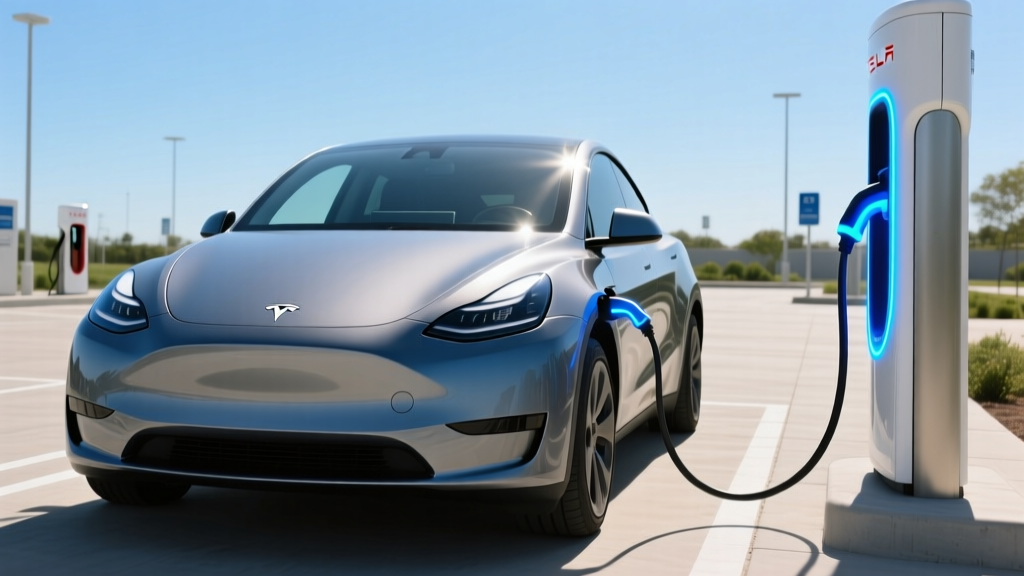
Tesla operates three active Supercharger generations on North American roads as of 2026. The difference between them is substantial — not just in peak power (measured in kilowatts, or kW), but in how long they sustain that power during a charging session.
| Generation | Peak Power | Connector | Typical 10-80% Time* | Cable Length |
|---|---|---|---|---|
| V2 (Legacy) | 150 kW | NACS (native) | 30–40 min | ~8 ft |
| V3 | 250 kW | NACS (native) | 18–28 min | ~9.8 ft |
| V4 | 350 kW (cabinet-rated) | NACS + CCS adapter | 15–22 min | ~11.5 ft |
*Times vary by vehicle model, battery size, ambient temperature, and starting state of charge. A Model 3 Long Range (75 kWh usable, NMC chemistry) on a V3 stall will hit 10-80% in roughly 25 minutes under ideal conditions. A Model Y with the same pack does it in about 27 minutes due to slightly higher consumption.
The critical detail most drivers miss: peak kW is not sustained kW. A V3 Supercharger peaks at 250 kW only when the battery is between roughly 10-30% state of charge (SoC) and properly preconditioned. Above 50% SoC, the charge rate tapers significantly — often dropping to 60-80 kW by the time you reach 70%. This is why the 10-80% metric matters more than peak power claims.
Charging Levels Compared: How Much Range Does Each Add?
Whether you're charging at home, at a mall, or on a highway, understanding the three charging levels is essential. Power is measured in kW (how fast energy flows); energy is measured in kWh (the total amount stored in your battery). Confusing these is the most common EV literacy mistake — think of kW as the speed of water flowing through a hose, and kWh as the total volume in the bucket.
| Level | Voltage / Amperage | Power (kW) | Miles of Range Per Hour | Best For |
|---|---|---|---|---|
| Level 1 | 120V / 12A | ~1.4 kW | 3–5 mi/hr | Overnight top-up, PHEVs |
| Level 2 (Home/Public) | 240V / 32-48A | 7.7–11.5 kW | 25–44 mi/hr | Daily home charging |
| DC Fast Charging | 400-800V DC | 50–350 kW | 150–1,000+ mi/hr (peak) | Road trips, quick stops |
For context, a Tesla Model 3 consumes roughly 25 kWh per 100 miles (EPA combined). At a Level 2 home charger delivering 11.5 kW (48A on a 240V circuit), you'll add about 44 miles of range per hour of charging — enough to fully replenish a 75 kWh battery overnight in about 7-8 hours.
Home Charger Installation: Electrical Requirements, Costs, and Gotchas
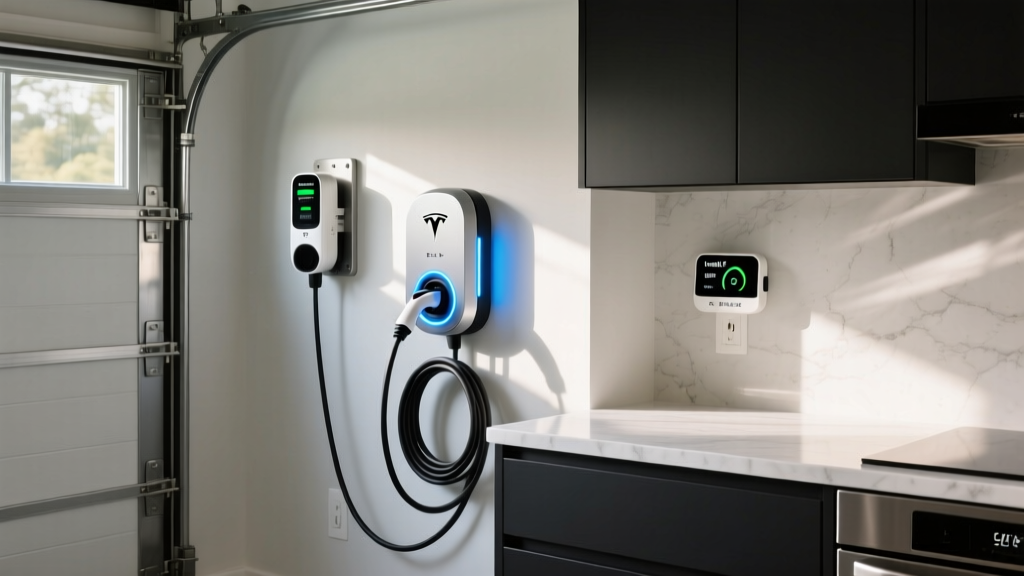
Installing a Level 2 home charger is the single biggest quality-of-life upgrade for EV ownership, but the cost varies enormously depending on your home's electrical panel, the distance from panel to charger location, and local permit requirements.
Electrical Requirements
A typical Level 2 home charger requires a dedicated 240V circuit. The most common configurations:
- NEMA 14-50 outlet: 240V / 50A circuit, delivering up to 40A continuous (9.6 kW). This is the most versatile option — you can plug in a mobile connector or a wall-mounted unit.
- Hardwired 60A circuit: Delivers up to 48A continuous (11.5 kW). Required for higher-power wall connectors and eliminates the need for a GFCI breaker (which the charger's internal GFCI covers).
- NEMA 6-50 outlet: 240V / 50A, common in older homes with electric dryers. Can share capacity if the dryer circuit is upgraded.
Installation Cost Breakdown
| Component | Simple Install (panel nearby) | Moderate Install (50-80 ft run) | Complex Install (panel upgrade needed) |
|---|---|---|---|
| Charger Equipment | $200–$500 | $400–$600 | $400–$600 |
| Electrician Labor | $300–$600 | $600–$1,500 | $1,500–$3,000 |
| Electrical Permit | $50–$150 | $50–$200 | $100–$300 |
| Panel Upgrade (if needed) | — | — | $1,500–$4,000 |
| Total Estimated Cost | $550–$1,250 | $1,050–$2,300 | $3,500–$7,900 |
Safety and Code Considerations
- Dedicated circuit: NEC requires EV chargers to have their own dedicated circuit — no sharing with other appliances.
- GFCI protection: If using a receptacle (NEMA 14-50), the 2023 NEC update requires a GFCI breaker. Hardwired installations rely on the charger's internal ground-fault protection.
- Outdoor rating: For garage-exterior installs, ensure the charger carries a NEMA 4 or NEMA 4X rating for weather resistance.
- Permit required: Nearly all jurisdictions require an electrical permit for EV charger installation. Unpermitted work can void home insurance claims and cause issues at resale.
Connector Compatibility: NACS, CCS1, CHAdeMO, and Adapters
The North American charging connector landscape consolidated significantly in 2024-2025 when most automakers adopted Tesla's North American Charging Standard (NACS). Here's where things stand in 2026:
| Connector | Native Vehicles | DC Fast Network Access | Adapter Availability |
|---|---|---|---|
| NACS (Tesla) | Tesla (all), Ford, GM, Rivian, Volvo, Polestar, Fisker, Mercedes (2025+) | Tesla Supercharger, Electrify America (select), EVgo, ChargePoint | CCS-to-NACS adapters ($150-$250) for legacy CCS vehicles |
| CCS1 | Hyundai, Kia, VW, BMW, Audi (pre-2025), legacy models | Electrify America, EVgo, ChargePoint, Ionity (EU) | NACS-to-CCS adapters available; Tesla Magic Dock at select Superchargers |
| CHAdeMO | Nissan Leaf (legacy), Mitsubishi Outlander PHEV | Limited and declining network | No practical adapter to NACS/CCS for DC fast charging |
If you own a Tesla, you have native NACS and access to the Tesla Supercharger network — widely regarded as the most reliable DC fast-charging network in North America, with over 30,000 stalls. Non-Tesla EVs with CCS1 can access select Supercharger stations equipped with Tesla's Magic Dock (a built-in CCS adapter), though availability remains limited to specific locations.
Charging Cost: Per-Mile Comparison vs. Gasoline
The economics of EV charging depend heavily on where and when you charge. Here are realistic 2026 cost scenarios for a Tesla Model 3 Long Range (25 kWh/100 mi EPA combined):
| Scenario | Rate ($/kWh) | Cost per 100 Miles | Cost per Mile |
|---|---|---|---|
| Home, off-peak (utility time-of-use) | $0.08–$0.12 | $2.00–$3.00 | $0.02–$0.03 |
| Home, standard rate (national avg) | $0.16–$0.18 | $4.00–$4.50 | $0.04–$0.045 |
| Tesla Supercharger (avg US) | $0.28–$0.36 | $7.00–$9.00 | $0.07–$0.09 |
| Electrify America / EVgo (DC fast) | $0.35–$0.48 | $8.75–$12.00 | $0.088–$0.12 |
| Gasoline equivalent (30 MPG, $3.40/gal) | — | $11.33 | $0.113 |
Home charging on an off-peak rate is roughly 75-80% cheaper per mile than gasoline. Even exclusive Supercharger use undercuts gas on a cost-per-mile basis in most states. The EPA's fueleconomy.gov tool lets you calculate exact MPGe and annual fuel cost for any EV model based on your local electricity rates.
Recommended Home Charging Equipment for 2026
Not all Level 2 chargers are created equal. Here are three proven units across different budgets, all compatible with NACS-equipped vehicles:
Tesla Wall Connector
- Power: 11.5 kW (48A, hardwired) or 9.6 kW (NEMA 14-50)
- Connector: Native NACS
- Cable: 24 ft
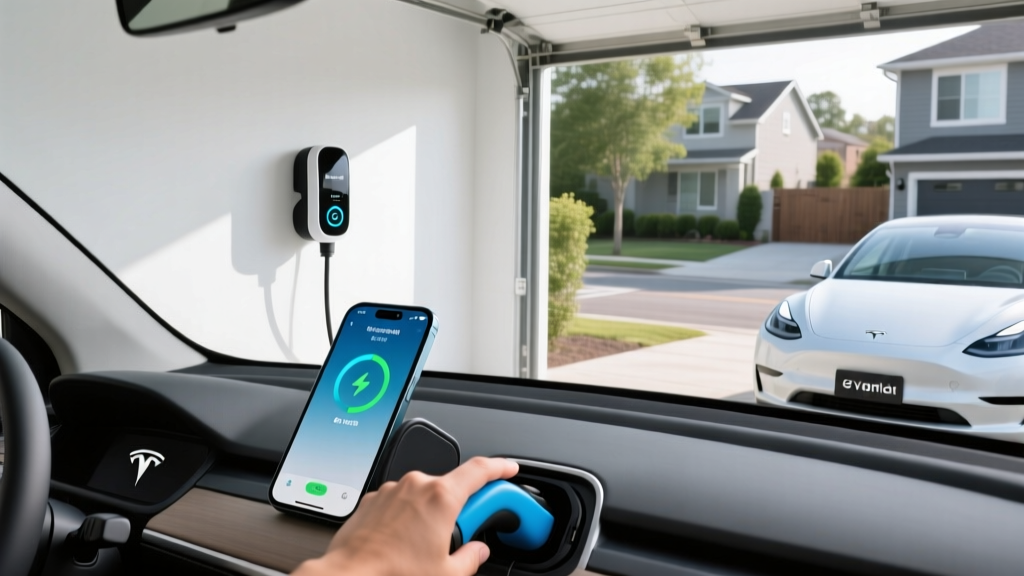
- Smart features: Wi-Fi, OTA updates, power sharing between two units, load management
- Price: ~$475
Best for Tesla owners who want seamless integration and the longest cable in class.
ChargePoint Home Flex
- Power: Up to 12 kW (50A, hardwired) or configurable down to 16A
- Connector: NACS or J1772 (select at purchase)
- Cable: 23 ft
- Smart features: Wi-Fi, Alexa/Google Home, scheduling, energy tracking, amperage dial
- Price: ~$550–$650
Best for multi-EV households or those wanting adjustable amperage to match panel capacity.
Emporia Level 2 Charger
- Power: Up to 11.5 kW (48A, hardwired)
- Connector: NACS or J1772
- Cable: 24 ft
- Smart features: Wi-Fi, solar integration (pairs with Emporia Vue energy monitor), scheduling
- Price: ~$350–$400
Best value pick, especially for homes with solar panels or energy monitoring systems.
Frequently Asked Questions
How fast does a Tesla Supercharger charge a Model 3 or Model Y?
On a V3 Supercharger (250 kW peak), a Tesla Model 3 Long Range charges from 10-80% in approximately 25 minutes under ideal conditions — battery preconditioned, moderate ambient temperature. A Model Y Long Range takes roughly 27-28 minutes. On older V2 stalls (150 kW), expect 35-40 minutes for the same session. Peak speeds only apply at low state of charge; the rate tapers significantly above 50%.
How much does it cost to install a home EV charger?
A straightforward Level 2 installation with the electrical panel nearby typically costs $550-$1,250 including equipment, labor, and permit. Longer wire runs (50-80 ft) push costs to $1,050-$2,300. Homes needing a panel upgrade from 100A to 200A service should budget $3,500-$7,900 total. Always get a load calculation from a licensed electrician before committing. Check the IRS Residential Clean Energy Credit — it may cover 30% of installation costs up to $1,000.
Can non-Tesla EVs use Superchargers?
Yes, but access is limited. Tesla has opened select Supercharger stations to non-Tesla EVs via the built-in Magic Dock adapter (CCS to NACS). As of 2026, Magic Dock is available at roughly 150+ stations in the US. Additionally, Ford, GM, Rivian, and other NACS-equipped vehicles can access the full Supercharger network natively. Use the Tesla app or in-car navigation to check station availability.
How much does charging cost per mile compared to gas?
Home charging on a standard residential rate ($0.16-$0.18/kWh) costs roughly $0.04-$0.045 per mile in a Model 3 — about 60% less than gasoline at $3.40/gal in a 30 MPG car ($0.113/mile). Supercharging at the national average of ~$0.32/kWh costs about $0.08/mile, still roughly 30% cheaper than gas. Off-peak home charging can drop below $0.03/mile.
What electrical upgrades might I need for a home charger?
The most common upgrade is a panel capacity increase. If your home has a 100A panel and you're already running electric heat, an electric dryer, and an electric range, adding a 50A EV circuit may exceed your panel's capacity. An electrician will perform a NEC Article 220 load calculation. If you're over capacity, a 200A panel upgrade costs $1,500-$4,000. Some homes may also need a new conduit run from the utility meter if the service entrance wire is undersized.
Does cold weather affect Supercharger speed?
Yes, significantly. Lithium-ion batteries charge slower when cold because the electrolyte's ionic conductivity drops. If you arrive at a Supercharger with a cold-soaked battery (below 50°F/10°C) without preconditioning, your peak charge rate may be cut by 30-50%. Always use the Tesla navigation system to route to a Supercharger — the car will automatically begin preconditioning the battery 15-30 minutes before arrival, warming it to the optimal ~95°F for maximum charge acceptance.
Is it better to charge to 80% or 100% at a Supercharger?
For NMC battery chemistry (used in Tesla Long Range and Performance models), frequent charging to 100% accelerates degradation. Tesla recommends daily charging to 80% and reserving 100% for road trips. For LFP (lithium iron phosphate) batteries in the Model 3 Standard Range, Tesla actually recommends periodic 100% charges to help the battery management system calibrate. At a Supercharger, stopping at 80% also saves significant time — the 80-100% top-off can add 15-20 minutes to your session due to taper.