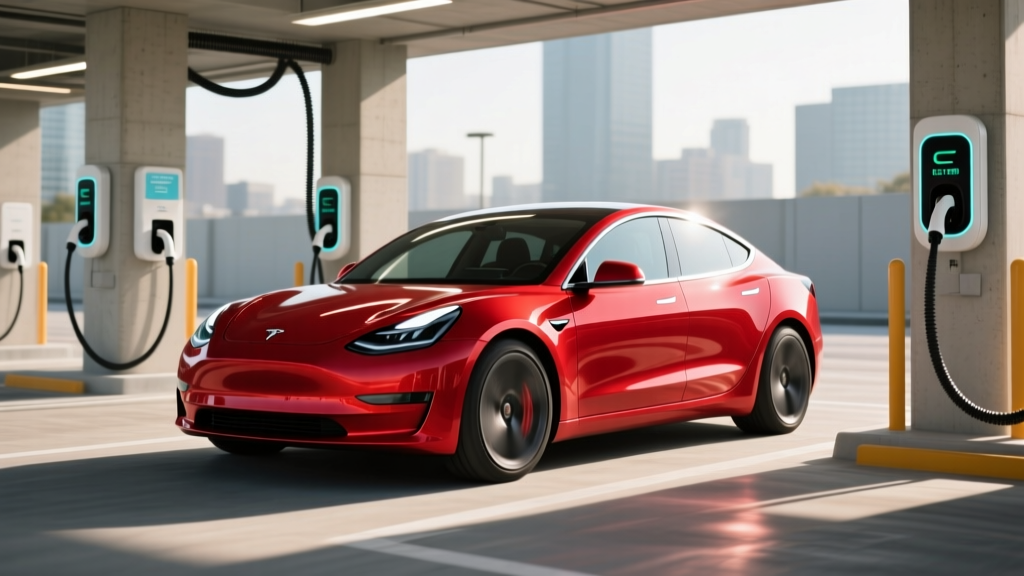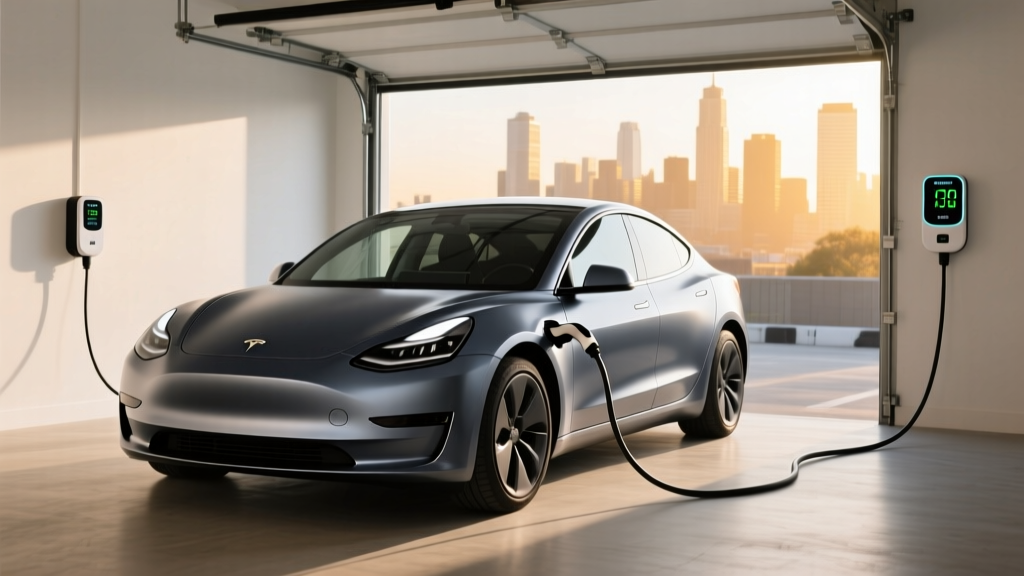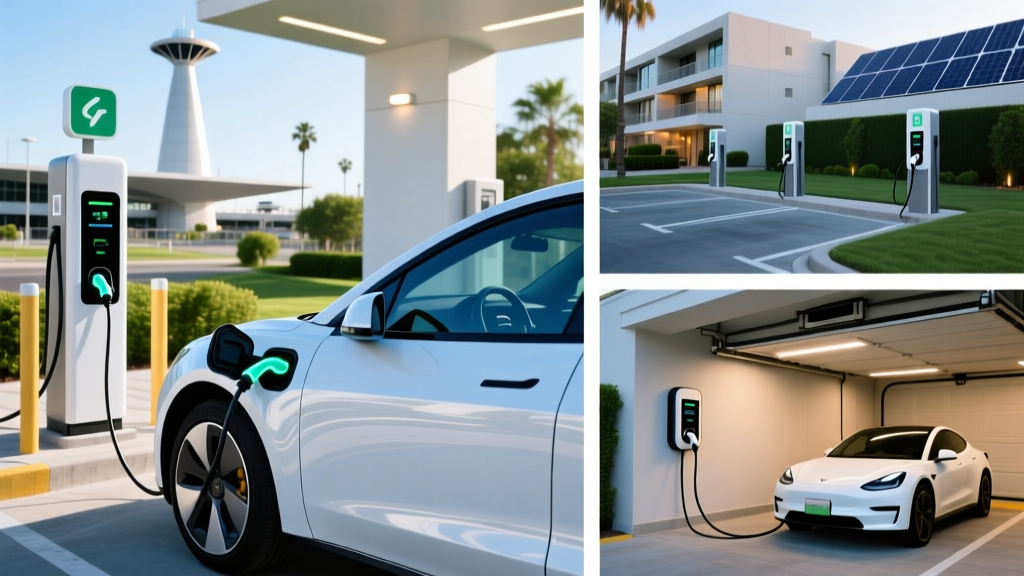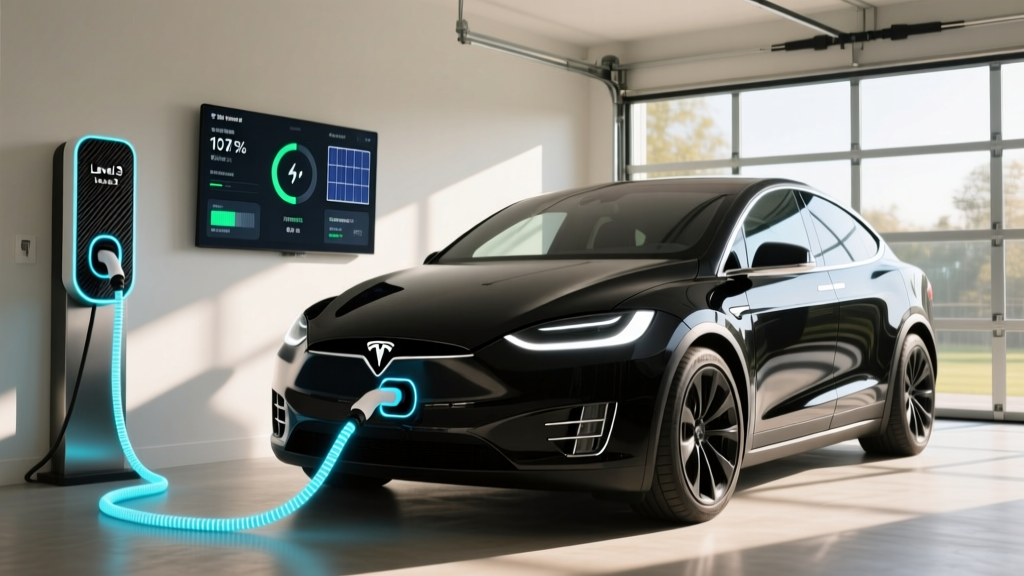
The 2026 Tesla Model X remains one of the longest-range electric SUVs on the market, but extracting every mile from its 100 kWh battery pack depends heavily on how you charge it. Whether you're evaluating the Model X Plaid's 326-mile EPA estimate or the Long Range variant's 335-mile sticker, your charging infrastructure determines daily usability, battery longevity, and operating cost. This guide maps the exact home electrical requirements, public charging realities, and per-mile economics for Model X owners.
2026 Tesla Model X Range and Battery Specs at a Glance
Before sizing your charger, you need to know what you're filling. The 2026 Model X uses an NMC (nickel-manganese-cobalt) lithium-ion pack with roughly 100 kWh of usable capacity. Tesla's thermal management system actively conditions the battery during navigation-routed charging, which is critical for achieving peak DC fast-charge rates.
| Spec | Long Range | Plaid |
|---|---|---|
| EPA Range | 335 mi | 326 mi |
| Battery (usable) | ~100 kWh (NMC) | ~100 kWh (NMC) |
| Peak DC Fast Charge | 250 kW | 250 kW |
| 10–80% DC Time | ~30 min | ~30 min |
| Onboard AC Charger | 11.5 kW (48A) | 11.5 kW (48A) |
| 0–60 mph | 3.8 sec | 2.5 sec |
| Horsepower | 670 hp | 1,020 hp |
| Base MSRP | $79,990 | $94,990 |
| Battery Warranty | 8 yr / 150,000 mi | 8 yr / 150,000 mi |
Charging Levels Explained: kW, Miles Per Hour, and What the Model X Accepts
A common point of confusion for new EV owners is the difference between kW (kilowatts — the rate of power delivery, like water pressure from a hose) and kWh (kilowatt-hours — the total energy stored, like the size of the bucket). Your Model X's battery holds ~100 kWh of energy. The charger's kW rating determines how quickly that bucket fills.
| Level | Voltage / Power | Max kW to Model X | Miles of Range Per Hour | Full Charge Time (0–100%) |
|---|---|---|---|---|
| Level 1 | 120V / 12A | ~1.4 kW | ~3–4 mi/hr | ~70+ hours |
| Level 2 (Home) | 240V / 48A | 11.5 kW | ~30–34 mi/hr | ~9–10 hours |
| Level 2 (Public) | 240V / 40–80A | 11.5 kW (car-limited) | ~30–34 mi/hr | ~9–10 hours |
| DC Fast Charge | 400V+ / 250 kW | 250 kW peak | ~200+ mi in 15 min | 10–80% in ~30 min |
The Model X's onboard AC charger maxes out at 11.5 kW (48 amps at 240V). Even if you connect to an 80-amp Level 2 station, the car will only draw 48 amps. This means a 60-amp dedicated home circuit (which delivers up to 48 continuous amps per NEC 80% rule) is the optimal home setup — you won't benefit from more, but anything less will slow your charge.
Home Charger Installation: Electrical Requirements, Permits, and Costs
Installing a Level 2 home charger for a Model X is a serious electrical project. Here is exactly what's involved.
Electrical Requirements
- Circuit: Dedicated 60-amp, 240V circuit (NEMA 14-60 outlet or hardwired)
- Wire gauge: 6 AWG copper (THHN in conduit) for runs up to ~100 feet; 4 AWG for longer runs to minimize voltage drop
- Breaker: Double-pole 60A breaker in your main or sub-panel
- Panel capacity: Your electrical panel must have 60 amps of available headroom. A typical 200-amp service panel in a modern home usually accommodates this. Older 100-amp panels often require an upgrade.
Do You Need a Panel Upgrade?
This is the single biggest cost variable. A licensed electrician will perform a load calculation per NEC Article 220 to determine if your panel can handle the additional 48-amp continuous draw. Homes with 100-amp service, older wiring, or high existing loads (electric heat, pool, workshop) may need a panel upgrade to 200 amps — adding $1,500–$4,000 to your project. Some utilities offer rebates for panel upgrades tied to EV adoption; check with your local provider.
| Component | Typical Cost Range | Notes |
|---|---|---|
| Level 2 Charger Unit | $400–$750 | Tesla Wall Connector, ChargePoint, Emporia |
| Electrical Permit | $50–$250 | Varies by municipality |
| Electrician Labor (standard install) | $600–$1,800 | Assumes panel has capacity, run under 50 ft |
| Wire & Conduit Materials | $150–$500 | Depends on run length and local code |
| Panel Upgrade (if needed) | $1,500–$4,000 | 100A → 200A service upgrade |
| Total (no panel upgrade) | $1,200–$3,300 | Most modern homes |
| Total (with panel upgrade) | $2,700–$7,300 | Older homes with 100A service |
Safety and code notes: The NEC requires a GFCI-protected breaker for any EV receptacle (NEMA 14-60). Hardwired installations (like the Tesla Wall Connector) may bypass this requirement in some jurisdictions but must still meet local code. Outdoor-rated chargers must carry a NEMA 4 or IP65 rating. Always hire a licensed electrician — DIY 240V work carries serious arc-flash and fire risk.
Connector Compatibility: NACS, CCS, and the Model X Advantage
The 2026 Tesla Model X uses the NACS (North American Charging Standard) connector natively. Since Tesla opened its Supercharger network and most major automakers adopted NACS starting in 2025, the connector landscape has simplified considerably — but adapter needs still exist for some public chargers.
| Connector | Native Support? | Adapter Needed? | Where You'll Find It |
|---|---|---|---|
| NACS (Tesla) | Yes — native | No | Tesla Superchargers, Tesla Wall Connector, newer public stations |
| CCS1 | No | Yes — Tesla CCS Adapter (~$175) | Electrify America, EVgo, older ChargePoint stations |
| CHAdeMO | No | Yes — third-party adapter (rare) | Legacy Nissan/Mitsubishi stations; phasing out |
| J1772 (Level 2) | No | Yes — included with Model X | Public Level 2 stations, hotels, workplaces |
Tesla includes a J1772-to-NACS adapter in the glovebox of every new Model X. The CCS1 adapter is sold separately through Tesla's shop and is essential for accessing non-Tesla DC fast chargers on road trips. As of 2026, most new public DC fast chargers are being installed with NACS connectors, but CCS1 stations remain widespread and will for years.
Recommended Home Charging Equipment for the Model X
Because the Model X's onboard charger accepts up to 11.5 kW (48A), you want a charger that can deliver at least that. Here are three proven options:
Tesla Wall Connector
- Power: Up to 11.5 kW (48A)
- Connector: NACS native
- Cable: 24 ft
- Smart Features: Wi-Fi, OTA updates, power sharing (pair two units on one circuit), Tesla app integration
- Price: ~$475
- Verdict: Best value for Tesla-only households. Seamless integration, no adapter needed.
ChargePoint Home Flex
- Power: Up to 12 kW (50A), configurable down to 16A
- Connector: NACS (2025+ models) or J1772 with adapter
- Cable: 23 ft
- Smart Features: Wi-Fi, ChargePoint app, scheduling, energy tracking, Alexa
- Price: ~$649
- Verdict: Best for multi-EV households with mixed brands. Flexible amperage for older panels.
Emporia Vue EV Charger
- Power: Up to 11.5 kW (48A)
- Connector: NACS or J1772
- Cable: 24 ft
- Smart Features: Wi-Fi, energy monitoring, solar integration, load management
- Price: ~$399
- Verdict: Budget pick with excellent energy monitoring. Great if you have solar panels.
Cost to Charge the Model X: Per-Mile Economics vs. Gasoline
One of the strongest ownership arguments for the Model X is fuel cost savings — but the math depends on your electricity rate and charging habits. The Model X Long Range achieves approximately 100 MPGe combined (roughly 33 kWh per 100 miles).
| Scenario | $/kWh or $/gal | Model X Cost/Mile | Gas SUV Cost/Mile (22 MPG) |
|---|---|---|---|
| Home charging (off-peak utility rate) | $0.12/kWh | $0.040 | $0.159 ($3.50/gal) |
| Home charging (average US rate) | $0.17/kWh | $0.056 | $0.159 ($3.50/gal) |
| Public Level 2 (network pricing) | $0.30/kWh | $0.099 | $0.159 ($3.50/gal) |
| DC Fast Charging (Tesla Supercharger avg) | $0.35/kWh | $0.116 | $0.159 ($3.50/gal) |
| DC Fast Charging (peak pricing) | $0.50/kWh | $0.165 | $0.159 ($3.50/gal) |
At typical home electricity rates, the Model X costs roughly $0.04–$0.06 per mile to "fuel" — about one-third the cost of a comparable gasoline SUV. Even at Supercharger rates, you break even or save money in most scenarios. However, if you rely exclusively on peak-priced DC fast chargers, the advantage narrows or disappears. Home charging is where the economics work best.
For a full 0–100% charge at home (100 kWh at $0.12/kWh), expect to pay roughly $12. That same range in a gas SUV burning premium at $3.50/gallon would cost about $53.
DC Fast Charging on Road Trips: Charge Curves and Realistic Timing
The Model X's 250 kW peak DC fast-charge capability is impressive, but peak rate is not sustained rate. Understanding the charge curve prevents unrealistic trip planning.
- 10–30% SoC: Peak rate near 250 kW; adds roughly 175 miles in ~10 minutes
- 30–60% SoC: Rate tapers to ~150–180 kW; still rapid
- 60–80% SoC: Significant taper to ~75–100 kW
- 80–100% SoC: Very slow (under 30 kW); avoid charging past 80% on road trips unless necessary
The 10–80% time of approximately 30 minutes assumes you arrive at the Supercharger with a low state of charge and have preconditioned the battery by navigating to the station via the car's built-in navigation. Without preconditioning (for example, arriving at a non-Tesla CCS charger without a navigation route), peak rates may be limited to 100–150 kW, extending your stop to 40–50 minutes.
Federal Tax Credits and Incentives for Home Charger Installation
The IRS §30C Alternative Fuel Vehicle Refueling Property Credit covers 30% of home EV charger equipment and installation costs, up to a maximum of $1,000. Key eligibility requirements for 2026:
- The charger must be installed at your primary residence
- The property must be located in an eligible census tract (lower-income or non-urban area, per IRS guidelines)
- Both equipment and labor costs qualify
- The credit is non-refundable — it reduces your tax liability but won't generate a refund beyond zero
This credit is separate from the §30D vehicle purchase credit. Consult a tax professional to confirm your eligibility, as census-tract rules and income limitations apply.
Frequently Asked Questions
How much does it cost to install a home EV charger for a Tesla Model X?
Expect $1,200–$3,300 for a standard installation with a 60-amp circuit if your panel has sufficient capacity. If your home needs a panel upgrade from 100A to 200A service, total costs can reach $2,700–$7,300. Get at least two quotes from licensed electricians and confirm they perform an NEC Article 220 load calculation.
How fast will each charging level add range to the Model X?
Level 1 (120V) adds about 3–4 miles per hour — impractical for daily use on a 100 kWh battery. Level 2 (240V, 48A) adds approximately 30–34 miles per hour, fully replenishing the battery overnight in 9–10 hours. DC fast charging at 250 kW can add 175+ miles in roughly 15 minutes at peak rate.
Which connector and charger is compatible with the Model X?
The 2026 Model X uses NACS natively. This covers Tesla Superchargers and the Tesla Wall Connector directly. For non-Tesla DC fast chargers (Electrify America, EVgo), you'll need Tesla's CCS1 adapter (~$175). A J1772 adapter for public Level 2 stations is included with the vehicle.
How much does charging the Model X cost per mile compared to gas?
At home off-peak rates ($0.12/kWh), the Model X costs approximately $0.04 per mile. A comparable gas SUV at 22 MPG and $3.50/gallon costs about $0.16 per mile. Even at average Supercharger pricing ($0.35/kWh), the Model X remains cheaper at roughly $0.12/mile.
What electrical upgrades might I need for a Level 2 home charger?
You need a dedicated 60-amp, 240V circuit. If your electrical panel lacks 60 amps of available headroom (common in homes with 100-amp service, electric heat, or heavy existing loads), a panel upgrade to 200 amps will be required, adding $1,500–$4,000. Your electrician will determine this via a load calculation before any work begins.
Should I charge the Model X to 100% every night?
No. Tesla recommends setting the daily charge limit to 80% for NMC batteries to minimize degradation. Charge to 100% only before long road trips. The Model X's battery management system includes a buffer, but habitual 100% charges accelerate capacity loss over time. The 8-year/150,000-mile battery warranty covers degradation below 70% of original capacity.