The Truth About Tesla Model X Free Supercharging in 2026
If you're researching a Tesla Model X purchase and searching for "tesla model x free supercharger" deals, here's the reality: Tesla discontinued unlimited free Supercharging for new Model X orders back in 2017. Today, the only ways to access free Supercharging are through limited-time referral promotions, trade-in loyalty credits, or by purchasing a used Model X that carries a transferable legacy free Supercharging package (increasingly rare on 2017-and-earlier vehicles).
For the vast majority of 2026 Model X buyers, Supercharging costs between $0.28 and $0.48 per kWh depending on location and time of day. That's a meaningful expense for a vehicle with a 100 kWh (usable) battery pack. But before you write off the Model X on charging cost alone, the full picture includes home Level 2 charging at a fraction of that price — often cheaper per mile than any gas SUV on the market.
This guide covers everything you need to know about charging a Tesla Model X in 2026: the three charging levels, exact speeds, home installation costs, connector compatibility, and a real cost-per-mile breakdown.
Charging Levels Explained: Level 1, Level 2, and DC Fast
Every EV owner needs to understand three charging tiers. The critical distinction: kW (kilowatts) measures charging power — how fast energy flows into the battery. kWh (kilowatt-hours) measures energy capacity — how much the battery holds. The 2026 Tesla Model X Long Range carries a ~100 kWh usable battery. A 250 kW DC fast charger delivers power at 250 kW — but the battery's acceptance rate tapers as it fills, so you won't sustain that peak for the full session.
| Level | Voltage | Max Power (kW) | Miles of Range per Hour | 10–80% Time (est.) | Best Use Case |
|---|---|---|---|---|---|
| Level 1 (120V) | 120V AC | ~1.4 kW | ~3–5 mi/hr | ~50+ hours | Emergency/top-off only |
| Level 2 (240V) | 240V AC | 11.5 kW (48A) | ~30–35 mi/hr | ~8–9 hours | Daily home charging |
| DC Fast (Supercharger) | 400V+ DC | 250 kW peak | ~200+ mi/hr (peak) | ~25–30 min | Road trips, rapid top-ups |
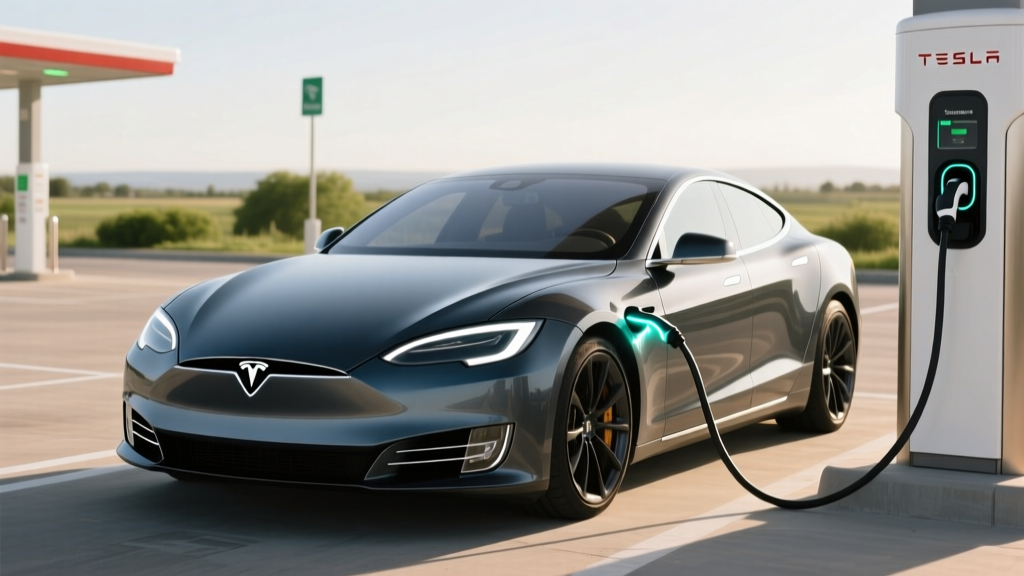
On a V3 or V4 Tesla Supercharger, the Model X peaks near 250 kW at low state of charge (SoC), tapering significantly above 60% and sharply above 80%. Real-world 10–80% sessions typically take 25–30 minutes. Tesla recommends charging to 80% daily and reserving 100% for long trips to preserve long-term battery health.
Home Charger Installation: Requirements, Costs, and Panel Upgrades
Home Level 2 charging is where the Model X delivers the best economics. But installation isn't always plug-and-play. Here's what's involved.
Electrical Requirements
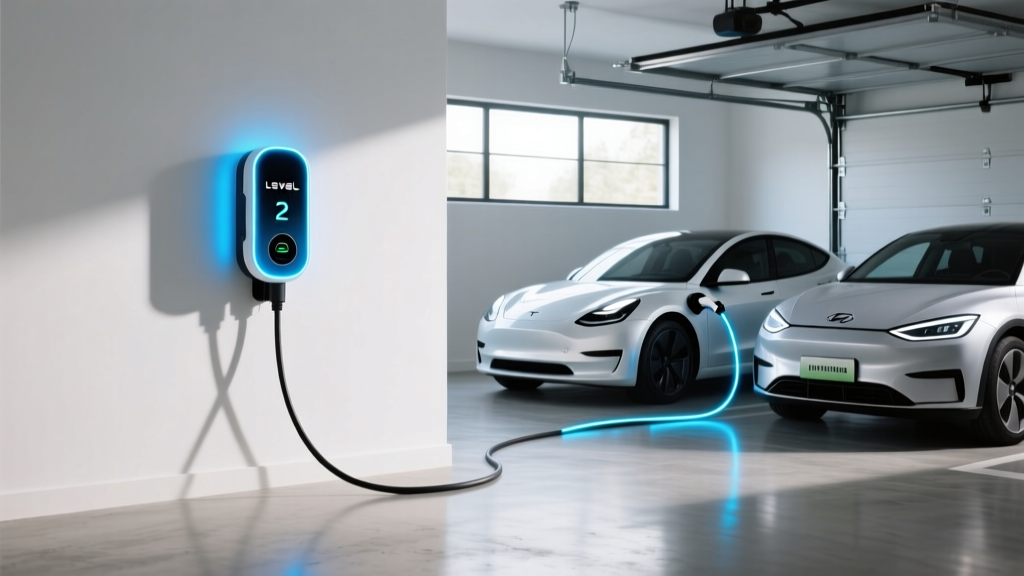
The Tesla Wall Connector supports up to 48 amps on a 60-amp dedicated 240V circuit. This delivers 11.5 kW — sufficient to add roughly 30–35 miles of range per hour, or fully replenish a depleted Model X battery overnight. You'll need:
- A dedicated 60A double-pole breaker in your electrical panel
- 6 AWG copper wire (or 4 AWG aluminum) for runs up to ~100 feet
- A hardwired connection (preferred for 48A) or a NEMA 14-50 receptacle (limited to 40A continuous / 9.6 kW)
- GFCI protection if installed outdoors per NEC 2020+ requirements
- Local building permit — typically $50–$250 depending on jurisdiction
Panel Upgrade Reality
Most modern homes with 200A service can accommodate a 60A EV circuit without a panel upgrade. However, older homes with 100A panels or homes already running high-draw appliances (electric range, dryer, HVAC, pool heater) may need a service upgrade to 200A — costing $1,500–$4,000+ depending on utility requirements and trenching.
| Component | Low Estimate | High Estimate | Notes |
|---|---|---|---|
| EVSE Equipment (Tesla Wall Connector) | $420 | $475 | 24-ft cable, Wi-Fi enabled |
| Electrician Labor | $600 | $2,000 | Depends on wire run length, wall penetrations |
| Electrical Permit | $50 | $250 | Varies by city/county |
| Panel Upgrade (if needed) | $1,500 | $4,500 | 100A → 200A service upgrade |
| Total (no panel upgrade) | $1,070 | $2,725 | Most common scenario |
| Total (with panel upgrade) | $2,570 | $7,225 | Older homes |
The federal Residential Clean Energy Credit does not cover EV chargers as of 2026 — the prior §30C alternative fuel infrastructure credit expired for residential installations. Some states and utilities still offer rebates of $200–$1,000 for Level 2 equipment or installation, so check with your local provider.
Connector Compatibility: NACS, CCS, and Adapters
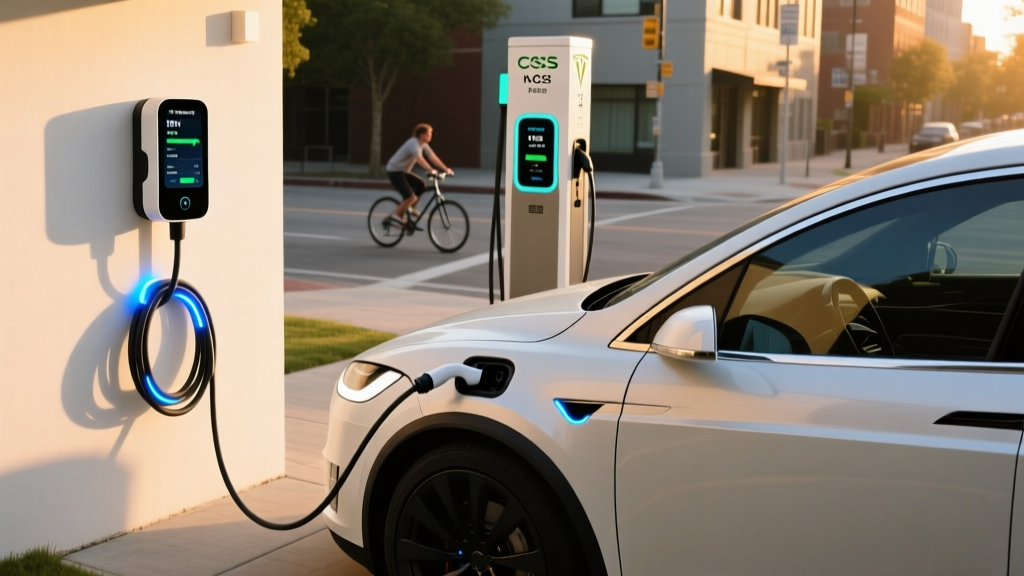
The 2026 Tesla Model X uses the North American Charging Standard (NACS) connector natively — Tesla's proprietary design, now adopted industry-wide as the SAE J3400 standard. This means direct compatibility with all Tesla Superchargers and Destination Chargers without an adapter.
| Connector Type | Compatibility | Adapter Needed? | Availability |
|---|---|---|---|
| NACS (Tesla) | Native | No | All Tesla Superchargers, growing third-party networks |
| CCS1 | Via adapter | Yes — Tesla CCS adapter (~$250) | Electrify America, EVgo, non-Tesla DC stations |
| CHAdeMO | Not supported | N/A | Largely deprecated in North America |
| J1772 (Level 2) | Via adapter | Yes — included with vehicle | Public Level 2 stations, non-Tesla destination chargers |
With Tesla opening its Supercharger network to non-Tesla EVs (via Magic Dock or NACS cables), the NACS ecosystem has become the most robust DC fast-charging network in North America. According to the U.S. Department of Energy's AFDC, Tesla operates over 6,500 Supercharger stalls across the U.S. as of early 2026, with V4 cabinets delivering up to 350 kW on compatible vehicles.
Charging Cost Per Mile: Model X vs. Gas SUV
Here's where home charging makes the financial case undeniable — even without free Supercharging. The 2026 Model X Long Range achieves an EPA-rated efficiency of approximately 2.9 kWh/mile (roughly 102 MPGe combined per fueleconomy.gov). Let's compare scenarios.
| Scenario | Rate | Cost/Mile (Model X) | Comparable Gas SUV (22 MPG) |
|---|---|---|---|
| Home charging (off-peak utility rate) | $0.12/kWh | $0.035 | $0.159 (at $3.50/gal) |
| Home charging (national avg.) | $0.17/kWh | $0.049 | $0.159 |
| Public Level 2 (network avg.) | $0.25/kWh | $0.073 | $0.159 |
| Tesla Supercharger (avg.) | $0.35/kWh | $0.102 | $0.159 |
| Supercharger (peak pricing) | $0.48/kWh | $0.139 | $0.159 |
Even at peak Supercharger rates, the Model X costs less per mile than a gas SUV getting 22 MPG combined. But the real savings come from home charging: at the national average electricity rate of ~$0.17/kWh, you're paying under $0.05 per mile — roughly one-third the cost of gasoline.
For a driver covering 12,000 miles annually, the difference between home charging ($0.049/mi) and gasoline ($0.159/mi) translates to approximately $1,320 in annual fuel savings. Over five years, that's $6,600 — enough to offset a significant portion of the home charger installation cost in the first year alone.
Recommended Home Charging Equipment for the Model X
The Model X's onboard charger accepts up to 11.5 kW (48A) on Level 2. To maximize charging speed, pair it with a 48A-capable EVSE on a 60A circuit.
Tesla Wall Connector (Best Overall for Tesla Owners)
- Power Output: Up to 11.5 kW (48A) on 240V
- Connector: NACS native — no adapter needed
- Cable Length: 24 feet
- Smart Features: Wi-Fi connectivity, OTA firmware updates, load sharing with second unit, Tesla app integration, scheduling
- Price: ~$420–$475
- Verdict: The default choice for Model X owners. Seamless integration, competitive price, and no adapter hassle.
ChargePoint Home Flex (Best Universal Option)
- Power Output: Up to 12 kW (50A) configurable, 240V
- Connector: J1772 (Tesla adapter included) or NACS pigtail version
- Cable Length: 23 feet
- Smart Features: Wi-Fi, Alexa integration, detailed energy tracking via app, flexible amperage settings (16A–50A)
- Price: ~$650–$700
- Verdict: Ideal if you have or plan to add a non-Tesla EV. The adjustable amperage lets you match your circuit without buying a different unit.
Emporia Level 2 EV Charger (Best Budget Pick)
- Power Output: Up to 11.5 kW (48A), 240V
- Connector: J1772 (NACS adapter available separately)
- Cable Length: 24 feet
- Smart Features: Wi-Fi, energy monitoring, solar integration, scheduling via app
- Price: ~$350–$400
- Verdict: Strong value with energy monitoring. Best if you already use Emporia's home energy management system.
Safety, Electrical Code, and Best Practices
EV charging installations must comply with the National Electrical Code (NEC) and local amendments. Key requirements for a safe, code-compliant Model X home charger:
- Dedicated circuit: The EVSE must be on its own breaker — never shared with other appliances.
- Continuous load derating: EV charging is classified as a continuous load (3+ hours), so the circuit must be rated at 125% of the charger's max draw. A 48A charger requires a 60A breaker.
- GFCI protection: NEC 2020 and later requires GFCI protection for outdoor receptacles. Hardwired installations may be exempt in some jurisdictions — confirm with your electrician and local inspector.
- Outdoor rating: If mounting outdoors, ensure the EVSE carries a NEMA 4 (weatherproof) rating. The Tesla Wall Connector is rated for indoor and outdoor use.
- Wire gauge: Undersized wire causes voltage drop, overheating, and fire risk. For a 60A circuit, use 6 AWG copper or 4 AWG aluminum minimum. Longer runs may require upsizing to compensate for voltage drop.
- Permit and inspection: Always pull a permit and have the work inspected. Unpermitted electrical work can void homeowner's insurance and create liability issues.
Frequently Asked Questions
Does any 2026 Tesla Model X come with free Supercharging?
No. Tesla discontinued free unlimited Supercharging for new vehicle orders in 2017. Occasionally, Tesla offers limited promotional Supercharging credits (e.g., 10,000 free miles) through referral programs or end-of-quarter sales events, but these are temporary and not guaranteed. Some used Model X vehicles from 2017 or earlier carry transferable free Supercharging — verify the VIN's Supercharging status on Tesla's website before purchasing.
How much does it cost to fully charge a Tesla Model X at home?
With a ~100 kWh usable battery and the national average electricity rate of $0.17/kWh, a full 0–100% charge costs approximately $17. At off-peak rates of $0.12/kWh, it drops to about $12. Compare that to $70–$90 to fill the tank of a comparable gas SUV at $3.50–$4.50/gallon.
How fast does a Tesla Model X charge on a Supercharger?
On a V3 or V4 Supercharger, the Model X peaks near 250 kW at low SoC, adding up to ~200 miles of range in approximately 15 minutes under ideal conditions. A typical 10–80% session takes 25–30 minutes. Charge speed tapers significantly above 80% SoC — Tesla's battery management system protects the cells by reducing current as the battery fills.
Can I charge my Tesla Model X on a standard 120V outlet?
Yes, using the included Mobile Connector with a NEMA 5-15 adapter, but at only ~1.4 kW (roughly 3–5 miles of range per hour). This is practical only for emergency top-offs or very low daily mileage. A full charge from near-empty would take over 50 hours. For regular use, a 240V Level 2 installation is strongly recommended.
Do I need a panel upgrade to install a home EV charger?
Not necessarily. Homes with 200A service and available breaker slots can typically add a 60A EV circuit without an upgrade. Homes with 100A service, or those already near panel capacity with electric heating, cooking, and A/C, may need a service upgrade to 200A — costing $1,500–$4,500. A licensed electrician can perform a load calculation to determine your panel's headroom.
Is Supercharging bad for the Model X battery long-term?
Frequent DC fast charging accelerates battery degradation slightly compared to Level 2 charging, due to higher heat generation. However, Tesla's thermal management system actively cools the battery during Supercharging, and real-world data shows Model X batteries retaining 85–90% of original capacity after 150,000 miles. The 2026 Model X battery warranty covers 8 years or 150,000 miles (whichever comes first) with a minimum 70% capacity retention threshold, per Tesla's warranty documentation.