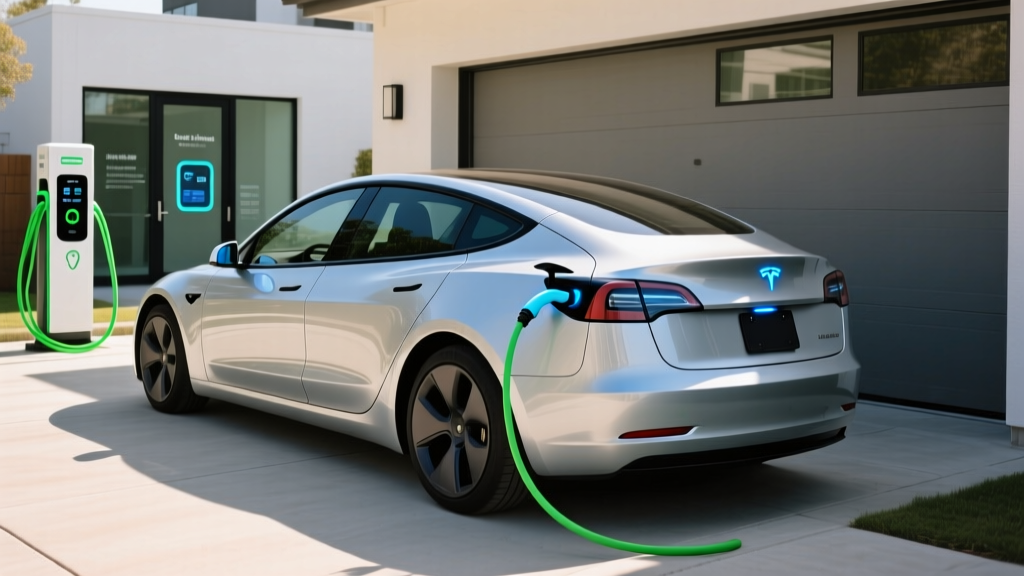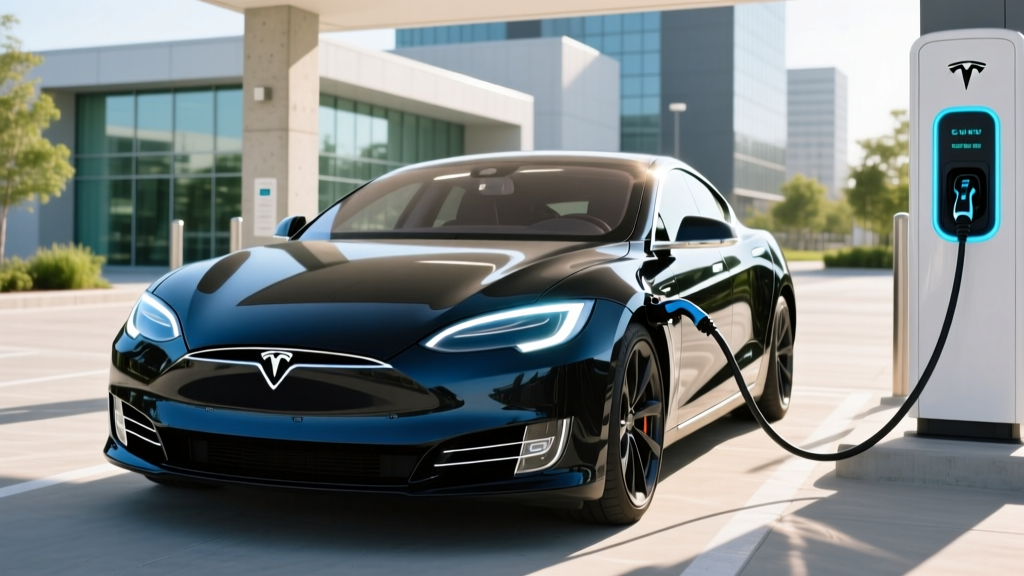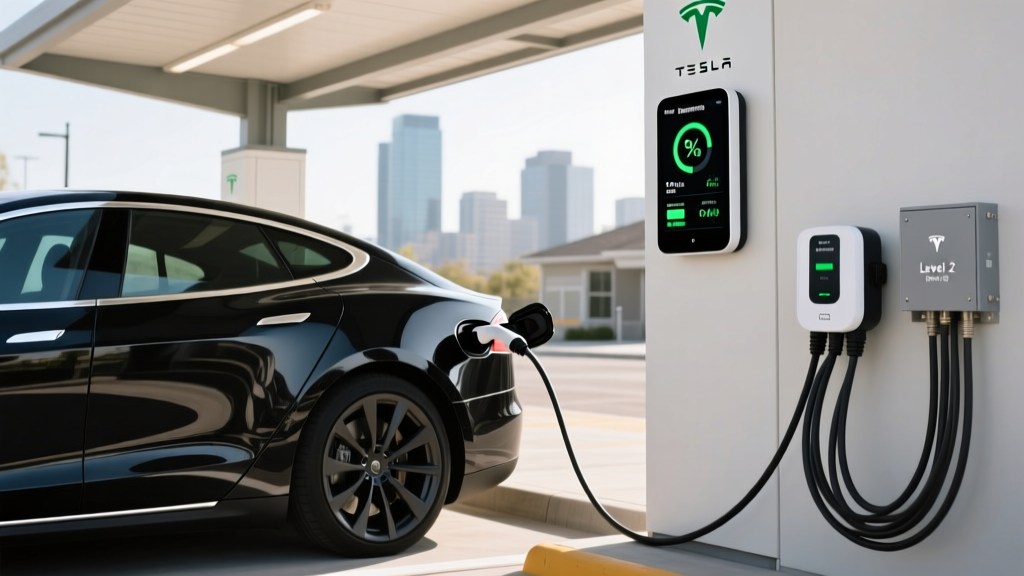
If you're researching the Tesla Model S Supercharger free question, you're not alone. Thousands of prospective and current Model S owners search this every month, hoping to find that unlimited free charging still exists. The short answer: for nearly all 2026 buyers, free Supercharging is no longer included. But the longer answer involves a patchwork of legacy perks, referral credits, and promotional bundles that can still save you thousands. Below, we unpack exactly what's free, what costs money, and how to set up cost-effective home charging so you rarely need a Supercharger at all.
The Truth About Free Tesla Model S Supercharging in 2026
Tesla ended complimentary unlimited Supercharging for new Model S purchases back in 2019, briefly reinstated it as a promotion in 2023, and has since settled into a pay-per-use model for 2026. Here's how the current landscape breaks down:
- New 2026 Model S purchases: No free Supercharging included by default. You pay per kWh at Supercharger stalls.
- Referral program credits: Tesla periodically offers Supercharging credits (typically 1,000–5,000 miles worth) through its referral program, but availability fluctuates.
- Legacy vehicles: Some pre-2017 Model S vehicles retain transferable or non-transferable unlimited free Supercharging. These are tied to the original VIN or original owner and rarely transfer to second-hand buyers.
- Promotional bundles: Tesla occasionally runs end-of-quarter promotions offering 1–3 years of free Supercharging to move inventory. Check Tesla's current offers page before purchasing.
For most 2026 Model S owners, expect to pay roughly $0.28–$0.36 per kWh at Supercharger stations, depending on location and time of day. With the Model S Long Range's 100 kWh battery pack, a 10–80% charge (about 70 kWh) costs approximately $19.60–$25.20.
Charging Levels Explained: Speeds, kW, and Miles Per Hour
Before you invest in home equipment, understand the three charging tiers. A critical distinction: kW (kilowatts) measures power — how fast energy flows. kWh (kilowatt-hours) measures energy — how much your battery holds. Think of kW as the width of a hose and kWh as the size of the bucket.
| Level | Voltage | Max Power (kW) | Miles of Range Added Per Hour | Typical Use |
|---|---|---|---|---|
| Level 1 | 120V AC | 1.4–1.9 kW | 3–5 mi/hr | Overnight trickle; PHEVs |
| Level 2 | 240V AC | 7.2–19.2 kW | 20–60+ mi/hr | Home daily charging |
| DC Fast Charge | 400–800V DC | 50–350 kW | 150–1,000+ mi/hr | Road trips, quick top-ups |
The 2026 Tesla Model S supports up to 250 kW peak DC fast charging at V3 Superchargers and can accept up to 11.5 kW on Level 2 (48A) using the onboard charger. A 10–80% Supercharger session takes approximately 25–30 minutes under optimal conditions, though real-world charge curves taper significantly above 60% state of charge (SoC).
Home Level 2 Installation: Electrical Requirements and Costs
Installing a Level 2 home charger is the single best investment for EV ownership. For a Model S, a 240V / 48A circuit delivers the full 11.5 kW the car can accept, adding roughly 38–44 miles of range per hour — enough to fully replenish overnight.
Electrical Requirements
- Circuit: Dedicated 60A breaker (for a continuous 48A load — NEC requires 125% headroom)
- Wire: 6 AWG copper (or 4 AWG aluminum) for runs up to 100 feet
- Outlet vs. hardwired: NEMA 14-60 outlet or hardwired connection. Hardwired is preferred for 48A+ circuits and avoids outlet wear.
- Panel capacity: Your main panel must have sufficient spare amperage. A 200A panel is generally adequate; older 100A panels may need upgrading.
Installation Cost Breakdown
| Component | Low Estimate | High Estimate | Notes |
|---|---|---|---|
| Level 2 Charger Equipment | $400 | $750 | 48A smart charger, NACS connector |
| Electrician Labor | $500 | $2,000 | Depends on run length, wall type |
| Electrical Permit | $50 | $300 | Varies by municipality |
| Panel Upgrade (if needed) | $1,500 | $4,000 | 100A → 200A service upgrade |
| Total (no panel upgrade) | $950 | $3,050 | Most common scenario |
| Total (with panel upgrade) | $2,450 | $7,050 | Older homes with 100A service |
Always hire a licensed electrician and pull a permit. Unpermitted work can void home insurance and fail inspection at sale time. The IRS §30D credit does not cover home charging equipment directly, but the separate Residential Clean Energy Credit (IRC §25D) may cover some related electrical upgrades — consult a tax professional for your situation.
Connector Compatibility: NACS, CCS, and Adapters
The 2026 Tesla Model S comes equipped with the NACS (North American Charging Standard) connector natively. This is the same connector used across the Tesla Supercharger network. Since 2024–2025, most major automakers have adopted NACS, and CCS chargers increasingly offer NACS cables or adapters.
| Connector | Used By | DC Fast Charge? | Model S Compatible? |
|---|---|---|---|
| NACS (Tesla) | Tesla, Ford, GM, Rivian, Hyundai, most new EVs | Yes (up to 350 kW) | Native — no adapter needed |
| CCS1 | Legacy VW, BMW, some older EVs | Yes (up to 350 kW) | Via Tesla CCS adapter (~$175) |
| CHAdeMO | Nissan Leaf, Mitsubishi (discontinued) | Yes (up to 100 kW) | Not compatible — no adapter available |
| J1772 | All EVs (Level 2 AC only) | No — AC only | Yes, with included J1772 adapter |
For Model S owners, the NACS ecosystem is a major advantage: direct access to 20,000+ Supercharger stalls in North America with no adapter friction. If you need to use Electrify America or other CCS networks, Tesla's CCS adapter unlocks those stalls, though charging speeds may be limited by the adapter's rated throughput.
Cost to Charge: Home vs. Public vs. Gas
The economics of EV charging depend heavily on where and when you plug in. Here's a realistic comparison for a 2026 Model S Long Range (100 kWh battery, ~3.5 mi/kWh efficiency):
| Scenario | Cost per kWh | Cost for 10–80% (70 kWh) | Cost per Mile |
|---|---|---|---|
| Home (off-peak utility rate) | $0.08–$0.12 | $5.60–$8.40 | $0.023–$0.034 |
| Home (standard rate) | $0.14–$0.18 | $9.80–$12.60 | $0.040–$0.051 |
| Tesla Supercharger (average) | $0.28–$0.36 | $19.60–$25.20 | $0.080–$0.103 |
| Public Level 2 (ChargePoint, etc.) | $0.20–$0.35 | $14.00–$24.50 | $0.057–$0.100 |
| Gas sedan (30 MPG, $3.50/gal) | — | — | $0.117 |
Home charging at off-peak rates is the clear winner — roughly 3 to 5 cents per mile versus nearly 12 cents for a comparable gas sedan. Even Supercharging undercuts gasoline on a per-mile basis in most states. The takeaway: if you can charge at home, the "Is Tesla Model S Supercharger free?" question becomes mostly irrelevant, because you'll rarely need one.
Recommended Home Charging Equipment for Model S
To get the full 11.5 kW the Model S onboard charger supports, you need a 48A Level 2 unit. Here are top picks for 2026:
Tesla Wall Connector (Gen 4)
- Power Output: 48A / 11.5 kW (240V)
- Connector: NACS (native Tesla)
- Cable Length: 24 ft
- Smart Features: Wi-Fi, OTA updates, load sharing, Powerwall integration
- Price: ~$475
- Best For: Tesla-only households; seamless app integration
ChargePoint Home Flex (NACS version)
- Power Output: Up to 50A / 12 kW (configurable via DIP switches)
- Connector: NACS (2025+ models) or J1772 with adapter
- Cable Length: 23 ft
- Smart Features: Wi-Fi, scheduling, Alexa, energy tracking
- Price: ~$599
- Best For: Multi-EV households; flexible amperage
Emporia Vue Level 2 Charger
- Power Output: 48A / 11.5 kW (240V)
- Connector: NACS or J1772 (model dependent)
- Cable Length: 24 ft
- Smart Features: Wi-Fi, solar integration, real-time energy monitoring
- Price: ~$399
- Best For: Budget-conscious buyers with solar panels
All three units are hardwired-capable, UL-listed, and rated for indoor or outdoor installation (NEMA 4 enclosure). The Tesla Wall Connector is the default choice for single-Tesla homes, but the ChargePoint Home Flex earns its keep if you anticipate owning a non-Tesla EV alongside your Model S.
Safety, Code, and Panel-Upgrade Considerations
EV charging draws sustained high current for hours — far more demanding than typical household appliances. Cutting corners is dangerous and illegal.
- Dedicated circuit: Your charger must be on its own breaker. No shared circuits with dryers, HVAC, or other large loads.
- GFCI protection: NEC 2020+ requires GFCI protection for outdoor receptacles. Hardwired installations may be exempt in some jurisdictions, but GFCI breakers add a layer of protection.
- Outdoor rating: If mounting outside, ensure the unit carries a NEMA 4 (or IP65+) rating for weather resistance.
- Panel headroom: An electrician will perform a load calculation per NEC Article 220. If your existing loads plus the charger exceed 80% of your panel's rated capacity, you'll need a panel upgrade or a smart load-management device (like the Emporia Smart Panel) that dynamically throttles charger amperage.
- Permit and inspection: Nearly all jurisdictions require an electrical permit for EV charger installation. The inspection ensures code compliance and protects your insurance coverage.
Frequently Asked Questions
How much does it cost to install a home EV charger for a Tesla Model S?
Most installations run $950–$3,050 including a 48A smart charger, electrician labor, and permit. Homes needing a 100A-to-200A panel upgrade should budget $2,450–$7,050 total. Get at least three quotes from licensed electricians.
How fast will each charging level add range to my Model S?
Level 1 (120V): about 3–5 miles per hour. Level 2 at 48A/11.5 kW: about 38–44 miles per hour. DC fast charging at a V3 Supercharger (250 kW peak): up to 200 miles in 15 minutes under ideal conditions, though the charge curve tapers significantly above 60% SoC.
Is the Tesla Model S Supercharger free with a new purchase?
Generally no, as of 2026. Tesla ended standard free Supercharging. Some promotional bundles or referral credits may include limited free miles. Legacy Model S vehicles (pre-2017) may retain free Supercharging tied to the original VIN or owner. Always verify at the point of purchase.
Which connector does the 2026 Model S use?
The 2026 Model S uses the NACS connector natively, giving direct access to Tesla Superchargers. For CCS stations, Tesla sells a CCS adapter (~$175). A J1772 adapter is included with the vehicle for public Level 2 AC charging.
How much does EV charging cost per mile compared to gas?
Home charging at standard rates costs roughly $0.04–$0.05 per mile for the Model S. Supercharging costs $0.08–$0.10 per mile. A comparable 30 MPG gas sedan at $3.50/gallon costs about $0.12 per mile. Home charging saves 60–75% per mile versus gasoline, based on fueleconomy.gov data.
What electrical upgrades might I need before installing a charger?
The most common upgrade is a panel replacement from 100A to 200A service ($1,500–$4,000). You may also need a new conduit run if your garage is far from the panel, or a smart load-management device if your panel is near capacity but you want to avoid a full upgrade.
Bottom line: the "Tesla Model S Supercharger free" question resolves quickly for 2026 buyers — plan to pay per kWh at Superchargers, but invest in a quality Level 2 home installation. At $0.03–$0.05 per mile from home electricity, your Model S will cost less to fuel than almost any vehicle on the road, Supercharger credits or not.