Understanding Tesla Model S Charge Time Across Every Charging Level
If you own or are considering a Tesla Model S, understanding exactly how long it takes to charge — at home, at a destination, or on a road trip — is the single most practical piece of ownership data you can have. The 2025–2026 Tesla Model S (Long Range and Plaid) carries a usable battery capacity of approximately 95 kWh (NMC chemistry), delivering an EPA-estimated range of up to 402 miles for Long Range and 396 miles for Plaid. But those range figures only matter if you can efficiently replenish them.
This guide breaks down Tesla Model S charge time by every available charging level, explains what electrical infrastructure your home actually needs, and gives you hard numbers on cost per mile versus gasoline. We'll also cover connector compatibility as the North American Charging Standard (NACS) becomes the industry default through 2026.
Charging Levels Explained: Speeds, kW, and Miles Per Hour
Before we get into exact Tesla Model S charge times, let's establish the three charging tiers and what each delivers. The critical distinction: kW (kilowatts) measures power — how fast energy flows into the battery. kWh (kilowatt-hours) measures energy — the total capacity of the battery. Think of kW as the flow rate of a hose and kWh as the size of the tank.
| Level | Voltage / Amperage | Max Power (kW) | Miles of Range Added Per Hour | Best For |
|---|---|---|---|---|
| Level 1 | 120V / 12A | ~1.4 kW | 3–4 miles/hr | Emergency / overnight trickle |
| Level 2 | 240V / 40–48A | 9.6–11.5 kW | 30–44 miles/hr | Daily home charging |
| DC Fast (Supercharger V3/V4) | 400V+ architecture | Up to 250 kW peak | ~200 miles in 15 min | Road trips, rapid top-ups |
The Tesla Model S onboard charger accepts up to 11.5 kW on Level 2 (48A at 240V). On DC fast charging, the Model S can peak at approximately 250 kW at a V3 Supercharger, though sustained rates taper significantly above 50% state of charge (SoC).
Tesla Model S Charge Time: 10–80% and Full Charge Scenarios
EV batteries don't charge linearly. The charge curve is fastest between roughly 10% and 50% SoC, then progressively tapers to protect the NMC cells from heat degradation. Here's what real Tesla Model S charge times look like in practice:
| Scenario | Charger Type | Estimated Time | Range Recovered |
|---|---|---|---|
| 10–80% DC Fast | 250 kW V3 Supercharger | ~27–30 minutes | ~280 miles |
| 10–80% DC Fast | 150 kW V2 Supercharger | ~40–45 minutes | ~280 miles |
| 20–80% Level 2 (Home) | 11.5 kW Wall Connector | ~5.5–6 hours | ~240 miles |
| 0–100% Level 2 (Home) | 11.5 kW Wall Connector | ~9–10 hours | ~402 miles (full) |
| Overnight Level 1 | 1.4 kW (120V outlet) | 10 hours (overnight) | ~30–40 miles |
Home Charger Installation: Electrical Requirements, Costs, and Panel Upgrades
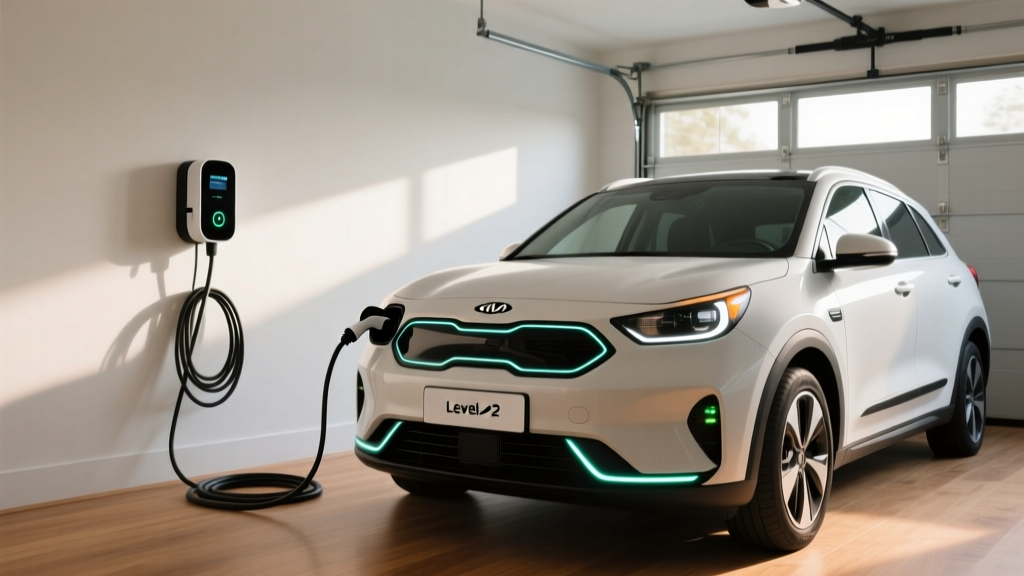
Installing a Level 2 home charger for your Tesla Model S is the single biggest quality-of-life upgrade in EV ownership. Wake up every morning with 250+ miles of range without ever visiting a gas station. But the installation isn't just plugging in a box — it requires proper electrical infrastructure.
Electrical Requirements for Tesla Wall Connector
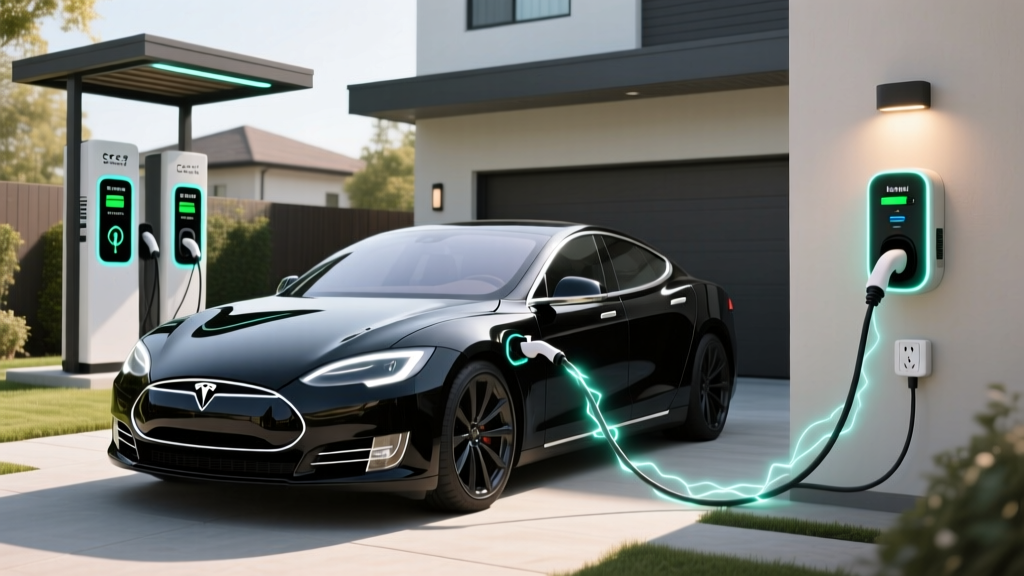
The Tesla Wall Connector (Gen 3) delivers up to 11.5 kW when wired to a 60-amp dedicated circuit (48A continuous draw, per NEC 80% rule). Here's what your electrician will evaluate:
- Circuit: Dedicated 60A breaker (for full 48A/11.5 kW output) or 50A breaker (for 40A/9.6 kW output)
- Voltage: 240V split-phase (standard US residential)
- Wire gauge: 6 AWG copper for 60A; 8 AWG for 50A
- Panel capacity: Minimum 200A main service recommended; 100A panels may require an upgrade
- GFCI protection: Required by NEC 2020+ for EV charging circuits in garages
- Permit: Required in most jurisdictions; typically $50–$200
How Much Does It Cost to Install a Home EV Charger?
Installation costs vary widely based on your panel's distance from the charger location, whether your panel needs upgrading, and local labor rates. Here's a realistic breakdown:
| Component | Simple Install (panel nearby) | Complex Install (long run / conduit) | Panel Upgrade Needed |
|---|---|---|---|
| Tesla Wall Connector (hardware) | $475 | $475 | $475 |
| Electrician labor | $300–$600 | $800–$2,000 | $1,500–$3,000 |
| Electrical panel upgrade (100A → 200A) | N/A | N/A | $1,500–$3,500 |
| Permit & inspection | $50–$150 | $100–$200 | $150–$300 |
| TOTAL RANGE | $825–$1,225 | $1,375–$2,675 | $3,625–$7,275 |
Connector Compatibility: NACS, CCS, and the 2026 Charging Landscape
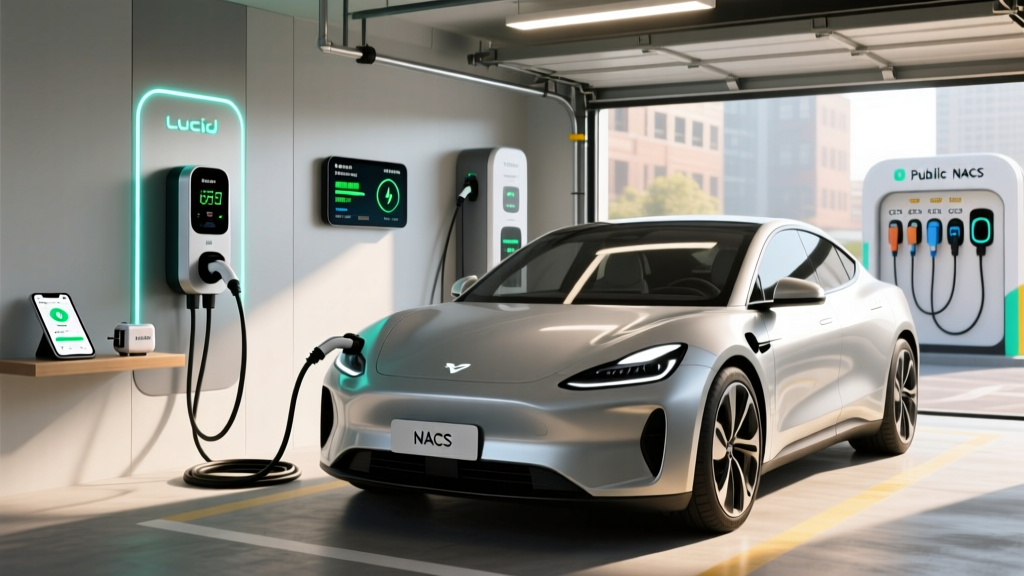
As of 2025–2026, Tesla vehicles use the proprietary Tesla connector (now formally adopted as the North American Charging Standard, or NACS, under SAE J3400). The Model S charges natively at all Tesla Superchargers and Destination Chargers without adapters.
The broader industry shift matters if you plan to use non-Tesla public charging networks. Here's the connector landscape:
| Connector | Native On | Tesla Model S Compatibility | Notes |
|---|---|---|---|
| NACS (Tesla) | All Tesla vehicles, 2025+ Ford, GM, Rivian, others | Native — no adapter needed | Access to 25,000+ Superchargers |
| CCS1 | Most non-Tesla EVs (legacy) | Requires CCS-to-NACS adapter (~$175–$250) | Access Electrify America, EVgo stations |
| CHAdeMO | Nissan Leaf (legacy, phasing out) | No practical adapter available | Network shrinking; avoid relying on it |
| J1772 (Level 2 AC) | All non-Tesla EVs | J1772-to-Tesla adapter included with vehicle | For public Level 2 stations (ChargePoint, etc.) |
Tesla includes a J1772 adapter with every Model S, so you can use any public Level 2 station. For DC fast charging on non-Tesla networks (Electrify America, EVgo), you'll need a CCS-to-NACS adapter. Tesla sells one, and third-party options from Tesla's accessories page are available.
Cost to Charge a Tesla Model S: Home vs. Public vs. Gas
How much does charging cost per mile compared to gasoline? The answer depends heavily on where and when you charge. Here's a realistic cost breakdown using the Model S Long Range's efficiency of approximately 28 kWh/100 miles (roughly 120 MPGe combined, per fueleconomy.gov):
| Charging Scenario | Rate ($/kWh) | Cost Per 100 Miles | Cost Per Mile |
|---|---|---|---|
| Home (off-peak utility rate) | $0.10–$0.14 | $2.80–$3.92 | $0.03–$0.04 |
| Home (average US rate) | $0.16–$0.18 | $4.48–$5.04 | $0.04–$0.05 |
| Tesla Supercharger (average) | $0.28–$0.36 | $7.84–$10.08 | $0.08–$0.10 |
| Third-party DC fast (EA, EVgo) | $0.35–$0.55 | $9.80–$15.40 | $0.10–$0.15 |
| Gas car (25 MPG, $3.40/gal) | $3.40/gallon | $13.60 | $0.14 |
The bottom line: Charging at home on off-peak rates costs roughly 70–75% less per mile than fueling a comparable 25 MPG gasoline sedan. Even Supercharging on road trips typically costs 25–40% less than gas. The savings are most dramatic when you charge at home consistently.
For a full 10–80% charge at home (adding ~280 miles / ~67 kWh), expect to pay roughly $7–$12 on average residential rates. That same charge at a Supercharger would cost $19–$24.
Recommended Home Charging Equipment for Tesla Model S
While the Tesla Wall Connector is the obvious default, several third-party chargers also serve Model S owners well — particularly if you also own or plan to own a non-Tesla EV. Here are top picks with specific output and pricing:
Tesla Wall Connector (Gen 3)
- Max Output: 11.5 kW (48A / 240V)
- Cable Length: 24 ft
- Connector: NACS (native Tesla)
- Smart Features: Wi-Fi updates, power sharing between units, load management
- Price: $475
- Best For: Tesla-only households wanting max charge speed
ChargePoint Home Flex
- Max Output: 12 kW (50A / 240V)
- Cable Length: 23 ft
- Connector: J1772 (use included Tesla adapter) or NACS version
- Smart Features: App scheduling, Alexa integration, utility demand-response
- Price: $549–$599
- Best For: Mixed-fleet households (Tesla + non-Tesla EVs)
Emporia Vue Level 2 Charger
- Max Output: 11.5 kW (48A / 240V)
- Cable Length: 24 ft
- Connector: J1772 or NACS
- Smart Features: Energy monitoring, solar integration, time-of-use scheduling
- Price: $399
- Best For: Budget-conscious buyers with solar panels
Grizzl-E Smart
- Max Output: 10 kW (40A / 240V)
- Cable Length: 24 ft
- Connector: J1772 (Tesla adapter needed) or NACS
- Smart Features: OCPP support, adjustable amperage, extreme-cold rated (-40°C)
- Price: $449
- Best For: Cold-climate owners needing rugged build
Safety, Code Compliance, and Outdoor Installation
EV charging draws sustained high current for hours — this is fundamentally different from briefly running a dryer or oven. Safety and code compliance aren't optional:
- Dedicated circuit: Your EV charger must be on its own breaker — never shared with other appliances. A 60A EV circuit pulling 48A continuously for 6+ hours generates significant heat at connections.
- GFCI protection: NEC 2020 (Article 625) requires ground-fault protection for EV charging equipment in garages. Most quality chargers include built-in GFCI, but verify with your electrician.
- Outdoor rating: If mounting outside, ensure the charger carries a NEMA 4 or IP65 rating. The Tesla Wall Connector is rated for outdoor use. The ChargePoint Home Flex and Grizzl-E are also outdoor-rated.
- Cable management: A 24-foot cable draped across a garage floor is a tripping hazard. Wall-mounted cable organizers ($20–$40) keep things tidy and safe.
- Smart load management: If your panel is near capacity, Tesla's Wall Connector supports power-sharing between two units on a single circuit, and some utilities offer smart panels that dynamically adjust charge rate to avoid overloading your home's service.
Always hire a licensed electrician familiar with NEC Article 625 (Electric Vehicle Charging System Equipment). Permits and inspections protect you — unpermitted electrical work can void your homeowner's insurance in the event of a fire.
Frequently Asked Questions
How fast will a Tesla Supercharger charge my Model S on a road trip?
At a V3 Supercharger (250 kW peak), the Model S adds approximately 200 miles of range in 15 minutes when starting at a low state of charge (10–20%). A typical 10–80% session takes 27–30 minutes. V2 Superchargers (150 kW) are slower, adding roughly 150 miles in 15 minutes and requiring 40–45 minutes for 10–80%. Always precondition the battery by navigating to the Supercharger in the Tesla app or in-car navigation — this can shave 5–10 minutes off your charge time, especially in cold weather.
Can I charge my Tesla Model S on a regular 120V household outlet?
Yes, using the Tesla Mobile Connector with the included NEMA 5-15 adapter. You'll get roughly 1.4 kW (3–4 miles of range per hour). An overnight charge (10 hours) adds about 30–40 miles — enough for short commutes but impractical as your primary charging method. For daily use, a 240V Level 2 installation is strongly recommended.
What electrical upgrades might I need for a home charger?
The most common upgrade is a panel replacement from 100A to 200A service ($1,500–$3,500). Older homes may also need new wiring from the meter to the panel, or a utility transformer upgrade if the local grid segment is near capacity. Your electrician will perform a load calculation (NEC Article 220) to determine if your existing panel can handle a 60A EV circuit. Some jurisdictions now allow smart charger load-management systems that avoid panel upgrades by dynamically limiting draw when other appliances are running.
Is the Tesla Wall Connector better than third-party chargers?
For Tesla-only households, the Wall Connector offers the best integration: native NACS plug (no adapter needed), Wi-Fi firmware updates, and the lowest price at $475. If you own or plan to own non-Tesla EVs, the ChargePoint Home Flex or a NACS-equipped third-party charger gives you more flexibility. Performance-wise, the Model S charges at the same 11.5 kW max regardless of which Level 2 station you use.
Does DC fast charging degrade the Model S battery faster?
Exclusively using DC fast charging does accelerate battery degradation slightly compared to Level 2 charging, but modern thermal management systems in the Model S mitigate this significantly. Tesla's battery warranty covers 8 years or 150,000 miles with a minimum 70% capacity retention threshold. Data from high-mileage Tesla fleets shows typical degradation of 8–12% over 150,000 miles with mixed charging habits. For optimal longevity, charge to 80% daily and reserve 100% charges for road trips.
Does the federal tax credit cover home charger installation?
The Alternative Fuel Vehicle Refueling Property Credit (IRS Form 8911) covers up to 30% of home EV charger equipment and installation costs, capped at $1,000. However, eligibility is restricted to properties in eligible census tracts (typically rural or low-income communities). Check the IRS census tract tool to confirm eligibility. This credit is separate from the §30D new vehicle credit. Consult a tax professional for your specific situation.
Sources: EPA fuel economy data via fueleconomy.gov; Tesla Model S specifications via tesla.com; IRS EV charging credit rules via irs.gov. All pricing reflects 2025–2026 estimates and may vary by region and installer.