The mileage range for Tesla owners depends heavily on how and where you charge. A Model 3 Long Range carries an EPA sticker of 363 miles, but real-world highway driving in cold weather can drop that to 270–290 miles. Your charging strategy—home Level 2 versus public DC fast charging—directly affects battery health, cost per mile, and how much of that range you actually recover between trips.
This guide covers the exact charging speeds, installation requirements, connector standards, and per-mile costs Tesla owners need to make informed decisions in 2026.
Charging Levels Explained: Speeds and Range Recovery
Understanding the difference between kilowatts (kW)—the rate of power delivery—and kilowatt-hours (kWh)—the total energy stored—is essential. Your Tesla's battery holds a fixed number of kWh; the charger's kW rating determines how quickly those kWh flow in.
| Level | Voltage | Max Power (kW) | Miles of Range Added per Hour | Typical Use Case |
|---|---|---|---|---|
| Level 1 (120V) | 120V / 12A | 1.4 kW | 3–5 miles/hr | Overnight trickle, emergency top-up |
| Level 2 (240V) | 240V / 32–48A | 7.7–11.5 kW | 25–44 miles/hr | Daily home charging, destination charging |
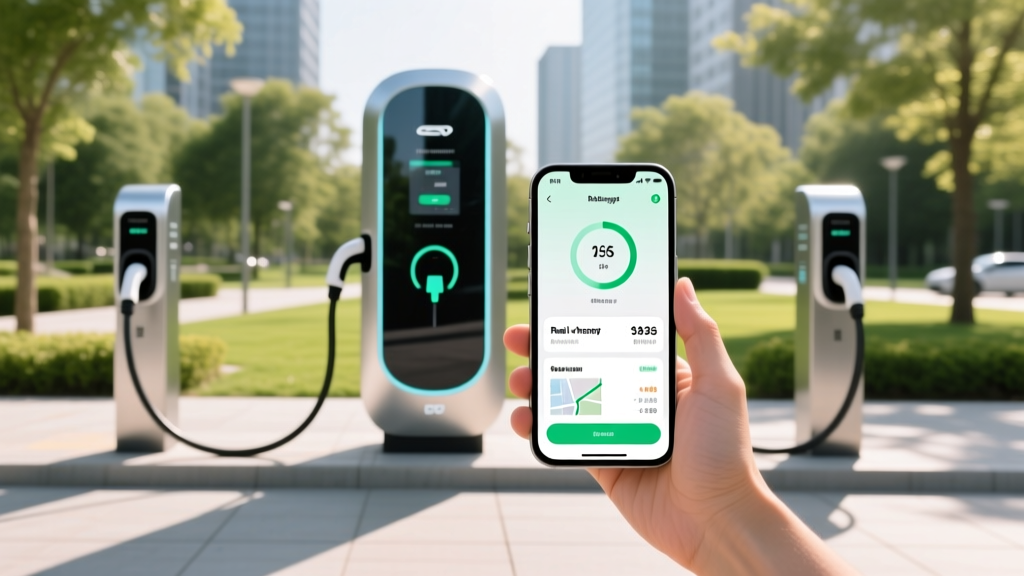
| DC Fast (Supercharger) | 400–800V DC | 150–250 kW | 500–1,000+ miles/hr (peak) | Road trips, rapid replenishment |
Home Charger Installation: Electrical Requirements and Costs
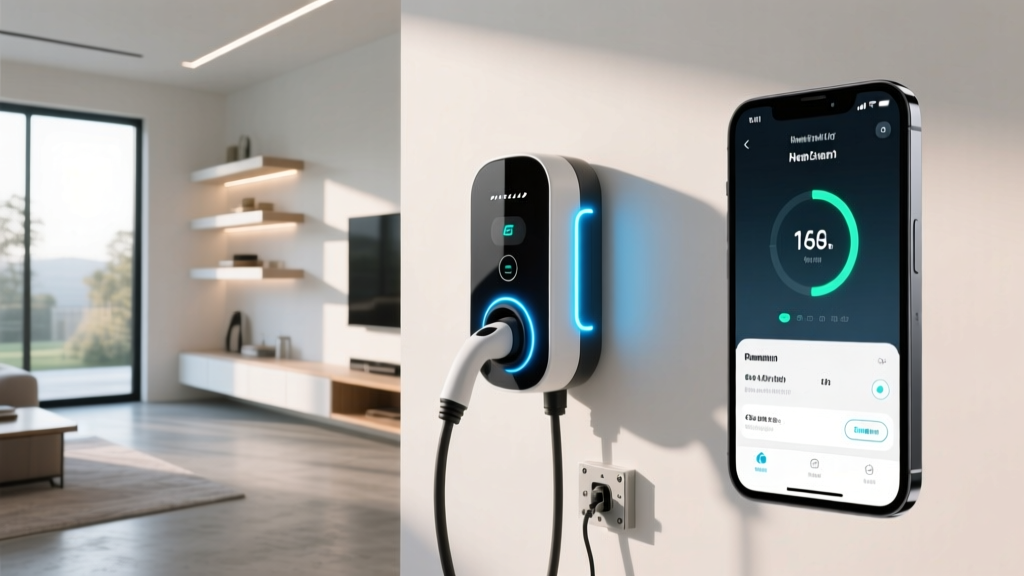
Most Tesla owners install a Level 2 home charger on a dedicated 240V circuit. The National Electrical Code (NEC) requires that continuous loads (like EV charging) use no more than 80% of a circuit's rated capacity. A 60A circuit therefore delivers 48A continuous—enough for Tesla's Wall Connector at its maximum 11.5 kW output.
What Electrical Upgrades Might You Need?
Older homes with 100A main panels often lack capacity for a 60A dedicated EV circuit. A panel upgrade to 200A can add $1,500–$3,500 to your project. Even newer homes may require a sub-panel if the main panel has no available breaker slots. Always have a licensed electrician perform a load calculation before committing to a circuit size.
| Component | Cost Range | Notes |
|---|---|---|
| Level 2 Charger (Equipment) | $350–$650 | Tesla Wall Connector, ChargePoint, Emporia |
| Electrician Labor (standard install) | $600–$1,800 | Depends on run length, conduit, wall material |
| Electrical Permit | $50–$250 | Varies by municipality |
| Panel Upgrade (if needed) | $1,500–$3,500 | 100A to 200A service upgrade |
| Total (no panel upgrade) | $1,000–$2,700 | Typical scenario for modern homes |
| Total (with panel upgrade) | $2,500–$6,250 | Common in homes built before 2000 |
Safety and Code Considerations
Your installation must include a dedicated circuit—never share it with other high-draw appliances. Outdoor installations require a NEMA 4-rated (weatherproof) enclosure or a charger rated for outdoor use. GFCI protection is mandated by NEC 2023 and later for all EV receptacles. The Tesla Wall Connector is rated NEMA 4 for outdoor mounting and includes integrated ground-fault protection.
Connector Compatibility: NACS, CCS, and Adapters
As of 2026, the North American Charging Standard (NACS)—originally developed by Tesla—has become the dominant connector for new EVs sold in the United States. All Tesla vehicles ship with a native NACS port. Non-Tesla EVs from Ford, GM, Rivian, and others now also use NACS, while older non-Tesla EVs may still carry CCS1 or CHAdeMO ports.
| Connector | Native Vehicles | Adapter Needed for Tesla? | Max DC Fast Charge Rate |
|---|---|---|---|
| NACS (Tesla) | All Tesla models, Ford F-150 Lightning, GM Ultium vehicles, Rivian (2025+) | No—native on Tesla | Up to 350 kW (V4 Supercharger) |
| CCS1 | Hyundai Ioniq 5 (pre-2025), VW ID.4, BMW iX, older non-Tesla EVs | Yes—Tesla CCS Adapter (~$175) | Up to 350 kW (network dependent) |
| CHAdeMO | Nissan Leaf (legacy), Mitsubishi Outlander PHEV | No reliable adapter for Tesla | Up to 100 kW (declining network) |
If you own a Tesla and plan to use Electrify America or other CCS-based networks, the Tesla CCS Adapter enables access to those stations. For home Level 2 charging, Tesla's Mobile Connector ships with NACS and NEMA 14-50 plugs, covering most residential scenarios.
Cost to Charge: Home vs. Public vs. Gas Comparison
Electricity pricing varies dramatically by location, time of day, and charging method. Here's how the per-mile cost breaks down for a Tesla Model 3 Long Range averaging 26 kWh/100 miles (approximately 130 MPGe combined per fueleconomy.gov):
| Charging Scenario | $/kWh | Cost per 100 Miles | Cost per Mile |
|---|---|---|---|
| Home (off-peak utility rate) | $0.10–$0.14 | $2.60–$3.64 | $0.026–$0.036 |
| Home (standard residential rate) | $0.16–$0.22 | $4.16–$5.72 | $0.042–$0.057 |
| Public Level 2 (ChargePoint, etc.) | $0.25–$0.49 | $6.50–$12.74 | $0.065–$0.127 |
| Tesla Supercharger (V3/V4) | $0.28–$0.42 | $7.28–$10.92 | $0.073–$0.109 |
| Gas Sedan (30 MPG, $3.50/gal) | — | $11.67 | $0.117 |
Even at public DC fast charging rates, the Tesla Model 3 Long Range costs less per mile than a 30 MPG gas sedan at $3.50/gallon. Home charging on off-peak rates delivers fuel costs roughly one-third that of gasoline.
Equipment Recommendations for Tesla Owners
Tesla Wall Connector (Gen 3)
- Power Output: Up to 11.5 kW (48A on a 60A circuit)
- Connector: Native NACS—no adapter required
- Cable Length: 24 feet
- Smart Features: Wi-Fi enabled, over-the-air updates, Power Sharing with multiple units, access control, scheduled charging via Tesla app
- Price: ~$475
- Best For: Dedicated Tesla households wanting seamless integration
Emporia Vue EV Charger
- Power Output: Up to 11.5 kW (48A)
- Connector: NACS (2025+ models) or J1772 with adapter
- Cable Length: 24 feet
- Smart Features: Energy monitoring, solar integration, load management, Alexa compatible
- Price: ~$399
- Best For: Solar-equipped homes or multi-EV households needing load balancing
ChargePoint Home Flex
- Power Output: Up to 12 kW (50A on a 60A circuit)
- Connector: NACS (2025+ model) or J1772
- Cable Length: 23 feet
- Smart Features: App-based scheduling, Alexa/Google integration, flexible amperage settings (16A–50A)
- Price: ~$599
- Best For: Mixed-EV households or those wanting adjustable amperage for older panels
Charging Time Examples: 10–80% for Common Tesla Batteries
Charging times vary based on battery size, state of charge, ambient temperature, and charger output. The figures below assume preconditioned batteries at moderate temperatures (65–75°F). Cold batteries (below 40°F) can add 20–40% to these times due to reduced charge acceptance.
| Model / Battery | Usable kWh | Level 2 (11.5 kW) | DC Fast (250 kW peak) | Level 1 (1.4 kW) |
|---|---|---|---|---|
| Model 3 RWD (LFP, 60 kWh) | 57.5 kWh | ~3.5 hours | ~25 minutes | ~29 hours |
| Model 3 Long Range (NMC, 82 kWh) | 79 kWh | ~4.8 hours | ~28 minutes | ~40 hours |
| Model Y Long Range (NMC, 82 kWh) | 78 kWh | ~4.7 hours | ~28 minutes | ~39 hours |
| Model S Plaid (NMC, 100 kWh) | 95 kWh | ~5.8 hours | ~33 minutes | ~48 hours |
DC fast charging times reflect the 10–80% window because charging above 80% slows dramatically—the battery management system tapers current to prevent lithium plating and thermal stress. For daily driving, Tesla recommends setting charge limits to 80% for NMC batteries and 100% for LFP batteries (which benefit from regular full charges for cell balancing). See Tesla's official battery care guidance for model-specific recommendations.
Real-World Mileage Range for Tesla: What the EPA Sticker Doesn't Tell You
- Highway driving at 75+ mph: 10–15% range loss vs. EPA (aerodynamic drag increases exponentially with speed)
- Cold weather (below 32°F): 20–35% range loss (cabin heating, battery resistance, reduced regen braking effectiveness)
- Hot weather with A/C (above 95°F): 5–10% range loss
- Mountain/elevation driving: Significant consumption uphill, partial recovery via regen downhill
- Towing (Model Y/X): 30–50% range loss depending on trailer weight and aerodynamics
A Model Y Long Range AWD with an EPA rating of 330 miles will realistically deliver 270–290 miles on a 75 mph highway trip in 70°F weather, and as little as 220–240 miles in sub-freezing winter conditions. Planning road trips around 200–220 mile segments between Supercharger stops provides a comfortable buffer.
Frequently Asked Questions
How much does it cost to install a home EV charger?
A standard Level 2 home charger installation costs $1,000–$2,700 when no panel upgrade is needed. This includes the charger unit ($350–$650), electrician labor ($600–$1,800), and a local permit ($50–$250). If your home requires a 200A panel upgrade, add $1,500–$3,500. Homes built after 2010 rarely need panel upgrades for a single EV circuit.
How fast will each charging level add range?
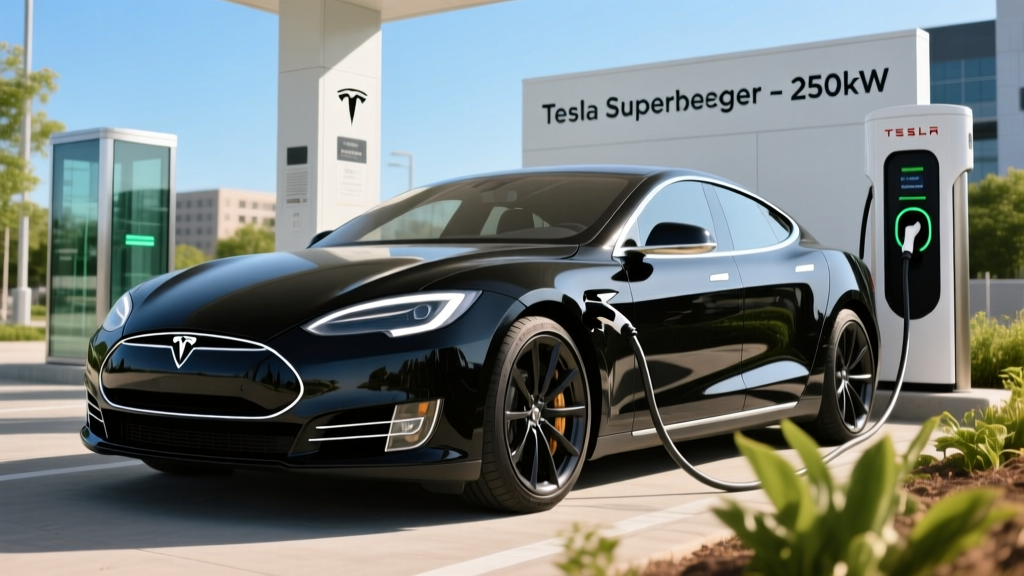
Level 1 (120V) adds 3–5 miles per hour. Level 2 (240V, 48A) adds 25–44 miles per hour depending on the vehicle's onboard charger acceptance rate. DC fast charging at 250 kW can add over 200 miles in 15 minutes at peak rates, though the charge curve tapers as the battery fills. Tesla's V4 Superchargers, now rolling out at high-traffic corridors, support up to 350 kW for compatible vehicles.
Which connector/charger is compatible with my EV?
All Tesla vehicles use the native NACS connector for both AC and DC charging. If you need to charge at non-Tesla CCS networks (Electrify America, EVgo CCS stations), the Tesla CCS Adapter ($175) is required. For home Level 2 charging, the Tesla Wall Connector or any NACS-equipped Level 2 charger works without adapters.
How much does charging cost per mile vs. gas?
Home charging at $0.13/kWh costs approximately $0.034/mile for a Model 3 Long Range (26 kWh/100mi). A comparable 30 MPG gas sedan at $3.50/gallon costs $0.117/mile—roughly 3.4× more. Even Tesla Supercharging at $0.35/kWh ($0.091/mile) undercuts gasoline in most US markets. Check your utility's time-of-use rates to optimize home charging costs.
What electrical upgrades might I need?
A dedicated 60A, 240V circuit is ideal for maximum Level 2 speed (48A continuous / 11.5 kW). If your panel lacks capacity or open breaker slots, you may need a panel upgrade (100A to 200A, costing $1,500–$3,500) or a sub-panel installation. Some utilities offer rebates for panel upgrades that support EV charging—check with your provider. The IRS §30C credit may cover up to $1,000 of home charging equipment and installation costs for eligible taxpayers.
Does frequent Supercharging degrade my Tesla battery?
Modern Tesla battery management systems are highly effective at mitigating degradation from DC fast charging. Data from Tesla's 2025 Impact Report shows Model 3/Y batteries retain approximately 85% of original capacity after 150,000 miles. Exclusive Supercharging may add 1–2% additional degradation over 100,000 miles compared to exclusive Level 2 charging, but the difference is small. The bigger longevity factor is avoiding prolonged storage at 100% SoC—set your daily charge limit to 80% for NMC batteries.