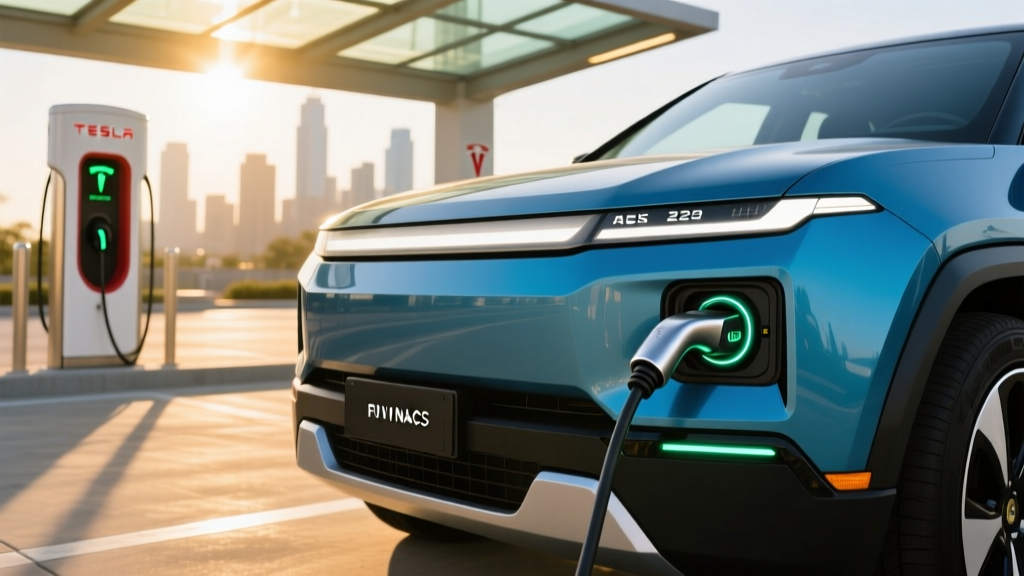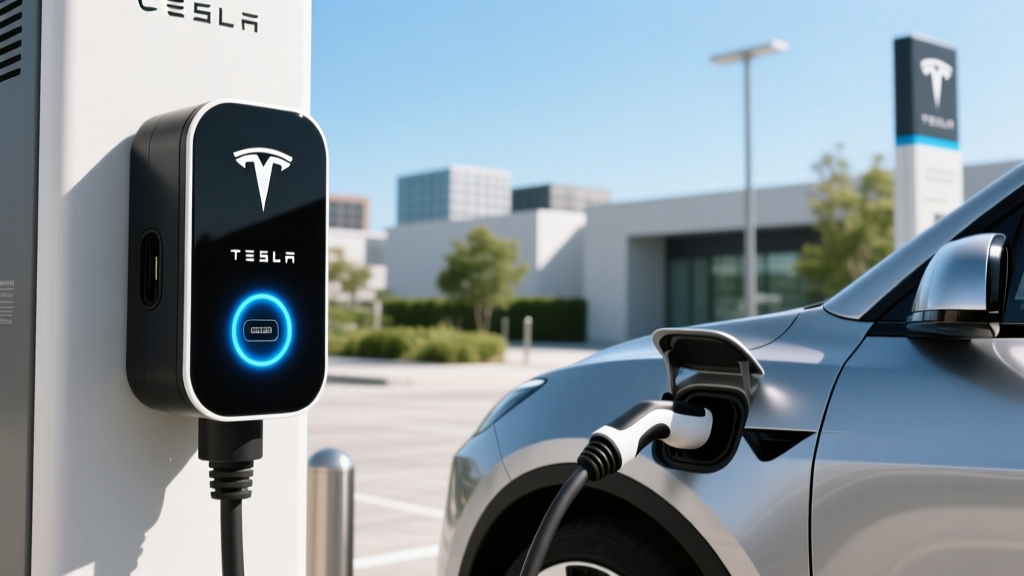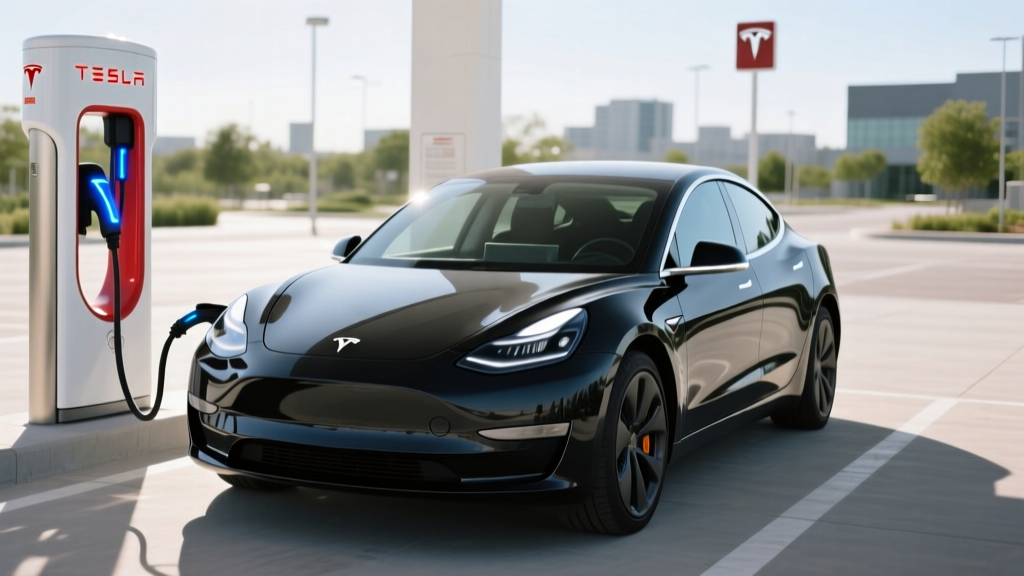
If you've searched for Tesla free Supercharging Model 3 deals, you've likely hit a wall of outdated forum posts and expired referral codes. The short answer for 2026: unlimited free Supercharging is no longer a standard perk on new Model 3 purchases. Tesla has cycled through various promotional referral credits, limited-time free Supercharging offers on inventory vehicles, and loyalty perks — but the days of every new Model 3 rolling off the line with lifetime free Supercharging ended years ago. That said, understanding how Tesla's Supercharger network, home charging, and public charging costs stack up is essential before you sign a purchase agreement.
This guide covers the real state of Tesla free Supercharging for Model 3 buyers in 2026, plus a complete breakdown of what you'll actually pay to keep a Model 3 charged — whether at home on Level 2, at a Supercharger, or using third-party DC fast networks now that Tesla's North American Charging Standard (NACS) has been adopted by nearly every major automaker.
Does Tesla Still Offer Free Supercharging on Model 3?
Tesla's free Supercharging promotions have always been a moving target. Here's the current landscape for 2026:
- Referral program credits: Tesla periodically runs referral programs where existing owners can share referral links. New buyers using a valid referral may receive a set number of free Supercharging credits (typically measured in kWh or miles, not lifetime unlimited). These promotions start and stop without much notice.
- Inventory/loaner vehicles: Tesla occasionally bundles limited free Supercharging (e.g., 10,000 miles or one year) on existing inventory Model 3 vehicles to clear stock. Always check the vehicle's listing page or ask your Tesla advisor directly.
- Used Tesla transfers: Some older Model S and Model X vehicles carry transferable lifetime free Supercharging. Model 3 vehicles almost never carry this perk on the used market — it was not a standard offering during Model 3's launch era.
- Loyalty incentives: Existing Tesla owners trading in for a new Model 3 may occasionally be offered promotional Supercharging credits as a loyalty bonus.
The bottom line: don't buy a new Model 3 assuming free Supercharging is included. Budget for charging costs and treat any free credits as a bonus. According to Tesla's official charging support page, standard pay-per-use Supercharging rates apply unless a specific promotion is attached to your vehicle's VIN.
Charging Levels Explained: How Fast Does Each Add Range?
Before we get to costs, you need to understand the three charging levels and what they mean in real-world miles added per hour. This is where many new EV buyers get confused — kW (kilowatts) measures power (how fast energy flows), while kWh (kilowatt-hours) measures energy (the battery's total capacity). Think of kW as the width of a hose and kWh as the size of the bucket.
| Level | Power (kW) | Voltage / Amperage | Miles of Range Added per Hour | Typical Use Case |
|---|---|---|---|---|
| Level 1 | 1.0–1.4 kW | 120V / 12A | 3–5 mi/hr | Overnight trickle; emergency backup |
| Level 2 (Home) | 7.2–11.5 kW | 240V / 32–48A | 25–44 mi/hr | Daily home charging; primary method for most owners |
| DC Fast (Supercharger V3/V4) | 150–250 kW (peak) | 400–800V DC | ~170 mi in 15 min (Model 3) | Road trips; rapid top-ups |
A 2026 Tesla Model 3 Long Range AWD has a usable battery capacity of approximately 75 kWh and an EPA-rated range of 341 miles. On a 48-amp Level 2 home charger (11.5 kW), you'll add roughly 44 miles of range per hour — meaning a full charge from 10% to 100% takes about 7 hours. On a V3 Supercharger peaking at 250 kW, Tesla's official spec is up to 170 miles in 15 minutes, though real-world charging curves taper significantly above 80% State of Charge (SoC).
Home Charger Installation: Electrical Requirements & Costs
Installing a Level 2 home charger is the single best investment a Model 3 owner can make. But costs vary wildly depending on your home's electrical panel, the distance from panel to charger location, and local permit requirements.
Electrical Requirements for a Model 3 Home Charger
The Tesla Wall Connector is rated for up to 48 amps continuous draw, which requires a dedicated 60-amp circuit (electrical code requires circuits to be rated at 125% of continuous load). Here's what that means in practice:
- Voltage: 240V (standard for large appliances — same as your dryer or oven)
- Amperage: 48A continuous / 60A breaker
- Wire gauge: Typically 6 AWG copper for runs up to 50 feet; 4 AWG for longer runs
- Dedicated circuit: Required — you cannot share this circuit with other appliances
If your electrical panel is already near capacity (common in homes built before 2000 with 100-amp main service), you may need a panel upgrade to 200 amps. This is one of the biggest hidden costs of EV ownership in older homes.
Installation Cost Breakdown
| Component | Typical Cost Range | Notes |
|---|---|---|
| Level 2 Charger Equipment | $400–$650 | Tesla Wall Connector ~$425; third-party options vary |
| Electrician Labor (standard install) | $600–$1,800 | Depends on run length, wall type, conduit needs |
| Permit Fees | $50–$250 | Varies by municipality; some areas waive EV permits |
| Panel Upgrade (if needed) | $1,500–$3,500 | 100A to 200A upgrade; not always required |
| Total (no panel upgrade) | $1,050–$2,700 | Most common scenario for modern homes |
| Total (with panel upgrade) | $2,550–$6,200 | Older homes with 100A service |
The IRS Residential Clean Energy Credit may cover 30% of home charging equipment and installation costs (up to $1,000) for equipment placed in service through 2032. Check IRS Form 8911 for current eligibility rules, as this credit has specific requirements about census tract qualifications.
Connector Compatibility: NACS, CCS1, and Adapters
Tesla's proprietary connector — now formally called the North American Charging Standard (NACS) — has become the dominant connector in North America. As of 2025–2026, Ford, GM, Rivian, Volvo, Polestar, Mercedes-Benz, and others have adopted NACS on new vehicles. Here's what you need to know about compatibility:
| Connector | Used By | DC Fast Charging? | Notes for Model 3 Owners |
|---|---|---|---|
| NACS (Tesla) | Tesla (all models), Ford, GM, Rivian, Volvo, others (2025+) | Yes | Native connector on Model 3; no adapter needed at Superchargers |
| CCS1 | Most non-Tesla EVs (2024 and earlier) | Yes | Model 3 cannot natively use CCS1; Tesla offers a CCS adapter (~$175) for non-Tesla DC networks |
| CHAdeMO | Nissan Leaf, Mitsubishi (legacy) | Yes | Effectively obsolete for new vehicles; no Tesla adapter available |
| J1772 | All EVs (Level 2 AC standard) | No (AC only) | Model 3 ships with a J1772-to-NACS adapter for public Level 2 stations |
For Model 3 owners, the NACS connector is a significant advantage: you get native access to Tesla's Supercharger network (over 6,500 stations and 65,000+ connectors in North America as of early 2026) without any adapter. If you want to use Electrify America, EVgo, or other third-party DC fast networks, Tesla's CCS adapter is required for stations with CCS1 cables.
Charging Costs: Home vs. Supercharger vs. Gas
This is where the economics of EV ownership crystallize. Let's break down real charging costs per mile for a 2026 Model 3 Long Range, compared to a comparable gas sedan getting 30 MPG combined.
| Charging Scenario | Cost per kWh | Cost to Add 100 Miles | Cost per Mile |
|---|---|---|---|
| Home Level 2 (national avg electricity) | $0.16/kWh | $4.00 | $0.040 |
| Home Level 2 (off-peak utility rate) | $0.09/kWh | $2.25 | $0.023 |
| Home Level 2 (high-cost state, e.g. CA) | $0.30/kWh | $7.50 | $0.075 |
| Tesla Supercharger (avg US rate) | $0.32/kWh | $8.00 | $0.080 |
| Tesla Supercharger (peak urban) | $0.45/kWh | $11.25 | $0.113 |
| Third-party DC fast (EA, EVgo) | $0.38–$0.55/kWh | $9.50–$13.75 | $0.095–$0.138 |
| Gas sedan (30 MPG, $3.50/gal) | — | $11.67 | $0.117 |
The Model 3 Long Range achieves approximately 4.0 miles per kWh (131 MPGe combined per EPA data). At home off-peak rates, charging is roughly 80% cheaper per mile than gasoline. Even at peak Supercharger rates in expensive urban markets, the Model 3 is typically cheaper or at parity with gas.
10–80% Charging Time Examples
DC fast charging speed isn't constant — it follows a curve. Peak kW rates only apply at low State of Charge (SoC), tapering as the battery fills to protect cell health. Here are real-world 10–80% times for the Model 3 Long Range (75 kWh usable):
- Tesla V4 Supercharger (250 kW peak): ~22–25 minutes (sustains ~170–200 kW below 50% SoC, tapers to ~80 kW above 60%)
- Tesla V3 Supercharger (250 kW peak): ~25–28 minutes
- Third-party DC fast (150 kW CCS with adapter): ~32–38 minutes
- 50 kW DC fast (older stations): ~65–75 minutes
Preconditioning matters: if you navigate to a Supercharger in the Tesla's built-in navigation, the car will preheat the battery en route, enabling faster charge acceptance. Arriving at a Supercharger without preconditioning (cold battery, no nav routing) can add 5–10 minutes to your session.
Recommended Home Charging Equipment for Model 3
Here are three proven Level 2 chargers well-suited to the Model 3, each with specific power output, connector, and smart features:
Tesla Wall Connector (Best Overall for Model 3)
- Power Output: Up to 11.5 kW (48A) on a 60A circuit
- Connector: NACS (native Tesla — no adapter needed)
- Cable Length: 24 feet
- Smart Features: Wi-Fi enabled, over-the-air updates, Power Sharing (link multiple units on one circuit), load management
- Price: ~$425
- Best For: Model 3/Y owners who want seamless integration and maximum home charge speed
ChargePoint Home Flex (Best Universal Option)
- Power Output: Up to 12 kW (50A) on a 60A circuit — configurable from 16A to 50A via dip switches
- Connector: J1772 (use included Tesla adapter) or NACS version available
- Cable Length: 23 feet
- Smart Features: Wi-Fi, app-based scheduling, Alexa integration, energy tracking, flexible amperage for older panels
- Price: ~$550–$650
- Best For: Multi-EV households (Tesla + non-Tesla) or homes needing flexible amperage settings
Emporia Vue Level 2 Charger (Best Budget Pick)
- Power Output: Up to 11.5 kW (48A) on a 60A circuit
- Connector: J1772 (Tesla adapter included in box)
- Cable Length: 24 feet
- Smart Features: Wi-Fi, app scheduling, solar integration (pairs with Emporia Vue energy monitor), time-of-use optimization
- Price: ~$399
- Best For: Budget-conscious buyers who want smart features without paying a premium
Safety and Electrical Code Considerations
Level 2 EV charging draws sustained high current for hours — this is not like plugging in a phone. Proper installation isn't optional; it's critical for fire safety and insurance compliance.
- Dedicated circuit required: Your Level 2 charger must have its own dedicated circuit in the panel. Sharing with other loads creates overheating risk and violates NEC (National Electrical Code) Article 625.
- GFCI protection: The 2020 NEC and later require GFCI (Ground Fault Circuit Interrupter) protection for EV charging outlets in garages and outdoor locations. Hardwired installations (like the Tesla Wall Connector) may not require a separate GFCI breaker in all jurisdictions — check local code.
- Outdoor rating: If mounting outdoors, the charger must carry a NEMA 4 or NEMA 4X rating for weather resistance. The Tesla Wall Connector and ChargePoint Home Flex both carry outdoor ratings.
- Permit and inspection: Most municipalities require an electrical permit for new 240V circuits. Your electrician should pull this permit — unpermitted work can void homeowner's insurance coverage and cause issues at resale.
- Never use extension cords: EV charging requires dedicated, properly gauged wiring. Extension cords (even heavy-duty ones) introduce resistance, heat, and fire risk.
Always hire a licensed electrician familiar with NEC Article 625 (Electric Vehicle Charging System Equipment). Ask whether they've installed EV chargers before — the continuous-load requirements differ from standard appliance circuits.
Frequently Asked Questions
How much does it cost to install a home EV charger for my Model 3?
A standard Level 2 installation (Tesla Wall Connector, 60A circuit, moderate run length) typically costs $1,050–$2,700 including equipment, electrician labor, and permit. If your home needs a 200A panel upgrade, add $1,500–$3,500. The federal Residential Clean Energy Credit may cover 30% of costs (up to $1,000) for qualifying installations.
How fast will each charging level add range to my Model 3?
Level 1 (120V) adds 3–5 miles per hour — useful only for overnight trickle or emergencies. Level 2 (240V, 48A) adds 30–44 miles per hour and is the daily charging method for most owners. DC fast charging at a Tesla V3/V4 Supercharger can add up to 170 miles in 15 minutes under ideal conditions, though real-world 10–80% sessions take 22–28 minutes.
Which connector is compatible with my Tesla Model 3?
The Model 3 uses the NACS connector natively. It works at all Tesla Superchargers and Destination Chargers without adapters. For public Level 2 stations with J1772 connectors, Tesla includes a J1772-to-NACS adapter in the glovebox. For non-Tesla DC fast chargers with CCS1 cables, you'll need Tesla's optional CCS adapter (~$175).
How much does charging a Model 3 cost per mile vs. gasoline?
At the national average electricity rate ($0.16/kWh), a Model 3 Long Range costs about $0.04 per mile at home — roughly 65% cheaper than a 30 MPG gas car at $3.50/gallon ($0.12/mile). Supercharger rates average $0.32/kWh nationally ($0.08/mile), still cheaper than gas in most markets.
What electrical upgrades might I need for a home charger?
Homes with 200-amp electrical service typically have sufficient capacity for a 60A EV charger circuit. Homes with 100-amp service (common in pre-2000 construction) often require a panel upgrade to 200A, costing $1,500–$3,500. Your electrician will perform a load calculation to determine if an upgrade is needed based on your existing circuits (HVAC, dryer, range, etc.).
Is Tesla free Supercharging transferable if I sell my Model 3?
No. Promotional free Supercharging credits tied to a Model 3 purchase are generally non-transferable and expire with the original owner's tenure. Only certain legacy Model S and Model X vehicles carry transferable lifetime free Supercharging, and this was never a standard Model 3 offering.