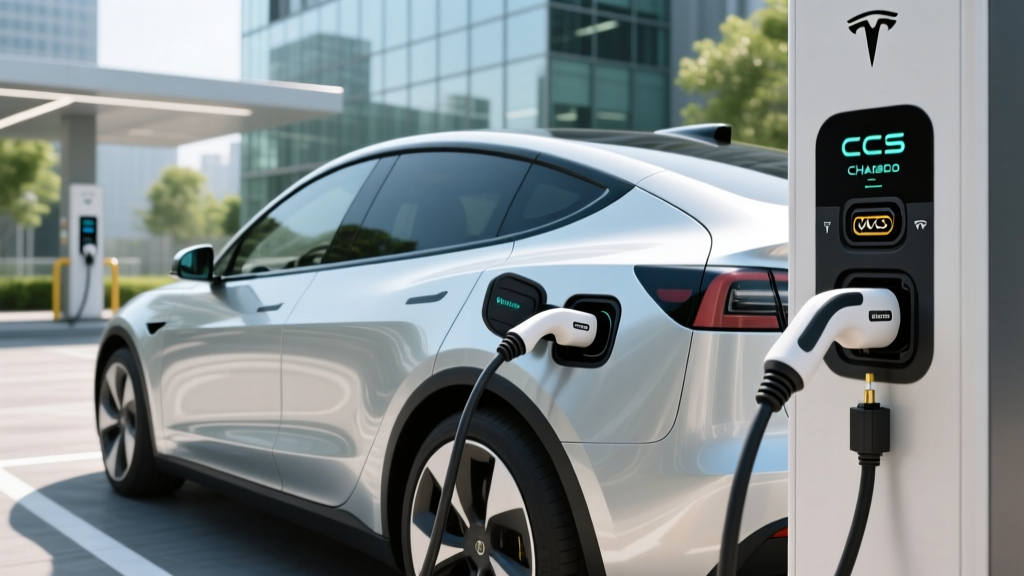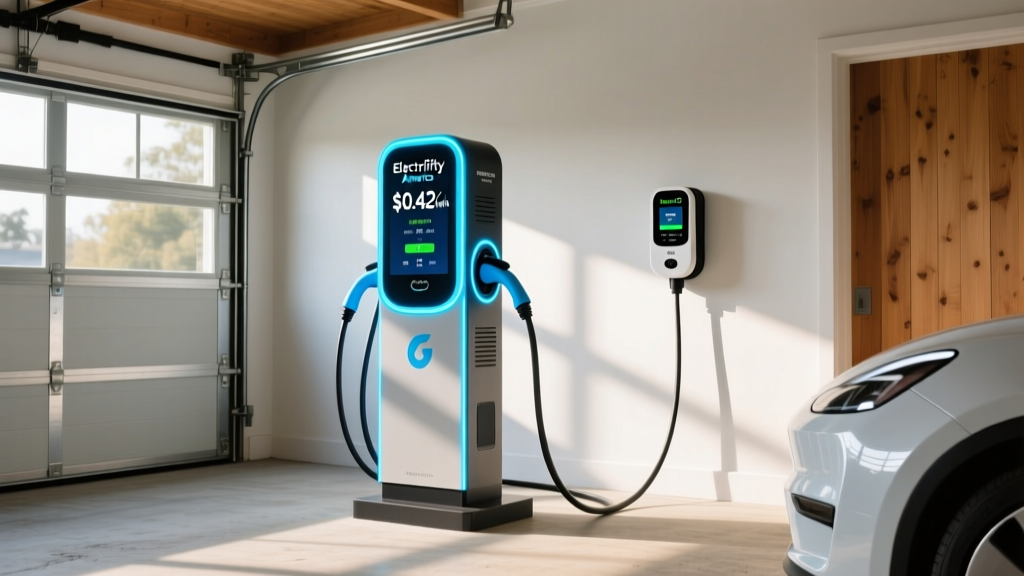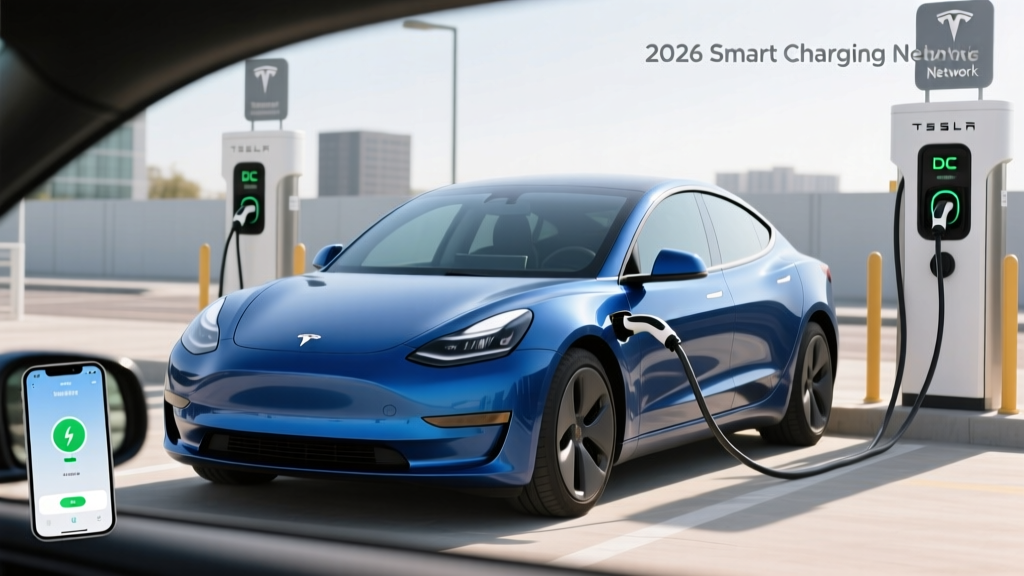
If you've searched for Tesla free Supercharging, you've likely encountered a tangle of expired promotions, referral credits, and legacy perks. As of 2026, unlimited free Supercharging is essentially gone for new Tesla buyers, but niche programs, referral bonuses, and destination-charging partnerships still offer ways to offset your charging costs. This guide cuts through the confusion: we'll show you exactly what free-charging options remain, what Supercharging actually costs per mile today, and how a properly sized home Level 2 setup almost always beats public DC fast charging on both cost and convenience.
The Truth About Tesla Free Supercharging in 2026
Tesla ended its flagship unlimited free Supercharging transfer program years ago, and the automaker no longer bundles free miles with new Model 3, Model Y, Model S, or Model X purchases as a standard incentive. What remains in 2026 are targeted, limited-duration promotions:
- Referral credits: Tesla's referral program periodically awards Supercharging credits (typically 1,000–3,000 miles worth) to both referrer and buyer. These expire, are region-dependent, and are not guaranteed quarter to quarter.
- Loyalty / trade-in offers: Tesla occasionally grants 10,000–20,000 free Supercharging miles to existing owners who trade in and order a new vehicle. Check your Tesla account offers tab — these are not advertised publicly.
- Destination Charging: Hotels, resorts, and restaurants with Tesla Wall Connectors offer free or validated Level 2 charging to guests. These are slower (typically 11.5 kW / ~44 mph of range) but genuinely free while you stay or dine.
- Fleet / rental programs: Some corporate fleets and rental partners include Supercharging in the daily rate.
Bottom line: plan your ownership economics around paying for Supercharging or, better yet, installing a home Level 2 charger. Treat any free credits as a bonus, not a baseline.
What Supercharging Actually Costs Per Mile
As of early 2026, Tesla Supercharger rates in the U.S. average $0.30–$0.45 per kWh depending on region and time of day, with peak urban sites hitting $0.50+. For a Model Y Long Range (75 kWh usable battery, EPA 310 miles), a 10–80% session adds roughly 52 kWh, costing approximately $16–$23 and delivering ~215 miles of range. That translates to $0.07–$0.11 per mile at Supercharger rates.
| Source | $/kWh or $/gal | Cost per mile* |
|---|---|---|
| Home Level 2 (national avg electricity) | $0.16/kWh | $0.04 |
| Home Level 2 (off-peak TOU rate) | $0.09/kWh | $0.02 |
| Tesla Supercharger (avg) | $0.35/kWh | $0.09 |
| Third-party DC fast (EA, EVgo) | $0.45/kWh | $0.12 |
| Gasoline (30 MPG combined, $3.40/gal) | $3.40/gal | $0.11 |
*Based on a 3.8 mi/kWh efficient EV (Model Y RWD) and 30 MPG gas baseline. Source: EPA fueleconomy.gov
Home charging at off-peak rates is 4–5× cheaper than Supercharging and roughly 5× cheaper than gasoline per mile. This is the single strongest economic argument for EV ownership — but only if you can install Level 2 at home.
Charging Levels Explained: Speed, kW, and Real-World Times
EV charging breaks into three tiers. Understanding the difference between kW (power — how fast energy flows) and kWh (energy — how much the battery holds) is critical. Think of kW as the flow rate of a hose and kWh as the size of the bucket.
| Level | Voltage / Amps | Power (kW) | Miles of range added per hour | Typical use |
|---|---|---|---|---|
| Level 1 | 120V / 12A | 1.4 kW | 3–5 mi/hr | Overnight trickle, PHEVs, emergencies |
| Level 2 | 240V / 32–48A | 7.7–11.5 kW | 25–44 mi/hr | Home daily charging, workplaces, destinations |
| DC Fast (Supercharger / CCS) | 400–800V DC | 50–350 kW peak | 150–1,000+ mi/hr (peak) | Road trips, quick top-ups |
Realistic charging time examples (10–80% SoC)
Charge curves taper significantly above 80% — peak kW is never sustained for the full session. Here's what to expect for common battery sizes:
- Tesla Model Y Long Range (75 kWh): ~25 minutes at a V3 Supercharger (250 kW peak, tapering to ~60 kW by 80%).
- Ford F-150 Lightning Extended Range (131 kWh): ~41 minutes at a 150 kW CCS station (peak ~115 kW sustained mid-SoC).
- Hyundai Ioniq 5 (77.4 kWh): ~18 minutes at a 350 kW charger thanks to its 800V architecture.
- Level 2 home (11.5 kW, 48A): 7–11 hours from 10–80% depending on battery size — perfectly suited to overnight charging.
Home Level 2 Installation: Costs, Electrical Requirements, and Gotchas
A home Level 2 charger is the single highest-impact upgrade for EV ownership. Here's what a proper installation entails.
Electrical requirements
- Circuit: Dedicated 240V circuit, typically 40A or 60A breaker (charger draws 80% continuous = 32A or 48A respectively).
- Wire gauge: 6 AWG copper for 48A circuits; 8 AWG may suffice for 32A depending on run length.
- Panel capacity: Most modern 200A panels can accommodate a 40–60A EV circuit. Older 100A panels or panels near capacity may require a service upgrade to 200A ($1,500–$3,500) or a smart load-management device like the Emporia V2 with automatic load shedding.
- Permit: Required in most jurisdictions; costs $50–$250 and ensures inspection.
| Component | Cost range |
|---|---|
| Level 2 charger hardware (40–48A, NACS or J1772) | $400–$700 |
| Electrician labor (standard install, <50 ft run) | $600–$1,500 |
| Permit and inspection | $50–$250 |
| Panel upgrade (if needed, 100A→200A) | $1,500–$3,500 |
| Total typical install (no panel upgrade) | $1,050–$2,450 |
| Total with panel upgrade | $2,550–$5,950 |
Safety and code considerations
- GFCI protection: NEC 2020+ requires GFCI for outdoor receptacles; hardwired chargers often bypass this requirement and are generally preferred for reliability.
- Outdoor rating: If mounting outdoors, confirm NEMA 4 (weatherproof) rating on the charger enclosure.
- Hardwired vs plug: Hardwired installations allow up to 48A continuous draw and eliminate the failure-prone NEMA 14-50 receptacle. Plug-in (14-50) limits you to 40A breaker / 32A continuous and is best only if portability matters.
- Dedicated circuit: Never share the EV circuit with other high-draw appliances (dryer, oven).
Federal tax credit for home charging equipment
The IRS §30C Alternative Fuel Vehicle Refueling Property Credit covers 30% of home charger hardware and installation costs, up to $1,000, for equipment placed in service through 2032 — but only in eligible census tracts (low-income or non-urban). Verify your address eligibility before counting on it.
Connector Compatibility: NACS, CCS, CHAdeMO, and Adapters
The North American Charging Standard (NACS), pioneered by Tesla, has become the dominant connector for new EVs sold in the U.S. as of 2025–2026. Here's where each brand stands:
| Brand | Native connector | Supercharger access | Adapter needed? |
|---|---|---|---|
| Tesla (all models) | NACS | Yes, native | No (CCS adapter optional for third-party DC) |
| Ford (EVs 2025+) | NACS | Yes, native | No |
| GM (2025+ EVs) | NACS | Yes, native | No |
| Rivian (2025+) | NACS | Yes, native | No |
| Hyundai / Kia (2025+) | NACS | Yes, native | No |
| Older CCS EVs (2024 and prior) | CCS1 | Yes, with NACS adapter | Yes — manufacturer-provided NACS adapter (~$200–$250) |
| Nissan Leaf (legacy) | CHAdeMO | No | CHAdeMO-to-NACS adapters rare; use CCS networks |
Tesla's NACS Supercharger network is now open to non-Tesla EVs at most U.S. stations, though non-Tesla vehicles pay a slightly higher per-kWh rate unless they subscribe to Tesla's monthly membership ($12.99/month as of 2026).
Recommended Home Level 2 Chargers for 2026
Tesla Wall Connector (Gen 3)
- Power output: 11.5 kW (48A) on a 60A circuit
- Connector: Native NACS; J1772 version also available
- Cable length: 24 ft
- Smart features: Wi-Fi, OTA updates, load sharing between two units, access control
- Price: ~$475
- Best for: Tesla owners; cleanest integration with Tesla app
Emporia Vue Level 2 Charger
- Power output: 11.5 kW (48A)
- Connector: J1772 (NACS adapter available)
- Cable length: 24 ft
- Smart features: Energy monitoring, solar integration, TOU scheduling, load management
- Price: ~$400
- Best for: Solar owners and budget-conscious installs
ChargePoint Home Flex
- Power output: Up to 12 kW (50A) on a 60A circuit
- Connector: J1772 (NACS adapter sold separately)
- Cable length: 23 ft
- Smart features: App scheduling, Alexa integration, flexible amperage dip-switch
- Price: ~$550
- Best for: Multi-EV households with mixed connectors
Grizzl-E Smart
- Power output: 9.6 kW (40A)
- Connector: J1772
- Cable length: 24 ft
- Smart features: Basic app, extreme cold-rated (-40°F), rugged aluminum case
- Price: ~$450
- Best for: Cold-climate outdoor installs
When Supercharging Beats Home Charging (and When It Doesn't)
Supercharging's value proposition is road-trip speed, not daily cost efficiency. Here's the decision framework:
- Choose Supercharging when: You're on a highway trip, need 200+ miles in 25 minutes, or lack home charging access (apartment dwellers — check if your building offers shared Level 2).
- Choose home Level 2 when: You park in a garage or driveway overnight, drive under 250 miles/day (most U.S. drivers average 37 miles/day per FHWA data), and want the lowest per-mile cost.
- Avoid daily Supercharging if possible: Repeated DC fast charging accelerates battery degradation modestly — expect ~2–4% additional capacity loss over 5 years vs. predominantly Level 2 charging, based on NREL battery aging studies.
Frequently Asked Questions
Does Tesla still offer free Supercharging with new car purchases?
No — as of 2026, Tesla does not include free Supercharging as a standard benefit with new Model 3, Model Y, Model S, or Model X purchases. Limited referral credits and loyalty promotions are available sporadically; check your Tesla account for active offers.
Can I transfer free Supercharging from my old Tesla to a new one?
Unlimited free Supercharging tied to the vehicle (common on pre-2017 Model S/X) does not transfer to a new Tesla when you sell or trade in. Tesla discontinued transferability in 2017. The credit stays with the original VIN and ends when that car is sold to a non-original owner.
How much does it cost to install a home EV charger?
A standard Level 2 home installation (48A, hardwired, no panel upgrade) typically costs $1,050–$2,450 including equipment, electrician labor, and permit. If your home requires a 100A-to-200A panel upgrade, add $1,500–$3,500. Always get 2–3 quotes from licensed electricians.
How fast will each charging level add range?
Level 1 (120V) adds 3–5 miles per hour. Level 2 (240V, 48A) adds 30–44 miles per hour. DC fast charging (150–250 kW) can add 150–250 miles in 15–25 minutes, though speeds taper sharply above 80% State of Charge.
Which connector is compatible with my EV?
Most 2025–2026 EVs now use the NACS (Tesla) connector natively, including Ford, GM, Rivian, Hyundai, and Kia. Older CCS-equipped EVs (2024 and prior) require a manufacturer-provided NACS adapter (~$200–$250) to access Superchargers. CHAdeMO (Nissan Leaf) is legacy and cannot access Superchargers.
How much does charging cost per mile vs gas?
At the U.S. average residential electricity rate ($0.16/kWh), home EV charging costs ~$0.04/mile. Gasoline at $3.40/gal in a 30 MPG vehicle costs ~$0.11/mile. Supercharging averages $0.09/mile — still cheaper than gas but more than double home rates.
What electrical upgrades might I need for a home charger?
Homes with a 200A electrical panel typically need no upgrade for a 40–60A EV circuit. Older homes with 100A panels, or panels already near capacity (multiple EVs, electric heat, pool), may need a service upgrade ($1,500–$3,500) or a smart load-management system to avoid overloading the panel.