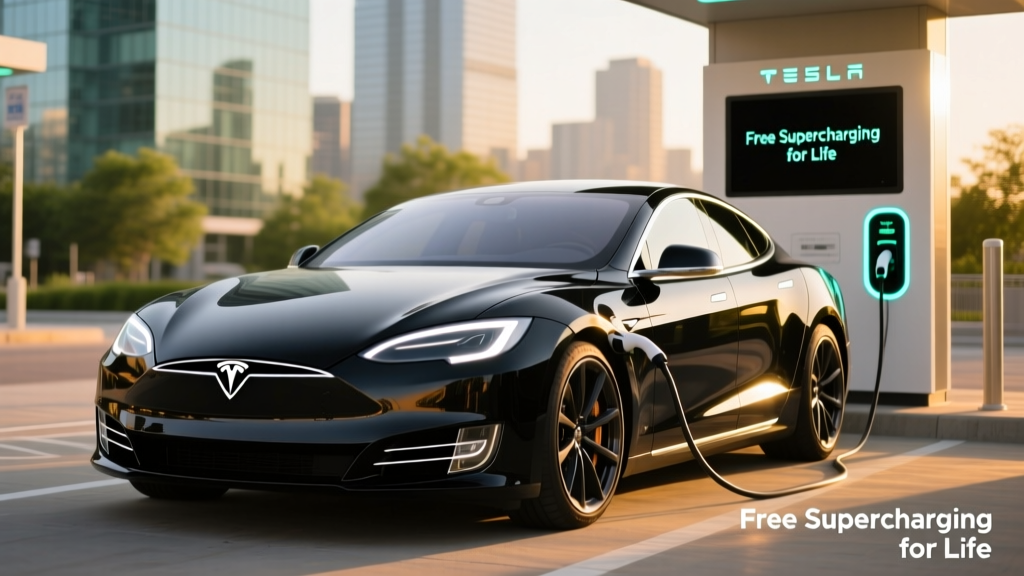
If you've been browsing used EV listings, you've likely spotted the phrase "Tesla with free Supercharging for life for sale" and wondered whether it's a genuine money-saver or just marketing bait. The short answer: it can save thousands over a vehicle's lifetime — but only if the free charging is actually transferable, you drive enough highway miles to use it, and you don't overpay for the privilege. Here's how to evaluate these listings in 2026, plus a complete guide to charging a used Tesla at home and on the road.
What "Free Supercharging for Life" Actually Means
Tesla offered unlimited free Supercharging as a purchase incentive on Model S and Model X vehicles ordered before specific cutoff dates. The two key variants are:
- Transferable Free Unlimited Supercharging (FUSC): Tied to the vehicle, transfers to subsequent owners. This is the gold standard and the one you want. Most commonly found on Model S/X ordered before January 15, 2018, and certain promotional periods in 2019.
- Non-transferable FUSC: Tied to the original owner. Expires when the car is sold. Avoid these — some sellers don't realize (or don't disclose) the distinction.
To verify transferable status, request the vehicle's VIN and confirm in the Tesla app or through Tesla support that FUSC is active and will transfer at ownership change. As of 2026, Tesla no longer offers free unlimited Supercharging on new vehicles; the perk exists only on legacy used inventory.
How Much Does Free Supercharging Actually Save?
Let's quantify the real-world value before you pay a premium for a used Model S or X with FUSC.
| Scenario | Rate | 12,000 mi/yr | 15,000 mi/yr |
|---|---|---|---|
| Home Level 2 (off-peak utility) | $0.13/kWh | $520 | $650 |
| Home Level 2 (standard rate) | $0.18/kWh | $720 | $900 |
| Public DC Fast (non-Tesla) | $0.40/kWh | $1,600 | $2,000 |
| Tesla Supercharger V3/V4 (pay-per-use) | $0.32/kWh | $1,280 | $1,600 |
| Free Supercharging (FUSC) | $0.00 | $0 | $0 |
Bottom line: If you road-trip frequently and rely on Superchargers for 50% or more of your charging, FUSC saves $640–$1,000+ per year versus pay-per-use Supercharging. Over 5 years of ownership, that's $3,200–$5,000 in avoided costs — meaningful, but weigh it against the typical $3,000–$8,000 price premium these cars command on the used market.
Charging Levels Explained: Speeds, kW, and Miles per Hour
Understanding the three charging tiers is essential whether you buy a FUSC Tesla or not. Remember: kW (kilowatts) measures charging power — the rate at which energy flows. kWh (kilowatt-hours) measures battery energy capacity. They are not interchangeable.
| Level | Voltage / Amps | Max Power (kW) | Miles of Range per Hour | Best For |
|---|---|---|---|---|
| Level 1 | 120V / 12A | 1.4 kW | 3–5 mi/hr | Overnight trickle, PHEVs, emergency |
| Level 2 | 240V / 32–48A | 7.7–11.5 kW | 25–44 mi/hr | Daily home charging |
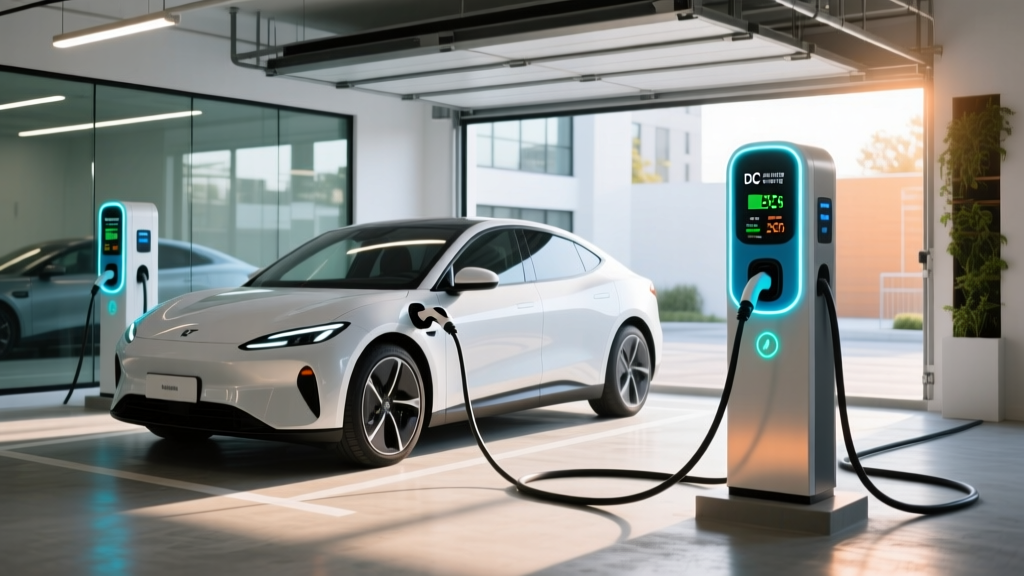
| DC Fast (Supercharger V3) | 400–800V DC | 250 kW | ~1,000 mi/hr (peak) | Road trips, quick top-ups |
| DC Fast (Supercharger V4) | Up to 900V DC | Up to 350 kW (2026 rollout) | ~1,200+ mi/hr (peak) | Newer Tesla models, Cybertruck |
Real-world charging times (10–80% SoC):
- Model S 100 kWh battery on Supercharger V3 (250 kW peak): ~28–35 minutes (charge curve tapers above 50% SoC)
- Model 3 75 kWh battery on Level 2 (11.5 kW): ~5–6 hours
- Model X 100 kWh on Level 2 (11.5 kW): ~7–8 hours
Peak kW is never sustained across the full session. Expect average rates of 100–130 kW on a V3 Supercharger for a Model S 100 kWh pack, which is why a "250 kW charger" doesn't fill a 100 kWh battery in 24 minutes.
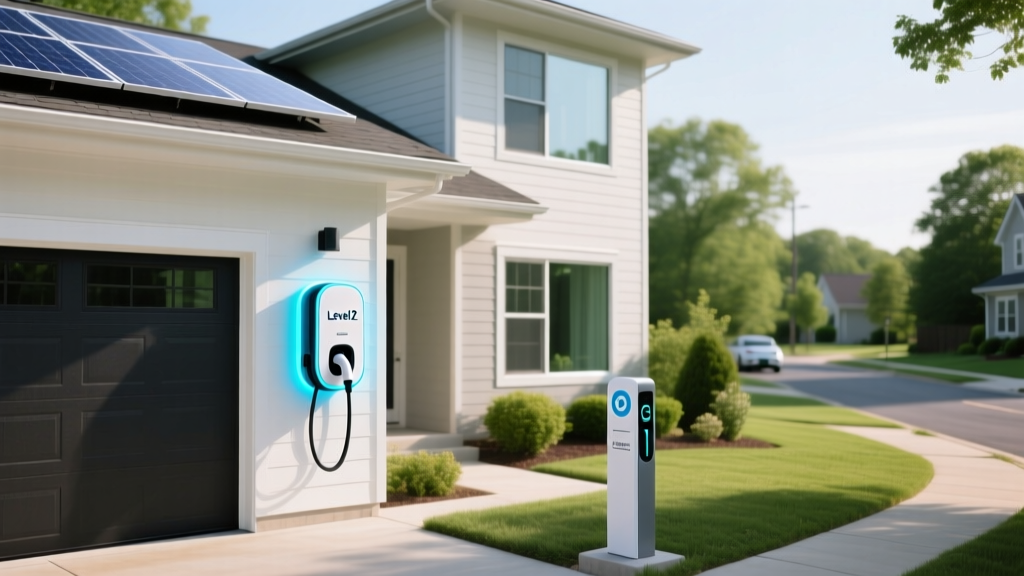
Home Charger Installation: Cost, Requirements, and Gotchas
Even with free Supercharging, 80–90% of your charging will happen at home. Here's what a Level 2 installation actually involves and costs in 2026.
Electrical Requirements
- Circuit: Dedicated 240V circuit, typically 60A breaker (supports continuous 48A charging per NEC 80% rule)
- Wire gauge: 6 AWG copper for 60A circuits; 4 AWG for longer runs over 100 feet
- Connector: NEMA 14-50 outlet or hardwired connection (hardwired is preferred for 48A+ chargers and avoids GFCI nuisance trips)
- Permit: Required in most jurisdictions; expect $50–$200 depending on locality
Panel Upgrade Reality
Older homes (pre-2000) with 100A electrical service may not have spare capacity for a 60A EV circuit. A panel upgrade to 200A service costs $1,500–$3,500 on average. Before purchasing any used EV, have a licensed electrician perform a load calculation on your panel — this is the single most overlooked cost in EV adoption.
| Component | Low End | Typical | High End |
|---|---|---|---|
| Level 2 charger (hardware) | $300 | $500 | $750 |
| Electrician labor (short run <30 ft) | $400 | $700 | $1,200 |
| Permit & inspection | $50 | $125 | $250 |
| Panel upgrade (if needed) | $1,500 | $2,500 | $3,500 |
| Total (no panel upgrade) | $750 | $1,325 | $2,200 |
| Total (with panel upgrade) | $2,250 | $3,825 | $5,700 |
Connector Compatibility: NACS, CCS, and Adapter Needs
If you buy a used Tesla, connector compatibility is straightforward — Teslas use the proprietary NACS (North American Charging Standard) port, which is now becoming the industry standard. But if you're cross-shopping a used Tesla against a CCS-equipped EV (like a pre-2025 Hyundai Ioniq 5 or Ford Mustang Mach-E), here's what you need to know.
| Connector | Brands Using It (2026) | Adapter Needed for Tesla Superchargers? |
|---|---|---|
| NACS (Tesla) | Tesla (all), Ford, GM, Rivian, Hyundai, Kia (2025+), Volvo, Polestar | No — native access |
| CCS1 | Legacy VW ID.4, older BMW iX, pre-2025 models from various brands | Yes — CCS-to-NACS adapter (~$200–$250) required for Supercharger access |
| CHAdeMO | Nissan Leaf (legacy only, discontinued) | Not compatible; CHAdeMO network shrinking |
By 2026, the vast majority of new EVs sold in the US ship with NACS ports. If you buy a used non-Tesla EV with CCS1, you'll need a Tesla CCS adapter to access Superchargers. Check Tesla's official adapter compatibility list before purchasing a used CCS vehicle.
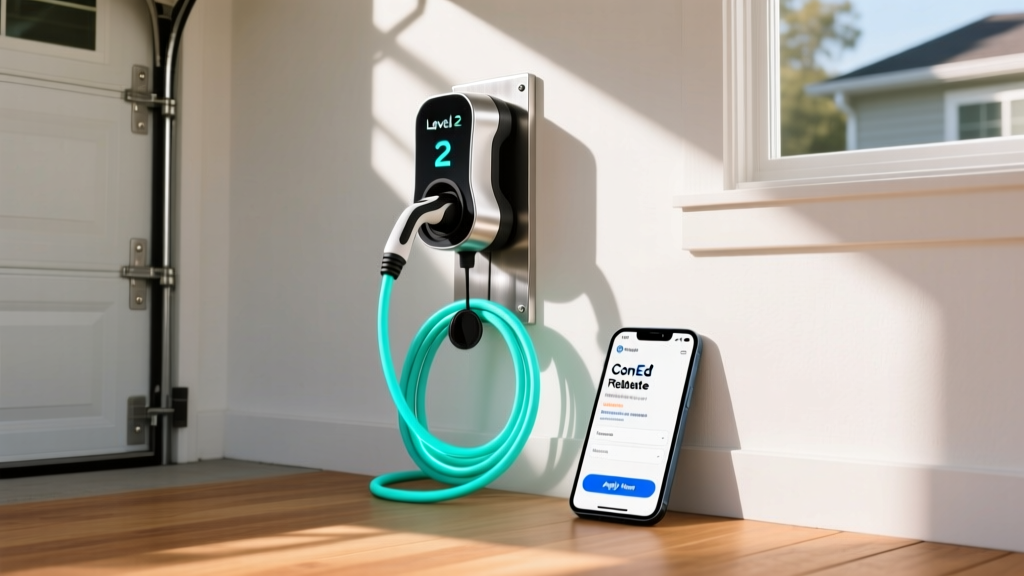
Recommended Home Chargers for Your Tesla (or Any NACS EV)
These are the Level 2 chargers we recommend based on real-world reliability, power output, and smart features. All use the NACS connector natively or include a J1772-to-NACS adapter.
| Charger | Max Power | Cable Length | Smart Features | Price (MSRP) |
|---|---|---|---|---|
| Tesla Wall Connector | 11.5 kW (48A) | 24 ft | Wi-Fi, OTA updates, load sharing, NACS native | $475 |
| ChargePoint Home Flex | 12 kW (50A) | 23 ft | App scheduling, Alexa, adjustable amperage | $699 |
| Emporia Vue Level 2 | 11.5 kW (48A) | 24 ft | Energy monitoring, solar integration, budget option | $399 |
| Grizzl-E Smart | 10 kW (40A) | 24 ft | OCPP, extreme cold rated (-40°F), rugged build | $549 |
Our pick for Tesla owners: The Tesla Wall Connector at $475 offers the best value — native NACS, 48A output (adds ~35 miles per hour on a Model S), and power-sharing capability if you install two units on one circuit. For non-Tesla NACS EVs, the ChargePoint Home Flex provides the most flexible amperage adjustment to match your panel capacity.
Safety, Code, and Installation Best Practices
EV charging draws sustained high current for hours — this is not the same as plugging in a dryer. Key safety requirements per the National Electrical Code (NEC) Article 625:
- Dedicated circuit: Your EV charger must have its own breaker — no sharing with other appliances
- Continuous load derating: NEC requires circuits to be rated 125% above continuous load. A 48A charger needs a 60A breaker
- GFCI protection: Required for outdoor receptacles (NEMA 14-50). Hardwired installations avoid GFCI requirements and nuisance tripping — we recommend hardwiring whenever possible
- Outdoor rating: If your charger is outside, ensure NEMA 4 (weatherproof) rating. Most quality chargers (Tesla Wall Connector, Grizzl-E) carry this
- Permit and inspection: Skipping the permit risks insurance denial in the event of an electrical fire. Always pull a permit
Should You Pay More for Free Supercharging?
Here's a practical decision framework for evaluating a Tesla with free Supercharging for life for sale:
Buy the FUSC Tesla if:
- You drive 15,000+ miles/year with frequent road trips
- The price premium over an equivalent non-FUSC model is under $4,000
- You've confirmed the FUSC is transferable via Tesla support
- The vehicle's battery health (State of Health) is above 85% — check via the Tesla app or third-party diagnostics
Skip the FUSC Tesla if:
- You charge at home 90%+ of the time (home electricity at $0.13/kWh is already cheap)
- The seller is asking $6,000+ more than an identical non-FUSC vehicle
- The FUSC is non-transferable (verify before committing)
- The car is a high-mileage Model S/X with unknown battery history
Frequently Asked Questions
How much does it cost to install a home EV charger?
A typical Level 2 home installation (48A, 60A circuit) costs $750–$2,200 including charger hardware, electrician labor, and permit — assuming your electrical panel has spare capacity. If you need a panel upgrade from 100A to 200A service, add $1,500–$3,500. Always get a load calculation from a licensed electrician before purchasing equipment.
How fast will each charging level add range?
Level 1 (120V) adds 3–5 miles per hour — adequate only for PHEVs with small batteries. Level 2 (240V, 48A) adds 30–44 miles per hour depending on vehicle efficiency, fully replenishing a Tesla Model S overnight. DC fast charging (Supercharger V3 at 250 kW) adds up to 200 miles in 15 minutes at peak rate, though the charge curve tapers significantly above 50% State of Charge.
Which connector and charger is compatible with my EV?
All Tesla vehicles use the NACS connector natively and can access Tesla Superchargers and Destination Chargers without adapters. Non-Tesla EVs from 2025 onward (Ford, GM, Hyundai, Kia, Rivian) also use NACS. Older CCS-equipped EVs require a CCS-to-NACS adapter (~$200–$250) for Supercharger access. CHAdeMO vehicles (Nissan Leaf) cannot use Superchargers.
How much does charging cost per mile versus gas?
Home charging at $0.13/kWh in a Tesla Model S (averaging 3 miles per kWh) works out to roughly $0.043 per mile. A comparable gas sedan getting 28 MPG at $3.40/gallon costs $0.121 per mile — nearly 3x more. Even public DC fast charging at $0.40/kWh ($0.133/mile) is competitive with gas. With free Supercharging, your road-trip fuel cost drops to zero.
What electrical upgrades might I need?
The most common upgrade is a panel capacity increase. Homes with 100A service often need an upgrade to 200A to support a 60A EV circuit alongside existing loads. Other potential needs: running new conduit for long wire runs (over 100 feet from panel to garage), upgrading from a 3-prong to 4-prong NEMA 14-50 outlet, or installing a sub-panel in a detached garage. Budget $1,500–$3,500 for a panel upgrade and get quotes from at least two licensed electricians.
Is the federal EV tax credit available on used Teslas with FUSC?
Under IRS §25E, the used EV credit offers up to $4,000 (30% of sale price, capped) for vehicles priced at $25,000 or less, purchased from a dealer, subject to buyer income limits ($75K single / $150K married filing jointly). Many FUSC-equipped Model S/X vehicles exceed the $25,000 cap, making them ineligible. Verify current rules on IRS.gov and consult a tax professional before relying on the credit.