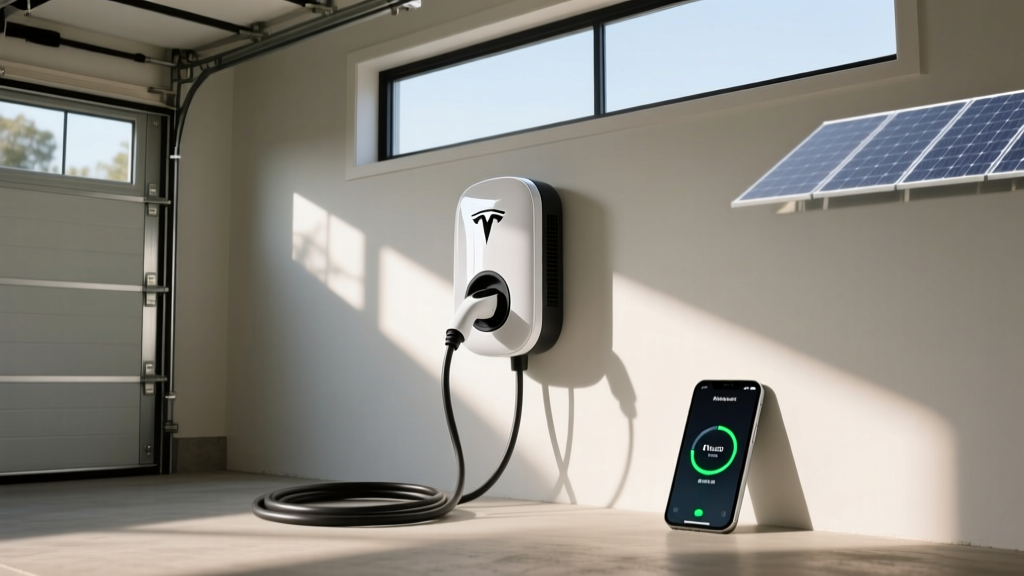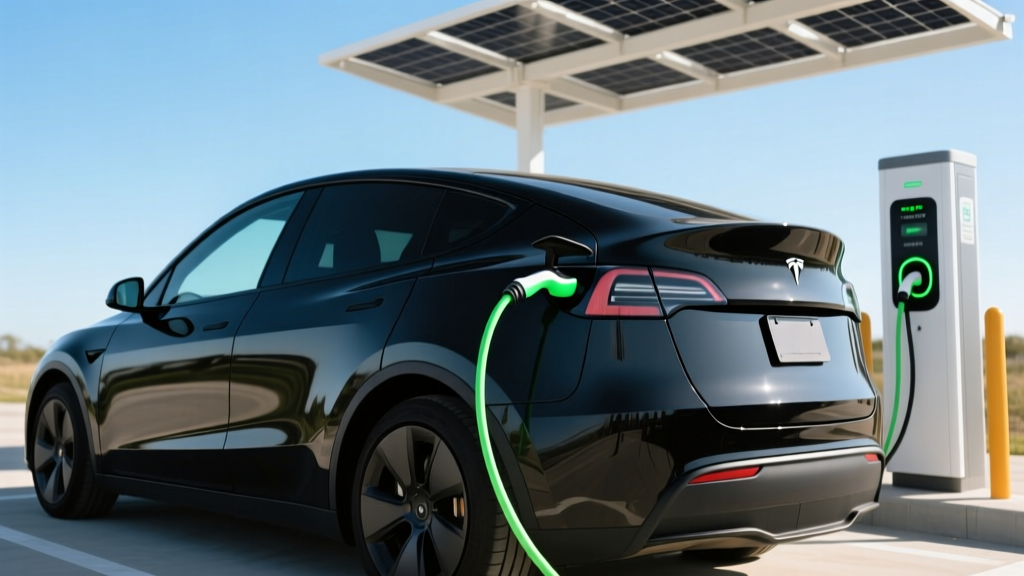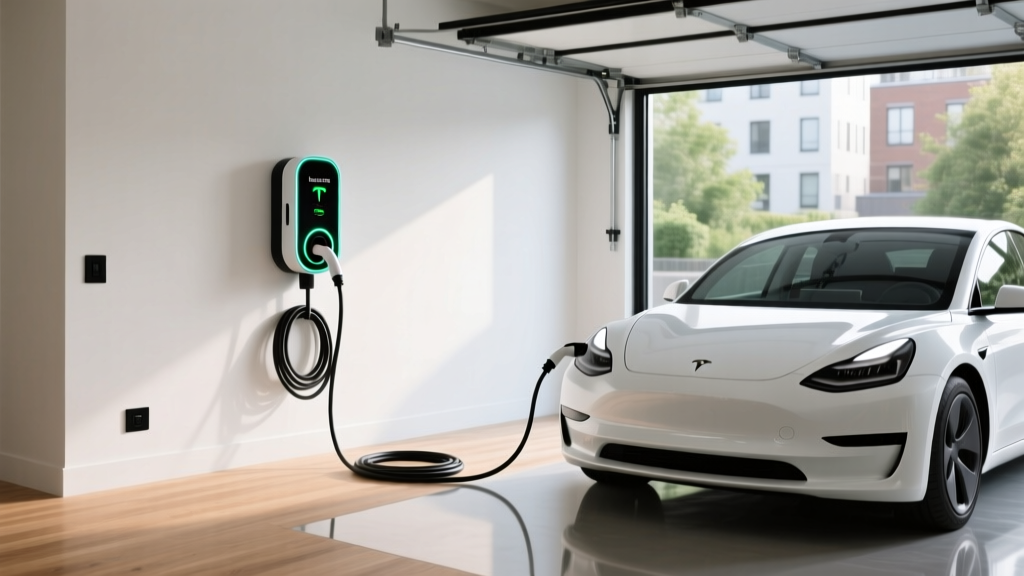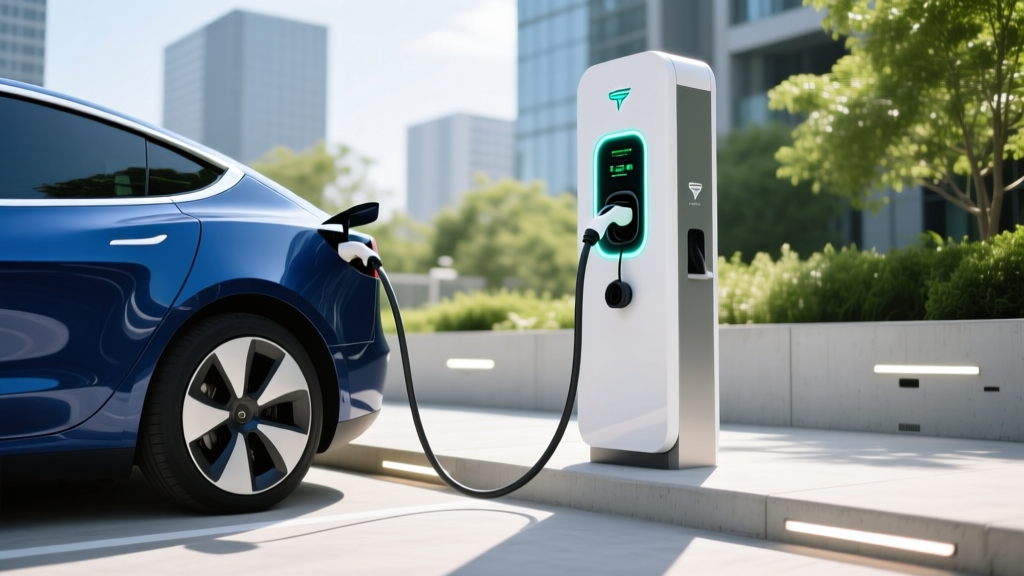
If you typed "supercharger on engine" into a search bar, you have likely collided with one of the most confusing terminology overlaps in modern automotive culture. In the internal-combustion world, a supercharger is a belt-driven air compressor bolted to an engine to force more oxygen into the cylinders, boosting horsepower. In the electric-vehicle world, a Supercharger is Tesla's branded DC fast-charging network — and the EV itself has no engine at all.
This guide clears up that confusion once and for all, then delivers what most searchers actually need: a complete, numbers-first breakdown of EV charging levels, real-world speeds, home installation costs, connector compatibility, and the best Level 2 hardware you can buy in 2026.
Supercharger vs. Supercharger: Why the Same Word Means Two Completely Different Things
A traditional engine supercharger (think Eaton, Whipple, or Magnuson) is a mechanical forced-induction device. It spins via a belt connected to the crankshaft, compressing intake air so the engine can burn more fuel per cycle. It adds 30–60% more horsepower to a gasoline V8, at the cost of parasitic drag and increased fuel consumption. It has nothing to do with electricity or batteries.
A Tesla Supercharger, by contrast, is a DC fast-charging station delivering between 150 kW and 350 kW of direct current to an EV's battery pack. There is no engine involved — EVs use electric motors. Tesla opened its Supercharger network to non-Tesla vehicles via the NACS (North American Charging Standard) connector starting in 2024, and by 2026 most major automakers have adopted NACS as their native port.
Bottom line: If someone asks about putting a "supercharger on an engine," they are either talking about modifying a gas car, or they are mixing up EV charging terminology. The rest of this guide focuses on the EV side.
Charging Levels Explained: How Fast Each Level Actually Adds Range
EV charging breaks down into three levels, defined by voltage, power output (kW), and practical miles of range added per hour of charging. Remember: kW measures power (the rate of energy flow), while kWh measures energy (the battery's total capacity). Confusing these two is the single most common EV literacy mistake.
| Level | Voltage | Max Power (kW) | Miles of Range Added Per Hour | Best Use Case |
|---|---|---|---|---|
| Level 1 | 120V AC | 1.0–1.4 kW | 3–5 miles | Overnight top-off, PHEVs, emergencies |
| Level 2 | 240V AC | 3.3–19.2 kW | 12–75 miles | Daily home charging, workplace, destinations |
| DC Fast (incl. Supercharger) | 400–800V DC | 50–350 kW | 150–1,000+ miles (equivalent rate) | Road trips, rapid top-ups, fleet depots |
Real-world context: A typical 75 kWh battery (like the Tesla Model Y Long Range) charged from 10% to 80% on a Level 2 home charger at 11.5 kW takes roughly 6.5 hours. That same 10–80% session on a V4 Tesla Supercharger at 250 kW takes about 18–22 minutes, though the charge curve tapers significantly above 80% State of Charge to protect battery health.
On 800-volt architectures (Hyundai Ioniq 5, Kia EV6, Porsche Taycan, Lucid Air), DC fast charging peaks can exceed 300 kW, with 10–80% times as low as 16–18 minutes under ideal thermal conditions. Cold weather or a cold battery can add 5–10 minutes to these times — always precondition your battery before arriving at a DC fast charger.
Home Charger Installation: Electrical Requirements, Panel Upgrades, and Real Costs
Installing a Level 2 home charger is the single most impactful upgrade an EV owner can make. But costs vary wildly depending on your home's electrical panel, the distance from panel to charger location, and local permitting.
Electrical Requirements
A standard Level 2 home charger requires a dedicated 240V circuit, typically rated at 40A, 50A, or 60A. The charger itself should be rated at 80% of the circuit breaker capacity (the National Electrical Code continuous-load rule). So a 48A charger needs a 60A breaker; a 40A charger needs a 50A breaker.
If your home has a 100A main electrical panel — common in homes built before the 1990s — you may not have enough spare capacity for a 50–60A EV circuit. A panel upgrade to 200A typically costs $1,500–$3,000 before the charger installation even begins. Homes with 200A panels usually have sufficient headroom.
Installation Cost Breakdown
| Component | Low End | High End | Notes |
|---|---|---|---|
| Level 2 Charger Equipment | $300 | $750 | Smart Wi-Fi chargers with 25ft cable |
| Electrician Labor (standard install) | $400 | $1,200 | Depends on run length from panel |
| Electrical Permit | $50 | $250 | Varies by municipality |
| Panel Upgrade (if needed) | $1,500 | $3,000 | 100A → 200A upgrade |
| Total (no panel upgrade) | $750 | $2,200 | Most homes with 200A panels |
| Total (with panel upgrade) | $2,250 | $5,200 | Older homes with 100A service |
Some utilities offer rebates of $250–$1,000 for home charger installation — check with your local provider. The federal Residential Clean Energy Credit (IRC §25C) was modified for 2026; verify current eligibility for EV charger tax credits on IRS.gov or consult a tax professional.
Connector Compatibility: NACS, CCS, CHAdeMO, and Adapter Realities
The connector landscape has consolidated significantly since 2024, but legacy vehicles still need attention.
| Connector | Native Vehicles | DC Fast Availability | Adapter Needed For |
|---|---|---|---|
| NACS (Tesla standard) | Tesla (all), Ford, GM, Rivian, Volvo, Polestar, Hyundai/Kia (2025+) | Tesla Supercharger, Electrify America (partial), EVgo | Legacy CCS vehicles need NACS→CCS adapter |
| CCS1 | VW ID.4 (pre-2026), BMW iX (pre-2026), older Hyundai/Kia | Electrify America, EVgo, ChargePoint | CCS→NACS adapter for Supercharger access |
| CHAdeMO | Nissan Leaf (legacy only — discontinued for 2026) | Limited and shrinking | No practical adapter to NACS/CCS for DC fast |
Key takeaway: NACS has effectively won the North American connector war. If you are buying a new EV in 2026, it almost certainly has a native NACS port. If you own a 2023–2025 CCS-equipped vehicle, budget $200–$400 for a NACS adapter to access Tesla's Supercharger network — by far the most reliable DC fast-charging infrastructure in the U.S.
Cost to Charge: Per-Mile Economics vs. Gasoline
Charging cost depends entirely on where and when you charge. Electricity rates vary from $0.08/kWh in some Midwest utilities to $0.35/kWh in parts of California during peak hours.
| Scenario | Cost per kWh | Cost Per Mile (3.5 mi/kWh EV) | Equivalent Gas Vehicle (30 MPG @ $3.40/gal) |
|---|---|---|---|
| Home, off-peak rate | $0.12 | $0.034 | $0.113 |
| Home, peak rate | $0.28 | $0.080 | $0.113 |
| Public Level 2 (ChargePoint, etc.) | $0.25–$0.40 | $0.071–$0.114 | $0.113 |
| DC Fast (Supercharger, EA) | $0.30–$0.55 | $0.086–$0.157 | $0.113 |
The math: Charging at home on an off-peak rate saves roughly 70% per mile compared to gasoline. Exclusive DC fast charging — the road-trip scenario — can actually exceed gas costs in high-price regions. The economic case for EV ownership depends heavily on reliable home or workplace Level 2 access.
Best Level 2 Home Chargers for 2026: Equipment Picks
Every charger below is a hardwired or NEMA 14-50 plug-in unit, Wi-Fi enabled for scheduling and energy monitoring, and UL-listed for safety.
ChargePoint Home Flex
- Power Output: Up to 12 kW (50A) on a 60A circuit
- Connector: NACS (native), CCS adapter available
- Cable Length: 23 feet
- Smart Features: Wi-Fi scheduling, Alexa integration, energy dashboard, utility demand-response compatible
- Price: ~$550–$650
WallConnector (Tesla, Gen 4)
- Power Output: Up to 11.5 kW (48A) on a 60A circuit
- Connector: NACS native; J1772 adapter included for non-Tesla EVs
- Cable Length: 24 feet
- Smart Features: Wi-Fi updates, power sharing (link multiple units on one circuit), Tesla app integration
- Price: ~$475
Emporia Level 2 Smart Charger
- Power Output: Up to 11.5 kW (48A) on a 60A circuit
- Connector: J1772 (NACS adapter included)
- Cable Length: 24 feet
- Smart Features: Real-time energy monitoring, solar integration, load management with Emporia Vue panel monitor
- Price: ~$400–$450 (best value pick)
Safety, Code, and Installation Non-Negotiables
Home EV charging is safe when installed correctly. Here is what your electrician should address:
- Dedicated circuit: Your Level 2 charger must have its own breaker — never share a circuit with appliances or outlets.
- GFCI protection: The 2023 NEC (adopted in most states by 2026) requires GFCI protection for all 240V EV charging outlets. Hardwired installations may have different requirements — your electrician will apply the correct code.
- Outdoor rating: If your charger is mounted outside or in an unsealed garage, it must carry a NEMA 4 or IP65 weather-resistance rating. All three chargers recommended above meet this standard.
- Wire gauge: A 60A circuit requires 6 AWG copper wire minimum; a 50A circuit needs 6 AWG or 8 AWG depending on run length and local code. Your electrician will calculate voltage drop for long runs.
- Permit and inspection: Skipping the permit risks voiding your homeowner's insurance in the event of an electrical fire. Always pull a permit and schedule the municipal inspection.
Frequently Asked Questions
Can I put a supercharger on an electric car's motor?
No. Superchargers are forced-induction devices for internal-combustion engines. Electric motors don't use air intake — they convert electrical energy directly into rotational force. If you want an EV to "go faster," that is a function of motor power (kW), inverter tuning, and battery discharge rate, not forced induction.
How much does it cost to install a home EV charger?
Expect $750–$2,200 for a standard Level 2 installation in a home with a 200A panel. If your home needs a panel upgrade from 100A to 200A, total costs rise to $2,250–$5,200. Get three quotes from licensed electricians and confirm they pull permits.
How fast will each charging level add range?
Level 1 (120V): 3–5 miles per hour. Level 2 (240V, 48A): roughly 30–35 miles per hour for most EVs. DC Fast Charging (150–350 kW): 150–300+ miles in 15–20 minutes, depending on vehicle architecture and battery temperature.
Which connector does my EV need?
Any 2025–2026 model from Tesla, Ford, GM, Rivian, Hyundai, Kia, Volvo, or Polestar uses NACS natively. Older CCS vehicles (2022–2024 VW ID.4, BMW iX, etc.) need a CCS-to-NACS adapter ($200–$400) for Supercharger access. CHAdeMO (Nissan Leaf) is effectively discontinued with no DC fast adapter path.
Is home charging cheaper than gas?
Yes, significantly — if you charge on off-peak residential rates ($0.10–$0.15/kWh), your fuel cost is roughly $0.03–$0.04 per mile versus $0.11+ per mile for a 30 MPG gas car at $3.40/gallon. Public DC fast charging at $0.40–$0.55/kWh can match or exceed gas costs, which is why home charging access is the economic linchpin of EV ownership.
Sources: U.S. Department of Energy / fueleconomy.gov, IRS Residential Clean Energy Credit, NFPA National Electrical Code (NEC).