The "Horsepower" Misconception: What Superchargers Actually Deliver
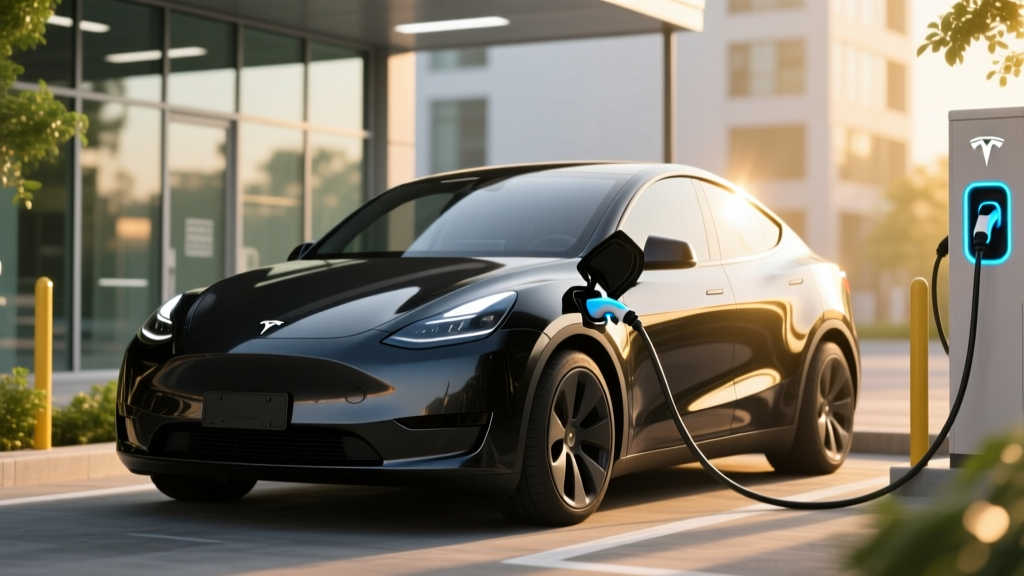
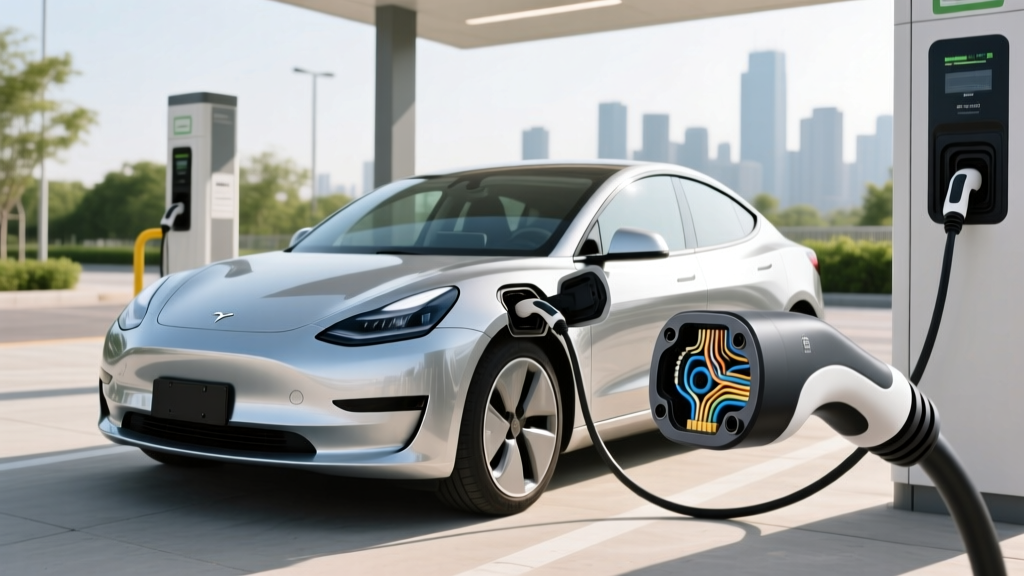
Search engines see the question constantly: how much HP does a Supercharger add? The answer reveals a fundamental confusion between power (how fast energy flows) and energy (how much is stored). A Tesla V4 Supercharger cabinet can deliver up to 350 kW of power — roughly equivalent to 469 horsepower. But that number doesn't mean your EV gains 469 hp. Instead, it means the charger can push energy into your battery at a rate that adds up to 200+ miles of range in 15 minutes, depending on your vehicle's acceptance rate.
Understanding this distinction between kW (kilowatts, a measure of power or rate) and kWh (kilowatt-hours, a measure of energy or capacity) is the single most important literacy skill for any EV owner. Your battery stores kWh; your charger delivers kW. Think of it like a water hose: kW is the water pressure, kWh is the bucket size.
Charging Levels: Speeds, Range Added, and Real-World Times
Every EV charging scenario falls into one of three levels. Here's exactly what each delivers:
| Level | Voltage | Power (kW) | Miles of Range/Hour | Best For |
|---|---|---|---|---|
| Level 1 | 120V AC | 1.0–1.4 kW | 3–5 mi/hr | Overnight top-ups, PHEVs |
| Level 2 | 240V AC | 3.3–19.2 kW | 12–75 mi/hr | Daily home charging |
| DC Fast (incl. Supercharger) | 400–800V DC | 50–350 kW | 150–1,200+ mi/hr | Road trips, rapid top-ups |
A few critical nuances: the "miles per hour" figures assume an average efficiency of 3–4 mi/kWh. A heavy truck like the Rivian R1T will add fewer miles per kW than a sleek Tesla Model 3. And DC fast charging speeds depend heavily on your vehicle's onboard acceptance rate — a 350 kW Supercharger won't help if your EV caps at 150 kW.
- 60 kWh battery (Chevy Equinox EV): ~22 min at a 150 kW DCFC; ~8 hrs on a 7.7 kW Level 2
- 82 kWh battery (Tesla Model Y Long Range): ~25 min at a 250 kW Supercharger; ~10 hrs on a 7.7 kW Level 2
- 100 kWh battery (Ford F-150 Lightning Extended): ~35 min at a 150 kW DCFC; ~13 hrs on a 7.7 kW Level 2
Note: DC fast charging slows significantly above 80% SoC to protect battery health. That last 20% can take as long as the first 80%.
Home Level 2 Installation: Electrical Requirements and Costs
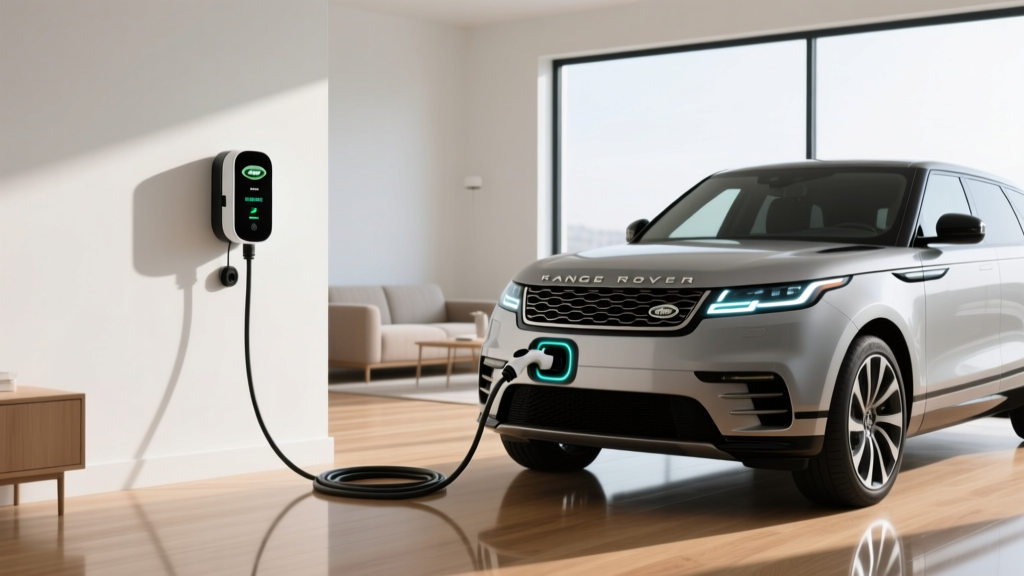
Installing a Level 2 home charger is the single biggest quality-of-life upgrade an EV owner can make. But costs vary enormously based on your home's electrical infrastructure.
Electrical Requirements
A typical Level 2 charger requires a 240V dedicated circuit, similar to what powers an electric dryer or oven. Common configurations:
- 40A circuit / 32A continuous: Delivers 7.7 kW — sufficient for most EVs overnight
- 50A circuit / 40A continuous: Delivers 9.6 kW — ideal for larger batteries
- 60A circuit / 48A continuous: Delivers 11.5 kW — needed for EVs with large batteries and high acceptance rates (e.g., Tesla at 11.5 kW AC)
National Electrical Code (NEC) requires that continuous loads (like EV charging) use only 80% of a circuit's rated capacity. A 40A breaker therefore supports 32A of continuous draw.
Panel Upgrade Reality
Many older homes have 100A or 125A electrical panels that simply cannot spare 40–60A for EV charging. A panel upgrade to 200A typically costs $1,500–$4,000 depending on your utility, local labor rates, and whether a service mast or meter base replacement is needed. Some utilities offer rebates for panel upgrades tied to EV adoption — check with your provider.
An alternative is a smart panel-level load management device (like the Sense monitor or a utility-approved smart breaker) that dynamically reduces charger amperage when other loads are high. This can avoid a panel upgrade entirely in some cases.
| Item | Simple Install (panel nearby) | Complex Install (panel upgrade + long run) |
|---|---|---|
| Level 2 Charger (hardwired, 48A) | $400–$700 | $400–$700 |
| Electrician labor (2–4 hrs vs 6–10 hrs) | $300–$600 | $800–$2,000 |
| Electrical materials (conduit, wire, breaker) | $100–$300 | $300–$800 |
| Permit and inspection | $50–$200 | $50–$200 |
| Panel upgrade (if needed) | $0 | $1,500–$4,000 |
| Total Range | $850–$1,800 | $3,050–$7,700 |
Sources: HomeAdvisor, Energy.gov, and electrician surveys. Your mileage will vary — always get 2–3 quotes from licensed electricians.
Connector Compatibility: NACS, CCS, and CHAdeMO in 2026
The connector landscape has consolidated dramatically. As of the 2025–2026 model years, the North American Charging Standard (NACS) — originally Tesla's proprietary connector — has been adopted by Ford, GM, Rivian, Volvo, Polestar, Hyundai, Kia, and most other major automakers. CCS1 is being phased out on new vehicles, and CHAdeMO remains only on legacy Nissan Leaf models.
| Connector | Brands Using It | Adapter Needed? |
|---|---|---|
| NACS (Tesla) | Tesla, Ford, GM, Rivian, Volvo, Polestar, Hyundai, Kia (2025+) | CCS→NACS adapter for older CCS vehicles at Superchargers |
| CCS1 | VW (ID.4 pre-2026), BMW (iX, i4), older Ford/GM/Hyundai/Kia | NACS→CCS adapter to use Tesla Superchargers |
| CHAdeMO | Nissan Leaf (legacy only) | Increasingly rare at public stations |
Tesla offers a CCS-to-NACS adapter (~$190) for non-Tesla EVs to access Superchargers, and a NACS-to-CCS adapter for Tesla owners needing to use Electrify America or other CCS networks. Always verify adapter compatibility with your specific model year before purchasing.
Cost to Charge: Per-Mile Economics vs. Gasoline
Electricity costs vary far more than gasoline by location, time of day, and charging method. Here's how the numbers shake out:
| Scenario | Rate ($/kWh) | Cost per Mile* | Equivalent Gas Price |
|---|---|---|---|
| Home, off-peak utility rate | $0.08–$0.14 | $0.025–$0.045 | $0.75–$1.35/gal |
| Home, standard rate | $0.14–$0.22 | $0.045–$0.07 | $1.35–$2.10/gal |
| Public Level 2 (workplace, retail) | $0.20–$0.40 | $0.06–$0.13 | $1.80–$3.90/gal |
| DC Fast (Electrify America, EVgo) | $0.35–$0.55 | $0.11–$0.18 | $3.30–$5.40/gal |
| Tesla Supercharger (avg national) | $0.25–$0.36 | $0.08–$0.12 | $2.40–$3.60/gal |
| *Based on an EV averaging 3.2 mi/kWh (≈31 kWh/100mi). Compare to a 28 MPG gas car at $3.50/gal = $0.125/mi. | |||
The takeaway: home charging is where the economics dominate. Once you shift to exclusive DC fast charging on road trips, costs can approach or exceed gasoline per mile. The average EV owner who charges 80%+ at home saves $800–$1,500 annually vs. a comparable gas vehicle, according to fueleconomy.gov comparisons.
Equipment Recommendations: Best Home Chargers for 2025–2026
Here are tested, reliable Level 2 chargers across common use cases:
Tesla Wall Connector (Gen 4)
- Power: Up to 11.5 kW (48A)
- Connector: NACS native
- Cable: 24 ft
- Smart features: Wi-Fi, OTA updates, power sharing (up to 6 units on one circuit)
- Price: ~$450
- Best for: Tesla and NACS-equipped EVs
ChargePoint Home Flex
- Power: Up to 12 kW (50A, configurable)
- Connector: NACS or J1772 (CCS-compatible via adapter)
- Cable: 23 ft
- Smart features: Wi-Fi, app scheduling, utility demand-response, Alexa
- Price: ~$550–$650
- Best for: Multi-EV households, CCS vehicles
Emporia Vue Level 2 Charger
- Power: Up to 11.5 kW (48A)
- Connector: J1772 (NACS adapter available)
- Cable: 24 ft
- Smart features: Energy monitoring, solar integration, load management
- Price: ~$400
- Best for: Budget-conscious, solar homes
Grizzl-E Smart
- Power: Up to 10 kW (40A)
- Connector: J1772 or NACS
- Cable: 24 ft
- Smart features: OCPP support, adjustable amperage, extreme cold rated (-40°C)
- Price: ~$450–$550
- Best for: Cold climates, outdoor installs
Safety, Code, and Smart Installation Practices
EV charging draws sustained high current for hours — far longer than most household appliances. Cutting corners creates fire risk. Here's what the National Electrical Code (NEC) and best practices require:
- Dedicated circuit: Your EV charger must have its own breaker — never share a circuit with other appliances.
- GFCI protection: NEC 2020+ requires ground-fault circuit interrupter protection for outdoor receptacles and many indoor EV installations. Hardwired chargers often have built-in GFCI.
- NEMA rating: Outdoor installations require at minimum NEMA 4-rated (weatherproof) equipment. Most quality chargers meet NEMA 4X (corrosion-resistant).
- Wire gauge: 6 AWG copper for 40–50A circuits; 4 AWG for 60A. Aluminum wire requires upsizing. Your electrician will spec this correctly.
- Permit and inspection: Virtually all jurisdictions require an electrical permit for EV charger installation. The inspection verifies safe wiring, proper grounding, and code compliance. Skip this and you risk insurance denial in case of a fire.
- Hardwired vs. plug: Hardwired installations (no plug) are preferred for 48A+ chargers. A NEMA 14-50 receptacle is acceptable up to 40A continuous (50A breaker) but must be installed correctly — a common failure point when done cheaply.
The U.S. Department of Energy recommends getting at least two quotes from licensed, EV-experienced electricians. Ask specifically about their experience with EV charger installations and whether they pull permits as standard practice.
Frequently Asked Questions
How much does it cost to install a home EV charger?
A straightforward Level 2 installation with an adequate electrical panel runs $850–$1,800 total (equipment, labor, materials, permit). If your home needs a panel upgrade to 200A service, expect $3,000–$7,700 all-in. Always get itemized quotes from licensed electricians.
How fast will each charging level add range?
Level 1 (120V) adds 3–5 miles per hour. Level 2 (240V) adds 12–75 miles per hour depending on amperage. DC fast charging (Superchargers, Electrify America) adds 150–1,200+ miles per hour, with a typical 10–80% session taking 18–40 minutes depending on battery size and charger power.
Which connector/charger is compatible with my EV?
For 2025–2026 models: Tesla, Ford, GM, Rivian, and most new Hyundai/Kia/Volvo EVs use NACS. Older CCS vehicles (pre-adoption) need a CCS-to-NACS adapter (~$190) to access Tesla Superchargers. CHAdeMO is limited to legacy Nissan Leafs and is increasingly unsupported at public stations.
How much does charging cost per mile vs. gas?
Home charging at average utility rates costs $0.03–$0.07 per mile — equivalent to $0.90–$2.10 per gallon of gas. Public DC fast charging runs $0.08–$0.18 per mile, closer to gas costs. A 28 MPG gas car at $3.50/gallon costs about $0.125 per mile.
What electrical upgrades might I need?
The most common upgrade is a panel replacement from 100A/125A to 200A service ($1,500–$4,000). Some homes may need a new conduit run from the panel to the garage or driveway ($300–$800). Smart load-management devices can sometimes avoid a panel upgrade by dynamically sharing capacity between the charger and other home loads.
Does a Supercharger add horsepower to my car?
No. A Supercharger delivers electrical power (up to 350 kW, or ~469 hp equivalent) to charge your battery — it doesn't change your vehicle's motor output. Your EV's horsepower is fixed by its motor(s). The "hp" comparison is just a way to illustrate how much power flows through the charging cable.