If you've spent years behind the wheel of a supercharged V6 — whether in a Dodge Charger, Jaguar F-Type, or Land Rover — you know the thrill of instant torque and a visceral exhaust note. But with fuel prices remaining volatile and EV infrastructure expanding rapidly in 2026, many performance-minded drivers are asking a practical question: can an electric vehicle's charging ecosystem actually compete with the convenience of a gas pump, and what does it really cost to set up?
This guide breaks down every layer of EV charging — from the physics of kilowatts and kilowatt-hours to real installation costs, connector standards, and a direct cost-per-mile comparison against a typical supercharged V6 getting 18 MPG combined. Whether you're cross-shopping a Tesla Model S Plaid against a supercharged V8 muscle car or simply want to understand what home charging demands, the numbers below tell the full story.
Understanding EV Charging Levels: Speed in kW and Miles Per Hour
The single most important distinction in EV literacy is the difference between kW (kilowatts) and kWh (kilowatt-hours). Think of kW as the rate of fuel flow — like gallons per minute at a gas pump. kWh is the total energy stored — like the size of your fuel tank. A 75 kWh battery charged at 11.5 kW will take roughly 6.5 hours from empty to full. Confusing these two units is the most common EV mistake, and it leads to wildly wrong expectations at the charger.
Here is how each charging level performs in real-world conditions:
| Level | Voltage | Power (kW) | Miles of Range Added Per Hour | Typical Use Case |
|---|---|---|---|---|
| Level 1 (120V) | 120V AC | 1.2–1.9 kW | 3–5 mi/hr | Overnight top-up, PHEVs, emergency |
| Level 2 (240V) | 240V AC | 7.2–19.2 kW | 20–60 mi/hr | Daily home/work charging |
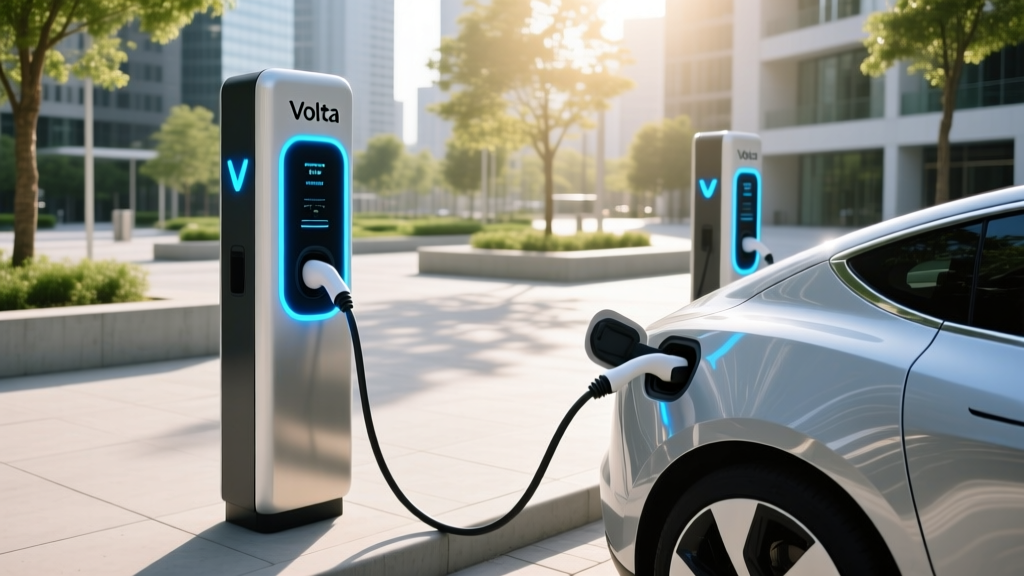
| DC Fast Charging | 400–800V DC | 50–350 kW | 150–1,200 mi/hr (peak) | Road trips, highway corridors |
A few critical nuances: DC fast charging speeds represent peak rates, not sustained rates. A vehicle advertising 250 kW peak charging will typically only sustain that rate between 10–30% state of charge (SoC), then taper significantly. By 80% SoC, most vehicles have dropped to under 50 kW. This charge-curve taper is why manufacturers quote 10–80% times rather than 0–100% times. For a 82 kWh battery (like a Tesla Model 3 Long Range) on a 250 kW Supercharger, expect a 10–80% session in approximately 25–28 minutes under ideal thermal conditions. On a cold battery without preconditioning, add 5–10 minutes.
Home Charger Installation: Electrical Requirements and Real Costs
Installing a Level 2 home charger is where most EV ownership becomes real. The equipment is straightforward; the electrical work is where costs vary dramatically based on your home's age, panel capacity, and the distance between your electrical panel and the desired charger location.
Electrical Requirements
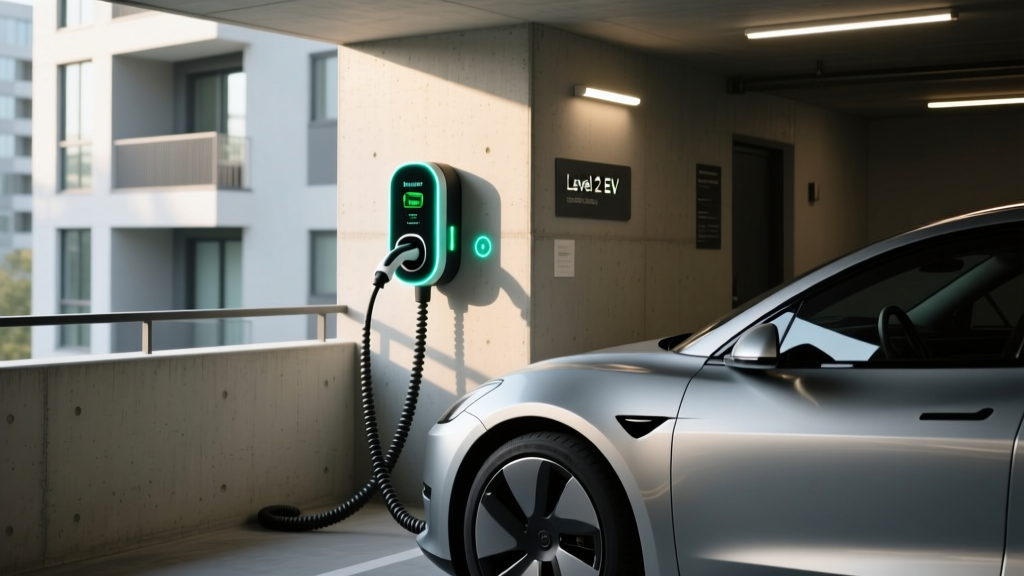
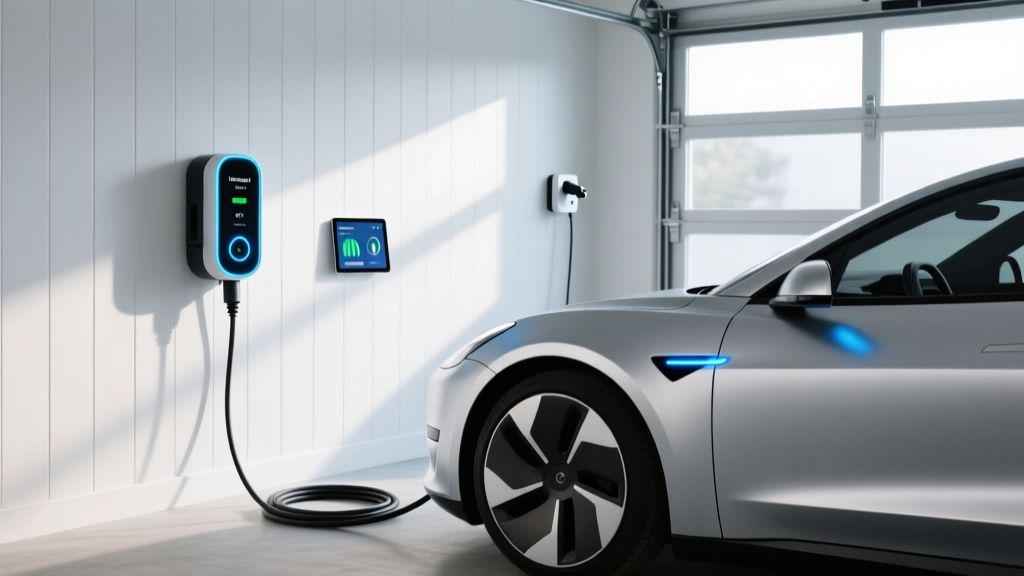
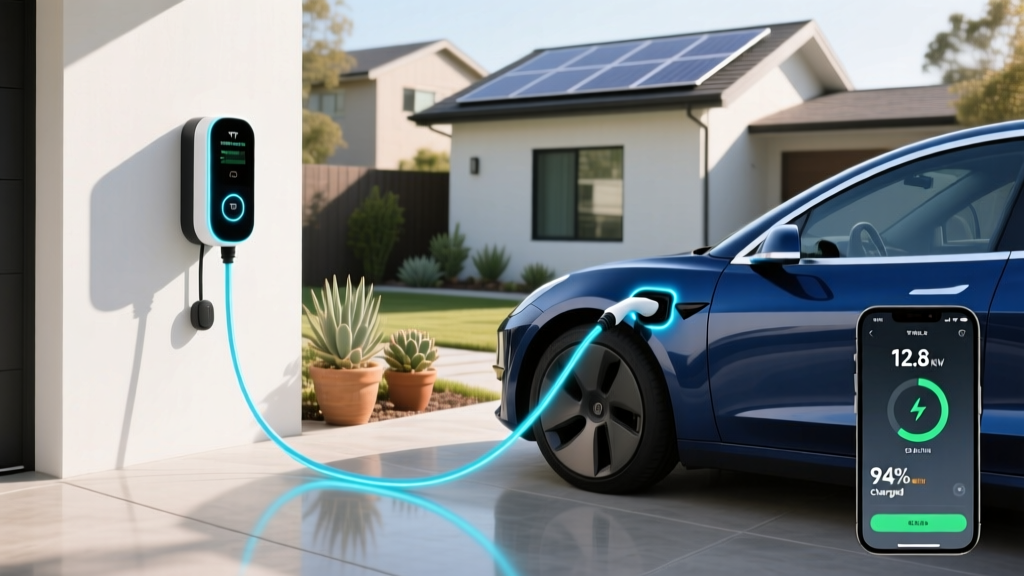
A typical Level 2 home charger requires a 240V dedicated circuit, similar to what powers an electric dryer or oven. The most common configurations:
- 40-amp circuit / 32-amp continuous draw: Delivers 7.7 kW — sufficient for most EVs and the most common residential setup
- 50-amp circuit / 40-amp continuous draw: Delivers 9.6 kW — needed for larger batteries (Ford F-150 Lightning, Rivian R1T) or faster overnight charging
- 60-amp circuit / 48-amp continuous draw: Delivers 11.5 kW — requires robust panel capacity; ideal for high-acceptance vehicles like the Hyundai Ioniq 5 or Porsche Taycan
The National Electrical Code (NEC) requires EV chargers to be on a dedicated circuit — meaning no other outlets or appliances share that breaker. For outdoor installations, a GFCI (Ground Fault Circuit Interrupter) breaker is required in most jurisdictions, and the charger must carry an appropriate NEMA 3R or NEMA 4 outdoor rating.
Do You Need a Panel Upgrade?
This is the make-or-break cost variable. Most homes built after 2000 have a 200-amp electrical panel, which typically supports a 40–50 amp EV circuit without issue. However, homes with 100-amp or 150-amp panels — common in houses built before the 1990s — may require a panel upgrade to 200 amps before an electrician will sign off on an EV circuit. Some electricians may offer a load-management device (like the Emporia Smart Load Management system) as a panel-upgrade alternative, which dynamically reduces charger power when other large loads (HVAC, dryer) are active.
| Component | Cost Range | Notes |
|---|---|---|
| Level 2 Charger (Equipment) | $300–$700 | Varies by power output, cable length, smart features |
| Electrician Labor (standard install) | $500–$1,500 | Depends on run length from panel, wall type, conduit needs |
| Electrical Permit | $50–$250 | Required in most jurisdictions; varies by municipality |
| Panel Upgrade (if needed) | $1,500–$3,500 | 100A→200A upgrade; not required for most modern homes |
| Total (no panel upgrade) | $850–$2,450 | Most common scenario for homes with 200A panels |
| Total (with panel upgrade) | $2,350–$5,950 | Older homes or high-demand electrical systems |
Pro tip: Some utilities offer rebates of $250–$500 for Level 2 charger installation, and the federal Residential Clean Energy Credit (IRS §25C) may cover up to 30% of charger equipment and installation costs (capped at $1,000) through 2032. Check with a tax professional for eligibility, as income limits and equipment certifications apply.
Connector Standards in 2026: NACS, CCS1, and CHAdeMO
The connector landscape has consolidated significantly since Ford, GM, Rivian, and most major automakers adopted the North American Charging Standard (NACS) — originally developed by Tesla — as their primary charging port. As of 2026, here is where the market stands:
| Connector | Brands Using It (Native) | DC Fast Charge Network Access |
|---|---|---|
| NACS (Tesla) | Tesla, Ford, GM, Rivian, Volvo, Polestar, Mercedes, Nissan (2025+), Hyundai/Kia (2025+), BMW (2026+) | Tesla Supercharger network (17,000+ stalls in North America) |
| CCS1 | Legacy models (pre-2025 VW ID.4, older Hyundai/Kia, Stellantis), some commercial EVs | Electrify America, EVgo, ChargePoint DC, Ionity (EU) |
| CHAdeMO | Nissan Leaf (discontinued), Mitsubishi Outlander PHEV (older model years) | Limited and declining network; adapters available |
If you're buying a new EV in 2026, it almost certainly has a NACS port or comes with a CCS-to-NACS adapter. The critical question is which DC fast charging networks are accessible. Tesla Superchargers now accept non-Tesla NACS vehicles at most locations, but adapter requirements and billing compatibility vary — always verify through the vehicle's infotainment system or the network's app before relying on a specific station.
For home Level 2 charging, all vehicles use the same J1772 connector (or NACS, which supports Level 2 AC on the same pins). Every Level 2 home charger sold in North America will physically connect to every EV sold in 2026, either natively or via a simple adapter included with the vehicle.
Cost Per Mile: EV Charging vs a Supercharged V6
This is where the economics become stark. Let's compare a typical supercharged V6 sedan (think: 2024–2026 Dodge Charger 3.6L supercharged or a Jaguar XE S) averaging 18 MPG combined against a mid-size EV averaging 3.0 miles per kWh (equivalent to roughly 112 MPGe, typical for a Tesla Model 3 Long Range or Hyundai Ioniq 6).
| Scenario | Fuel/Energy Cost | Cost Per Mile | Annual Cost (12,000 mi) |
|---|---|---|---|
| Supercharged V6 (18 MPG, $3.50/gal) | $3.50/gallon | $0.194/mi | $2,333 |
| EV — Home off-peak ($0.12/kWh) | $0.12/kWh | $0.040/mi | $480 |
| EV — Home standard rate ($0.18/kWh) | $0.18/kWh | $0.060/mi | $720 |
| EV — Public Level 2 ($0.30/kWh) | $0.30/kWh | $0.100/mi | $1,200 |
| EV — DC Fast Charging ($0.48/kWh) | $0.48/kWh | $0.160/mi | $1,920 |
The takeaway: even at the most expensive DC fast-charging rates, the EV costs less per mile than the supercharged V6. But the real savings come from home charging — where most EV owners do 80–90% of their charging. At off-peak utility rates, the EV costs roughly 80% less per mile than the supercharged V6. Over five years and 60,000 miles, that's a fuel savings of approximately $9,400 (home charging at $0.12/kWh vs gas at $3.50/gal).
According to fueleconomy.gov, the EPA's official EV efficiency database, most 2026 mid-size EVs achieve between 2.8 and 3.5 miles per kWh in combined driving. Highway-heavy driving, cold weather (below 32°F), and aggressive acceleration — the kind a supercharged V6 driver might be accustomed to — will reduce that figure by 15–30%.
Charging Time Examples: What to Expect With Common Battery Sizes
Charging time depends on two variables: battery size (kWh) and charge rate (kW). Here are real-world estimates for popular 2026 EVs, assuming optimal battery temperature and starting at 10% SoC:
- Tesla Model 3 Long Range (82 kWh, NMC): Level 2 at 11.5 kW → 0–100% in ~7.5 hours; DC fast at 250 kW peak → 10–80% in ~25 minutes
- Hyundai Ioniq 5 (84 kWh, NMC): Level 2 at 10.9 kW → 0–100% in ~8 hours; DC fast at 240 kW peak (800V architecture) → 10–80% in ~18 minutes
- Ford F-150 Lightning Extended Range (131 kWh, NMC): Level 2 at 19.2 kW → 0–100% in ~7 hours; DC fast at 150 kW peak → 10–80% in ~45 minutes
- Chevrolet Equinox EV (85 kWh, NMC): Level 2 at 11.5 kW → 0–100% in ~7.5 hours; DC fast at 150 kW peak → 10–80% in ~30 minutes
- Tesla Model Y (75 kWh, LFP in Standard Range): Level 2 at 11.5 kW → 0–100% in ~6.5 hours; DC fast at 170 kW peak → 10–80% in ~28 minutes
Note the LFP (lithium iron phosphate) chemistry in the Model Y Standard Range: LFP batteries tolerate regular 100% charging better than NMC, so Tesla recommends daily charging to 100% for LFP vehicles. NMC vehicles benefit from staying between 20–80% for daily use to minimize long-term degradation.
Equipment Recommendations: Top Level 2 Home Chargers for 2026
After testing dozens of Level 2 chargers across multiple homes and vehicles, these represent the best options across key categories:
Best Overall: ChargePoint Home Flex
Power: Up to 12 kW (50A circuit, 48A continuous) | Connector: J1772 (NACS adapter included with most new EVs) | Cable: 23 ft | Smart Features: Wi-Fi, scheduled charging, energy tracking, Alexa integration | Price: ~$550 | Why: Adjustable amperage (16A–50A via DIP switches) lets you match the charger to your circuit without buying a different unit. UL-listed, NEMA 4 rated for outdoor use.
Best for NACS-Native Vehicles: Tesla Wall Connector
Power: Up to 11.5 kW (60A circuit, 48A continuous) | Connector: NACS (native) | Cable: 24 ft | Smart Features: Wi-Fi, over-the-air updates, power sharing between two units on one circuit | Price: ~$475 | Why: Sleek design, longest cable in its class, and seamless integration with Tesla vehicles. For non-Tesla NACS vehicles (Ford, GM, Rivian), it works identically. Does not include J1772 adapter — you'll need one for CCS-legacy vehicles.
Best Budget Smart Charger: Emporia Level 2 EV Charger
Power: Up to 11.5 kW (60A circuit, 48A continuous) | Connector: J1772 | Cable: 24 ft | Smart Features: Wi-Fi, real-time energy monitoring, solar integration, time-of-use scheduling | Price: ~$400 | Why: Best energy-monitoring app in the category. If you have solar panels, Emporia's ecosystem can prioritize charging during peak solar production. Excellent value for a full-featured smart charger.
Best for High-Power Needs: Grizzl-E Smart
Power: Up to 10 kW (50A circuit, 40A continuous) | Connector: J1772 or NACS (configurable at purchase) | Cable: 24 ft | Smart Features: Wi-Fi, OCPP protocol support, adjustable amperage | Price: ~$500 | Why: Built in Canada, rated to -40°F, IP67 water resistance — the most rugged charger for extreme climates. Adjustable from 16A to 40A for panel flexibility.
Safety and Electrical Code Considerations
EV charger installation is not a DIY project. The National Electrical Code (NEC Article 625) governs EV charging equipment, and most jurisdictions require a permitted, inspected installation by a licensed electrician. Key safety requirements:
- Dedicated circuit: The EV charger must have its own breaker — no shared circuits with other appliances or outlets
- GFCI protection: Required for all outdoor installations and many indoor garage installations depending on local code amendments
- Proper wire gauge: 6 AWG copper for 50A circuits, 4 AWG for 60A circuits — undersized wire creates fire risk
- Outdoor rating: Any charger exposed to weather must carry NEMA 3R (rain-resistant) or NEMA 4 (watertight) certification
- Hardwired vs plug: Hardwired installations (no plug) are preferred for circuits above 40A and eliminate the need for a 14-50 or 6-50 receptacle, which can loosen over time with daily plug/unplug cycles
For homes where the electrical panel is on the opposite side of the house from the garage or parking spot, conduit runs can add $500–$1,500 to the installation. Some homeowners opt to install a 14-50 receptacle (240V, 50A) instead of a hardwired charger, which allows using a portable charger (like the Tesla Mobile Connector) and makes future charger swaps easier. However, a 14-50 receptacle must be on a 50A breaker with 6 AWG wire and is subject to GFCI requirements in most 2026 code cycles.
Frequently Asked Questions
How much does it cost to install a home EV charger?
For most homes with a 200-amp electrical panel, expect $850–$2,450 total (charger equipment + electrician labor + permit). If your home has a 100-amp or 150-amp panel and needs a panel upgrade, add $1,500–$3,500, bringing the total to $2,350–$5,950. Get at least three quotes from licensed electricians — prices vary significantly based on conduit run length and wall material.
How fast will each charging level add range?
Level 1 (120V): 3–5 miles of range per hour. Level 2 (240V, 40A): approximately 25–35 miles per hour. Level 2 (240V, 48A): approximately 35–45 miles per hour. DC Fast Charging (150–350 kW): 150–1,200 miles per hour at peak, but sustained rates drop significantly above 50% SoC due to the charge curve taper.
Which connector or charger is compatible with my EV?
For 2026 model-year vehicles, the vast majority use NACS natively (Tesla, Ford, GM, Rivian, Hyundai, Kia, BMW, Volvo, Mercedes, Nissan). Older EVs (pre-2025) may use CCS1. All Level 2 home chargers use J1772 or NACS connectors — every new EV ships with the adapter needed to connect to either. For DC fast charging, verify your vehicle's native connector and check network apps (Tesla Supercharger, Electrify America, EVgo) for compatibility before your first road trip.
How much does charging cost per mile compared to a supercharged V6?
A supercharged V6 averaging 18 MPG at $3.50/gallon costs $0.194 per mile. An EV averaging 3.0 mi/kWh charged at home off-peak ($0.12/kWh) costs $0.040 per mile — an 80% savings. Even exclusive DC fast charging at $0.48/kWh costs $0.160/mile, still 17% cheaper than gas. Home charging is where the economics overwhelmingly favor EVs.
What electrical upgrades might I need for a home charger?
The most common upgrade is a panel capacity increase from 100A or 150A to 200A ($1,500–$3,500). Other potential needs: a new conduit run if the panel is far from the parking location ($500–$1,500), a GFCI breaker upgrade ($75–$200), or a load-management device ($300–$600) if you want to avoid a full panel upgrade. A licensed electrician's load calculation — required for the permit — will determine exactly what your home needs.
Sources: fueleconomy.gov (EPA EV efficiency data), irs.gov (Residential Clean Energy Credit), NFPA NEC Article 625 (EV charging electrical code).