The Electric Truck Charging Reality: What Tundra EV Buyers Must Know
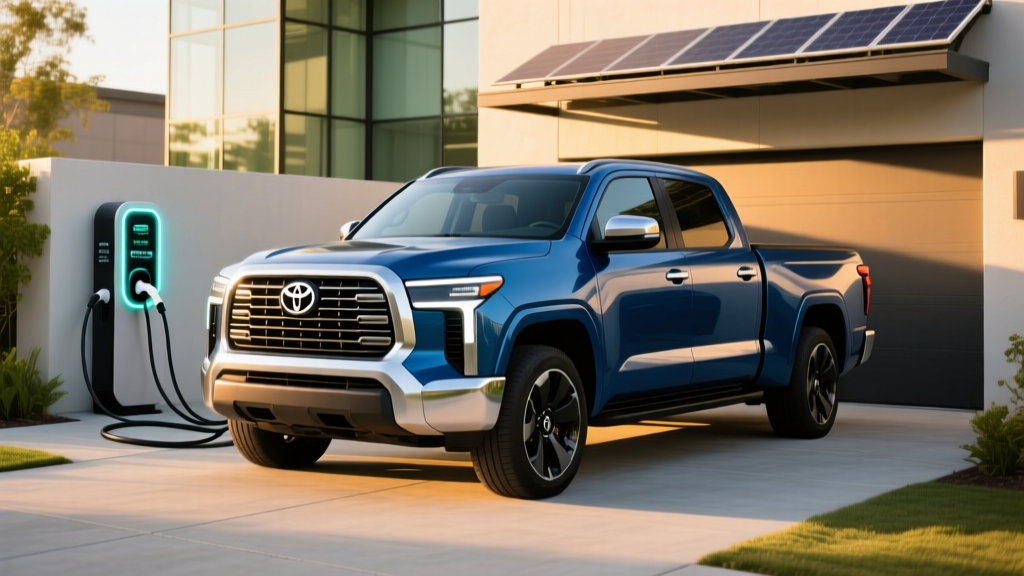
As Toyota moves toward an electrified full-size truck lineup — with the battery-electric Tundra concept generating significant interest — prospective buyers are asking a critical question: how do you actually charge a massive truck battery at home? Whether you're researching the upcoming supercharged Toyota Tundra EV variant or preparing your garage for any full-size electric pickup, understanding charging infrastructure is the single most important ownership decision you'll make before delivery day.
Full-size electric trucks carry enormous battery packs — often 130 to 200+ kWh — meaning charging logistics differ dramatically from sedans and crossovers. A 100 kWh pack on a Level 1 outlet would take over four days to fill. This guide breaks down exactly what you need: electrical requirements, realistic costs, equipment picks, and the math behind charging a large-format EV truck at home versus on the road.
Charging Levels Explained: Speeds for Large Truck Batteries
Electric vehicles charge at three distinct levels, each with vastly different implications for a full-size truck with a high-capacity battery. Here's the breakdown:
| Level | Voltage | Power (kW) | Miles of Range/Hour | Best For |
|---|---|---|---|---|
| Level 1 | 120V | 1.0–1.4 kW | 2–5 mi/hr | Emergency/overnight trickle |
| Level 2 | 240V | 7.2–19.2 kW | 20–60 mi/hr | Daily home charging |
| DC Fast | 400–800V DC | 50–350 kW | 150–1,000+ mi/hr | Road trips, rapid top-ups |
For a truck with a 150 kWh battery pack (a reasonable estimate for a full-size electric Tundra-class vehicle), Level 2 charging at 11.5 kW would require roughly 13 hours for a full charge — manageable with overnight parking. At Level 1, that same charge would take over 125 hours, making it effectively useless as a primary strategy.
Real-world charging curve note: DC fast charging does not sustain peak kW for the entire session. A truck advertising 350 kW peak capability may only sustain that rate between 10–40% state of charge before tapering. Expect a 10–80% session on a 350 kW charger to take 25–40 minutes for a large truck pack, depending on battery preconditioning and ambient temperature.
Home Charger Installation: Electrical Requirements and Costs
Installing a Level 2 home charger for an electric truck often demands more electrical capacity than a typical sedan setup. Here's what to expect:
Electrical Specifications
Most Level 2 chargers for large EVs require a 240V dedicated circuit at 40 to 60 amps. For maximum charging speed on a truck-sized battery, a 60-amp circuit (delivering 48 amps continuous, or ~11.5 kW) is the practical minimum. Some newer chargers support 80-amp circuits (19.2 kW), which significantly cuts charge times but demands heavier wiring and a larger breaker.
Your home's electrical panel must have sufficient spare capacity. A 200-amp panel with existing heavy loads (electric range, dryer, HVAC) may need a panel upgrade to 400 amps or a dedicated sub-panel — a $2,000–$5,000 expense that catches many truck buyers by surprise.
Installation Cost Breakdown
| Component | Simple Install | Complex Install |
|---|---|---|
| Level 2 Charger (Equipment) | $400–$700 | $600–$1,200 |
| Electrician Labor (2–8 hrs) | $300–$600 | $800–$2,500 |
| Permit & Inspection | $50–$150 | $150–$400 |
| Panel Upgrade (if needed) | N/A | $2,000–$5,000 |
| Conduit/Wiring (long runs) | $100–$300 | $500–$2,000 |
| Total Estimated Cost | $850–$1,750 | $4,050–$11,100 |
Simple install: Panel has spare capacity, charger location is within 10 feet of the panel, and you're installing a 40-amp circuit. Complex install: Requires panel upgrade, long conduit run through walls or underground to a detached garage, or 80-amp circuit with heavy-gauge wire.
Always hire a licensed electrician and pull a permit. Unpermitted EV charger installations can void homeowner's insurance claims and create fire hazards. Per the National Electrical Code (NEC Article 625), EV charging equipment requires GFCI protection and a dedicated circuit — your electrician will ensure compliance.
Connector Compatibility: NACS, CCS, and the Truck Charging Landscape
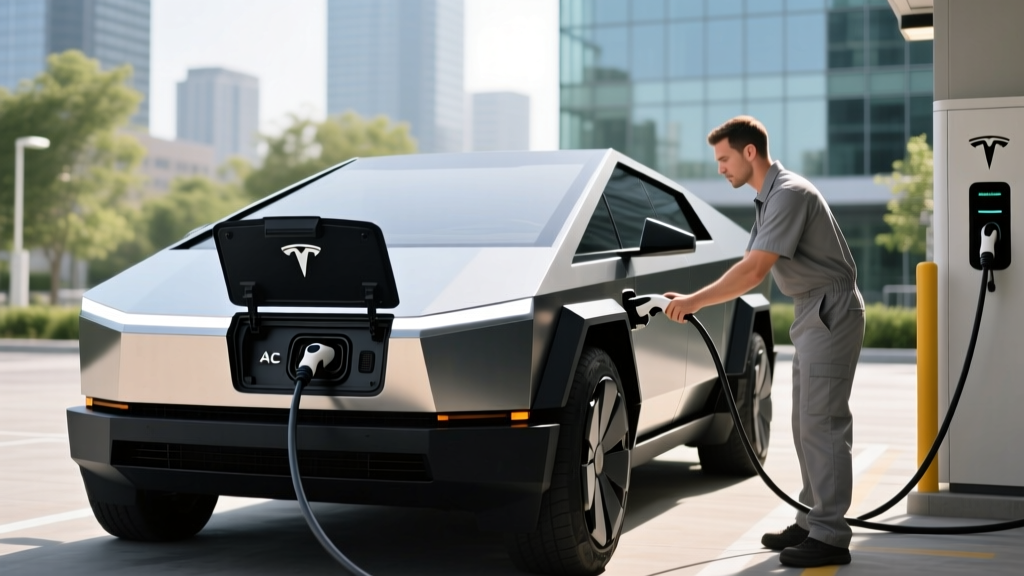
The connector landscape has shifted dramatically. As of 2025–2026, the North American Charging Standard (NACS) — originally Tesla's proprietary connector — has become the dominant standard, with Ford, GM, Rivian, and most major automakers adopting it. Toyota has confirmed NACS adoption for its North American EV lineup.
| Connector | Status (2026) | Compatible Brands | Adapter Needed? |
|---|---|---|---|
| NACS (J3400) | Dominant standard | Tesla, Ford, GM, Rivian, Toyota, Hyundai, Volvo, others | None for new EVs; CCS-to-NACS adapters available |
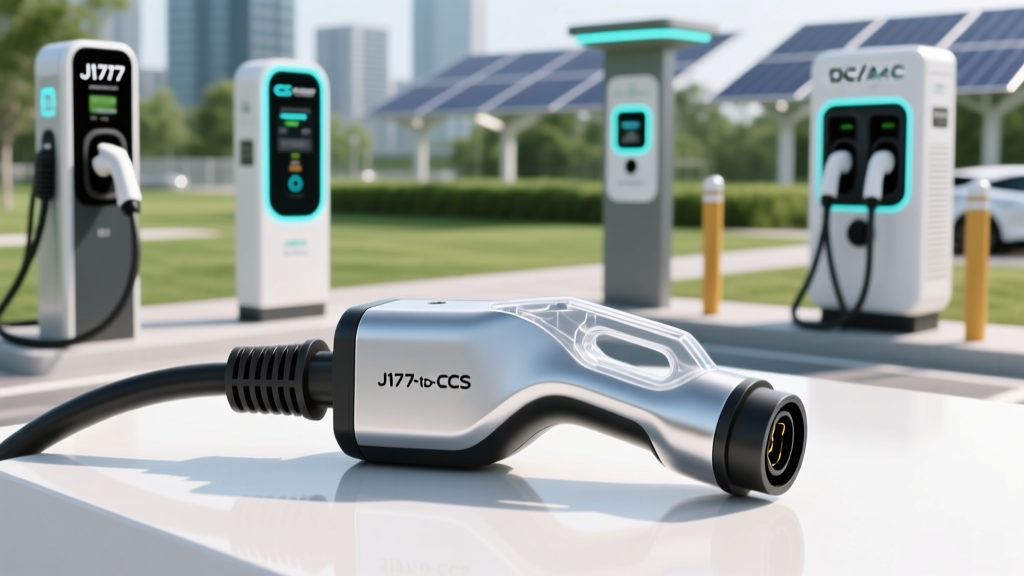
| CCS1 | Legacy/phasing out | Older VW, BMW, Hyundai models (pre-2025) | NACS-to-CCS adapter for Supercharger access |
| CHAdeMO | Discontinued | Nissan Leaf (legacy only) | Not recommended for new purchases |
For a supercharged Toyota Tundra EV, expect a native NACS port. This grants direct access to Tesla's Supercharger network — the most reliable and extensive DC fast-charging infrastructure in North America — without adapters. When purchasing a home Level 2 charger, select a NACS-terminated unit to match your truck.
Charging Cost Per Mile: Electric Truck vs Gas Tundra
The economics of charging a full-size electric truck depend heavily on where and when you plug in. Here's a realistic comparison using projected figures for a Tundra-class EV (approximately 2.0–2.5 kWh/mile efficiency, typical for a 7,000-lb electric truck):
| Scenario | Rate | Cost/Mile | Annual (15,000 mi) |
|---|---|---|---|
| Home charging (off-peak, $0.12/kWh) | $0.12/kWh | $0.05–$0.06 | $750–$900 |
| Home charging (standard, $0.18/kWh) | $0.18/kWh | $0.07–$0.09 | $1,050–$1,350 |
| Public Level 2 ($0.30/kWh) | $0.30/kWh | $0.12–$0.15 | $1,800–$2,250 |
| DC Fast Charging ($0.45/kWh) | $0.45/kWh | $0.18–$0.23 | $2,700–$3,450 |
| Gas Tundra (18 MPG combined, $3.50/gal) | $3.50/gal | $0.19 | $2,917 |
The takeaway is clear: home charging is where the savings live. Charging a large electric truck exclusively at home on off-peak rates can cut fuel costs by 70–75% versus a gas Tundra. But relying primarily on DC fast charging erases most of the economic advantage — and can actually exceed gas costs per mile. For truck buyers without reliable home or workplace charging access, a plug-in hybrid or conventional powertrain may make more financial sense.
Source: Efficiency estimates based on EPA fueleconomy.gov data for comparable full-size trucks and EVs.
Equipment Recommendations: Level 2 Chargers for Electric Trucks
Not all Level 2 chargers are built for the demands of a full-size electric truck. You need higher amperage, durable cables, and smart scheduling features to manage electricity costs. Here are three proven options:
ChargePoint Home Flex
- Power: Up to 11.5 kW (48A) on 60A circuit; configurable down to 16A
- Connector: NACS (2025+ models) or J1772 with adapter
- Cable: 23 feet
- Smart Features: Wi-Fi, app scheduling, Alexa integration, energy reporting
- Price: ~$550–$700
- Best for: Flexible amperage adjustment for older panels
Tesla Wall Connector
- Power: Up to 11.5 kW (48A) on 60A circuit
- Connector: Native NACS
- Cable: 24 feet
- Smart Features: Wi-Fi, OTA updates, power sharing (link multiple units), load management
- Price: ~$475
- Best for: NACS-native trucks, best value for full-power charging
Grizzl-E Smart
- Power: Up to 10 kW (40A) on 50A circuit
- Connector: NACS or J1772 options
- Cable: 24 feet
- Smart Features: OCPP compatibility, app control, adjustable amperage
- Price: ~$450–$550
- Best for: Extreme cold durability (-40°F rated), outdoor installs
For a supercharged Toyota Tundra EV with a large battery pack, prioritize chargers that deliver at least 11.5 kW (48 amps). A 7.2 kW (32-amp) charger will work but adds several hours to a full charge cycle — a meaningful difference when your pack exceeds 130 kWh.
Charging Times for Truck-Sized Batteries: What to Expect
Assuming a 150 kWh usable battery (a realistic estimate for a full-size electric pickup targeting 350+ miles of range), here's how long charging takes across common scenarios:
| Scenario | Power | 0–100% Time | 10–80% Time |
|---|---|---|---|
| Level 1 (120V outlet) | 1.2 kW | ~125 hours | N/A (impractical) |
| Level 2 (40A / 9.6 kW) | 9.6 kW | ~16 hours | ~11 hours |
| Level 2 (48A / 11.5 kW) | 11.5 kW | ~13 hours | ~9 hours |
| Level 2 (80A / 19.2 kW) | 19.2 kW | ~8 hours | ~5.5 hours |
| DC Fast (350 kW peak) | 350 kW peak | N/A (not to 100%) | ~25–35 min |
Cold-weather caveat: In sub-freezing temperatures, expect Level 2 charging speeds to drop 10–20% unless your truck has active battery preconditioning. DC fast charging in cold weather without preconditioning can be 40–50% slower than rated speeds. Always enable preconditioning (usually via the vehicle's app or navigation routing to a charger) before a fast-charging session.
Safety, Code, and the Permitting Process
EV charger installation is regulated under NEC Article 625 and local building codes. Key requirements include:
- Dedicated circuit: Your charger must be on its own breaker — no shared circuits with other appliances.
- GFCI protection: Required for all outdoor installations and many indoor installations (local code varies).
- Outdoor rating: If mounting outside or in an unenclosed carport, the charger must carry a NEMA 4 or IP65 weather rating.
- Cable management: NEC requires that charging cables not create a trip hazard — wall-mounted retractors or cable organizers may be required in some jurisdictions.
- Load calculation: Your electrician must perform a load calculation on your panel to confirm it can handle the added draw without overloading. If the calculation fails, a panel upgrade or smart load-management system (like the Sense monitor or Span panel) is mandatory.
Permit costs typically range from $50 to $400 depending on your municipality. The inspection ensures proper grounding, correct wire gauge, and code-compliant mounting. Skipping the permit risks insurance denial in the event of an electrical fire and can complicate a future home sale.
For detailed federal safety standards, refer to NHTSA's EV safety guidance.
Frequently Asked Questions
How much does it cost to install a home EV charger for a large electric truck?
A straightforward Level 2 installation (panel has capacity, short wire run) typically costs $850–$1,750 including the charger, electrician labor, and permit. Complex installs requiring a panel upgrade, long conduit runs, or 80-amp circuits can reach $4,000–$11,000. Always get 2–3 quotes from licensed electricians and confirm they include permit fees.
How fast will each charging level add range to an electric truck?
Level 1 adds roughly 2–5 miles per hour — essentially useless for a truck-sized battery. Level 2 at 11.5 kW adds approximately 25–35 miles per hour (varies with truck efficiency). DC fast charging at 350 kW can add 150–200+ miles in 15 minutes during the peak portion of the charge curve. Actual rates depend on the truck's kWh/mile efficiency, which for full-size pickups typically falls between 2.0–2.5 kWh/mile.
Which connector is compatible with the Toyota Tundra EV?
Toyota has adopted the NACS (J3400) connector for its North American EVs. This means native compatibility with Tesla Superchargers and the growing network of NACS-equipped public chargers. When buying a home Level 2 charger, choose a NACS-terminated unit. If you currently own a CCS-equipped EV, a CCS-to-NACS adapter (~$150–$250) allows access to Superchargers during the transition period.
How much does charging an electric truck cost per mile versus a gas Tundra?
At home on off-peak electricity ($0.12/kWh), an electric truck costs roughly $0.05–$0.06 per mile — about 70% less than a gas Tundra at $0.19/mile (18 MPG, $3.50/gallon). However, exclusive reliance on DC fast charging at $0.45/kWh pushes costs to $0.18–$0.23/mile, potentially exceeding gasoline. Home charging access is the single biggest factor in EV truck economics.
What electrical upgrades might I need before installing a truck charger?
The most common upgrade is a panel capacity increase (from 100A or 200A to 400A) if your existing panel is near capacity. Other potential needs include: adding a sub-panel closer to the garage, upgrading service entrance wiring from the utility, or installing a smart load-management system that throttles the charger when other high-draw appliances are running. Your electrician's load calculation will determine what's required. Budget $2,000–$5,000 for a panel upgrade if needed.
Does the federal tax credit cover home charger installation?
The IRS §30C Alternative Fuel Vehicle Refueling Property Credit covers up to 30% of home charger equipment and installation costs, capped at $1,000. Eligibility requires installation at your primary residence in an eligible census tract (typically lower-income or rural areas). Check the latest IRS guidance and confirm eligibility with a tax professional before assuming the credit applies to your situation.