If you own a Rivian R1T or R1S, or are considering one, understanding your charging ecosystem is essential. Between the proprietary Rivian Adventure Network, public DC fast chargers, and home Level 2 setups, Rivian owners have multiple ways to keep their 100+ kWh batteries charged. This guide breaks down every charging scenario with exact speeds, costs, equipment recommendations, and the electrical work required to get you set up at home.
Rivian Adventure Network: What It Is and Where It Fits
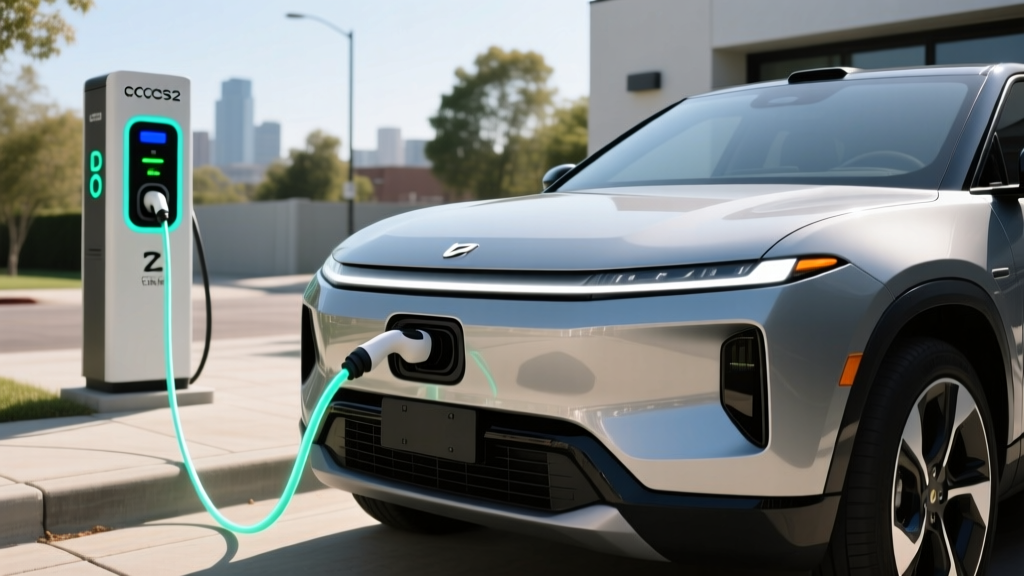
The Rivian Adventure Network is the automaker's growing ecosystem of DC fast chargers strategically placed near outdoor recreation areas, national parks, and adventure corridors. As of early 2026, Rivian has deployed hundreds of chargers across North America, with sites concentrated in the Western U.S., near ski resorts, trailheads, and campgrounds.
These chargers are designed specifically for Rivian vehicles but are increasingly opening to other EVs. For Rivian owners, the Adventure Network offers a distinct advantage: chargers are placed where you actually want to go off-road or camping — not just along interstate highway corridors.
Real-world caveat: sustained charge rates depend on battery temperature, state of charge, and ambient conditions. In cold weather (below 40°F), preconditioning your battery via the Rivian app before arrival is critical to achieving peak charge rates. Without preconditioning, expect 10–80% times closer to 35–45 minutes.
Charging Levels Explained: Speeds, Power, and Range Added
Before comparing chargers, it's essential to understand the difference between kW (kilowatts — the rate of power delivery, like water pressure in a hose) and kWh (kilowatt-hours — the total energy stored, like gallons in a tank). Charging speed is measured in kW; your battery capacity is measured in kWh.
| Level | Voltage / Power | Max kW | Miles of Range/Hour | Best For |
|---|---|---|---|---|
| Level 1 | 120V AC / 1.4 kW | 1.4 kW | ~3–4 mi/hr | Overnight trickle, emergency top-off |
| Level 2 | 240V AC / 7.7–19.2 kW | 11.5 kW (Rivian onboard max) | ~25–30 mi/hr | Daily home charging, workplace |
| DC Fast | 400–800V DC / 50–350 kW | 220 kW (Rivian peak) | ~150–200+ mi in 20 min | Road trips, Adventure Network |
For a Rivian R1T with the Standard battery (~106 kWh usable) or the Max Pack (~141 kWh usable), a full Level 2 charge from 10–80% takes roughly 7–10 hours depending on pack size. That's ideal for overnight charging. On a DC fast charger at peak rate, that same 10–80% window takes approximately 25–35 minutes.
Home Level 2 Charger Installation: Electrical Requirements and Costs
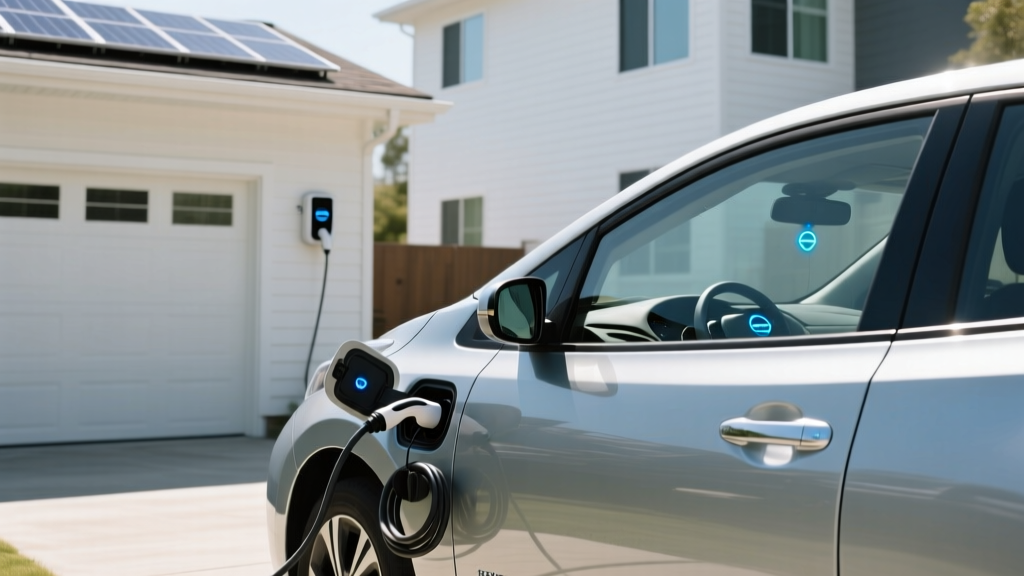
Most Rivian owners will install a Level 2 home charger as their primary refueling method. Here's what's involved electrically and financially.
Electrical Requirements
The Rivian Wall Charger supports up to 11.5 kW (48 amps) on a 240V circuit. National Electrical Code (NEC) requires that continuous loads not exceed 80% of a circuit's rated capacity, so a 48A charger requires a dedicated 60-amp breaker. If you opt for a 40A charger (9.6 kW), a 50-amp breaker suffices.
Your home's electrical panel must have sufficient spare capacity. Many older homes with 100-amp service panels will need a panel upgrade to 200 amps before adding a 60-amp EV circuit. Newer homes with 200A panels often have adequate headroom, but a licensed electrician must perform a load calculation to confirm.
Installation Cost Breakdown
| Component | Simple Install (panel nearby) | Complex Install (long run / panel upgrade) |
|---|---|---|
| Level 2 Charger (hardware) | $400 – $700 | $400 – $700 |
| Electrician labor (2–4 hrs standard) | $500 – $1,200 | $1,500 – $3,000 |
| Electrical permit | $50 – $200 | $50 – $200 |
| Panel upgrade (if needed) | N/A | $1,800 – $4,000 |
| Conduit/wiring (50+ ft run) | $200 – $400 | $600 – $1,500 |
| Total Estimated Cost | $1,150 – $2,500 | $4,350 – $9,400 |
The wide range reflects real variability. A garage with the panel on the same wall might cost under $1,500 all-in. A detached garage requiring a 100-foot underground conduit run plus a panel upgrade can push past $8,000. Always get at least two quotes from licensed electricians and confirm they pull a permit — unpermitted work can void your homeowner's insurance and create a fire risk.
Connector Compatibility: NACS, CCS, and Adapters for Rivian
Rivian's connector situation has evolved significantly. Here's where things stand in 2026:
| Connector | R1T/R1S (2022–2024) | R1T/R1S (2025+ Gen 2) | Adapter Needed? |
|---|---|---|---|
| NACS (Tesla) | Via adapter | Native port | Yes (older) / No (newer) |
| CCS1 | Native port | Via adapter | No (older) / Yes (newer) |
| CHAdeMO | Not supported | Not supported | N/A (obsolete standard) |
| J1772 (Level 2) | Native (AC charging) | Via NACS-to-J1772 adapter | No (older) / Yes (newer) |
The industry-wide shift to NACS means that 2025 and newer Rivian vehicles ship with a native NACS charge port. If you own a 2022–2024 Rivian with the original CCS port, you can purchase a CCS-to-NACS adapter (approximately $200–$250) to access Tesla Superchargers and NACS-equipped public stations. Rivian has offered these adapters to existing owners; check your Rivian app or the Rivian support page for availability.
For home Level 2 charging, the Rivian Wall Charger uses a NACS connector on newer models and is compatible with all Rivian vehicles. Third-party J1772 chargers (ChargePoint, Emporia, Wallbox) work with older Rivians natively and with newer ones via adapter.
Cost to Charge: Home vs. Public vs. Gas Comparison
Charging economics depend heavily on where and when you plug in. Here's a realistic breakdown using a Rivian R1T Dual-Motor with the Standard Pack (~106 kWh usable, EPA range approximately 330 miles for 2025 models per fueleconomy.gov).
| Scenario | Rate ($/kWh) | Full Charge Cost (106 kWh) | Cost Per Mile (330 mi range) |
|---|---|---|---|
| Home (off-peak utility rate) | $0.08 – $0.14 | $8.48 – $14.84 | $0.026 – $0.045 |
| Home (standard residential avg.) | $0.16 | $16.96 | $0.051 |
| Public Level 2 (workplace/retail) | $0.20 – $0.35 | $21.20 – $37.10 | $0.064 – $0.112 |
| DC Fast (EA / Adventure Network) | $0.35 – $0.55 | $37.10 – $58.30 | $0.112 – $0.177 |
| Gas Truck (20 MPG avg., $3.50/gal) | — | — | $0.175 |
The takeaway: home charging at off-peak rates is dramatically cheaper than gasoline — roughly one-quarter the per-mile cost. Even at standard residential rates, you're saving 60–70% versus a comparable gas truck. However, exclusive reliance on DC fast charging at $0.45+/kWh narrows the savings significantly and can approach gas-truck costs per mile. This is why home Level 2 charging is the economic backbone of EV ownership.
Rivian Adventure Network pricing varies by location, but Rivian has historically offered competitive rates for its own owners compared to networks like Electrify America. Check the Rivian app for current per-kWh pricing at specific stations.
Recommended Home Chargers for Rivian Owners
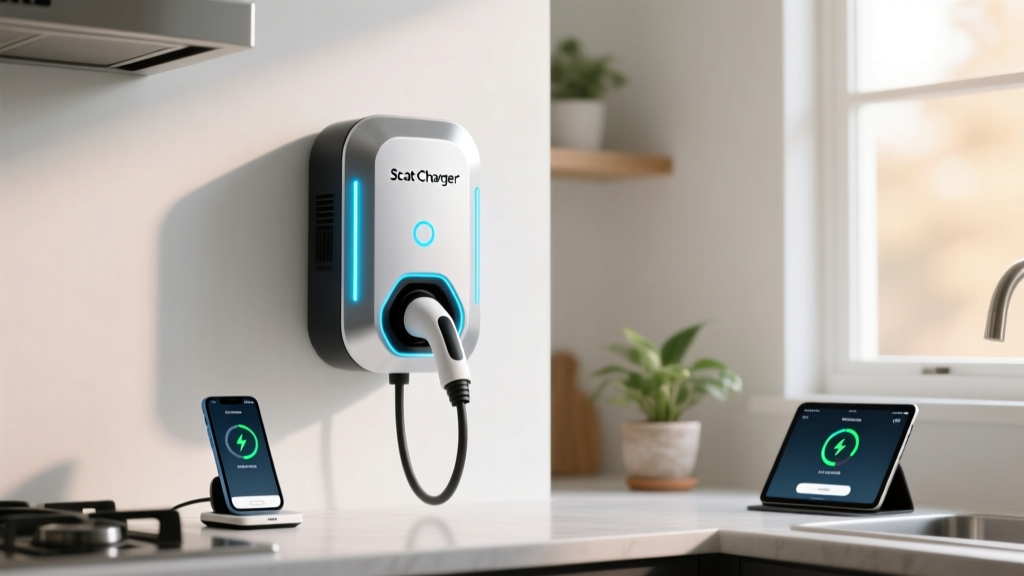
Here are proven Level 2 chargers compatible with Rivian vehicles, spanning a range of budgets and feature sets:
Rivian Wall Charger
Power: 11.5 kW (48A) max
Connector: NACS (Gen 2) / CCS (Gen 1)
Cable Length: 25 ft
Smart Features: Integrated with Rivian app, scheduled charging, energy tracking
Price: ~$550 (often included or discounted with vehicle purchase)
Best For: Seamless Rivian integration, cleanest app experience
ChargePoint Home Flex
Power: Up to 12 kW (50A), configurable 16–50A
Connector: J1772 (NACS adapter needed for 2025+ Rivians)
Cable Length: 23 ft
Smart Features: Wi-Fi, Alexa, ChargePoint app, flexible amperage
Price: ~$550–$700
Best For: Adjustable amperage for older panels, robust app ecosystem
Emporia Vue Smart Home EV Charger
Power: Up to 11.5 kW (48A)
Connector: J1772
Cable Length: 24 ft
Smart Features: Energy monitoring with whole-home Vue integration, solar-aware scheduling
Price: ~$400–$500
Best For: Budget-conscious buyers, solar panel owners, energy monitoring
Wallbox Pulsar Plus
Power: Up to 11.5 kW (48A)
Connector: J1772
Cable Length: 25 ft
Smart Features: Wi-Fi + Bluetooth, Power Sharing (two chargers on one circuit), compact design
Price: ~$500–$650
Best For: Two-EV households, tight garage spaces
Safety, Code, and Installation Best Practices
EV charging involves sustained high-current draw that few other home appliances match. Cutting corners here creates real fire and insurance risk. Follow these non-negotiables:
- Dedicated circuit: Your Level 2 charger must be on its own dedicated breaker — never shared with other appliances.
- GFCI protection: NEC 2020 and later require GFCI protection for all receptacles in garages. Hardwired chargers (recommended) avoid nuisance GFCI trips that some plug-in units experience.
- Outdoor rating: If installing outside, ensure the charger carries a NEMA 4 or IP65 rating for weather resistance. The Rivian Wall Charger is rated for outdoor use.
- Hardwired vs. plug: Hardwired installations (no plug) are generally preferred for 48A+ chargers — they avoid the NEMA 14-50 receptacle overheating issues documented with some plug-in setups. If you use a NEMA 14-50 outlet, ensure it's a commercial-grade receptacle (Hubbell, Bryant) rated for continuous EV loads.
- Permit and inspection: Always pull an electrical permit. The inspection ensures the work meets code and protects your insurance coverage. Unpermitted electrical work can result in claim denials.
Charging Times by Battery Size: Rivian R1T and R1S
Real-world charging times depend on the battery pack, charger power, and ambient conditions. These estimates assume a preconditioned battery at moderate temperatures (60–80°F):
| Scenario | Standard Pack (~106 kWh) | Max Pack (~141 kWh) |
|---|---|---|
| Level 1 (120V, 1.4 kW) — 10–80% | ~55–60 hours | ~72–80 hours |
| Level 2 (240V, 11.5 kW) — 10–80% | ~6.5–7.5 hours | ~8.5–10 hours |
| DC Fast (220 kW peak) — 10–80% | ~25–30 minutes | ~30–38 minutes |
| Rivian Adventure Network (300 kW station) | ~22–28 minutes (vehicle-limited to 220 kW) | ~28–35 minutes |
Charge curve reality check: Peak charge rates of 220 kW are typically sustained only between roughly 10–35% SoC. As the battery fills, the rate tapers — often dropping to 80–100 kW by 60% SoC and below 50 kW above 80%. This is why 10–80% time is the standard metric: charging above 80% is dramatically slower and should be reserved for when you truly need maximum range.
Public Charging Beyond the Adventure Network
While Rivian Adventure Network charging is purpose-built for Rivian owners, the broader public charging ecosystem matters for daily life and road trips. Here's how Rivian vehicles interact with major networks:
- Tesla Supercharger Network: 2025+ Rivians with native NACS can access Superchargers directly. 2022–2024 models require the CCS-to-NACS adapter. Tesla's network remains the most reliable and widespread DC fast-charging option in the U.S.
- Electrify America: Native CCS1 port on 2022–2024 models; NACS-equipped 2025+ models need an adapter. EA stations offer up to 350 kW, though real-world speeds depend on the vehicle's acceptance rate.
- EVgo / ChargePoint / Blink: Widely available Level 2 and DC fast options. Use each network's app or a universal solution like PlugShare to locate stations and check real-time availability.
For trip planning, the Rivian app integrates routing with charger locations including both the Adventure Network and compatible third-party stations. Always verify station status before relying on a single charger in a remote area — charger downtime remains a real concern in the public network ecosystem.
Frequently Asked Questions
How much does it cost to install a home EV charger for my Rivian?
A straightforward installation with the electrical panel nearby typically costs $1,150–$2,500 including the charger, electrician labor, and permit. Complex installations requiring long conduit runs or a panel upgrade (common in older homes) can range from $4,350–$9,400. Always get multiple quotes from licensed electricians and ensure a permit is pulled.
How fast will each charging level add range to my Rivian?
Level 1 (120V) adds roughly 3–4 miles per hour — suitable only for overnight trickle charging. Level 2 (240V, 11.5 kW) adds approximately 25–30 miles per hour, enough to fully replenish overnight. DC fast charging at 220 kW peak can add 150+ miles in 20 minutes under ideal conditions, though real-world rates taper as the battery fills.
Which connector and charger is compatible with my Rivian?
2022–2024 Rivian R1T and R1S models use a native CCS1 DC port and J1772 AC port. 2025 and newer Gen 2 models use a native NACS port for both AC and DC charging, requiring adapters for CCS1/J1772 stations. The Rivian Wall Charger, ChargePoint Home Flex, Emporia Vue, and Wallbox Pulsar Plus are all compatible options with appropriate adapters.
How much does charging a Rivian cost per mile vs. gas?
At home off-peak rates ($0.08–$0.14/kWh), a Rivian R1T costs approximately $0.026–$0.045 per mile — about 75–85% less than a gas truck at $0.175/mile (20 MPG, $3.50/gallon). Even at standard residential rates (~$0.16/kWh), you're paying roughly $0.051/mile. DC fast charging at $0.45+/kWh narrows the gap to $0.13–$0.18/mile.
What electrical upgrades might I need for a home charger?
The most common upgrade is a panel capacity increase from 100A to 200A service, costing $1,800–$4,000. You'll need a dedicated 60A breaker (for 48A charging) or 50A breaker (for 40A charging). If your panel is far from the garage, expect additional costs for conduit and wire runs. A licensed electrician must perform a load calculation to determine if your existing panel can handle the added circuit. Check with your utility — some offer rebates or reduced rates for EV charger installations.
Can I use Tesla Superchargers with my Rivian?
Yes. Rivian vehicles from 2025 onward have a native NACS port and can use Tesla Superchargers directly. Owners of 2022–2024 Rivians with the CCS1 port can access Superchargers using a CCS-to-NACS adapter. Rivian has provided these adapters to existing owners; contact Rivian support or check your vehicle app for details.
EPA range: ~330 miles | Real-world highway (70 mph): ~270–290 miles | Cold weather (20°F): ~220–250 miles | Home Level 2 full charge: ~7 hours overnight | DC fast 10–80%: ~25–30 min | Adventure Network access: native on 2025+ models. Plan road trips using the 270-mile real-world highway figure, not the EPA sticker.