Why Retail EV Charging Matters More Than Ever
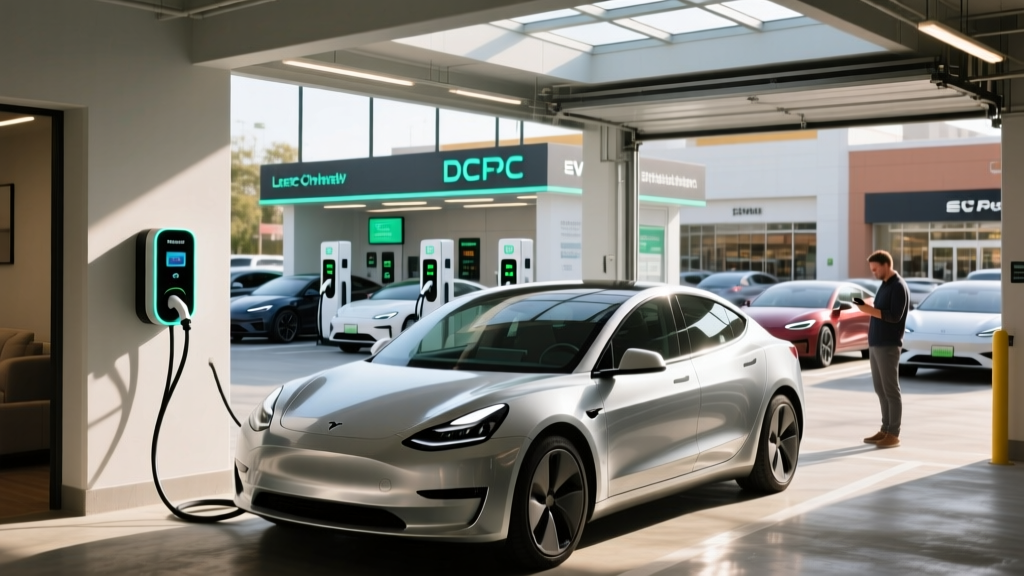
Retail EV charging — the pay-per-use public and semi-public charging you find at shopping centers, highway corridors, and dedicated charging plazas — has expanded dramatically through 2025 and into 2026. Networks like Electrify America, EVgo, and Tesla's now-open Supercharger network collectively operate over 75,000 DC fast-charging ports in the U.S. But for daily driving, the economics still heavily favor home charging. Understanding exactly when to rely on retail EV charging versus investing in a home Level 2 setup is the single most impactful ownership decision you'll make.
This guide breaks down every charging level with precise numbers — power in kilowatts (kW), energy in kilowatt-hours (kWh), real cost per mile, and installation requirements — so you can build a charging strategy that actually fits your driving patterns and budget.
The Three Charging Levels: Speed, Power, and Range Added
Before comparing costs, you need to understand what each charging level actually delivers. Power (measured in kW) determines how fast energy flows into your battery. Energy (measured in kWh) is the total amount stored. A 10 kW charger running for one hour delivers 10 kWh of energy. Confusing these two units is the most common EV literacy mistake — and it leads to wildly wrong expectations at the plug.
| Level | Voltage | Power Range (kW) | Miles of Range Added per Hour | Typical Use Case | 10–80% Time (75 kWh Battery) |
|---|---|---|---|---|---|
| Level 1 | 120V AC | 1.0–1.9 kW | 3–5 mi/hr | Overnight trickle, PHEVs, low-mileage drivers | ~45–55 hours (not practical) |
| Level 2 | 240V AC | 3.3–19.2 kW | 12–70 mi/hr | Home daily charging, workplaces, hotels | ~4–8 hours (at 7.2–11.5 kW) |
| DC Fast Charge | 400–800V DC | 50–350+ kW | 150–1,200+ mi/hr (peak) | Road trips, highway corridors, retail plazas | ~15–35 minutes (varies by vehicle) |
Retail EV Charging: What You'll Actually Pay
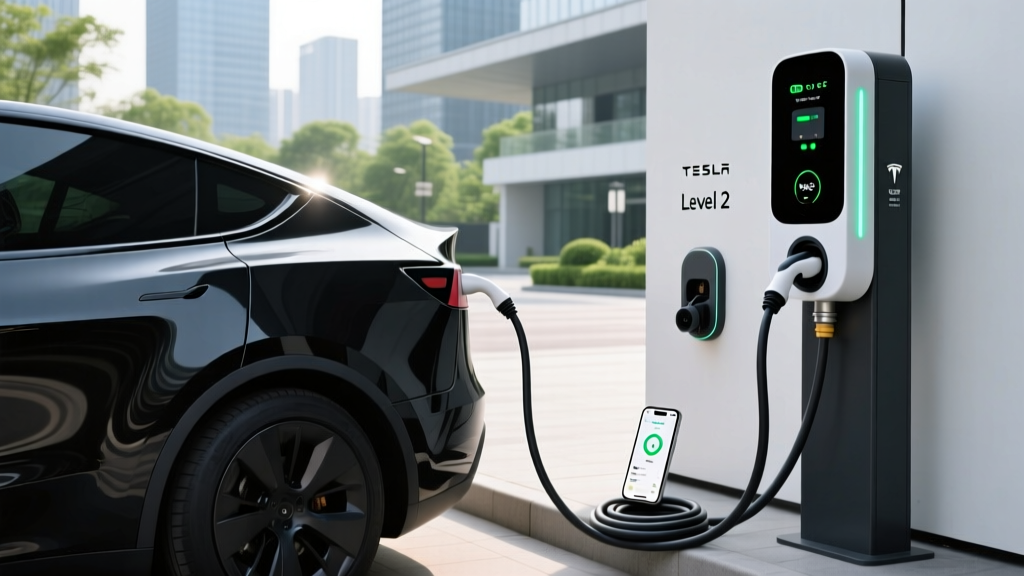
Retail EV charging pricing varies enormously by network, location, time of day, and your membership status. Here's what the landscape looks like in 2026, based on published network rates and aggregated pricing data:
| Scenario | Typical $/kWh | Cost to Add 200 Miles (at 3 mi/kWh) | Cost Per Mile | Comparable Gas Cost (30 MPG at $3.40/gal) |
|---|---|---|---|---|
| Home Level 2 (off-peak utility rate) | $0.08–$0.14 | $5.33–$9.33 | $0.027–$0.047 | $22.67 ($0.113/mi) |
| Home Level 2 (standard rate) | $0.13–$0.20 | $8.67–$13.33 | $0.043–$0.067 | $22.67 ($0.113/mi) |
| Retail Level 2 (shopping center/workplace) | $0.20–$0.35 | $13.33–$23.33 | $0.067–$0.117 | $22.67 ($0.113/mi) |
| Retail DC Fast ( Electrify America, EVgo, etc.) | $0.35–$0.55 | $23.33–$36.67 | $0.117–$0.183 | $22.67 ($0.113/mi) |
| Tesla Supercharger (member rate) | $0.25–$0.38 | $16.67–$25.33 | $0.083–$0.127 | $22.67 ($0.113/mi) |
The takeaway is unambiguous: home off-peak charging costs roughly one-quarter to one-third what retail DC fast charging costs per mile. Even standard-rate home charging beats gas in most states. Retail DC fast charging, however, often matches or exceeds the per-mile cost of a 30 MPG gas vehicle — you're paying for convenience and speed, not savings.
Network pricing structures also vary. Some retail chargers bill per kWh (the fair method), while others still charge per minute, which penalizes vehicles with slower charge acceptance. Always check the network app before plugging in. Idle fees — typically $0.26–$1.00 per minute after your session ends — can add $10–$20 if you're not prompt about unplugging.
Home Level 2 Installation: Electrical Requirements and Real Costs
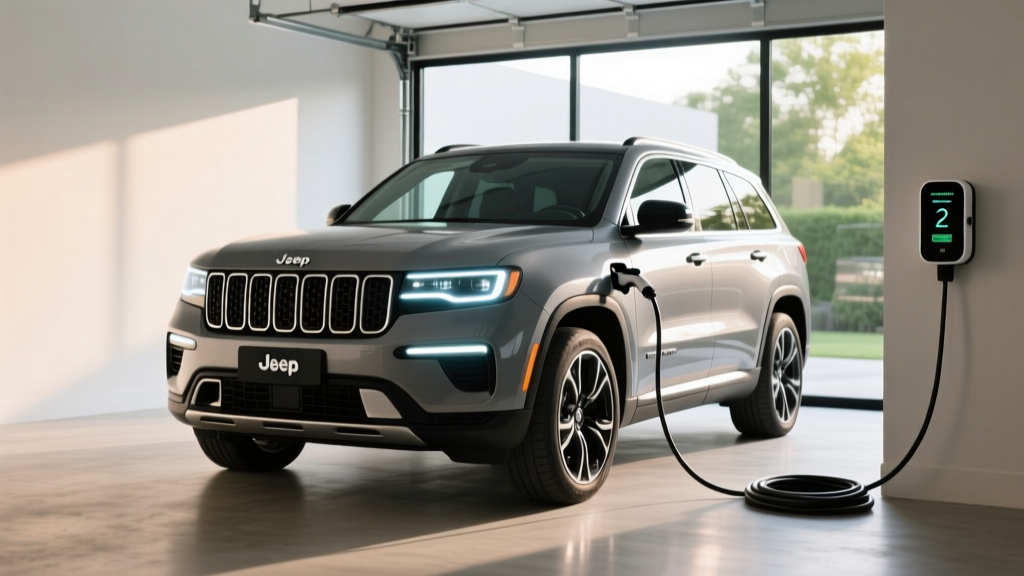
Installing a home Level 2 charger is the single best investment for daily EV ownership. But costs vary dramatically depending on your home's electrical infrastructure. Here's what's involved:
Electrical Requirements
A typical home Level 2 installation requires:
- Voltage: 240V (same as your dryer or oven circuit)
- Amperage: 40A circuit for a 32A charger (code requires circuits rated at 125% of continuous load), or 60A circuit for a 48A charger
- Dedicated circuit: EV chargers are continuous loads under NEC Article 625 and must have their own dedicated breaker — no sharing with other outlets
- GFCI protection: Required for outdoor installations under current NEC; many modern chargers include built-in GFCI, but your electrician will verify code compliance
- Wire gauge: Typically 6 AWG copper for a 40A/60A circuit, depending on run length
Panel Capacity: The Hidden Cost Driver
Before installation, your electrician will perform a load calculation per NEC Article 220 to determine whether your existing electrical panel can handle the added draw. Most homes built after 2000 with a 200A panel have sufficient capacity. Older homes with 100A or 150A service — or homes already running multiple high-draw appliances (electric range, dryer, heat pump, hot tub) — may require a panel upgrade.
| Component | Simple Install (panel adjacent, no upgrade) | Moderate Install (long wire run, sub-panel) | Complex Install (panel upgrade required) |
|---|---|---|---|
| Level 2 charger hardware | $350–$700 | $350–$700 | $350–$700 |
| Electrician labor (permit, wiring, breaker) | $400–$800 | $800–$1,800 | $800–$1,500 |
| Electrical permit | $50–$200 | $50–$200 | $50–$200 |
| Panel upgrade (if needed) | $0 | $0 | $1,500–$4,000 |
| Conduit, wire, junction boxes | $50–$150 | $200–$500 | $200–$500 |
| Total estimated cost | $850–$1,850 | $1,400–$3,200 | $2,900–$6,900 |
Always hire a licensed electrician familiar with NEC Article 625 (EV charging system installations). Get at least two quotes, and ask whether the quote includes the permit and final inspection — some jurisdictions require inspection before the charger can be energized. The U.S. Department of Energy maintains resources on home charging installation requirements.
Federal and State Incentives for Home Charging
The federal Alternative Fuel Vehicle Refueling Property Credit (IRC §30C) was extended through 2032 under the Inflation Reduction Act, covering up to 30% of home EV charger hardware and installation costs, capped at $1,000 per year. However, eligibility is restricted to properties in census tracts that are not classified as urban areas or that meet specific low-income community criteria. Check the IRS §30C guidelines for your specific address. Many states and utilities also offer rebates of $250–$1,000 for Level 2 equipment — your utility's website is the best starting point.
Connector Compatibility: NACS, CCS, and CHAdeMO in 2026
The connector landscape has consolidated significantly. By 2026, nearly every new EV sold in the U.S. ships with the North American Charging Standard (NACS) port — the connector Tesla pioneered and opened to the industry in late 2022. Ford, GM, Rivian, Hyundai, Kia, BMW, and most other automakers have adopted NACS. CCS1 (Combined Charging System) remains on vehicles sold between roughly 2019 and 2025, and CHAdeMO is effectively legacy (Nissan Leaf being the last major holdout, now discontinued).
| Connector | Plug Type | Vehicles Using It | Retail Availability | Adapter Needed? |
|---|---|---|---|---|
| NACS (J3400) | Compact, no latch | Tesla (all), Ford, GM, Rivian, Hyundai/Kia (2025+), BMW, most 2026 models | Tesla Superchargers (open to NACS vehicles), growing EA/EVgo/ChargePoint NACS stalls | No (native on new vehicles) |
| CCS1 | Larger, latching mechanism | VW ID.4, older Ford Mustang Mach-E, older GM Ultium vehicles, Hyundai Ioniq 5 (pre-2025) | Electrify America, EVgo, ChargePoint DC stalls (majority of existing infrastructure) | NACS-to-CCS adapter (~$150–$250) for Tesla Superchargers |
| CHAdeMO | Round, large plug | Nissan Leaf (discontinued), Mitsubishi Outlander PHEV (older) | Declining; some EA and EVgo legacy stalls | Limited adapter options; not recommended for new purchases |
Adapter reality for 2026: If you own a CCS1-equipped vehicle, most automakers now offer or include a CCS-to-NACS adapter (Ford and GM provided them to early buyers). This unlocks access to Tesla's Supercharger network — the largest and most reliable DC fast-charging network in North America. Expect to pay $150–$250 for a quality adapter if one wasn't included with your vehicle. Never use uncertified third-party adapters; they may not meet SAE J3400 specifications and could damage your vehicle's charge port.
Equipment Recommendations: Home Level 2 Chargers Worth Buying
Not all Level 2 chargers are equal. The critical specs are max power output (kW), connector type, cable length, smart features (scheduling, energy monitoring), and build quality for indoor or outdoor mounting. Here are proven options for 2026:
Tesla Wall Connector (Gen 4)
- Power Output: Up to 11.5 kW (48A on a 60A circuit)
- Connector: NACS native
- Cable Length: 24 feet
- Smart Features: Wi-Fi scheduling, energy tracking, OTA updates, load sharing between multiple units
- Price: ~$475
- Best For: Tesla owners and any NACS-equipped vehicle; excellent value for the power output
ChargePoint Home Flex
- Power Output: Up to 12 kW (50A on a 60A circuit); configurable from 16A to 50A via DIP switches to match your circuit
- Connector: NACS (2025+ models); CCS1 available on older stock
- Cable Length: 23 feet
- Smart Features: Wi-Fi, app scheduling, Alexa integration, detailed energy reports
- Price: ~$550–$650
- Best For: Non-Tesla owners wanting a flexible, well-supported charger with robust app features
Emporia Vue Level 2 Charger
- Power Output: Up to 11.5 kW (48A on a 60A circuit)
- Connector: NACS
- Cable Length: 24 feet
- Smart Features: Wi-Fi, solar-integration scheduling (pairs with Emporia Vue energy monitor), time-of-use optimization
- Price: ~$400–$500
- Best For: Budget-conscious buyers and solar-panel owners wanting charge-to-solar automation
Grizzl-E Smart
- Power Output: Up to 10 kW (40A on a 50A circuit)
- Connector: NACS or J1772 (CCS1 legacy)
- Cable Length: 24 feet
- Smart Features: Wi-Fi, OCPP compatibility, adjustable amperage
- Price: ~$400–$550
- Best For: Cold-climate owners (rated to -40°F) and those wanting a rugged, Canadian-built unit
For most EV owners with a 75–100 kWh battery, an 11.5 kW (48A) charger adds roughly 35–45 miles of range per hour — enough to fully replenish a daily commute overnight in 4–6 hours. If your electrical panel only supports a 40A circuit, a 32A/7.7 kW charger still delivers ~25 miles per hour, which is sufficient for drivers covering under 100 miles daily.
Safety, Code, and the Details That Matter
EV charging involves sustained high-current draw — often 8+ hours continuously. This places it in a special category under the National Electrical Code. Key safety requirements include:
- Dedicated circuit: Your EV charger cannot share a breaker with any other outlet or appliance. This prevents overloads and tripped breakers during long charge sessions.
- Continuous-load derating: NEC requires that circuits be rated at 125% of the continuous load. A 40A charger needs a 50A breaker; a 48A charger needs a 60A breaker.
- GFCI protection: Required for outdoor receptacles used for EV charging (NEC 625.54). Hardwired installations may be exempt depending on local jurisdiction, but built-in GFCI in the charger itself is increasingly standard.
- Outdoor rating: If mounting outside, ensure the charger carries a NEMA 4 or IP65 rating for weather resistance. All major chargers listed above meet this standard.
- Cable management: A holster or cable retractor prevents tripping hazards and protects the connector from ground contact, moisture, and road debris.
- Permit and inspection: Nearly all jurisdictions require an electrical permit for EV charger installation. Skipping this can void your homeowner's insurance in the event of an electrical fire and may cause issues during a future home sale.
When Retail EV Charging Makes Sense (and When It Doesn't)
Retail EV charging is essential infrastructure — but it shouldn't be your primary charging strategy if you have the option to charge at home. Here's a practical decision framework:
Choose Home Level 2 Charging If:
- You have a garage, carport, or driveway with electrical access
- Your daily driving is under 150 miles (covers 90%+ of U.S. drivers, per fueleconomy.gov)
- You want the lowest per-mile fuel cost ($0.03–$0.05/mi vs $0.11+/mi for gas)
- You value waking up to a "full tank" every morning without detours
Rely on Retail EV Charging If:
- You live in an apartment or condo without charging access (though advocate for building-installed chargers)
- You're on a road trip exceeding your vehicle's EPA range
- Your utility charges peak rates that make daytime home charging uneconomical
- You need a rapid 15–25 minute top-up during a busy day (DC fast charging)
Frequently Asked Questions
How much does it cost to install a home EV charger?
A straightforward Level 2 installation with adequate panel capacity typically costs $850–$1,850 including equipment, electrician labor, and permit. If your panel needs an upgrade (common in homes with 100A service), expect $2,900–$6,900 total. Always get a load calculation from a licensed electrician before committing.
How fast will each charging level add range?
Level 1 (120V) adds 3–5 miles per hour — fine for PHEVs with small batteries but impractical for full EVs. Level 2 (240V) at 11.5 kW adds roughly 35–45 miles per hour, replenishing most EVs overnight. DC fast charging at 150–250 kW can add 100–200+ miles in 15–20 minutes, though speed tapers significantly above 80% state of charge.
Which connector and charger is compatible with my EV?
If your vehicle is a 2025+ model from Ford, GM, Rivian, Tesla, Hyundai, Kia, or BMW, it almost certainly has a NACS port. Older CCS1 vehicles (2019–2024 VW ID.4, earlier Mach-E, etc.) can use a CCS-to-NACS adapter (~$150–$250) to access Tesla Superchargers. CHAdeMO (Nissan Leaf) is legacy with declining retail support. Check your vehicle's charge port or owner's manual to confirm.
How much does charging cost per mile compared to gas?
Home off-peak charging costs roughly $0.03–$0.05 per mile for a typical EV averaging 3 miles per kWh. A comparable 30 MPG gas vehicle at $3.40/gallon costs about $0.11 per mile. Retail DC fast charging at $0.40–$0.55/kWh costs $0.13–$0.18 per mile — sometimes exceeding gas. The savings advantage of EV ownership is overwhelmingly tied to home charging access.
What electrical upgrades might I need for a home charger?
The most common upgrade is a panel capacity increase from 100A or 150A to 200A service, costing $1,500–$4,000. Some homes may also need a new conduit run from the panel to the garage (adding $200–$500 in labor and materials). In rare cases, your utility may need to upgrade the service drop to your home. Your electrician's load calculation will reveal exactly what's required before any work begins.
For the latest on EV efficiency ratings and energy consumption data, the EPA's fueleconomy.gov database provides official MPGe and kWh/100mi figures for every EV sold in the U.S., letting you calculate precise charging costs for your specific vehicle and utility rate.