The Red Charger Car Revolution: Why Home Charging Matters
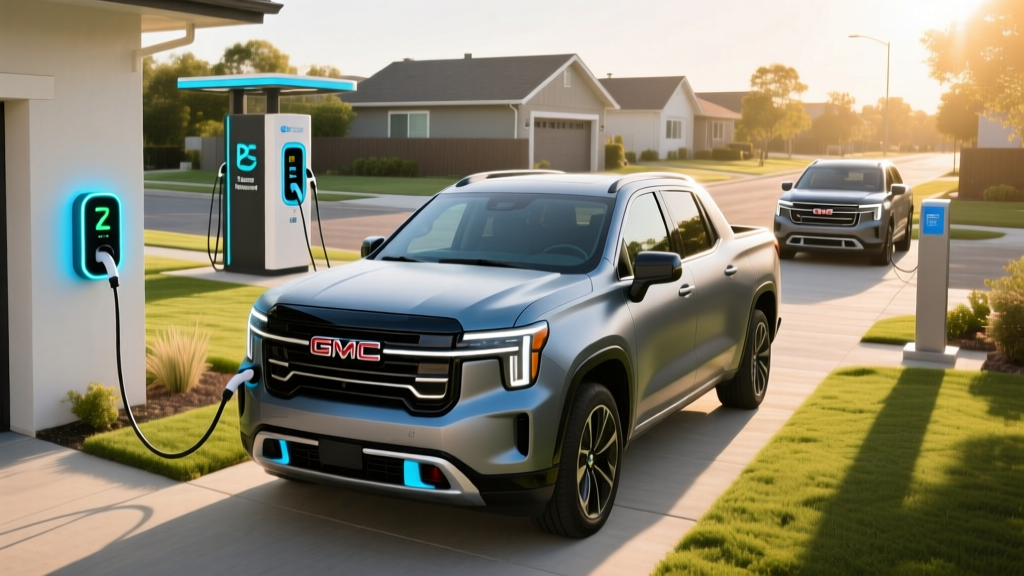
If you've spotted a sleek red charger car plugged in at a coffee shop or noticed your neighbor's crimson charging station glowing softly in their garage, you're witnessing the aesthetic side of the EV revolution. But beyond the photogenic appeal lies a practical question: how do you set up efficient, cost-effective charging for your electric vehicle?
This guide cuts through marketing fluff to deliver exact numbers—charge speeds in kW, installation costs down to the permit fee, and real-world cost-per-mile calculations that matter for your budget.
Understanding EV Charging Levels: Speed, Power, and Practical Reality
Before shopping for that eye-catching red charger car setup, you need to understand the three charging tiers available. The critical distinction: kW (kilowatts) measures power flow rate—how fast energy moves into your battery—while kWh (kilowatt-hours) measures total energy capacity, like gallons in a tank.
| Level | Voltage | Power (kW) | Miles Added/Hour | Best Use Case |
|---|---|---|---|---|
| Level 1 | 120V | 1.2-1.9 kW | 3-5 miles | Overnight trickle, PHEVs, emergencies |
| Level 2 | 240V | 3.3-19.2 kW | 12-75 miles | Daily home charging, workplace |
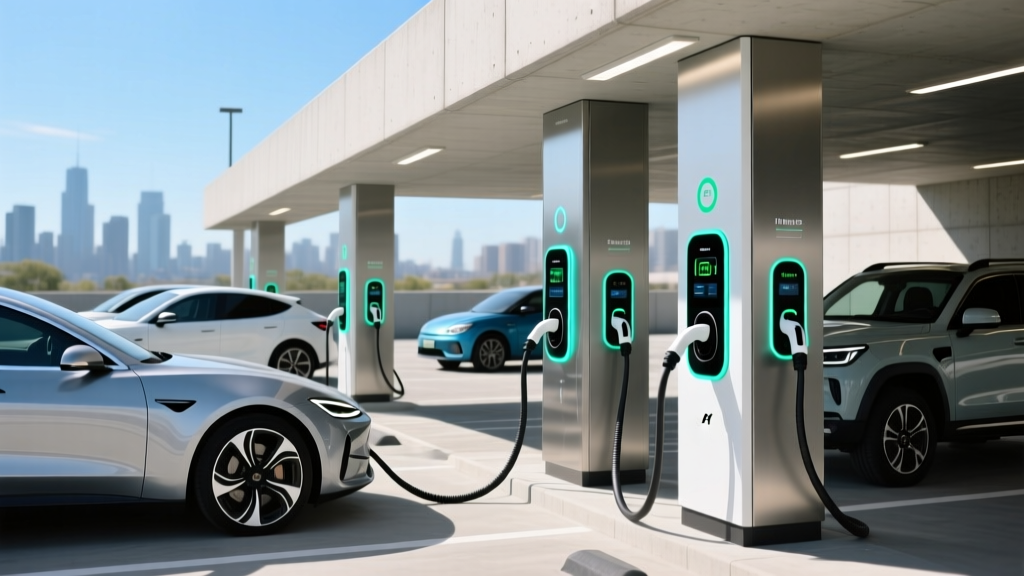
| DC Fast | 400-800V DC | 50-350 kW | 150-1,200+ miles | Road trips, quick top-ups |
For a typical 75 kWh battery (think Tesla Model Y, Ford Mustang Mach-E), expect these 10-80% charge times:
- Level 1 (1.4 kW): 37+ hours — impractical for full charges
- Level 2 (11.5 kW): 4.5-5 hours — ideal overnight
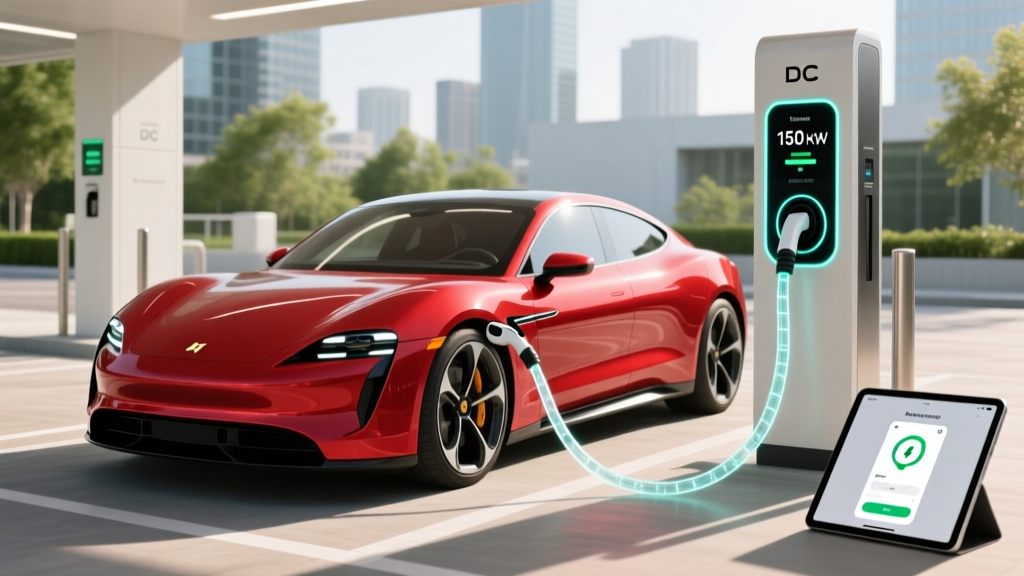
- DC Fast (150 kW peak): 25-35 minutes (tapers above 80%)
- DC Fast (250 kW peak): 15-22 minutes on compatible vehicles
Real-world note: DC fast charging rarely sustains peak rates. A "250 kW" charger might deliver 200 kW average from 10-60%, then drop to 50 kW by 85% to protect battery chemistry. Cold weather (below 40°F) can slow charging 20-40% unless your EV preconditions the battery.
Home Charger Installation: Costs, Electrical Requirements, and Panel Upgrades
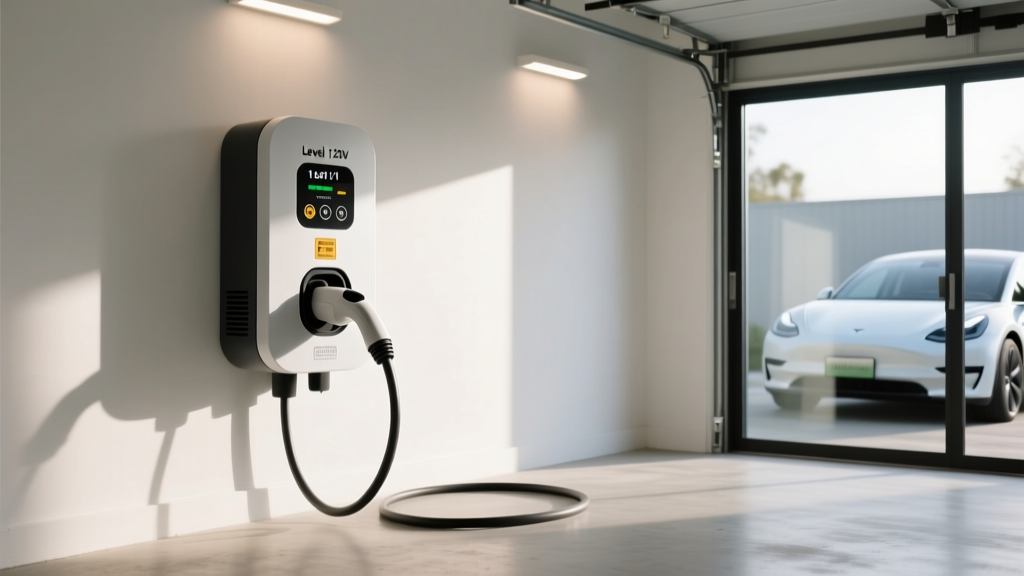
Installing a Level 2 home charger—the sweet spot for daily EV ownership—requires 240-volt service, similar to an electric dryer or oven. Here's what that actually costs:
| Component | Cost Range | Notes |
|---|---|---|
| Level 2 Charger (hardware) | $350-$800 | 32A-48A smart chargers; red charger car models add $50-150 premium |
| Electrician labor | $400-$1,500 | Depends on run length, conduit needs, wall type |
| Permit & inspection | $50-$250 | Varies by municipality; some jurisdictions waive for EV |
| Electrical panel upgrade (if needed) | $1,500-$4,000 | Required if panel is maxed out or below 200A service |
| Total typical install | $800-$2,550 | Without panel upgrade; add $1,500-$4,000 if upgrade needed |
When You'll Need a Panel Upgrade
Homes built before 1990 often have 100-amp or 150-amp panels. Adding a 40-amp EV circuit (requiring 50-amp breaker capacity) can push you over the limit. Signs you'll need an upgrade:
- Panel is already near capacity (electrician can calculate load)
- You have a 100-amp main service
- Multiple high-draw appliances (electric range, dryer, HVAC, EV charger)
- Frequent breaker trips even without EV charging
Pro tip: Some utilities offer "make-ready" programs covering panel upgrades for EV adoption—check with your provider before paying full price.
Safety and Code Requirements
The National Electrical Code (NEC) mandates:
- Dedicated circuit: EV charger cannot share with other appliances
- GFCI protection: Required for outdoor installations (some jurisdictions require indoor too)
- Outdoor rating: NEMA 4 or higher if exposed to weather
- Proper gauge wire: 6 AWG copper for 50A circuits, 8 AWG for 40A
- Disconnect switch: Required within sight of charger in some areas
Never DIY electrical work beyond plugging in a pre-installed outlet—improper installation risks fire, voids insurance, and fails inspection.
Connector Compatibility: NACS, CCS, and CHAdeMO Explained
Your red charger car setup must match your vehicle's inlet. As of 2026, the North American market has largely standardized on NACS (Tesla's design, now adopted industry-wide), but legacy connectors remain:
| Connector | Brands Using It | Max DC Fast Power | Adapter Availability |
|---|---|---|---|
| NACS (Tesla) | Tesla (all), Ford, GM, Rivian, Volvo, Polestar, others (2025+) | 250-350 kW | Native on new EVs; CCS-to-NACS adapters $200-300 |
| CCS1 | Legacy VW, BMW, Hyundai/Kia, most pre-2025 non-Tesla | 150-350 kW | NACS-to-CCS adapters available; being phased out |
| CHAdeMO | Nissan Leaf (older), Mitsubishi Outlander PHEV | 50-100 kW | Limited adapter options; network declining |
If you're buying a 2026 EV, it almost certainly uses NACS. If you own a 2020-2024 non-Tesla EV with CCS, you can still use Tesla Superchargers with an adapter (check your manufacturer's approved list).
For home Level 2 charging, all modern EVs use the J1772 standard (or NACS, which includes J1772 signaling). Your red charger car wall unit will work with any EV sold in North America.
Cost to Charge: Home vs Public vs Gas Comparison
The economic case for EVs hinges on charging cost. Here's the real math for 2026:
| Scenario | $/kWh | Cost per 300 miles* | Cost per mile |
|---|---|---|---|
| Home (off-peak utility rate) | $0.12-0.18 | $10.80-$16.20 | $0.036-$0.054 |
| Home (solar, amortized) | $0.06-0.10 | $5.40-$9.00 | $0.018-$0.030 |
| Public Level 2 (ChargePoint, etc.) | $0.25-0.45 | $22.50-$40.50 | $0.075-$0.135 |
| DC Fast (Electrify America, EVgo) | $0.35-0.55 | $31.50-$49.50 | $0.105-$0.165 |
| Tesla Supercharger (varies by location) | $0.28-0.42 | $25.20-$37.80 | $0.084-$0.126 |
| Gas car (30 MPG, $3.50/gal) | N/A | $35.00 | $0.117 |
*Based on 3.5 miles/kWh efficiency (typical for midsize EV like Model Y, Ioniq 5)
The verdict: Home charging delivers 60-80% savings vs gas. Public DC fast charging approaches gas costs—use it for road trips, not daily needs. Time-of-use rates (charging overnight when demand is low) maximize savings.
Red Charger Car Equipment Picks: Top 2026 Models
Yes, aesthetics matter—a red charger car setup can be a garage statement piece. Here are top-performing options with the crimson finish you want:
ChargePoint Home Flex (Red Edition)
- Power: Up to 11.5 kW (48A) on 60A circuit; adjustable down to 16A
- Connector: J1772 (works with all EVs; NACS EVs use adapter)
- Cable length: 18 or 23 feet
- Smart features: Wi-Fi, app scheduling, energy tracking, Alexa integration
- Price: $699 (18ft) / $749 (23ft)
- Best for: Flexible amperage, robust app, reliable brand
Emporia Vue Level 2 Charger (Red)
- Power: Up to 11.5 kW (48A)
- Connector: J1772
- Cable length: 24 feet
- Smart features: Solar integration, load balancing, energy monitoring
- Price: $599
- Best for: Solar homes, budget-conscious buyers
Tesla Wall Connector (Red Custom Wrap)
- Power: Up to 11.5 kW (48A)
- Connector: NACS native (J1772 adapter included for non-Tesla)
- Cable length: 24 feet
- Smart features: Tesla app integration, power sharing (multiple units), over-the-air updates
- Price: $475 + $50-100 custom red wrap
- Best for: Tesla owners wanting native NACS, cleanest install
All three are NEMA 4-rated (indoor/outdoor), UL-listed, and compatible with utility demand-response programs that can earn you rebates.
Frequently Asked Questions
How much does it cost to install a home EV charger?
Expect $800-$2,550 total for a Level 2 installation: $350-$800 for the charger hardware, $400-$1,500 for electrician labor, and $50-$250 for permits. If your home needs an electrical panel upgrade (common in pre-1990 homes), add $1,500-$4,000. Get 2-3 quotes—prices vary wildly based on local labor rates and run complexity.
How fast will each charging level add range?
Level 1 (120V) adds 3-5 miles per hour—fine for plug-in hybrids with 30-mile electric ranges, impractical for full EVs. Level 2 (240V, 32-48A) adds 25-45 miles per hour, easily replenishing a full day's driving overnight. DC fast charging (50-350 kW) can add 150-300 miles in 20-30 minutes, though speeds taper above 80% to protect the battery.
Which connector/charger is compatible with my EV?
For 2026 models: Tesla, Ford, GM, Rivian, Volvo, and others use NACS. Most 2020-2024 non-Tesla EVs use CCS1. Older Nissan Leafs use CHAdeMO. All Level 2 home chargers use J1772 (or NACS with J1772 signaling), which works with every EV via included adapters. Check your owner's manual or the EPA's EV database for your specific model.
How much does charging cost per mile vs gas?
Home charging at $0.15/kWh costs $0.04-$0.05 per mile (assuming 3.5 miles/kWh efficiency). Gas at $3.50/gallon in a 30 MPG car costs $0.12 per mile. That's 60-70% savings with home charging. Public DC fast charging ($0.35-$0.55/kWh) costs $0.10-$0.17 per mile—comparable to gas, so reserve it for road trips.
What electrical upgrades might I need?
A Level 2 charger requires a dedicated 240V circuit (40-60 amps). If your electrical panel is already near capacity, you'll need a service upgrade to 200A ($1,500-$4,000). Signs you're maxed out: frequent breaker trips, 100A main service, or multiple high-draw appliances (electric range, dryer, HVAC). An electrician can perform a load calculation to determine if an upgrade is necessary.
Can I install a red charger car setup outdoors?
Yes, but ensure your charger is NEMA 4-rated (weather-resistant) and installed with GFCI protection per NEC code. Most premium chargers (ChargePoint, Tesla, Emporia) meet outdoor standards. Consider a protective cover if you're in an area with heavy snow, ice, or salt spray.
Are there tax credits or rebates for home charger installation?
The federal Alternative Fuel Vehicle Refueling Property Credit covers 30% of home charger costs up to $1,000 (through 2032). Many utilities and states offer additional rebates ($200-$1,500). Check AFDC's incentive database for your location. Eligibility depends on income limits and census tract requirements.
Final Considerations: Future-Proofing Your Red Charger Car Investment
A Level 2 home charger is a 10-15 year investment. Choose wisely:
- Oversize the circuit: Install a 60A circuit even if your current EV only needs 40A—your next EV may charge faster
- Pick adjustable amperage: Chargers like ChargePoint Home Flex let you dial down power if your panel is tight, then upgrade later
- Go smart: Wi-Fi-enabled chargers receive firmware updates, integrate with solar/battery systems, and enable utility demand-response savings
- Consider cable length: 23-24 feet reaches most garage configurations; 18 feet works if your parking spot is predictable
That red charger car aesthetic? It's more than curb appeal—it signals you've invested in the infrastructure for the next decade of driving. Pair it with off-peak utility rates, and you'll pay $0.04 per mile while your gas-vehicle neighbors pay three times that.
For the latest on EV charging incentives and safety standards, consult the National Highway Traffic Safety Administration and your local utility's EV program page.