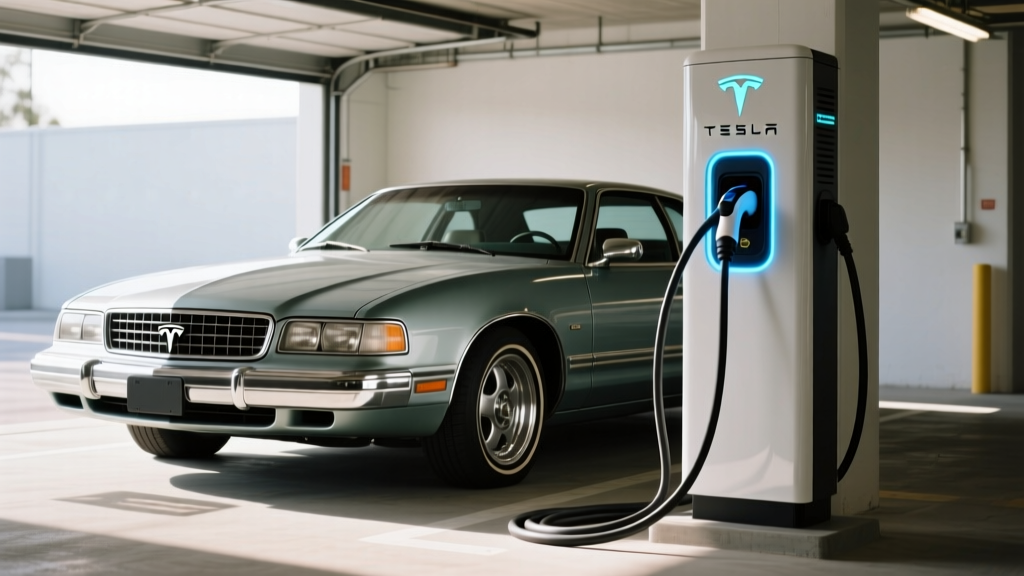
If you've typed "Pontiac Grand Prix with supercharger" into a search bar, you're likely colliding with two very different automotive worlds. The Pontiac Grand Prix — discontinued after the 2008 model year — was a midsize sedan built around a gasoline V6 (and, in GTP/GXP trims, a supercharged or larger displacement engine). A Tesla Supercharger, meanwhile, is a DC fast-charging network built exclusively for electric vehicles. You cannot plug a Grand Prix into a Supercharger, and bolting a supercharger (the forced-induction engine part) onto a 3.8L V6 is a gas-car project entirely unrelated to EVs.
But the confusion is useful. It exposes how many drivers are approaching EV charging for the first time — mixing up engine superchargers with DC fast chargers, kWh with kW, and home Level 2 with public networks. This guide clears that up, then walks you through everything you actually need to know to charge an EV at home or on the road in 2026: speeds, costs, electrical requirements, equipment picks, and the install gotchas nobody warns you about.
Supercharger (Engine Part) vs. Supercharger (EV Network) — What's the Difference?
A supercharger on a Pontiac Grand Prix GTP (1997–2003) refers to an Eaton M90 roots-type blower bolted to the 3.8L V6, forcing more air into the cylinders to produce roughly 240–260 horsepower depending on the model year. It's a mechanical, belt-driven engine component that burns more gasoline to make more power.
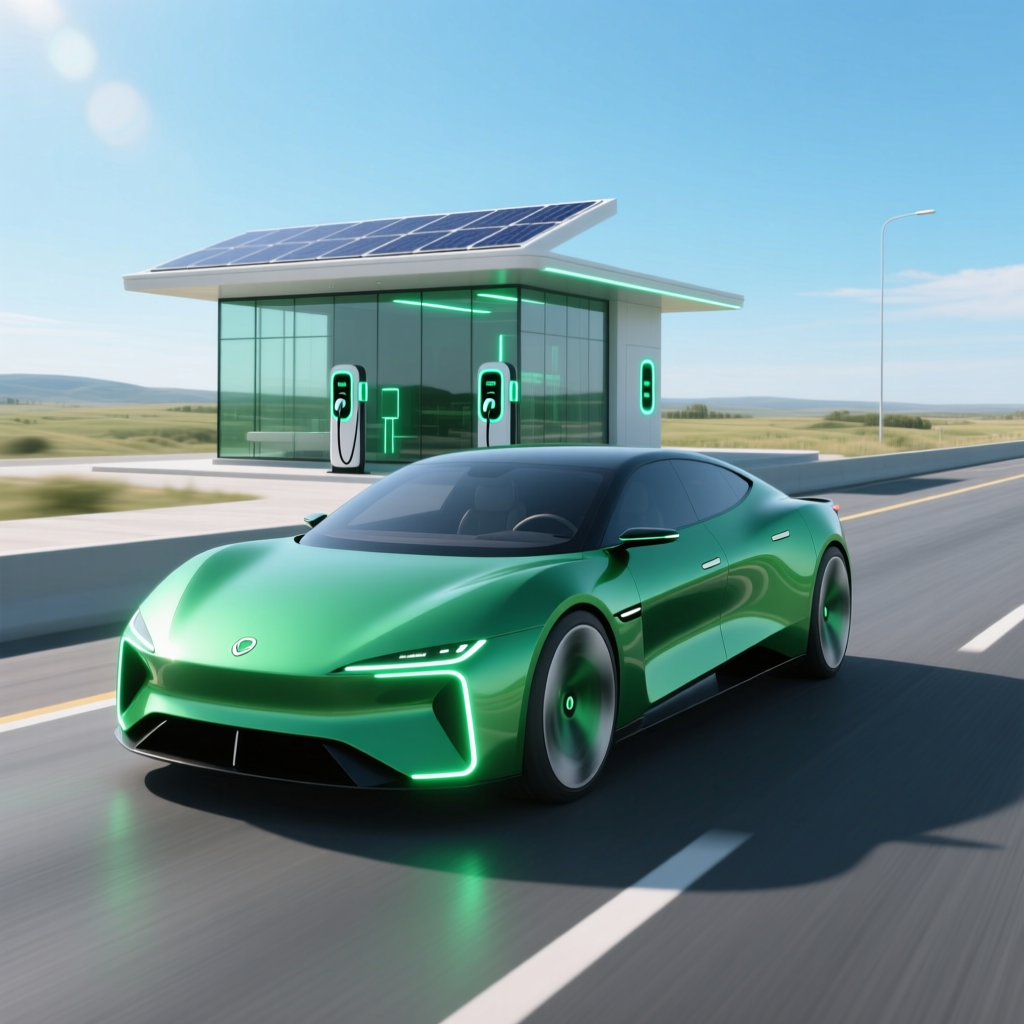
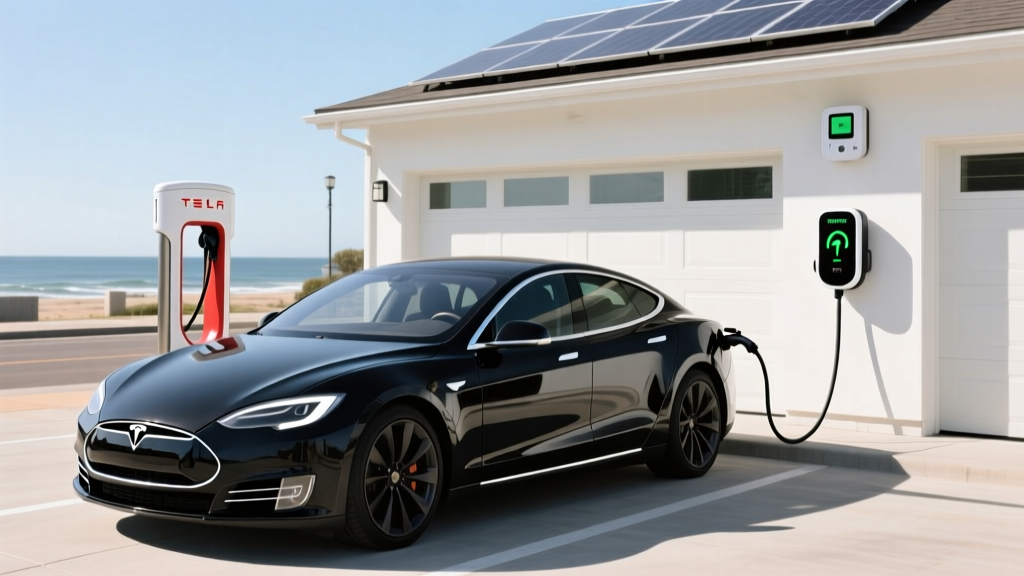
A Tesla Supercharger is a network of DC fast-charging stations delivering between 150 kW and 350 kW of electrical power directly into an EV's battery pack. It adds range — typically 150–200 miles in 15 minutes on a modern EV — without a drop of fuel. The two have zero mechanical or electrical overlap.
With that cleared up, here's the charging guide for anyone actually moving to an EV.
The Three EV Charging Levels: Speeds, Power, and Real-World Range Added
EV charging is categorized into three levels. The critical distinction: kW (kilowatts) measures power — how fast energy flows. kWh (kilowatt-hours) measures energy — how much the battery holds. A 75 kWh battery charged at 7 kW takes roughly 10+ hours; at 150 kW it takes under 30 minutes (to 80%).
| Level | Voltage | Power (kW) | Miles of Range Added Per Hour | Typical Use |
|---|---|---|---|---|
| Level 1 | 120V AC | 1.0–1.4 kW | 3–5 miles | Overnight top-ups, PHEVs, emergencies |
| Level 2 | 240V AC | 3.3–19.2 kW | 12–75 miles | Daily home charging, workplace, shopping centers |
| DC Fast (Level 3) | 400–800V DC | 50–350 kW | 150–1,000+ miles/hr (peak) | Road trips, highway corridors, 10–80% in 15–30 min |
Real-world caveat: DC fast-charging speeds peak only between roughly 10% and 40% state of charge. Above 80%, the battery management system throttles current to protect the cells — a 250 kW peak may average 90–120 kW over a full 10–80% session. Cold batteries charge even slower until preconditioned.
How Much Does It Cost to Install a Home EV Charger?
A Level 2 home charger is where 80%+ of EV charging happens for owners with garage or driveway access. Total installed cost depends on three variables: the charger hardware, your electrical panel's capacity, and the distance from panel to charger location.
| Component | Typical Range | Notes |
|---|---|---|
| Level 2 Charger (hardware) | $350–$750 | 40A–48A smart chargers; Wi-Fi-enabled for scheduling |
| Electrician labor | $500–$2,000 | Depends on run length, conduit, wall type |
| Electrical permit | $50–$200 | Required by most jurisdictions; inspection included |
| Panel upgrade (if needed) | $1,500–$4,000 | Older 100A panels may need 200A upgrade for a 48A circuit |
| Total (no panel upgrade) | $900–$2,950 | Most homes with 200A service fall here |
| Total (with panel upgrade) | $2,400–$6,950 | Common in homes built before 1990 |
Electrical requirements: A 48A charger requires a dedicated 60A circuit (NEC rule: continuous loads must be derated to 80% of breaker capacity). That means 6-gauge copper wire (or 4-gauge aluminum), a 240V outlet (NEMA 14-60 or hardwired), and a panel with at least 60A of spare capacity. If your panel is already near its limit — common with electric dryers, ranges, and HVAC — an electrician may recommend a load-management device or a panel upgrade.
The federal Residential Clean Energy Credit (IRC §25C, extended through 2032) covers 30% of charger hardware and installation costs, up to $1,000 per year. This applies to the charger, wiring, conduit, and electrician labor — but not a panel upgrade. Confirm eligibility with a tax professional; state and utility rebates may stack on top.
Connector Compatibility: NACS, CCS1, CHAdeMO — What Fits Your EV?
The North American EV market standardized around NACS (North American Charging Standard, originally Tesla's proprietary connector) starting in 2024–2025. By 2026, nearly every new EV sold in the US ships with a NACS port, and legacy CCS1 vehicles can use adapters at Superchargers.
| Connector | Brands Using It (2026) | DC Fast Charge Availability |
|---|---|---|
| NACS (Tesla standard) | Tesla, Ford, GM, Rivian, Hyundai, Kia, BMW, Mercedes, Volvo, Polestar, Toyota, Subaru, Lucid, Fisker | Tesla Supercharger network (55,000+ stalls globally); Electrify America, EVgo adding NACS |
| CCS1 | Legacy models (2024 and earlier VW ID.4, older Ford Mach-E, pre-2025 Hyundai Ioniq 5) | Electrify America, EVgo, ChargePoint DC; adapters available for Superchargers |
| CHAdeMO | Nissan Leaf (discontinued in US), Mitsubishi Outlander PHEV (legacy) | Declining network; plan around CCS/NACS for future-proofing |
If you're buying a used EV with CCS1, a Tesla Magic Dock adapter (built into many Supercharger stalls) or a third-party CCS-to-NACS adapter (~$200–$300) unlocks the Supercharger network. For home Level 2 charging, all connectors use the same J1772 standard (or NACS, which includes J1772 signaling) — any Level 2 charger will work with any EV, with at most a simple plug adapter.
How Much Does Charging Cost Per Mile vs. Gas?
The economics of EV charging depend entirely on where and when you charge. Home off-peak charging is dramatically cheaper than DC fast charging — and both are usually cheaper than gasoline at 2026 prices.
| Scenario | Rate | Vehicle Efficiency | Cost Per Mile |
|---|---|---|---|
| Home Level 2 (off-peak, avg US) | $0.13/kWh | 3.5 mi/kWh (e.g., Tesla Model Y) | $0.037 |
| Home Level 2 (California peak) | $0.34/kWh | 3.5 mi/kWh | $0.097 |
| Public Level 2 (workplace/retail) | $0.20–$0.35/kWh | 3.5 mi/kWh | $0.057–$0.100 |
| DC Fast Charging (Electrify America) | $0.48–$0.58/kWh | 3.0 mi/kWh (highway) | $0.160–$0.193 |
| Tesla Supercharger V4 (avg) | $0.35–$0.45/kWh | 3.5 mi/kWh | $0.100–$0.129 |
| Gasoline (28 MPG combined, $3.40/gal) | $3.40/gallon | 28 mi/gal (avg ICE sedan) | $0.121 |
For a driver covering 12,000 miles/year: home off-peak charging costs roughly $444/year vs. $1,452/year for a 28 MPG gas car. Even exclusive DC fast charging (~$1,920/year) costs more than gas — which is why home charging access is the single biggest financial factor in EV ownership.
Charging Time Examples: 10–80% for Common EV Battery Sizes
Charge time depends on battery capacity (kWh), peak charge rate (kW), and the charge curve. Here's what 10–80% sessions look like for popular 2026 EVs:
- Tesla Model Y (75 kWh, NMC, 250 kW peak): ~22 minutes on a V3 Supercharger; ~32 minutes on a 150 kW CCS stall.
- Hyundai Ioniq 5 (84 kWh, NMC, 240 kW peak on 800V architecture): ~18 minutes on a 350 kW Electrify America stall; ~28 minutes on a 150 kW charger.
- Ford F-150 Lightning (131 kWh extended range, NMC, 150 kW peak): ~41 minutes on a 150 kW DC charger; larger batteries take longer despite similar peak rates.
- Chevrolet Equinox EV (85 kWh, NMC, 150 kW peak): ~30 minutes on a 150 kW charger.
- BMW iX xDrive50 (111.5 kWh, NMC, 200 kW peak): ~31 minutes on a 200+ kW charger.
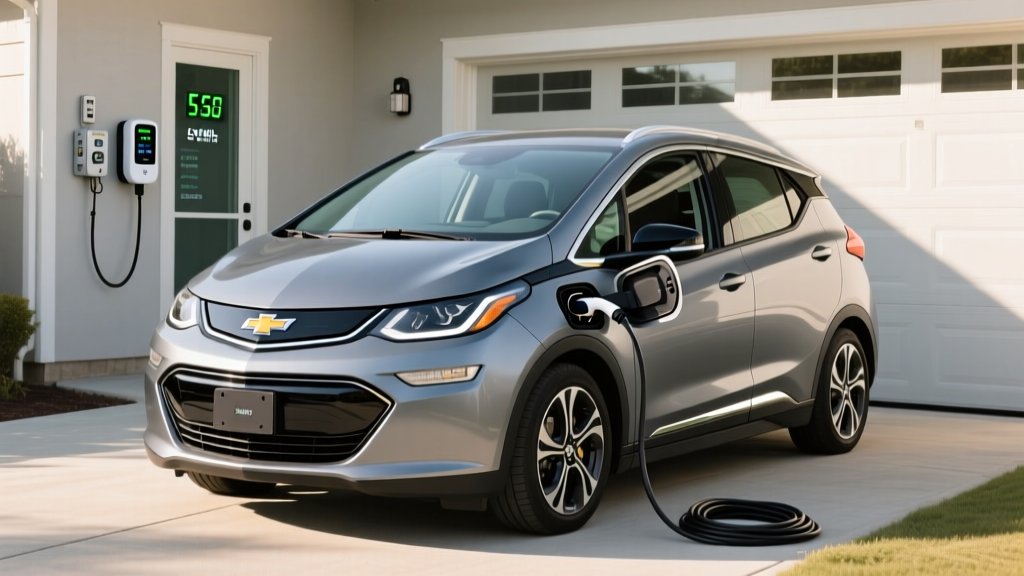
Level 2 home charging at 48A (11.5 kW) adds roughly 30–40 miles per hour. A full overnight charge (10 hours) replenishes 300–400 miles — more than enough for daily driving plus a buffer. Most EV owners plug in nightly and wake up "full," eliminating the gas-station stop entirely.
Recommended Home EV Chargers (2026)
ChargePoint Home Flex
Power: Up to 50A (12 kW) on a 60A circuit, configurable 16A–50A
Connector: J1772 (NACS adapter included or available)
Cable: 23 feet
Smart features: Wi-Fi, app scheduling, Alexa, energy tracking, utility demand-response integration
Price: ~$599 (before rebates)
Best for: Flexibility across breaker sizes; strong app; widely available utility rebates
Tesla Wall Connector (Gen 4)
Power: Up to 48A (11.5 kW) on a 60A circuit
Connector: NACS native (J1772 adapter available for non-Tesla EVs)
Cable: 24 feet
Smart features: Wi-Fi, OTA updates, Power-Share (load balancing with two units on one circuit), integrates with Tesla app
Price: ~$475
Best for: Tesla households; clean design; best value at 48A
Emporia Level 2 EV Charger
Power: Up to 48A (11.5 kW) configurable
Connector: J1772 (NACS adapter available)
Cable: 24 feet
Smart features: Wi-Fi, energy monitoring, solar integration, works with Emporia Vue home energy panel
Price: ~$399
Best for: Budget-conscious buyers with solar; excellent energy monitoring
Safety, Code, and the Panel-Upgrade Gotcha
EV charging is a continuous, high-draw electrical load — your charger may run at full power for 6–10 hours straight. The National Electrical Code (NEC) treats this seriously, and so should you:
- Dedicated circuit: Your Level 2 charger must be on its own breaker — no sharing with outlets, lights, or appliances.
- GFCI protection: NEC 2020 and later require ground-fault protection for outdoor receptacles. Hardwired chargers sidestep this requirement and are preferred for outdoor installs.
- Outdoor rating: If your charger is outside, it must be NEMA 3R or NEMA 4 rated (rain and dust resistant). All three chargers recommended above carry outdoor ratings.
- Wire gauge: 6 AWG copper for 48A/60A circuits over runs up to ~100 feet; longer runs may require 4 AWG to prevent voltage drop.
- Panel capacity: A licensed electrician will perform a load calculation (NEC Article 220). If your 200A panel already serves electric heat, a dryer, range, and water heater, adding a 60A EV circuit may push you over — hence the $1,500–$4,000 panel upgrade that catches many older-home buyers off guard.
Never use an extension cord, outlet splitter, or undersized wiring. EV fires from improper charging installations are rare but almost always trace to DIY shortcuts or undersized circuits.
Frequently Asked Questions
Can I charge my EV from a regular 120V outlet?
Yes — that's Level 1 charging. It delivers roughly 1–1.4 kW, adding 3–5 miles of range per hour. For a 75 kWh battery, a full charge from empty takes 50–70 hours. It works for plug-in hybrids (which have small 10–20 kWh batteries) and as a backup for BEVs, but it's not practical as a primary charging method for daily drivers covering more than 30 miles.
Do I need a Tesla to use a Supercharger?
Not anymore. Tesla opened its Supercharger network to non-Tesla EVs starting in 2024 via the Magic Dock adapter (built into select stalls) and the Tesla app. By 2026, most Supercharger V4 stalls serve both NACS-native and CCS1 vehicles with an adapter. Expect pricing of $0.35–$0.48/kWh for non-Tesla vehicles (Tesla owners sometimes pay less with a membership).
What's the difference between kW and kWh?
kW (kilowatts) is power — the rate at which energy flows, like water pressure in a hose. kWh (kilowatt-hours) is energy — the total amount delivered, like gallons in a bucket. A 75 kWh battery charged at 7.5 kW takes 10 hours. At 150 kW it takes roughly 30 minutes (to 80%). Your electricity bill charges you per kWh; your charger's speed is rated in kW.
Will charging at home raise my electric bill significantly?
Adding 12,000 miles of EV driving per year at the US average electricity rate ($0.16/kWh) and average EV efficiency (3.5 mi/kWh) adds roughly $549/year to your electric bill — but eliminates ~$1,450 in gasoline. Net savings: ~$900/year before any time-of-use optimization. Enroll in your utility's EV rate plan if available; off-peak rates can cut charging costs by 30–50%.
How long do EV batteries last, and does fast charging hurt them?
Modern NMC and LFP batteries are warrantied for 8 years/100,000 miles (minimum, per federal mandate) with a 70% capacity retention threshold. Real-world data from Tesla, Hyundai, and BMW shows typical degradation of 10–15% over 150,000 miles. Exclusive DC fast charging accelerates degradation slightly (~2–5% more over 100k miles vs. Level 2 only), but modern thermal management systems have largely mitigated this. For longevity, charge to 80% daily on Level 2 and reserve DC fast charging for road trips.