Understanding the Polestar 3 Battery and Range Potential
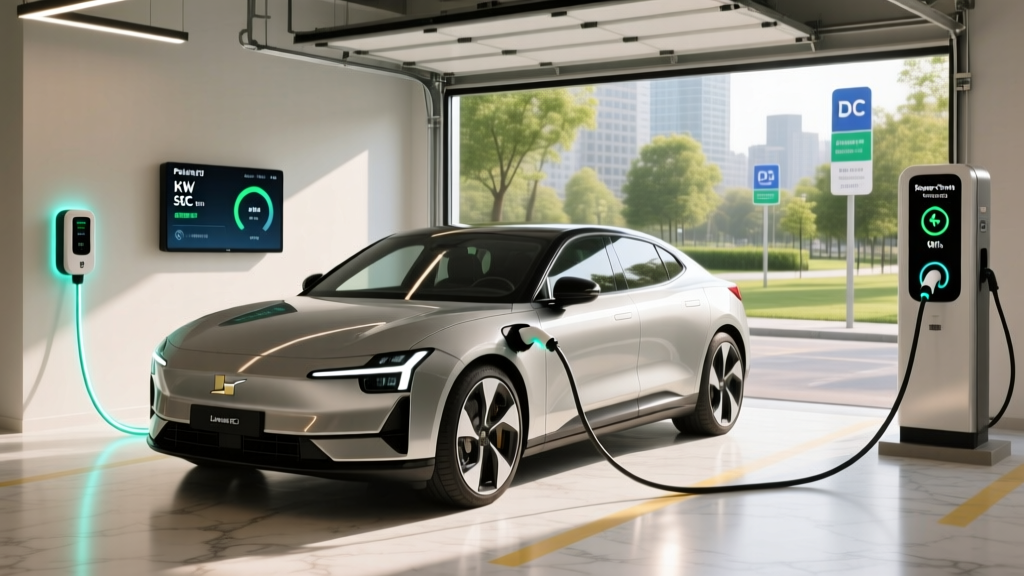
The Polestar 3 is equipped with a substantial 111 kWh battery pack (usable capacity), utilizing NMC (Nickel Manganese Cobalt) chemistry. This large battery is the primary factor behind the vehicle's impressive EPA-estimated range of up to 348 miles for the Long Range Single Motor variant and approximately 315 miles for the Long Range Dual Motor version. However, real-world range often differs from EPA estimates due to driving style, terrain, and climate control usage. In highway testing at 70 mph, expect closer to 280-300 miles, while cold weather (below freezing) can reduce range by 20-30%.
Charging Levels: Speed and Efficiency Breakdown
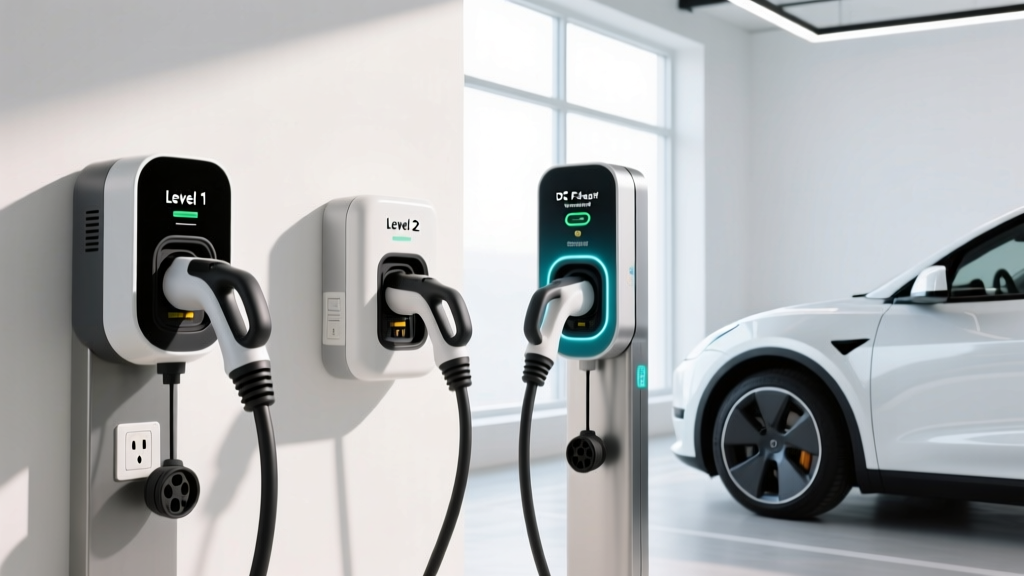
To maintain the Polestar 3's range, understanding the three primary charging levels is essential. Power is measured in kilowatts (kW), which dictates the speed of the charge, while energy is measured in kilowatt-hours (kWh), which represents the capacity of the battery.
| Level | Power (kW) | Miles of Range Added per Hour | Typical Use Case |
|---|---|---|---|
| Level 1 (120V) | 1.4 kW - 1.9 kW | 3 - 5 miles | Emergency/Overnight trickle |
| Level 2 (240V) | 7.2 kW - 11.5 kW | 22 - 38 miles | Home and workplace daily charging |
| DC Fast Charging | Up to 250 kW | ~1,000+ miles (peak rate) | Road trips and rapid top-ups |
Home Charging Installation and Electrical Requirements
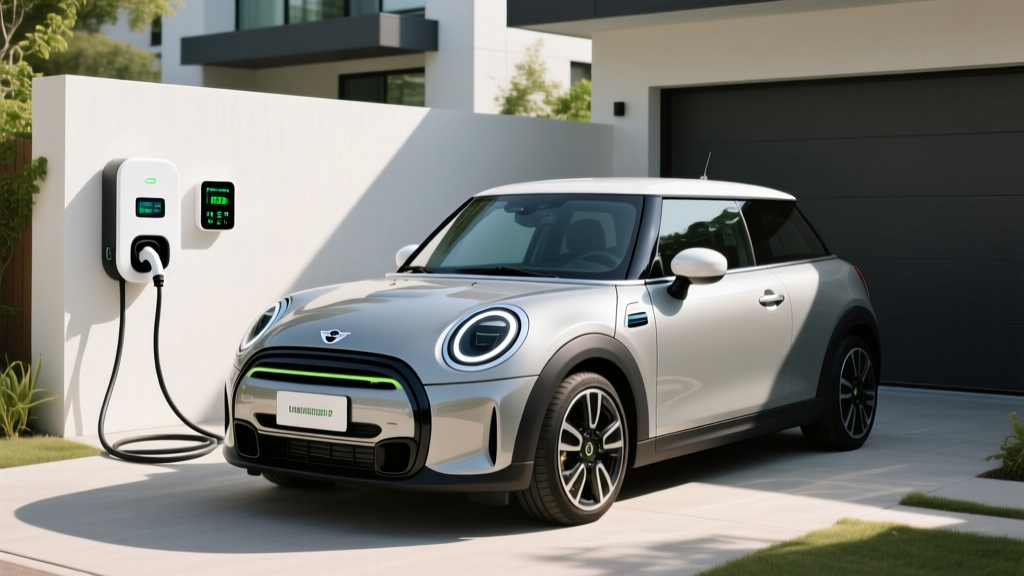
For a vehicle with a 111 kWh battery like the Polestar 3, a Level 2 home charger is a necessity. Most owners opt for a 48-amp charger, which requires a dedicated 60-amp circuit. If your home has an older 100-amp electrical panel, you may need a "service upgrade" to 200 amps to handle the additional load safely.
Estimated Installation Costs
| Item | Estimated Cost Range |
|---|---|
| Level 2 Charging Equipment (48A) | $500 - $800 |
| Electrician Labor & Materials | $800 - $2,000 |
| Permit & Inspection Fees | $150 - $400 |
| Electrical Panel Upgrade (if needed) | $2,000 - $4,500 |
| Total (Standard Install) | $1,450 - $3,200 |
Connector Compatibility: NACS vs. CCS
The Polestar 3 was one of the first vehicles to launch with the North American Charging Standard (NACS) port in many markets, though some early models or specific regions may still feature CCS1. Always verify your specific vehicle's port before purchasing home equipment.
| Connector | Compatibility | Network Access |
|---|---|---|
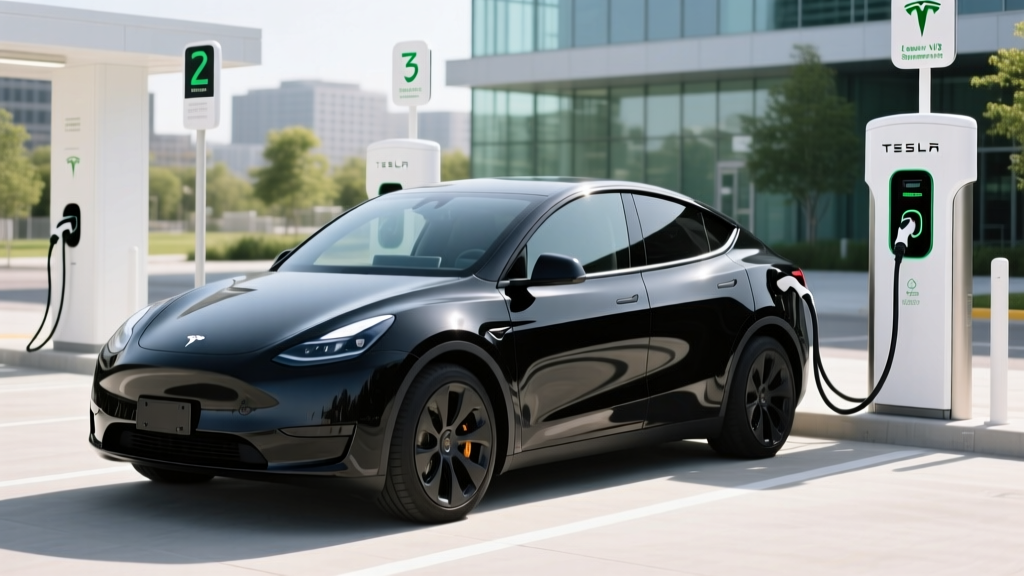
| NACS (Tesla Standard) | Native on newer Polestar 3 models | Tesla Superchargers, Electrify America (new stalls) |
| CCS1 | Common on 2024-2025 models | Electrify America, EVgo, ChargePoint |
| CHAdeMO | Not compatible | N/A (Legacy Nissan/Mitsubishi standard) |
Cost to Charge: Home vs. Public vs. Gas
Charging a 111 kWh battery from 10% to 80% (approx. 78 kWh) varies significantly by location. At a residential rate of $0.16/kWh, a "fill-up" costs roughly $12.50. At a public DC fast charger averaging $0.48/kWh, that same energy costs nearly $37.50. Compared to a luxury SUV getting 22 MPG at $3.50/gallon, the Polestar 3 offers significant savings when charging at home.
Equipment Recommendations for Polestar 3 Owners
- ChargePoint Home Flex: Up to 50 amps, NACS/CCS compatible, 23-foot cable. Excellent app integration.
- Tesla Wall Connector: 48 amps, native NACS, best-in-class cable management and Wi-Fi updates.
- Emporia Vue: Budget-friendly 48-amp option with robust energy monitoring for solar owners.
Safety and Code Considerations
All installations must meet NEC (National Electrical Code) requirements. This includes a dedicated circuit for the charger and GFCI protection for outdoor installations. Ensure your equipment is NEMA 4 rated if it will be exposed to the elements. Always use a licensed electrician to ensure your home insurance remains valid in the event of an electrical incident.
Frequently Asked Questions
How long does it take to charge the Polestar 3 from 10-80%?
On a 250 kW DC fast charger, the Polestar 3 can reach 80% in approximately 30 minutes. On a 11.5 kW Level 2 home charger, it takes roughly 10-11 hours for a full cycle.
Does the Polestar 3 qualify for tax credits for home charging?
The Alternative Fuel Vehicle Refueling Property Credit (IRS §30C) may provide a credit of up to $1,000 for home charging equipment, though it is subject to specific census tract and sourcing requirements.