Understanding the 2026 Polestar 2 Range and Efficiency
For prospective owners, the Polestar 2 range is a primary metric. In 2026, the Long Range Single Motor (LRSM) variant features a 82 kWh battery (NMC chemistry) and an EPA-estimated range of 320 miles. The Long Range Dual Motor (LRDM) offers slightly less at 300 miles due to the added weight and friction of the second motor.
Real-world range often differs from EPA estimates. Highway driving at 75 mph typically yields about 260–280 miles in the LRSM, while cold-weather conditions (below 32°F) can reduce that figure by 15–20%. Efficiency is rated at approximately 107 MPGe (31 kWh/100mi) for the single-motor trim, according to fueleconomy.gov.
Charging Speeds: Level 1, Level 2, and DC Fast Charging
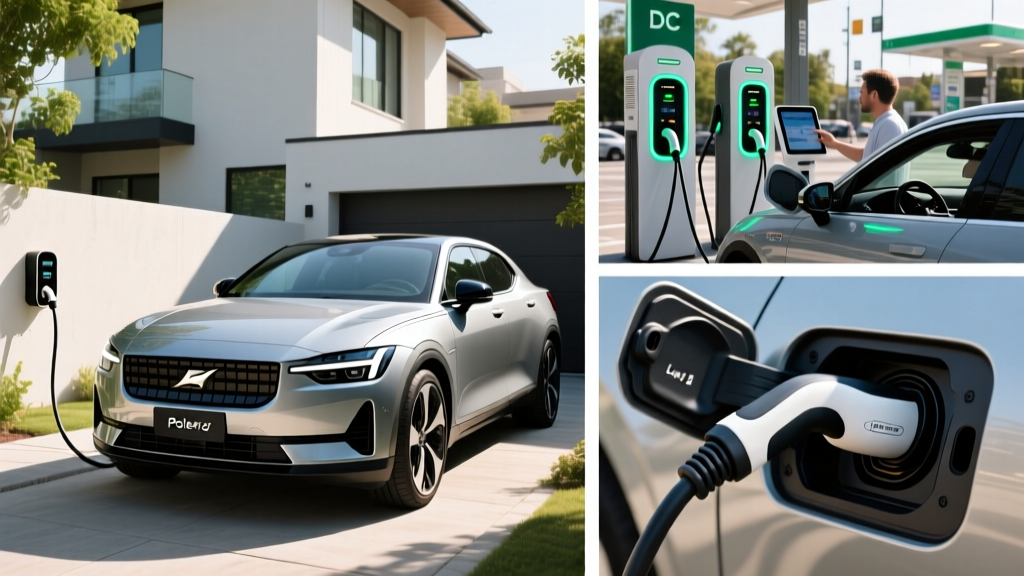
To maintain the Polestar 2's range, you must understand the difference between kW (power/speed) and kWh (energy/capacity). The following table details how fast each level adds range to the 82 kWh battery.
| Charging Level | Power Output (kW) | Miles of Range Added per Hour | 10-80% Charge Time |
|---|---|---|---|
| Level 1 (120V) | 1.4 kW | ~4 miles | N/A (Days) |
| Level 2 (240V/48A) | 11.5 kW | ~36 miles | ~5.5 hours |
| DC Fast Charging | Peak 200 kW | ~600+ miles (at peak) | ~28 minutes |
Home Charger Installation: Costs and Electrical Requirements
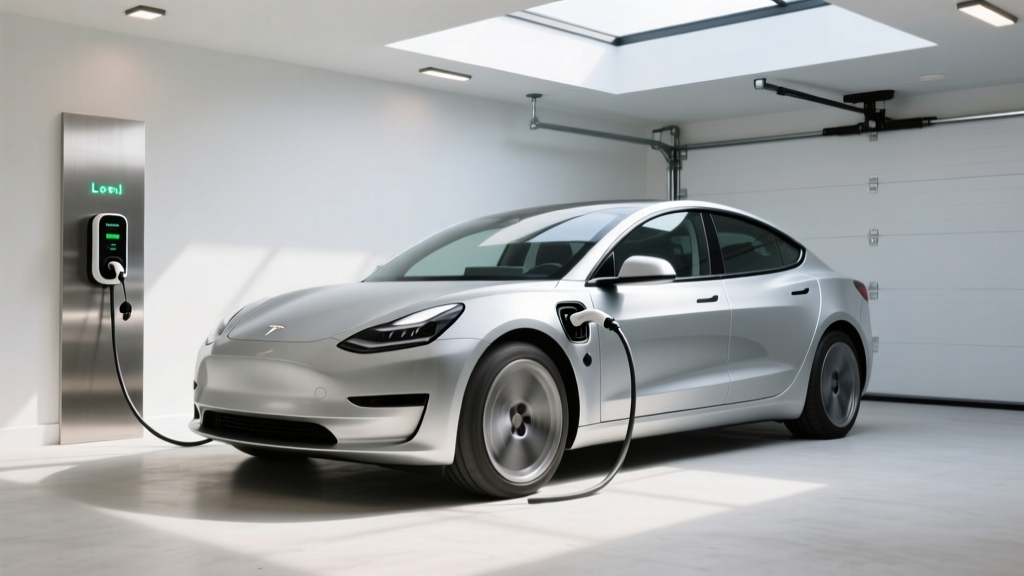
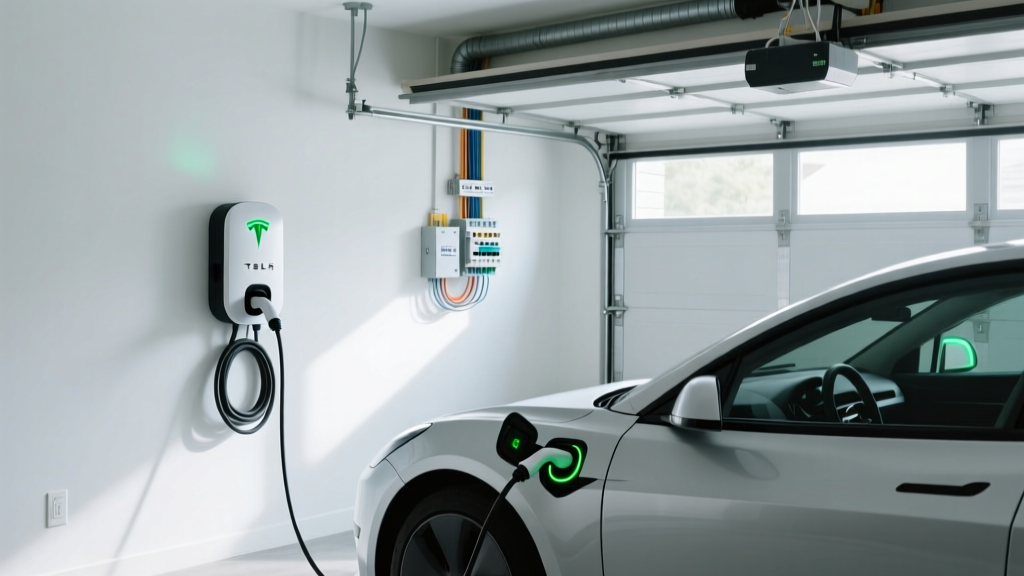
Most owners install a 240V Level 2 station. The Polestar 2's onboard charger is 11 kW, meaning you need a 48-amp charger on a 60-amp dedicated circuit to reach maximum speeds.
How much does it cost to install a home EV charger?
Installation costs vary by region and home age. Below is a 2026 estimate breakdown for a standard 60A circuit installation.
| Item | Estimated Cost Range |
|---|---|
| Level 2 Hardware (48A Smart Charger) | $500 - $750 |
| Electrician Labor & Materials | $800 - $2,000 |
| Permits | $100 - $300 |
| Panel Upgrade (100A to 200A if needed) | $2,000 - $4,500 |
What electrical upgrades might I need?
If your home has an older 100-amp service panel, adding a 60A EV circuit may require a "heavy-up" to 200 amps. Always consult a licensed electrician for a load calculation before purchasing equipment.
Connector Compatibility: NACS vs. CCS1 in 2026
The 2026 Polestar 2 in North America has transitioned to the NACS (Tesla-style) port. This provides native access to the Tesla Supercharger network, which remains the most reliable public infrastructure.
| Connector Type | 2026 Polestar 2 Compatibility | Notes |
|---|---|---|
| NACS (Tesla) | Native (Standard) | Access to Superchargers and most new public chargers. |
| CCS1 | Adapter Required | Necessary for older Electrify America or Blink stations. |
| CHAdeMO | Incompatible | Legacy standard; largely phased out for passenger EVs. |
Cost to Charge: Electricity vs. Gasoline
Charging the Polestar 2 is significantly cheaper than fueling a comparable gas sedan. Based on a national average electricity rate of $0.17/kWh and gas at $3.40/gallon for a 30 MPG vehicle:
| Scenario | Rate | Cost per Mile |
|---|---|---|
| Home (Off-Peak) | $0.12/kWh | $0.037 |
| Public Level 2 | $0.25/kWh | $0.078 |
| DC Fast Charging | $0.45/kWh | $0.140 |
| Gasoline (30 MPG) | $3.40/gal | $0.113 |
Top Equipment Recommendations for Polestar 2
For the 2026 model year, we recommend the following NACS-native hardware for home use:
- Tesla Universal Wall Connector: 48A, 24-foot cable, integrated J1772/NACS adapter management. ~$600.
- Emporia Vue with NACS: 48A, smart-grid integration for solar users. ~$550.
- Grizzl-E Smart: 40A, extreme weather durability (NEMA-4 rated). ~$650.
Safety, Code, and Maintenance
According to the National Electrical Code (NEC), EV charging requires a dedicated circuit. For outdoor installations, ensure your charger is NEMA-4 rated and that the electrician installs a GFCI breaker if required by local jurisdiction. While the IRS §30D tax credit for home charging equipment has evolved, some local utility rebates still exist for smart-charger installation.
Frequently Asked Questions
How fast will each charging level add range?
Level 1 adds about 4 miles per hour; Level 2 (48A) adds ~36 miles per hour; DC Fast Charging can add 150+ miles in roughly 15 minutes at a 200 kW station.
Which connector is compatible with my 2026 Polestar 2?
The 2026 model uses NACS natively. If you use an older CCS1 public station, you will need a CCS-to-NACS adapter provided or approved by Polestar.
Is the Polestar 2 battery warranty reliable?
Polestar provides an 8-year/100,000-mile warranty for the battery, guaranteeing 70% capacity retention. This is standard for the premium EV segment.