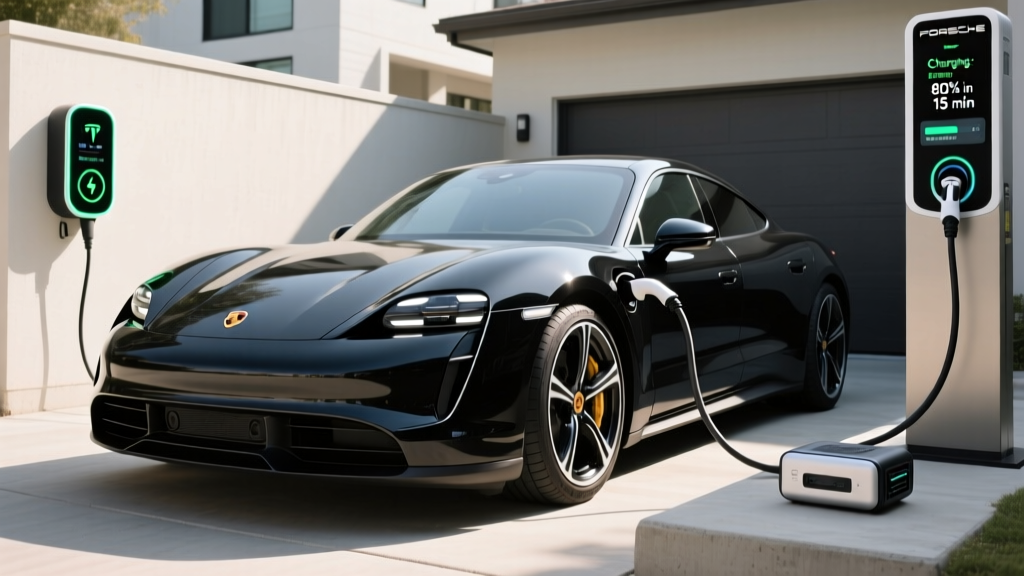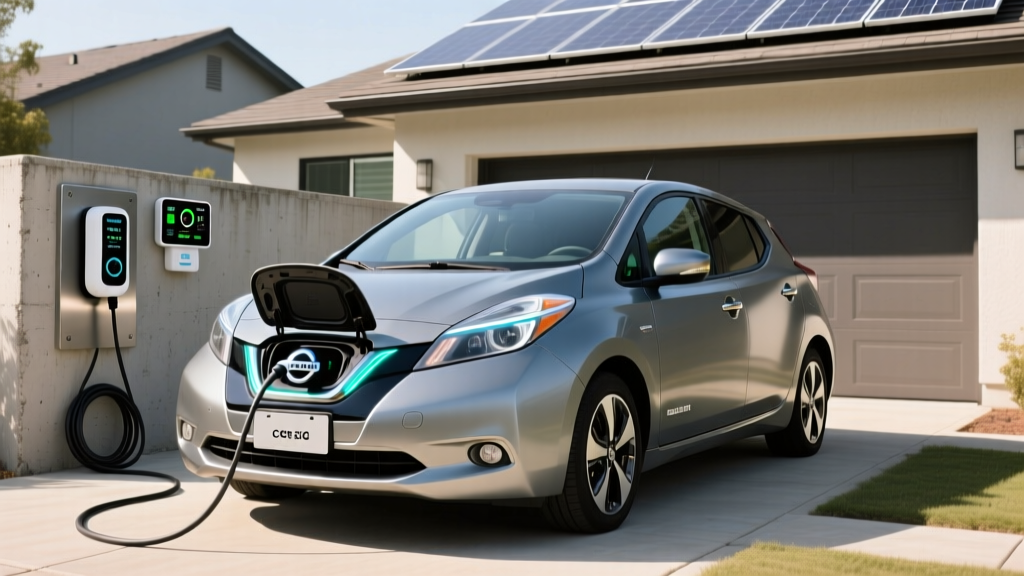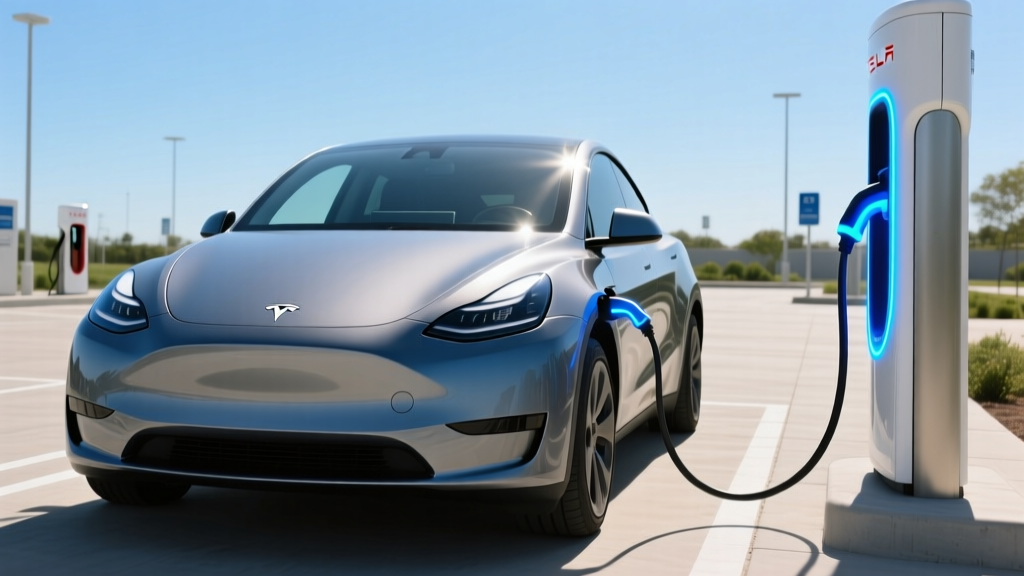
Why the North America Charging Standard Matters Now
If you shopped for an electric vehicle before 2023, you probably didn't think much about plug shapes. You grabbed whatever connector your car came with and hoped the public station had a matching cable. That era is over. The North America Charging Standard (NACS) — originally developed by Tesla and opened as a public specification in late 2022 — has been adopted by nearly every major automaker selling in the US and Canada, fundamentally reshaping how EVs charge on this continent.
As of the 2026 model year, vehicles from Ford, GM, Rivian, Volvo, Polestar, Mercedes-Benz, Nissan, Fisker, BMW, and others ship with a native NACS charge port. Hyundai, Kia, and Stellantis brands have also committed to NACS, with most models transitioning through 2025–2026. Meanwhile, the CCS1 connector — once positioned as the universal standard — is being phased out on new vehicles, though thousands of CCS-equipped EVs remain on the road and public infrastructure still supports both formats.
This guide breaks down exactly what the transition means for your charging setup at home, on the road, and in your wallet — with real numbers, not marketing claims.
Charging Levels Explained: Speeds, Power, and Range Added
Before comparing connectors, you need to understand the three charging tiers available to EV owners. The distinction between kW (kilowatts — the rate of power delivery) and kWh (kilowatt-hours — the total energy stored in your battery) is critical. Think of kW as how fast water flows through a hose, and kWh as the size of the bucket you're filling.
| Level | Voltage | Typical Power (kW) | Miles of Range Added per Hour | Best For |
|---|---|---|---|---|
| Level 1 | 120V AC | 1.0–1.4 kW | 3–5 mi/hr | Overnight top-ups, PHEVs, emergency |
| Level 2 | 240V AC | 7.2–19.2 kW | 25–75 mi/hr | Daily home charging, workplace, destinations |
| DC Fast Charge | 400–900V DC | 50–350+ kW | 150–1,200+ mi/hr (peak) | Road trips, rapid top-ups |
A few real-world caveats: those "miles per hour" figures assume moderate battery sizes and ideal conditions. Cold batteries, high states of charge (above 80%), and older battery chemistries all reduce effective charging speed. DC fast charging also follows a charge curve — a vehicle that peaks at 250 kW may only sustain that rate for a few minutes before tapering to 150 kW, then 75 kW as the battery fills. That's why manufacturers and reviewers quote 10–80% charge times rather than peak kW alone.
Connector Compatibility: NACS, CCS1, and CHAdeMO in 2026
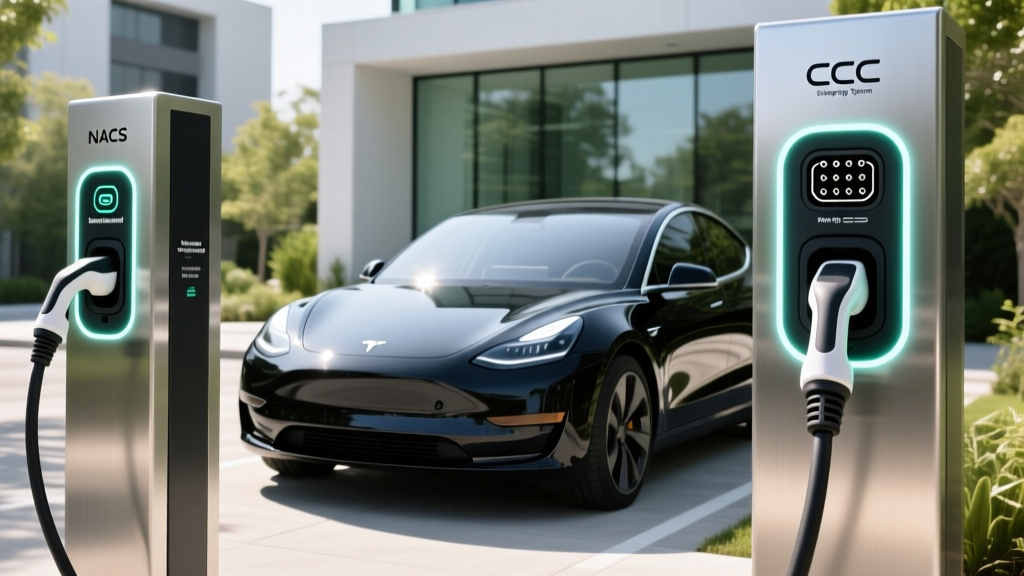
The North America Charging Standard uses a physically smaller, lighter connector that handles both AC Level 2 and DC fast charging through the same plug. CCS1 (Combined Charging System) uses a larger connector with two additional DC pins below the J1772 AC pins. CHAdeMO — the Japanese-origin DC standard — uses a large, round, dedicated DC-only connector and is effectively legacy in North America; Nissan switched the Leaf's successor lineup to NACS.
| Connector | Native on New Vehicles From | Public DC Availability | AC Level 2 Support |
|---|---|---|---|
| NACS | Tesla, Ford, GM, Rivian, Volvo, Polestar, Mercedes, Nissan, BMW, others | Tesla Supercharger network (20,000+ stalls), growing Electrify America / EVgo / ChargePoint deployment | Yes — same plug |
| CCS1 | Legacy: 2024 and older VW ID.4, Hyundai Ioniq 5, Kia EV6, BMW i4 (pre-NACS), others | Electrify America, EVgo, ChargePoint — widely available but being supplemented with NACS | Yes — J1772 portion |
| CHAdeMO | Discontinued on new US vehicles (Nissan Leaf ended CHAdeMO) | Limited and declining; some Electrify America stations retain one cable | No — DC only |
Adapter reality for CCS owners: If you drive a CCS-equipped EV from model years 2022–2025, you'll need a CCS-to-NACS adapter to access Tesla Superchargers. Tesla sells an official adapter (approximately $250), and Ford and GM have offered them to owners at times as part of network-access programs. These adapters work reliably for DC fast charging at up to ~150–200 kW, though they add bulk. For home Level 2 charging, most NACS wall connectors can charge CCS vehicles with the same adapter, or you can use a J1772-to-NACS adapter (typically $100–$150).
Home Charger Installation: Requirements, Costs, and Gotchas
The North America Charging Standard simplifies home charging because the same plug handles both AC and DC — meaning your NACS wall connector at home is the same physical interface you use at a Supercharger. But installation complexity and cost depend heavily on your home's electrical infrastructure.
Electrical Requirements for Level 2 Home Charging
A typical Level 2 home charger requires a 240-volt dedicated circuit. The most common setup is a 60-amp breaker powering a 48-amp continuous-load charger (electrical code requires circuits to be rated at 125% of continuous load, so 48A × 1.25 = 60A breaker). This delivers up to 11.5 kW — enough to fully recharge a 75 kWh battery overnight in roughly 7–8 hours.
If your electrical panel is already near capacity (common in homes built before 2000 with 100-amp service), adding a 60-amp EV circuit may require a panel upgrade to 200 amps, which is the single biggest cost variable in home charging installation. Some homeowners opt for a lower-amperage circuit (e.g., 30A breaker / 24A charger delivering ~5.8 kW) to avoid a panel upgrade, which is perfectly adequate for overnight charging of most daily-driving needs.
| Component | Simple Install (panel has capacity) | Complex Install (panel upgrade needed) |
|---|---|---|
| Level 2 Charger (hardware) | $400–$700 | $400–$700 |
| Electrician labor + wiring | $600–$1,500 | $1,500–$3,000 |
| Electrical permit | $50–$200 | $50–$200 |
| Panel upgrade (if needed) | N/A | $1,500–$4,000 |
| Total estimated cost | $1,050–$2,400 | $3,450–$7,900 |
These ranges reflect 2025–2026 electrician rates in US metro areas. Rural areas may see lower labor costs but higher travel surcharges. Always get at least two quotes from licensed electricians and verify they pull the required local permit — unpermitted EV charger installations can void homeowner's insurance claims and create code violations at resale.
Safety and Code Considerations
The National Electrical Code (NEC Article 625) governs EV charging installations. Key requirements include:
- Dedicated circuit: Your EV charger must be on its own breaker — no sharing with dryers or HVAC.
- GFCI protection: Required for outdoor installations and in many jurisdictions for indoor garage outlets (2023 NEC update).
- NEMA 14-50 vs. hardwired: A NEMA 14-50 receptacle offers flexibility (you can unplug and take the charger with you), but some jurisdictions now require GFCI breakers on 14-50 outlets, adding $100–$150 and occasionally causing nuisance trips. Hardwired installations avoid this issue.
- Outdoor rating: If your charger is mounted outside, it must carry a NEMA 4 or IP65 weatherproof rating.
What Charging Costs Per Mile: Home vs. Public vs. Gas
One of the strongest economic arguments for electrification is fuel cost savings, but the gap varies dramatically depending on where you charge. Here's a realistic breakdown using 2026 electricity and fuel prices.
| Scenario | Rate | Cost per Mile (at 3.5 mi/kWh efficiency) | Annual Cost (12,000 mi) |
|---|---|---|---|
| Home Level 2 (national avg. residential) | $0.16/kWh | $0.046 | $549 |
| Home Level 2 (off-peak TOU rate) | $0.09/kWh | $0.026 | $309 |
| Public Level 2 (network pricing) | $0.30–$0.49/kWh | $0.086–$0.140 | $1,029–$1,680 |
| DC Fast Charging (public) | $0.35–$0.58/kWh | $0.100–$0.166 | $1,200–$1,987 |
| Gasoline vehicle (25 MPG combined) | $3.40/gal | $0.136 | $1,632 |
The takeaway: home charging is dramatically cheaper than gas, saving $1,000–$1,300 per year for a typical driver. Public DC fast charging, however, can approach or even exceed gasoline costs per mile in high-price networks. The economic case for EV ownership depends heavily on reliable home or workplace charging access. According to fueleconomy.gov, most EVs achieve 3.0–4.0 miles per kWh, with efficient sedans like the Tesla Model 3 and Lucid Air reaching 4.0+ mi/kWh.
Charging Time Examples: How Long Does a Real Charge Take?
Charge time depends on battery capacity (kWh), the vehicle's maximum accepted charge rate (kW), and the state of charge. Here are representative 10–80% DC fast charge times for popular 2026 EVs using the North America Charging Standard:
- Tesla Model 3 Long Range (75 kWh, NACS, peak 250 kW): 10–80% in ~22 minutes at a V3 Supercharger. Sustains high rates well due to excellent thermal management.
- Ford Mustang Mach-E Extended Range (91 kWh usable, NACS, peak 150 kW): 10–80% in ~35 minutes at a NACS-equipped DC station. Ford's charge curve tapers noticeably above 70%.
- GM Chevrolet Equinox EV (85 kWh, NACS, peak 190 kW): 10–80% in ~28 minutes on a 200+ kW stall. GM's Ultium platform handles heat well.
- Rivian R1S Dual-Motor (128 kWh Max Pack, NACS, peak 220 kW): 10–80% in ~38 minutes. Larger batteries take longer even at high kW rates — physics dictates that filling 90 kWh of usable capacity takes more total energy transfer.
- CCS vehicle using NACS adapter (e.g., 2024 Hyundai Ioniq 5, 77.4 kWh, peak 235 kW via CCS native): When using a NACS adapter at a Supercharger, expect peak rates limited to ~150 kW by the adapter, pushing 10–80% to ~28–32 minutes instead of the Ioniq 5's native 18-minute CCS capability.
At home on Level 2 (48A / 11.5 kW), expect a full charge from 10% to 100% in 7–11 hours for most EVs — easily accomplished overnight. Level 1 (120V / 1.2 kW) adds roughly 4 miles per hour, meaning a full recharge of a 75 kWh battery would take over 60 hours. Level 1 is viable for PHEVs with small batteries (10–18 kWh) but impractical as a primary strategy for BEVs.
Recommended Home Chargers for NACS-Equipped EVs
With the North America Charging Standard now dominant, your home charger purchase should be NACS-native unless you exclusively drive a CCS vehicle and have no plans to switch. Here are three well-regarded options current as of early 2026:
Tesla Wall Connector (NACS)
- Power output: Up to 11.5 kW (48A on a 60A circuit)
- Connector: Native NACS
- Cable length: 24 feet
- Smart features: Wi-Fi connectivity, over-the-air updates, Tesla app integration, power-sharing between two units on one circuit
- Price: ~$475
- Best for: Tesla owners and anyone wanting a reliable, no-frills NACS charger at a competitive price
ChargePoint Home Flex (NACS version)
- Power output: Up to 12 kW (50A on a 60A circuit) — adjustable down to match your circuit
- Connector: NACS (introduced 2025; J1772 version also available)
- Cable length: 23 feet
- Smart features: Wi-Fi, ChargePoint app with scheduling, energy tracking, Alexa integration, flexible amperage dip-switch settings
- Price: ~$550–$650
- Best for: Multi-EV households wanting app-based scheduling and adjustable amperage
Emporia Vue Level 2 Charger (NACS)
- Power output: Up to 11.5 kW (48A)
- Connector: NACS
- Cable length: 24 feet
- Smart features: Integrated energy monitoring (pairs with Emporia Vue home energy panel), solar-aware charging, scheduling, load management
- Price: ~$400–$500
- Best for: Solar-panel owners and energy-monitoring enthusiasts who want granular cost tracking
All three carry UL or ETL safety certification and support hardwired or NEMA 14-50 installation. For outdoor mounting, verify the unit's NEMA 4 rating — the Tesla and ChargePoint units qualify; confirm with the manufacturer for the latest Emporia revision.
Public Charging Networks Under the NACS Transition
The North America Charging Standard's biggest practical advantage is access to the Tesla Supercharger network — widely regarded as the most reliable DC fast charging infrastructure in North America, with over 25,000 stalls across the US and Canada as of early 2026. Non-Tesla EVs with native NACS ports can now access Superchargers directly, while CCS vehicles use the adapter mentioned earlier.
Meanwhile, Electrify America, EVgo, and ChargePoint have been adding NACS cables alongside their existing CCS connectors. Electrify America committed to NACS availability at all new stations and is retrofitting existing locations. According to the US Department of Energy, the total number of public DC fast charging ports in the US exceeded 60,000 in late 2025, with NACS-equipped ports growing rapidly.
One practical note: charging initiation and payment still varies by network. Tesla Superchargers use automatic plug-and-charge billing through your Tesla or partner-automaker account. Electrify America and EVgo require their respective apps or RFID cards, though plug-and-charge is expanding. Budget for occasional frustration — public charging reliability, while improving, still lags behind the gas-station experience in some regions.
Frequently Asked Questions
How much does it cost to install a home EV charger?
A straightforward Level 2 installation with adequate panel capacity typically costs $1,050–$2,400 including equipment, electrician labor, and permit. If your home needs a 200-amp panel upgrade, expect the total to reach $3,450–$7,900. Always get itemized quotes that separate equipment, labor, and permit costs.
How fast will each charging level add range?
Level 1 (120V) adds 3–5 miles per hour. Level 2 (240V, 48A) adds 25–45 miles per hour depending on vehicle efficiency. DC fast charging adds 150–1,200+ miles per hour at peak rates, but actual sessions are measured in 10–80% times (typically 18–40 minutes for modern EVs).
Which connector is compatible with my EV?
If you bought a 2025 or 2026 model-year EV from Tesla, Ford, GM, Rivian, Volvo, Polestar, Mercedes, Nissan, or BMW, your vehicle has a native NACS port. If you own a 2022–2024 EV from Hyundai, Kia, Volkswagen, or pre-transition BMW/Stellantis, you likely have CCS1 and will need an adapter for NACS/Supercharger access. CHAdeMO is legacy and no longer on new US-market vehicles.
How much does charging cost per mile compared to gas?
Home charging at the national average residential rate ($0.16/kWh) costs roughly $0.046 per mile — about one-third the cost of gasoline at $3.40/gallon and 25 MPG ($0.136/mile). Public DC fast charging at $0.45/kWh costs ~$0.129/mile, approaching gas parity. Off-peak home rates can drop below $0.03/mile.
What electrical upgrades might I need for a home charger?
The most common upgrade is a panel capacity increase from 100A to 200A service ($1,500–$4,000). You may also need a new dedicated circuit run from the panel to your garage or parking spot, which involves conduit, wiring (typically 6 AWG copper for 60A), and a breaker. Older homes with knob-and-tube or aluminum wiring may require additional remediation. A licensed electrician will assess your panel's available amperage during a site visit.