The Ultimate Guide to NEMA 14-50 Installation Costs and Value
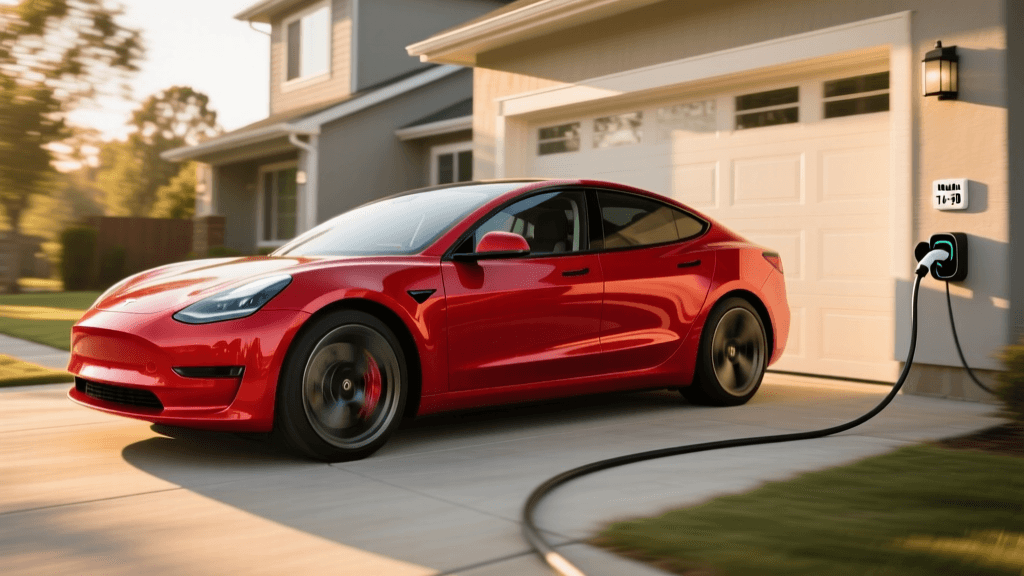
As electric vehicle (EV) adoption accelerates, the transition from gasoline to electrons inevitably leads to one critical question: how do I charge at home efficiently? While Level 1 charging (120V) is technically possible, it is painfully slow for modern EV batteries. The undisputed gold standard for residential Level 2 charging is the NEMA 14-50 outlet. Originally designed for heavy-duty electric ranges and recreational vehicles, this 240-volt, 50-amp receptacle delivers up to 40 amps of continuous power, adding roughly 30 to 40 miles of range per hour of charging.
However, installing a NEMA 14-50 outlet is not as simple as swapping a standard wall plug. It requires careful electrical planning, adherence to strict National Electrical Code (NEC) standards, and a realistic budget. In this comprehensive cost and value breakdown, we will dissect the exact expenses associated with a NEMA 14-50 installation, explore the hidden costs that catch new EV owners off guard, and evaluate the long-term return on investment (ROI) for your home.
Itemized Cost Breakdown: What You Will Actually Pay
The cost of installing a NEMA 14-50 outlet varies wildly based on your home's existing electrical infrastructure, the distance from your electrical panel to the garage, and local labor rates. Below is a realistic itemized breakdown for a standard installation in 2024.
| Installation Component | Estimated Cost Range | Details & Considerations |
|---|---|---|
| Electrical Permit | $50 - $250 | Required by local municipalities to ensure code compliance and safety inspections. |
| 50-Amp GFCI Breaker | $100 - $180 | NEC 2017/2020 requires Ground Fault Circuit Interrupter (GFCI) protection for EV receptacles. |
| Premium 14-50 Receptacle | $80 - $120 | Industrial-grade (e.g., Hubbell or Bryant) required to prevent melting under continuous EV loads. |
| Wiring (6 AWG Copper) | $150 - $400 | Depends on run length. 4 AWG recommended for runs over 50 feet to prevent voltage drop. |
| Conduit & Fittings | $50 - $150 | PVC or flexible metal conduit required for exposed wiring in garages. |
| Electrician Labor | $400 - $1,200 | Varies by region, complexity of drywall cutting, and attic/crawlspace routing. |
| Total Estimated Cost | $830 - $2,300 | Excludes major electrical panel upgrades. |
The "Hidden" Material Cost: Why You Must Buy a Premium Receptacle
One of the most critical value-draining mistakes EV owners make is purchasing a cheap, residential-grade NEMA 14-50 receptacle from a big-box hardware store. Brands like Leviton (specifically the 279-S00 model) have been widely documented in EV communities and by electricians to overheat, melt, and even cause fires when subjected to the continuous 40-amp draw of an EV charger over several hours.
Unlike an electric oven that cycles its heating elements on and off, an EV charger pulls a maximum, uninterrupted load for hours. You must specify an industrial-grade receptacle, such as the Hubbell 9450A or the Bryant 9450FR. While these cost around $100 compared to a $15 standard outlet, this $85 difference is the most vital safety investment in your entire installation.
Crucial Code Requirements and Safety Standards
According to the National Fire Protection Association (NFPA) 70 National Electrical Code, EV charging falls under Article 625. Understanding these codes is essential for evaluating contractor bids and ensuring your home's safety.
- Continuous Load Rule: EV charging is classified as a continuous load (operating for 3 hours or more). Therefore, a 40-amp EV charger requires a 50-amp circuit (40 amps x 125% = 50 amps).
- GFCI Protection: Recent NEC updates mandate GFCI protection for all EV receptacles. This requires a specialized GFCI breaker in your panel, which costs significantly more than a standard breaker.
- Torque Specifications: NEC 110.14(D) requires electricians to use a calibrated torque screwdriver to tighten the receptacle lugs to the manufacturer's exact specifications. Loose connections cause resistance, heat, and fires. If your electrician does not use a torque screwdriver, hire a different one.
Electrical Panel Upgrades: The Budget Breaker
The cost estimates above assume your home's electrical panel has the spare capacity to handle a new 50-amp circuit. However, many older homes feature 100-amp or 125-amp main service panels that are already near capacity. Adding a 50-amp EV circuit could overload the system, tripping your main breaker or creating a severe fire hazard.
Before installation, a licensed electrician must perform a NEC Article 220 Load Calculation. If your panel lacks capacity, you will face an electrical service upgrade. Upgrading from a 100-amp to a 200-amp service typically costs between $2,500 and $5,000, depending on utility company fees, trenching requirements, and local permitting. While expensive, a 200-amp panel future-proofs your home for additional electrification projects, such as heat pumps or solar panels.
Hardwired vs. NEMA 14-50: A Value Comparison
When shopping for Level 2 chargers, you will encounter two installation types: plug-in (NEMA 14-50) and hardwired. Which offers better long-term value?
| Feature | NEMA 14-50 Plug-In | Hardwired Connection |
|---|---|---|
| Portability | High (Take charger when moving) | None (Fixed to the wall) |
| Max Amperage | 40 Amps (Continuous) | Up to 80 Amps (Continuous) |
| GFCI Breaker Required? | Yes (NEC Code) | No (EVSE has internal GFCI) |
| Nuisance Tripping Risk | Moderate (Double GFCI issue) | Very Low |
| Installation Cost | Higher (Receptacle + GFCI breaker) | Lower (No receptacle/standard breaker) |
The Verdict: The NEMA 14-50 offers superior flexibility and resale value if you plan to move or upgrade your EVSE in the future. However, if you desire ultra-fast charging (48 to 80 amps) or want to avoid the GFCI nuisance tripping that occasionally plagues plug-in setups, hardwiring provides better performance and slightly lower installation costs.
Maximizing ROI: Tax Credits and Home Value
While the upfront costs of a NEMA 14-50 installation can sting, the long-term financial benefits are substantial. First, home charging is vastly cheaper than public DC fast charging or gasoline. According to data from the U.S. Department of Energy Alternative Fuels Data Center, charging at home using off-peak utility rates can reduce your "fuel" costs by 50% to 70% compared to gas-powered equivalents.
Furthermore, the IRS Alternative Fuel Vehicle Refueling Property Credit (Section 30C) offers a tax credit of up to 30% of the cost of EV charging equipment and installation, capped at $1,000 per year. This credit applies to both the charger and the electrical upgrades (like the panel upgrade or wiring) required to support it, significantly softening the financial blow.
Finally, real estate data increasingly shows that homes equipped with dedicated Level 2 EV charging infrastructure sell faster and at a premium. A properly permitted NEMA 14-50 outlet signals to prospective buyers that the home is modernized, electrification-ready, and capable of supporting their future EV purchases without requiring immediate contractor visits.
Conclusion
Installing a NEMA 14-50 outlet is a foundational investment in the EV lifestyle. While the baseline cost ranges from $830 to $2,300, prioritizing premium materials like the Hubbell 9450A receptacle, adhering strictly to NEC torque and GFCI codes, and leveraging federal tax credits ensures your setup is safe, reliable, and financially rewarding. Always hire a licensed, EV-knowledgeable electrician to guarantee your home's electrical system is ready to handle the continuous demands of modern electric mobility.