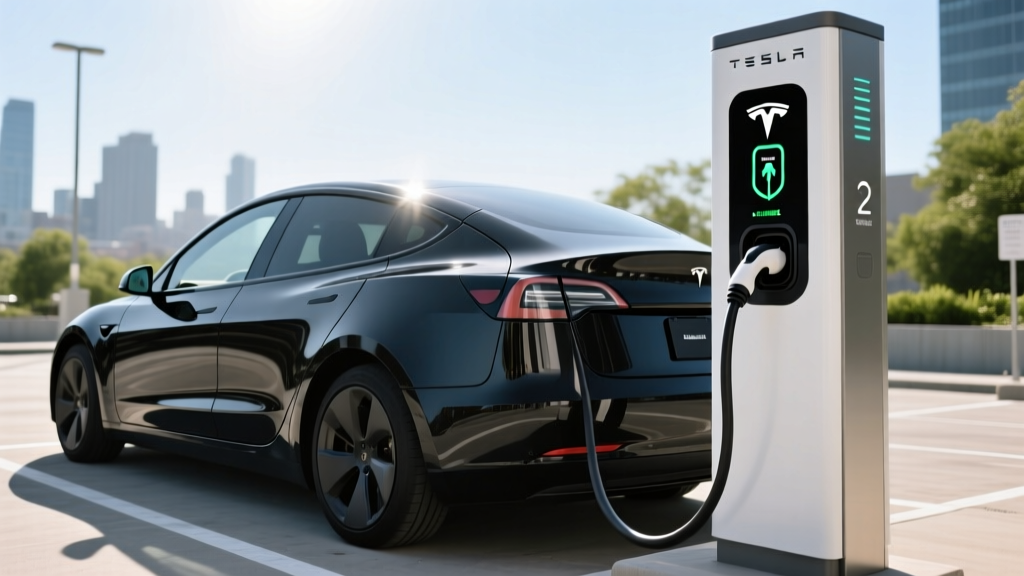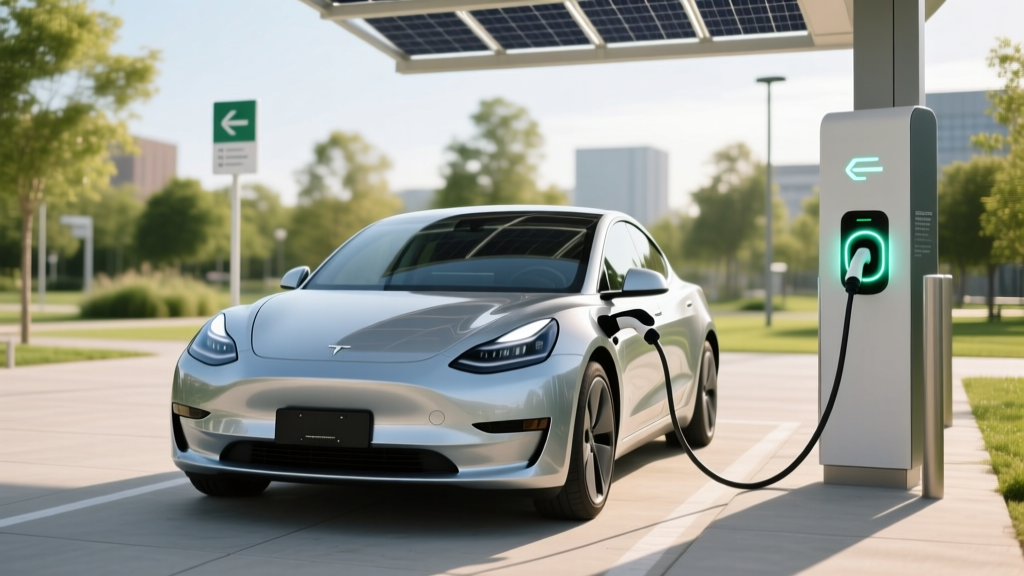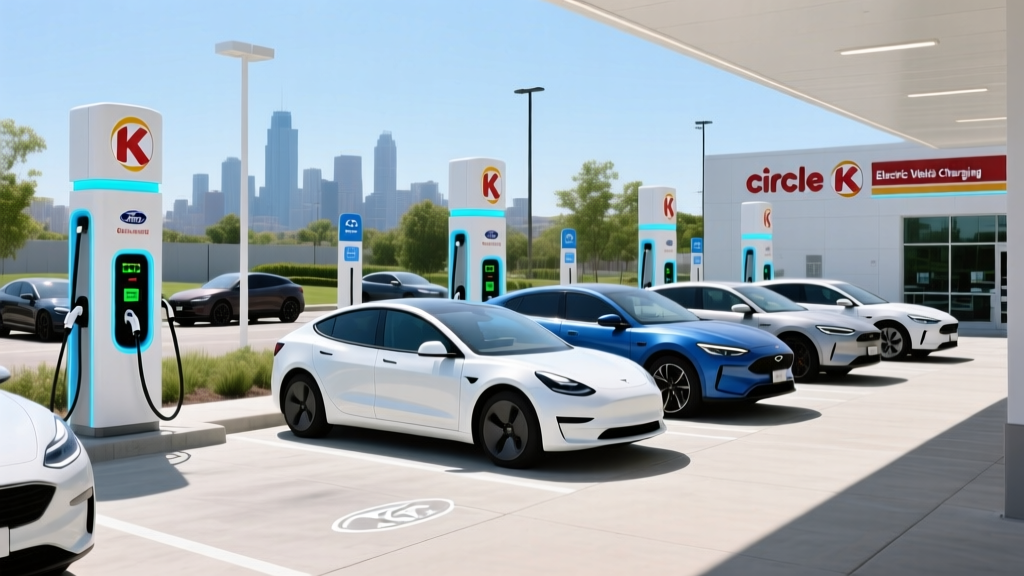
The Chevrolet Monte Carlo SS supercharged (2004–2007) remains a favorite among enthusiasts who want supercharged V6 muscle on a budget. But as electric vehicles mature in 2026, a practical question emerges: how does the real-world ownership cost of a supercharged Monte Carlo SS stack up against a modern EV — particularly when it comes to fueling vs. charging? This guide dissects the numbers: cost per mile, performance, home charging installation, and what it actually takes to switch.
The Monte Carlo SS Supercharged: A Quick Spec Baseline
Before comparing charging infrastructure to a gas pump, we need the Monte Carlo SS supercharged's real numbers. The 2004–2007 models came equipped with the 3.8L Series II supercharged V6 (L67), producing 240 horsepower and 280 lb-ft of torque, paired with a 4-speed automatic transmission.
- EPA fuel economy: ~18 city / 28 highway / 22 combined MPG (varies by model year and condition)
- 0–60 mph: ~6.5 seconds
- Fuel tank: 17.5 gallons
- Real-world range: ~350–385 miles per tank
- Current used price range: $4,000–$12,000 depending on mileage and condition
These figures give us a solid baseline. Now let's see how modern EVs compare on the metrics that matter: cost per mile, fueling/charging time, and home infrastructure.
EV Charging Levels Explained: Speeds and Range Added
EV charging operates at three primary levels. Understanding the difference between kW (power — the rate of energy flow) and kWh (energy — the battery's capacity) is critical. Think of kW as the width of a hose and kWh as the size of the bucket.
| Level | Voltage | Power (kW) | Miles of Range Added per Hour | Typical Use Case |
|---|---|---|---|---|
| Level 1 | 120V AC | 1.4–1.9 kW | 3–5 miles/hr | Overnight trickle; PHEVs; emergency |
| Level 2 | 240V AC | 7.2–19.2 kW | 20–60+ miles/hr | Home daily charging; workplace; public AC |
| DC Fast Charging | 400–800V DC | 50–350 kW | 150–1,200+ miles/hr (peak) | Road trips; highway corridors; 10–80% in 18–45 min |
Real-world charging time examples:
- 75 kWh battery (e.g., Tesla Model Y): Level 2 at 11.5 kW → 0–100% in ~7 hours; 350 kW DC fast charger → 10–80% in ~15–18 minutes
- 84 kWh battery (e.g., Hyundai Ioniq 5): Level 2 at 11.5 kW → 0–100% in ~8 hours; 250 kW DC fast charger → 10–80% in ~18 minutes (800V architecture)
- 65 kWh battery (e.g., Chevrolet Equinox EV): Level 2 at 11.5 kW → 0–100% in ~6 hours; 150 kW DC fast charger → 10–80% in ~30 minutes
Important caveat: DC fast charging speeds follow a charge curve. A vehicle rated for 250 kW peak will only sustain that rate at low state-of-charge (SoC), typically 10–40%. Above 80% SoC, speeds taper significantly to protect battery chemistry. This is why 10–80% times are the industry standard metric.
Cost Per Mile: Monte Carlo SS Supercharged vs EV
This is where the comparison gets stark. Using national averages for fuel and electricity in 2026:
| Vehicle | Energy Source | Cost per Unit | Efficiency | Cost per Mile |
|---|---|---|---|---|
| Monte Carlo SS Supercharged | Gasoline (premium recommended) | $3.65/gal (regular) / $4.15/gal (premium) | 22 MPG combined | $0.17–$0.19/mile |
| EV — Home Level 2 (off-peak) | Electricity | $0.13/kWh (national avg) | 3.5 mi/kWh (avg) | $0.037/mile |
| EV — Home Level 2 (peak rate) | Electricity | $0.22/kWh (peak TOU) | 3.5 mi/kWh | $0.063/mile |
| EV — Public DC Fast Charger | Electricity | $0.35–$0.55/kWh | 3.5 mi/kWh | $0.10–$0.16/mile |
At 12,000 miles per year, the Monte Carlo SS supercharged costs roughly $2,040–$2,280 annually in fuel. A comparable EV charged primarily at home off-peak costs $444–$756 per year. That's a $1,300–$1,800 annual savings in energy alone — before factoring in the Monte Carlo's higher maintenance burden (supercharger belt service, aging transmission, suspension components on a 20-year-old vehicle).
Home EV Charger Installation: Cost and Electrical Requirements
Installing a Level 2 home charger is the single biggest infrastructure decision for new EV owners. Here's what's involved, with real 2026 cost ranges.
Electrical Requirements
- Circuit: Dedicated 240V circuit, typically 40A or 60A (breaker rated 125% above continuous load, so a 40A circuit supports a 32A charger)
- Wire: 6 AWG copper for 40A; 4 AWG for 60A (varies by run length)
- Outlet vs. hardwired: NEMA 14-50 outlet offers flexibility; hardwired avoids GFCI breaker requirements (NEC 2020+ code) and is often cheaper
- Permit: Required in most jurisdictions; typically $50–$200
Panel Upgrade Reality
Homes built before 1990 often have 100A or 125A main panels. Adding a 40–60A EV circuit may exceed available capacity, especially if you already run electric range, dryer, and HVAC. A panel upgrade to 200A costs $1,500–$3,500 and is a non-negotiable expense if your load calculation demands it. Always get a licensed electrician's load calculation before assuming your panel can handle it.
| Component | Simple Install (panel adjacent) | Complex Install (long run / panel upgrade) |
|---|---|---|
| Level 2 Charger (equipment) | $300–$650 | $300–$650 |
| Electrician labor | $300–$800 | $800–$2,000 |
| Permit & inspection | $50–$150 | $100–$250 |
| Electrical panel upgrade (if needed) | $0 | $1,500–$3,500 |
| Total | $650–$1,600 | $2,700–$6,400 |
The federal Alternative Fuel Vehicle Refueling Property Credit (30C) can cover up to 30% of home charging equipment and installation costs, capped at $1,000, if you live in an eligible census tract. Check the IRS guidelines for current-year eligibility, as census tract qualifications and income limits apply.
Connector Compatibility: NACS, CCS, and CHAdeMO
As of 2026, the North American charging connector landscape has largely consolidated around NACS (North American Charging Standard, originally Tesla's proprietary connector). Most major automakers have adopted NACS for new vehicles starting with 2025–2026 model years. Here's the current state:
| Connector | Brands Using It (New Vehicles) | Public Network Support |
|---|---|---|
| NACS (J3400) | Tesla, Ford, GM, Rivian, Volvo, Polestar, Hyundai/Kia (2026+), BMW, Mercedes-Benz | Tesla Supercharger (open to all), Electrify America, EVgo, ChargePoint |
| CCS1 | Remaining legacy models (2024 and older), some VW/ID.4 (pre-transition) | Electrify America, EVgo, ChargePoint, most non-Tesla networks |
| CHAdeMO | Nissan Leaf (discontinued); legacy only | Limited and shrinking; avoid for new purchases |
Adapter needs: If you own a CCS-equipped EV (2024 or earlier model), you'll need a CCS-to-NACS adapter ($150–$250) to access Tesla Superchargers, which now welcome non-Tesla vehicles. Ford and GM include these adapters with many models. Conversely, NACS-equipped vehicles can use CCS stations via a NACS-to-CCS adapter. Most new 2026 EVs ship with NACS natively, making adapters unnecessary for new buyers.
Recommended Home Level 2 Chargers (2026)
Based on reliability, feature sets, and real-world performance testing, these are the top Level 2 home chargers currently available:
ChargePoint Home Flex
- Power output: Up to 12 kW (50A circuit) / configurable down to 16A
- Connector: NACS or CCS1 (select at purchase)
- Cable length: 23 feet
- Smart features: Wi-Fi, app scheduling, energy tracking, Alexa integration
- Price: ~$550–$650
- Best for: Flexible amperage for older panels; strong app ecosystem
Tesla Wall Connector
- Power output: Up to 11.5 kW (48A / 60A circuit)
- Connector: NACS native; J1772 adapter included
- Cable length: 24 feet
- Smart features: Wi-Fi, over-the-air updates, power sharing (multiple units), load management
- Price: ~$420–$475
- Best for: Tesla owners; best value per kW; clean design
Emporia Level 2 EV Charger
- Power output: Up to 11.5 kW (48A)
- Connector: J1772 (CCS-compatible) or NACS
- Cable length: 24 feet
- Smart features: Wi-Fi, solar integration, energy monitoring, time-of-use scheduling
- Price: ~$350–$400
- Best for: Budget-conscious buyers; solar-panel households
Grizzl-E Smart
- Power output: Up to 10 kW (40A)
- Connector: J1772 or NACS
- Cable length: 24 feet
- Smart features: Wi-Fi, OCPP support, adjustable amperage, extreme-weather rated (-40°F)
- Price: ~$400–$500
- Best for: Cold climates; outdoor installs; Canadian-built durability
Safety, Code, and Outdoor Installation Considerations
Electrical safety for EV charging is non-negotiable. Key requirements and best practices for 2026 installations:
- Dedicated circuit: Your EV charger must have its own dedicated breaker — never share a circuit with other appliances
- GFCI protection: NEC 2020 and later requires GFCI protection for receptacle-based (plug-in) EV chargers. Hardwired installations typically avoid this requirement, which also eliminates nuisance tripping
- Outdoor rating: If installing outdoors, ensure the charger carries a NEMA 4 or IP65 rating. All recommended chargers above are outdoor-rated
- Wire sizing: Your electrician must calculate wire gauge based on circuit amperage and run length. Undersized wire creates fire risk and voltage drop
- Utility notification: Some utilities require notification before adding an EV load; they may offer rebates or time-of-use rate plans that significantly reduce charging costs
- Load management: If your panel is near capacity but you don't want to upgrade, consider a smart load-management device (e.g., Emporia Smart Load Center, Tesla Powerwall integration) that dynamically limits charger draw based on real-time household consumption
Ownership Economics: Monte Carlo SS Supercharged vs EV Over 5 Years
Let's put the full picture together at 12,000 miles/year over 5 years:
| Cost Category | Monte Carlo SS Supercharged | 2026 EV (e.g., Equinox EV LT at ~$33,000 MSRP) |
|---|---|---|
| Purchase / acquisition | $6,000–$10,000 (used) | $33,000 (before incentives) / ~$25,500 after $7,500 §30D credit if eligible |
| Fuel / energy (5 years) | $10,200–$11,400 | $2,220 (home) – $5,400 (public DC) |
| Maintenance (5 years) | $3,000–$5,000 (aging supercharged V6, transmission, suspension) | $800–$1,500 (tire rotation, cabin filter, wiper fluid) |
| Insurance (avg) | $900–$1,200/yr | $1,300–$1,800/yr (EVs tend to carry higher premiums) |
| Home charger install | N/A | $650–$6,400 (one-time) |
| Estimated 5-year total | $20,100–$31,600 | $31,470–$46,900 (before credit); $23,970–$39,400 (after credit) |
The Monte Carlo SS supercharged wins on initial purchase price, no question. But over five years, the gap narrows dramatically — especially if you qualify for the federal EV credit and charge primarily at home. The EV's near-zero maintenance burden and 4–5x lower energy cost do the heavy lifting. For a daily driver covering 12,000+ miles annually, the math increasingly favors electrification.
Frequently Asked Questions
How much does it cost to install a home EV charger?
A straightforward Level 2 installation (panel has capacity, short wire run) costs $650–$1,600 total, including equipment ($300–$650), electrician labor ($300–$800), and permit ($50–$150). If your home needs a panel upgrade to 200A, expect $2,700–$6,400 total. Always get a load calculation from a licensed electrician first.
How fast will each charging level add range?
Level 1 (120V) adds 3–5 miles per hour — adequate for PHEVs with small batteries but painfully slow for full EVs. Level 2 (240V) at 11.5 kW adds roughly 35–45 miles per hour, fully replenishing most EVs overnight. DC fast charging adds 150–1,200+ miles per hour at peak, with 10–80% charges taking 15–45 minutes depending on vehicle architecture and charger power.
Which connector/charger is compatible with my EV?
For 2025–2026 model-year EVs, NACS is the dominant standard. Older CCS-equipped vehicles (2024 and prior) can use CCS-to-NACS adapters ($150–$250) to access Tesla Superchargers. CHAdeMO is effectively discontinued for new vehicles. For home chargers, select the connector matching your vehicle — or buy a J1772/NACS adapter for flexibility.
How much does charging cost per mile vs gas?
Home charging at $0.13/kWh averages $0.037/mile — roughly 4–5x cheaper than the Monte Carlo SS supercharged's $0.17–$0.19/mile on premium gasoline. Even public DC fast charging at $0.45/kWh ($0.13/mile) remains competitive with or cheaper than gasoline. The savings compound to $1,300–$1,800 annually at 12,000 miles/year.
What electrical upgrades might I need?
Homes with 100A or 125A main panels may need a 200A upgrade ($1,500–$3,500) to accommodate a 40–60A EV circuit alongside existing loads. Homes with modern 200A panels usually have sufficient headroom. Older wiring (aluminum, knob-and-tube, or undersized copper) may also require remediation. A licensed electrician's load calculation per NEC Article 220 is the definitive answer — don't guess.