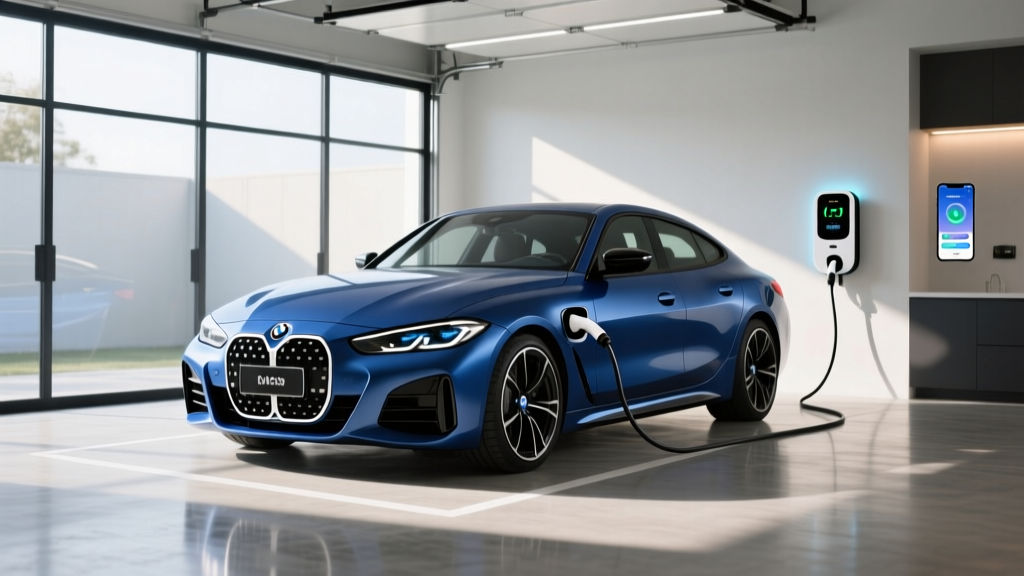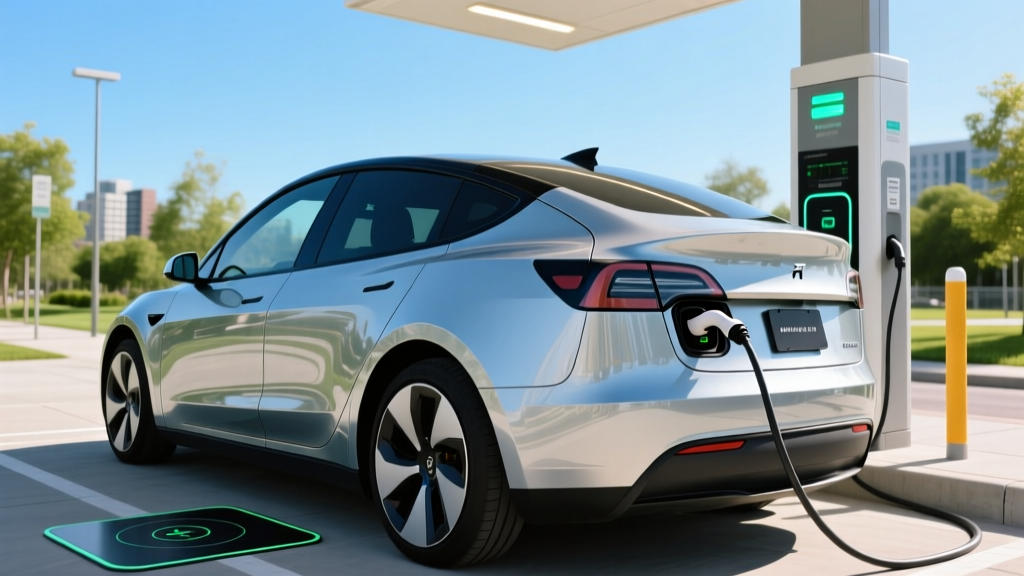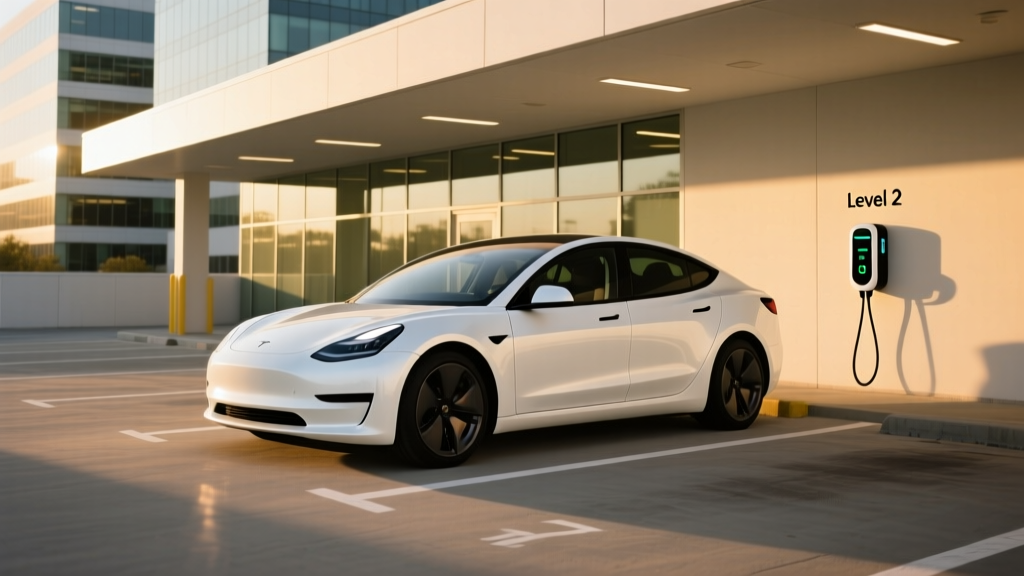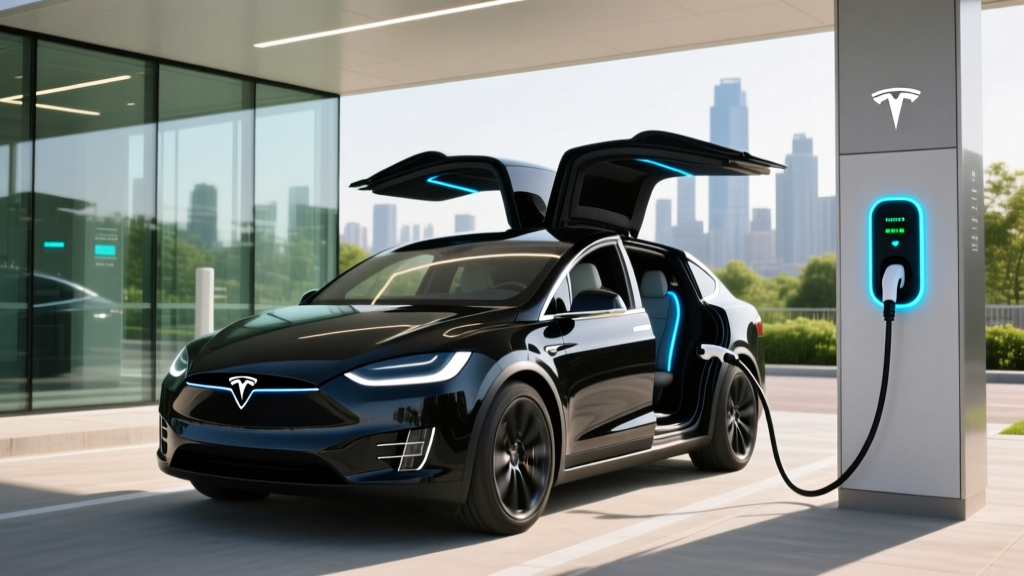
If you're researching a Tesla Model X purchase and wondering whether Model X free Supercharging still exists, the short answer is: it's mostly gone. Tesla ended transferable free unlimited Supercharging for new Model X orders years ago, and even the legacy vehicles carrying those perks are aging out of the fleet. For the 2026 Model X, Tesla currently offers a limited promotional period of free Supercharging miles (typically 10,000 miles or a time-limited window) on new deliveries, but the era of lifetime, transferable free Supercharging attached to the VIN is effectively over.
That means today's Model X buyers need a realistic picture of what charging actually costs — at home, at public Level 2 stations, and on the Tesla Supercharger network — and how to set up home charging infrastructure that minimizes per-mile expenses. This guide breaks down every charging tier, real installation costs, connector compatibility, and whether the Model X still saves you money versus a gas-powered SUV.
The End of Free Supercharging: What Changed
Tesla introduced free unlimited Supercharging as a promotional incentive in the early 2010s. Model S and Model X vehicles ordered before certain cutoff dates (which shifted multiple times between 2017 and 2019) received free Supercharging either tied to the original owner or transferable to subsequent owners. These legacy perks were eventually phased out as Tesla scaled the Supercharger network into a revenue-generating business.
For the 2026 Tesla Model X, here's what the charging landscape looks like:
- Standard purchase: No free Supercharging included. You pay per kWh at Supercharger stations.
- Promotional offers: Tesla periodically runs limited-time promotions (e.g., 10,000 free Supercharger miles, or free Supercharging for the first year). These change frequently — check Tesla's current offers page at time of purchase.
- Used Model X with legacy free Supercharging: A small number of older Model X vehicles (2016-2018 era) still carry transferable free unlimited Supercharging. These command a premium on the used market, often $5,000-$10,000 above comparable vehicles without the perk.
- Referral credits: Tesla's referral program occasionally awards Supercharging credits, but these are limited and time-bound, not permanent.
Bottom line: budget for paid Supercharging as a Model X owner. The good news is that home charging — which covers 80-90% of most EV owners' mileage — is dramatically cheaper than any public network.
Charging Levels Explained: Speed, Power, and Range Added
Before calculating costs, you need to understand the three charging tiers available to Model X owners. The critical distinction: kW (kilowatts) measures power — the rate of energy delivery — while kWh (kilowatt-hours) measures energy — the total capacity stored in your battery. Think of kW as water flow rate and kWh as the total gallons in a tank.
| Level | Power (kW) | Voltage/Amps | Miles of Range Added Per Hour | Typical Use Case |
|---|---|---|---|---|
| Level 1 (120V) | ~1.4 kW | 120V / 12A | ~3-4 mi/hr | Emergency/trickle only |
| Level 2 (240V) | 7.2-11.5 kW | 240V / 30-48A | 20-35 mi/hr | Daily home charging |
| DC Fast (Supercharger V4) | Up to 250 kW peak | 400-800V DC | ~300+ mi/hr (peak) | Road trips, rapid top-ups |
The 2026 Model X comes equipped with an 11.5 kW onboard charger for Level 2 AC charging. That means on a 48-amp, 240V circuit, you'll add roughly 32-35 miles of range per hour of charging. With the Model X Long Range's EPA-estimated 335-mile range and ~100 kWh usable battery, a full 10-80% Level 2 session takes approximately 6.5-7 hours — ideal for overnight charging.
On Tesla's V4 Supercharger network, the Model X can accept up to 250 kW peak. In real-world conditions, expect a 10-80% DC fast charge in roughly 25-30 minutes. The charge curve tapers significantly above 80% State of Charge (SoC) to protect battery longevity — charging from 80-100% can take nearly as long as 10-80%.
Home Charger Installation: Costs, Electrical Requirements, and Gotchas
Installing a Level 2 home charger is the single most impactful investment for EV ownership. For Model X owners, Tesla's Wall Connector is the natural choice, but the installation cost varies enormously depending on your home's electrical infrastructure.
Electrical Requirements
The Tesla Wall Connector delivers up to 11.5 kW (48 amps) on a 240V dedicated circuit. National Electrical Code (NEC) requires that continuous loads (like EV charging) use no more than 80% of a circuit's rated capacity, so a 48A charger requires a 60-amp dedicated circuit. If you opt for a 40A charge rate, a 50-amp circuit suffices.
Key requirements:
- Dedicated circuit: The charger must have its own breaker — no sharing with dryers, ovens, or HVAC.
- GFCI protection: 2023 NEC update requires GFCI protection for EV charging outlets (hardwired Wall Connectors may be exempt in some jurisdictions — consult your electrician).
- Outdoor rating: If installing outdoors, ensure the unit is NEMA 4-rated (the Tesla Wall Connector is rated for indoor and outdoor use).
- Wire gauge: 6 AWG copper for 60A circuits; 8 AWG for 50A circuits, though local code may require larger gauge depending on run length.
Installation Cost Breakdown
| Component | Simple Install (panel nearby) | Complex Install (panel upgrade needed) |
|---|---|---|
| Tesla Wall Connector (equipment) | $420 | $420 |
| Electrician labor (2-4 hrs simple / 8-16 hrs complex) | $600-$1,200 | $2,500-$5,000 |
| Electrical permit | $50-$150 | $100-$300 |
| Panel upgrade (100A → 200A, if needed) | $0 | $2,000-$4,500 |
| Conduit/wiring materials | $100-$300 | $500-$1,500 |
| Total estimated cost | $1,170-$2,070 | $5,520-$11,720 |
The biggest variable is whether your home's electrical panel has sufficient capacity. Homes built before 2000 often have 100-amp or 150-amp main panels that are already near capacity. Adding a 60-amp EV circuit may require a panel upgrade to 200 amps — a $2,000-$4,500 job on its own. Always get a load calculation from a licensed electrician before committing.
How Much Does Charging a Model X Actually Cost?
With free Supercharging largely gone, here's what Model X owners pay to charge in 2026 across different scenarios. The 2026 Model X Long Range has approximately 100 kWh of usable battery capacity.
| Charging Scenario | Average $/kWh | Cost for Full Charge (0-100%) | Cost Per Mile (335-mi range) |
|---|---|---|---|
| Home (off-peak utility rate) | $0.08-$0.14 | $8.00-$14.00 | $0.024-$0.042 |
| Home (standard utility rate) | $0.13-$0.20 | $13.00-$20.00 | $0.039-$0.060 |
| Tesla Supercharger (average US) | $0.25-$0.40 | $25.00-$40.00 | $0.075-$0.119 |
| Public Level 2 (ChargePoint, EVgo) | $0.20-$0.35 | $20.00-$35.00 | $0.060-$0.104 |
| Gas SUV comparison (22 MPG, $3.50/gal) | — | — | $0.159 |
The math is clear: even at standard residential electricity rates, home charging a Model X costs roughly $0.04-$0.06 per mile — about one-third the fuel cost of a comparable gas SUV. Supercharging on road trips costs more ($0.08-$0.12/mi) but is still cheaper than gasoline in most markets.
For a driver covering 12,000 miles per year with 85% home charging and 15% Supercharging, the annual charging cost works out to approximately:
- Home portion (10,200 mi × $0.05/mi): $510
- Supercharger portion (1,800 mi × $0.10/mi): $180
- Total annual energy cost: ~$690
A comparable gas SUV at 22 MPG and $3.50/gallon would spend roughly $1,909 per year on fuel — a savings of over $1,200 annually with the Model X.
Connector Compatibility: NACS, CCS, and the Supercharger Network
The Tesla Model X uses the North American Charging Standard (NACS) connector natively — the proprietary Tesla plug that has now become the industry standard. As of 2025-2026, virtually every major automaker has adopted NACS for new vehicles, and Tesla has opened portions of its Supercharger network to non-Tesla EVs via built-in Magic Dock CCS adapters at select stations.
| Connector | Used By | AC Level 2 | DC Fast | Notes |
|---|---|---|---|---|
| NACS (Tesla) | Tesla (all models), Ford, GM, Rivian, Volvo, and others (2025+) | Yes | Yes | Single compact connector for AC and DC |
| CCS1 (Combo) | Most non-Tesla EVs (pre-2025) | Yes (via J1772 upper) | Yes | Being phased out in favor of NACS |
| CHAdeMO | Nissan Leaf (legacy) | No | Yes | Effectively discontinued in US |
| J1772 | All non-Tesla EVs (AC only) | Yes | No | Tesla includes J1772 adapter with vehicle |
For Model X owners, the NACS connector gives you seamless access to the entire Tesla Supercharger network — the most reliable and extensive DC fast-charging network in the US, with over 6,000 stations and 60,000+ connectors as of early 2026. Your Model X also ships with a J1772 adapter for use at non-Tesla Level 2 public chargers (hotels, workplaces, shopping centers).
One important note: if you ever need to use a CCS1-equipped DC fast charger (some Electrify America and older public stations), Tesla does not currently offer a CCS-to-NACS adapter for the Model X. Stick to the Supercharger network for DC fast charging — it's faster, more reliable, and usually cheaper anyway.
Recommended Home Charging Equipment for Model X
The Tesla Wall Connector is the default recommendation for Model X owners, and for good reason — it integrates directly with your Tesla account, supports over-the-air updates, and delivers maximum Level 2 speed. But it's not the only option.
Best Overall: Tesla Wall Connector
- Power: Up to 11.5 kW (48A) on 240V
- Cable length: 24 feet
- Connector: NACS (native Tesla)
- Smart features: Wi-Fi OTA updates, Tesla app integration, load sharing with multiple units, access control
- Price: ~$420
- Verdict: Fastest, most integrated option for Model X. No app fumbling — plug in and walk away.
Best Universal: ChargePoint Home Flex
- Power: Up to 12 kW (50A) on 240V, configurable down to 16A
- Cable length: 23 feet
- Connector: NACS or J1772 (choose at purchase)
- Smart features: Alexa integration, ChargePoint app scheduling, detailed energy tracking, flexible amperage settings
- Price: ~$550-$600
- Verdict: Excellent if you have multiple EV brands in your household. Flexible amperage means it works on smaller circuits.
Best Budget: Emporia Level 2 Charger
- Power: Up to 11.5 kW (48A) on 240V
- Cable length: 24 feet
- Connector: NACS or J1772
- Smart features: Emporia app, solar integration, energy monitoring, scheduling
- Price: ~$300-$350
- Verdict: Best value for the power output. Less polished app than Tesla or ChargePoint, but gets the job done.
All three chargers above are hardwired or plug-in (NEMA 14-50) options. Hardwired installations generally avoid the GFCI breaker requirement that plug-in outlets need under updated NEC code, saving $50-$150 on the electrical work.
Federal Tax Credits and Utility Rebates for Home Charging
The federal Alternative Fuel Vehicle Refueling Property Credit (IRS Form 8911) covers up to 30% of home EV charger equipment and installation costs, capped at $1,000. However, eligibility depends on your census tract meeting certain low-income or non-urban criteria. Many suburban and urban areas do not qualify — check the IRS eligibility tool before counting on this credit.
Additionally, many utilities offer rebates for Level 2 charger installation or time-of-use (TOU) rate plans that discount off-peak electricity to $0.06-$0.10/kWh. Check with your local utility — a TOU plan can cut your home charging costs by 40-60% compared to standard rates.
Frequently Asked Questions
Can I still get a Tesla Model X with free Supercharging in 2026?
New Model X vehicles do not come with lifetime free Supercharging. Tesla occasionally offers limited promotional free Supercharging (e.g., 10,000 miles or one year) on new deliveries. The only way to get unlimited free Supercharging is to purchase a used 2016-2018 Model X that still carries the legacy transferable perk — expect to pay a premium for these vehicles.
How long does it take to charge a Model X at home overnight?
On a 48-amp Level 2 Tesla Wall Connector (11.5 kW), a Model X with a 100 kWh battery gains roughly 32-35 miles of range per hour. Charging from 20% to 80% (approximately 60 kWh) takes about 5-5.5 hours. Most owners who plug in overnight wake up with a full charge every morning.
Is Supercharging bad for the Model X battery?
Occasional Supercharging is fine and will not meaningfully accelerate degradation. Tesla's battery management system carefully manages heat and charge rates. However, exclusive reliance on DC fast charging over years can slightly increase degradation compared to predominantly Level 2 charging. Tesla's battery warranty covers 8 years or 150,000 miles, whichever comes first, with a guaranteed minimum of 70% capacity retention.
Do I need a panel upgrade for a home charger?
Not always, but possibly. If your home has a 200-amp panel with available headroom, a 60-amp dedicated circuit for the Wall Connector is straightforward. Homes with 100-amp or 150-amp panels that are already heavily loaded (electric HVAC, dryer, oven, water heater) may need a panel upgrade costing $2,000-$4,500. Get a load calculation from a licensed electrician before proceeding.
How does Model X charging cost compare to a gas SUV like the BMW X5?
At average home electricity rates ($0.15/kWh), the Model X costs roughly $0.045 per mile to fuel. A BMW X5 xDrive40 (22 MPG combined) at $3.50/gallon costs about $0.159 per mile. Over 12,000 annual miles, that's $540 for the Model X vs. $1,909 for the X5 — a $1,369 annual fuel savings for the Tesla, even without free Supercharging.
What happens to my Supercharging costs on road trips?
Tesla Supercharger rates vary by location and time of day, typically $0.25-$0.40/kWh in 2026. A coast-to-coast road trip in a Model X (approximately 3,000 miles) might cost $200-$350 in Supercharging fees. That's still less than the $400-$550 a comparable gas SUV would spend on fuel for the same trip, though the gap narrows when you're exclusively reliant on DC fast charging.
For current EPA efficiency data on the Model X, refer to fueleconomy.gov. For Supercharger station locations and current pricing, use the Tesla app or in-vehicle navigation, which displays real-time per-kWh rates for every station.