Why Mini EV Range Matters More Than You Think
Compact electric vehicles—think Nissan LEAF, MINI Cooper SE, or the upcoming Fiat 500e—are attracting buyers who want an affordable, city-friendly EV. But the phrase mini EV range often triggers hesitation. Most compact EVs pack batteries between 30 and 60 kWh, translating to EPA estimates of 110 to 250 miles. That's plenty for daily commuting, but understanding how that range interacts with charging speed, real-world conditions, and home electrical requirements is the difference between a satisfying EV ownership experience and a frustrating one.
This guide walks through exactly what compact-EV owners need to know about charging infrastructure, from the outlet in your garage to the DC fast charger on the highway, with hard numbers at every step.
Charging Levels Explained: kW, Miles Per Hour, and What They Mean for a 40-kWh Battery
The single most common EV confusion is mixing up kW (kilowatts, a measure of power or charge rate) with kWh (kilowatt-hours, a measure of energy or battery capacity). Think of kW as the width of the pipe filling your tank, and kWh as the size of the tank itself.
Here's how each charging level performs on a typical mini EV with a 40-kWh usable battery (like a Nissan LEAF S or base MINI Cooper SE):
| Level | Voltage / Amps | Power (kW) | Miles Added Per Hour | 10–80% Time (40 kWh) |
|---|---|---|---|---|
| Level 1 (standard outlet) | 120V / 12A | ~1.4 kW | 3–5 mi/hr | ~24+ hours |
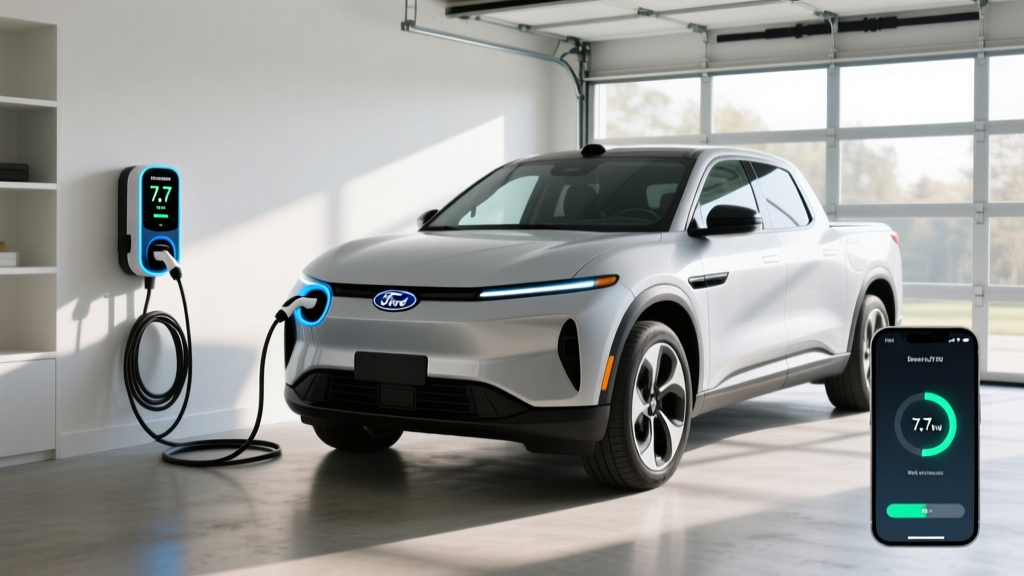
| Level 2 (home / public AC) | 240V / 32–48A | 7.7–11.5 kW | 25–40 mi/hr | ~3–4 hours |
| DC Fast Charging | 400–800V DC | 50–150 kW (peak) | 150–400 mi/hr | ~25–40 minutes |
Real-world caveat: DC fast charging doesn't sustain peak kW for the entire session. A compact EV rated at 50 kW peak might only hold that rate from 10–50% state of charge, then taper to 25–30 kW above 60%. That charge curve taper is why manufacturers quote 10–80% times rather than 0–100%.
Home Charger Installation: Electrical Requirements, Costs, and Panel Gotchas
Most mini EV owners will install a Level 2 wallbox at home. Here's what that actually involves—and what it costs.
Electrical Requirements
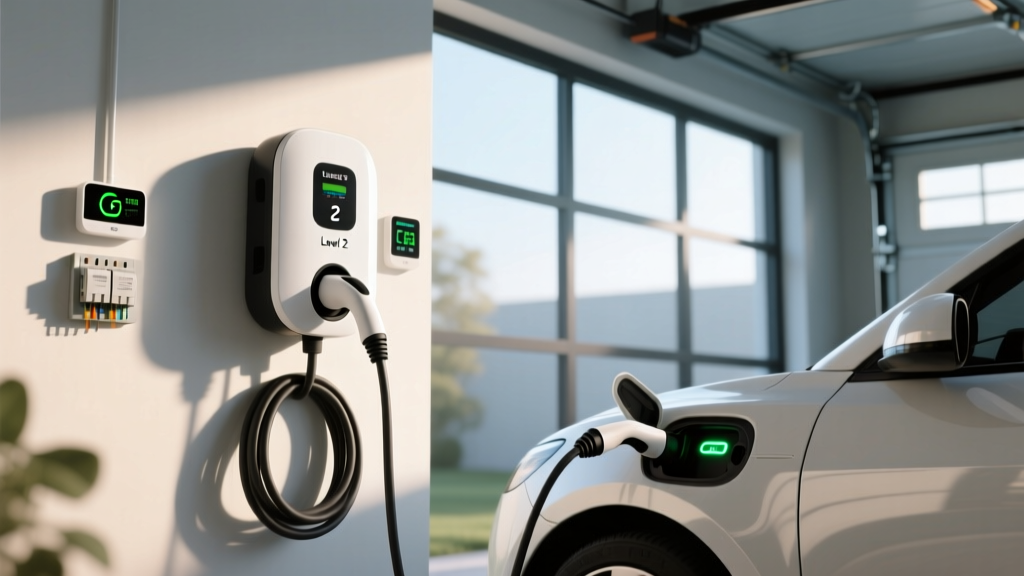
A Level 2 charger requires a dedicated 240V circuit. The most common setup for compact EVs is a 240V / 40A circuit delivering up to 9.6 kW (32A continuous draw, since the National Electrical Code requires circuits rated 125% above continuous load). If your EV accepts 11 kW AC (like some European-market compacts), you'll need a 48A circuit on a 60A breaker.
Installation Cost Breakdown
| Item | Typical Range | Notes |
|---|---|---|
| Level 2 charger (hardware) | $350–$700 | Smart Wi-Fi models cost more |
| Electrician labor | $500–$2,000 | Depends on run length, conduit |
| Electrical permit | $50–$200 | Required in most jurisdictions |
| Panel upgrade (if needed) | $1,500–$4,000 | 100A → 200A service upgrade |
| Total (no panel upgrade) | $900–$2,900 | Most homes with 200A service |
| Total (with panel upgrade) | $2,400–$6,900 | Older homes with 100A service |
Panel upgrade reality: Homes built before the 1990s often have 100-amp electrical service. Adding a 40A EV circuit may push total load beyond safe capacity, requiring an upgrade to 200A. This is the single biggest surprise cost for new EV owners. Have an electrician perform a load calculation before purchasing equipment. Some utilities offer rebates of $500–$1,000 for panel upgrades tied to EV adoption—check with your local provider.
Safety and Code Considerations
- Dedicated circuit: Your EV charger must be on its own breaker—no sharing with dryers or HVAC.
- GFCI protection: Required for outdoor installations and increasingly for garages under updated NEC codes.
- NEMA 14-50 vs. hardwired: A NEMA 14-50 outlet offers portability but requires GFCI breaker ($150+ extra). Hardwired units skip the outlet, simplify inspection, and can deliver up to 48A (vs. 40A max on a 14-50).
- Outdoor rating: If mounting outside, ensure the unit carries a NEMA 4 or IP65 weatherproof rating.
Connector Compatibility: NACS, CCS, and CHAdeMO in 2026
The connector landscape has consolidated dramatically. Here's where things stand for compact EVs in the 2026 model year:
| Connector | Brands Using It | Max DC kW (Typical) | Notes |
|---|---|---|---|
| NACS (Tesla / J3400) | Tesla, Ford, GM, Rivian, Volvo, Polestar, Hyundai (2025+) | 250+ kW | Now the dominant standard; access to Tesla Superchargers |
| CCS1 | VW, BMW, older Ford/GM, MINI (current gen) | 150–350 kW | Still widely available; many stations have both CCS and NACS |
| CHAdeMO | Nissan LEAF (legacy) | 50–100 kW | Being phased out; adapters available but limited |
For mini EV buyers: The current MINI Cooper SE uses CCS1. The Nissan LEAF still uses CHAdeMO, which limits DC fast-charging options as networks prioritize NACS and CCS. If you're buying a compact EV in 2026, prioritize NACS or CCS for long-term charging access. CHAdeMO-equipped cars work fine at home but are increasingly stranded at public fast-charging sites. CCS-to-NACS adapters from Lectron and A2Z run $150–$250 and open up Supercharger access.
Charging Cost Per Mile: Home vs. Public vs. Gas
One of the strongest arguments for a compact EV is the low operating cost—especially with a small, efficient battery. Here's a realistic cost comparison for a 40-kWh mini EV averaging 3.5 miles per kWh (roughly 115 MPGe combined, per fueleconomy.gov data):
| Scenario | Cost per kWh | Cost per Mile | Annual Cost (12,000 mi) |
|---|---|---|---|
| Home charging (off-peak utility rate) | $0.09–$0.14 | $0.026–$0.040 | $310–$480 |
| Home charging (average US rate, ~$0.17) | $0.17 | $0.049 | $585 |
| Public Level 2 (ChargePoint, EVgo) | $0.25–$0.39 | $0.071–$0.111 | $857–$1,337 |
| DC Fast Charging (Electrify America, EA Pass) | $0.36–$0.55 | $0.103–$0.157 | $1,234–$1,886 |
| Gasoline car (30 MPG combined, $3.40/gal) | — | $0.113 | $1,360 |
Even at average residential rates, a mini EV costs roughly half as much per mile to "fuel" as a 30-MPG gas car. The savings shrink if you rely exclusively on DC fast charging, which is why home Level 2 access remains the economic backbone of EV ownership.
Equipment Picks: Level 2 Chargers for Compact EVs
Not every compact EV needs a 48A charger. A 40-kWh battery charging at 32A (7.7 kW) will still fill from 10–80% overnight. Here are three proven options matched to mini EV use cases:
Emporia Vue Level 2 (Best Value)
- Power output: 48A max (11.5 kW on 60A circuit); adjustable down to 32A
- Connector: J1772 (NACS adapter included)
- Cable length: 24 ft
- Smart features: Wi-Fi, scheduling, energy monitoring, solar integration
- Price: ~$399
- Best for: Budget-conscious buyers who want smart features and solar pairing
ChargePoint Home Flex (Most Versatile)
- Power output: Up to 50A (12 kW); configurable via DIP switch for any circuit
- Connector: J1772 (NACS version available)
- Cable length: 23 ft
- Smart features: Wi-Fi, app scheduling, Alexa integration, detailed session logs
- Price: ~$649
- Best for: Owners who want a premium build and may upgrade to a larger EV later
Tesla Wall Connector (Best for NACS Vehicles)
- Power output: Up to 48A (11.5 kW)
- Connector: NACS native (J1772 adapter available separately)
- Cable length: 24 ft
- Smart features: Wi-Fi, over-the-air updates, power sharing between two units
- Price: ~$475
- Best for: Tesla owners or anyone with a NACS-equipped compact EV
All three units are Energy Star certified and qualify for the federal Alternative Fuel Vehicle Refueling Property Credit (30% of hardware + installation cost, up to $1,000, subject to census-tract eligibility per IRS rules).
Real-World Mini EV Range: What the EPA Sticker Doesn't Tell You
Compact EVs with smaller batteries are more sensitive to range-reducing conditions. Here's what to expect from a typical 40-kWh mini EV rated at 150 miles EPA:
EPA estimate: 150 miles
Real-world highway (70 mph, moderate weather): ~120–130 miles
Cold weather (below 32°F, cabin heat on): ~95–115 miles
City driving with regen braking: ~145–160 miles (can exceed EPA)
Compact EVs benefit enormously from regenerative braking in stop-and-go traffic, which is why city range often exceeds the EPA combined estimate. Highway driving and cold weather are the real range killers—especially without a heat pump. If your compact EV uses resistive cabin heating (common in older LEAF and Cooper SE models), expect 25–35% range loss in freezing temperatures. Models with a heat pump (Fiat 500e, newer Renault Zoe) limit that loss to 15–20%.
Frequently Asked Questions
How much does it cost to install a home EV charger?
Expect $900–$2,900 for a standard Level 2 installation in a home with adequate 200A electrical service. If your home needs a panel upgrade from 100A to 200A, total costs can reach $2,400–$6,900. The charger hardware itself runs $350–$700. Always get a load calculation from a licensed electrician before committing.
How fast will each charging level add range to a mini EV?
Level 1 (120V outlet) adds roughly 3–5 miles per hour—fine for overnight top-ups if your daily drive is under 30 miles. Level 2 (240V) adds 25–40 miles per hour, easily refilling a 40-kWh battery overnight. DC fast charging adds 150–400 miles per hour at peak, taking a compact EV from 10–80% in 25–40 minutes depending on peak kW acceptance.
Which connector and charger is compatible with my EV?
Check your vehicle's charge port. NACS (J3400) is now used by Tesla, Ford, GM, Rivian, Hyundai, and Volvo. CCS1 is used by VW, BMW, and the current MINI Cooper SE. CHAdeMO is limited to the Nissan LEAF and is being phased out. For home Level 2 charging, all EVs use the J1772 standard (or NACS, which now supports J1772 signaling). Adapters are available for cross-compatibility.
How much does EV charging cost per mile compared to gas?
At the US average residential electricity rate of ~$0.17/kWh, a compact EV achieving 3.5 mi/kWh costs about $0.049 per mile. A comparable 30-MPG gas car at $3.40/gallon costs $0.113 per mile—more than double. Even public DC fast charging at $0.45/kWh ($0.129/mile) roughly matches gas costs.
What electrical upgrades might I need for a home charger?
The most common upgrade is a panel service increase from 100A to 200A, required when your existing panel lacks capacity for a dedicated 40–60A EV circuit. Other potential needs include running new conduit from the panel to the garage ($500–$1,500 depending on distance), upgrading to a GFCI breaker for outdoor outlets, and adding a sub-panel if your main panel is full. A licensed electrician's load calculation will determine exactly what's needed.