Understanding the Real-World Range for a Tesla
When shopping for an electric vehicle, the EPA-estimated range is the headline number, but the actual range for a Tesla depends heavily on how and where you charge. In 2026, Tesla offers several battery configurations across the Model 3, Model Y, Model S, and Model X. While a Long Range Model Y might boast an EPA sticker of 320 miles, real-world highway driving at 75 mph or cold-weather commutes can reduce that figure by 15% to 30%. To maintain the maximum range for a Tesla, owners must understand the relationship between charging speeds (kW), battery capacity (kWh), and the thermal management required to keep the battery healthy.
Charging Levels and Speed: How Fast Can You Add Range?
The most common point of confusion for new owners is the difference between kW (power/charge speed) and kWh (energy/battery capacity). Think of kW as the flow rate of a hose and kWh as the size of the bucket. To optimize the range for a Tesla, you need to know which "hose" you are using.
| Level | Voltage/Amperage | Power (kW) | Miles of Range Added per Hour | Best Use Case |
|---|---|---|---|---|
| Level 1 | 120V / 12A | ~1.4 kW | 3–5 miles | Emergency/Overnight top-ups |
| Level 2 | 240V / 48A | ~11.5 kW | 35–45 miles | Daily home charging |
| DC Fast (V4 Supercharger) | 400V+ DC | Up to 250–350 kW | 200+ miles in 15 mins | Road trips and rapid top-ups |
Home Charging Installation: Requirements and Costs
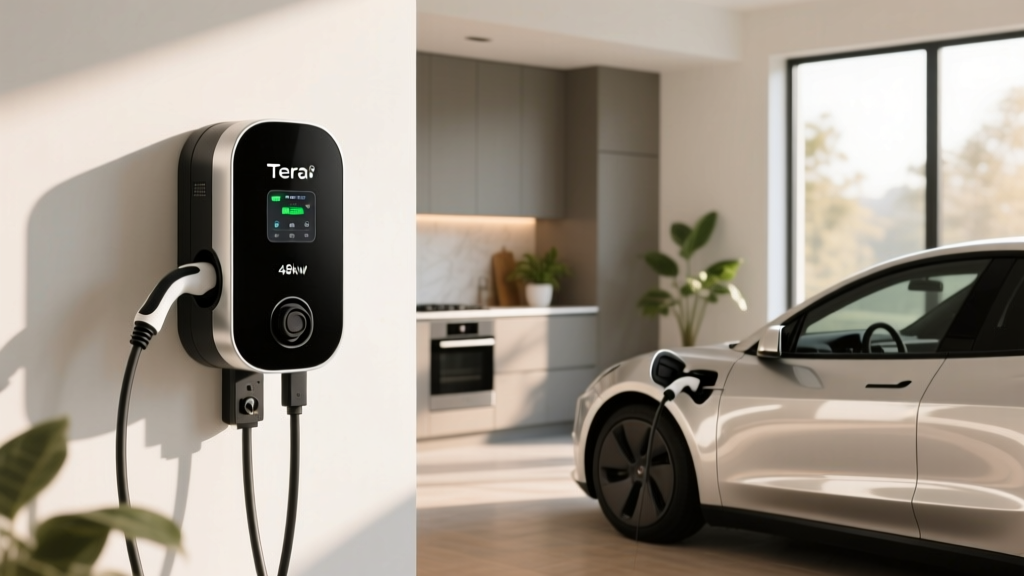
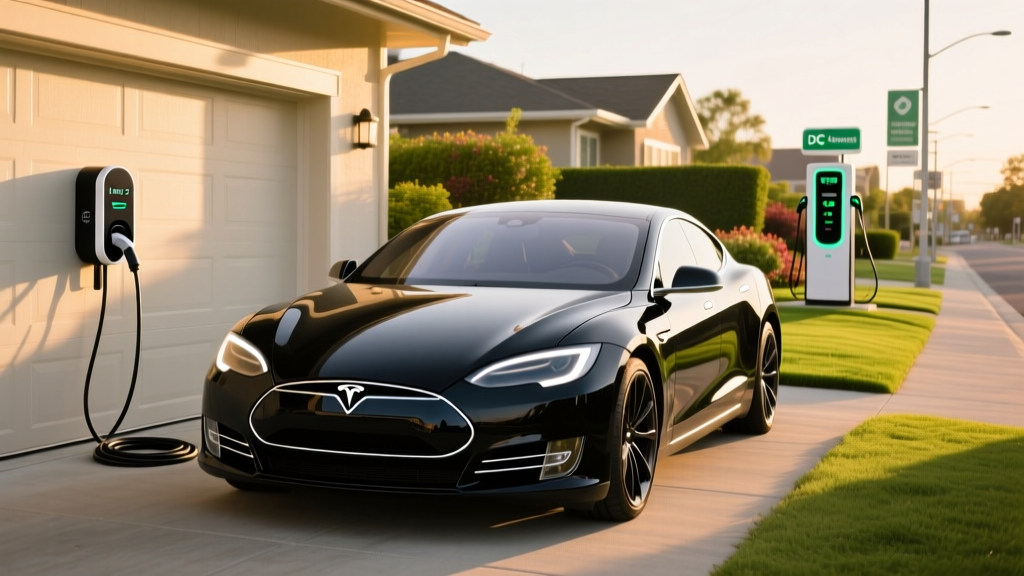
To consistently achieve the best range for a Tesla, a Level 2 home setup is essential. Most Tesla owners install a 240V outlet or a hardwired wall connector. The Tesla Wall Connector is a popular choice, offering up to 11.5 kW (48A) of power, which adds roughly 44 miles of range per hour.
Electrical Requirements and Upgrades
A standard Level 2 installation requires a dedicated 60-amp circuit to support 48 amps of continuous charging. If your home has an older 100-amp electrical panel, you may need a panel upgrade to 200 amps to handle the EV load alongside modern appliances.
| Item | Estimated Cost | Notes |
|---|---|---|
| Level 2 Charger (Equipment) | $400–$600 | Tesla Wall Connector or high-quality third-party |
| Electrician (Labor & Materials) | $600–$1,500 | Varies by distance from panel and local rates |
| Electrical Panel Upgrade | $1,500–$3,500 | Required for many older homes |
| Permits | $100–$300 | Mandatory for code compliance and insurance |
Connector Compatibility: NACS and Beyond
Tesla’s North American Charging Standard (NACS) is now the industry standard for 2026 models across most manufacturers. While older Teslas used a proprietary version of this connector, it is now fully compatible with the broader network. For public charging on non-Tesla networks (like Electrify America), you may still encounter CCS1 connectors, though most stations are transitioning to include NACS cables.
| Connector Type | Standard Availability | Compatibility with Tesla |
|---|---|---|
| NACS (Tesla) | Standard on all new Teslas | Native (No adapter required) |
| CCS1 | Legacy public stations | Requires Tesla CCS Adapter (often included) |
| CHAdeMO | Rare/Discontinued | Not supported |
Charging Time Examples: 10% to 80% SoC
Lithium-ion batteries charge fastest between 10% and 80% State of Charge (SoC). Above 80%, the Battery Management System (BMS) significantly slows the charge rate to protect the cells. For a 75 kWh battery (common in Model 3/Y Long Range):
- Level 2 (11.5 kW): Approximately 6–7 hours for a full charge from 10%.
- V3 Supercharger (250 kW): 10% to 80% in ~25–30 minutes.
- V4 Supercharger (350 kW): 10% to 80% in ~18–22 minutes (peak conditions).
Cost to Charge: Electricity vs. Gasoline
One of the primary benefits of maintaining the range for a Tesla is the lower cost per mile. While gas prices fluctuate, electricity rates are generally more stable.
| Scenario | Price | Cost per Mile (Efficiency: 3.5 mi/kWh) |
|---|---|---|
| Home Off-Peak (Utility Rate) | $0.12/kWh | $0.034 |
| Public Level 2 (Commercial) | $0.30/kWh | $0.085 |
| DC Fast Charging (Supercharger) | $0.40/kWh | $0.114 |
| Gasoline (30 MPG at $3.50/gal) | $3.50/gal | $0.116 |
Recommended Equipment for 2026
Tesla Wall Connector
- Power: 11.5 kW (48A)
- Cable: 24 ft
- Smart Features: Wi-Fi updates, Power Sharing
- Price: ~$475
Emporia Vue 2 + Charger
- Power: 11.5 kW (48A)
- Cable: 24 ft
- Smart Features: Energy monitoring, solar integration
- Price: ~$550
Safety and Code Considerations
All installations must meet National Electrical Code (NEC) requirements. This includes a dedicated circuit, GFCI protection for outdoor outlets, and proper weatherproofing (NEMA 4 rating). Always hire a licensed electrician to ensure your home is safe and your warranty remains valid.
Frequently Asked Questions
How much does it cost to install a home EV charger?
Typical costs range from $1,000 to $2,100 for a standard installation. If your home requires a panel upgrade, costs can reach $3,500 or more.
Which connector/charger is compatible with my EV?
All 2026 Teslas use the NACS connector natively. For older models or non-Tesla public stations, a CCS adapter may be required.
What electrical upgrades might I need?
Homes built before 1990 often need a panel upgrade from 100A to 200A to support a 60A dedicated EV circuit safely.