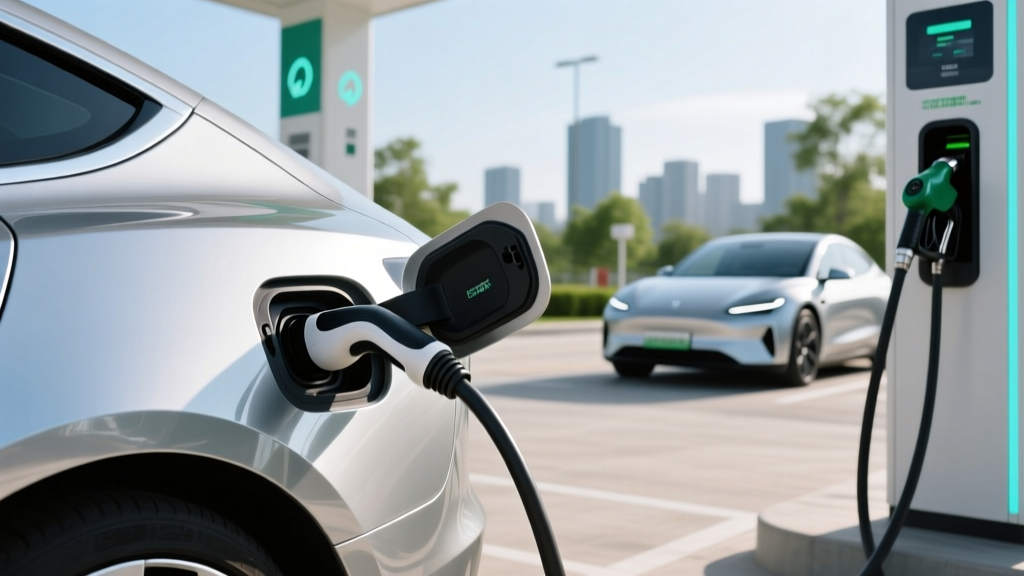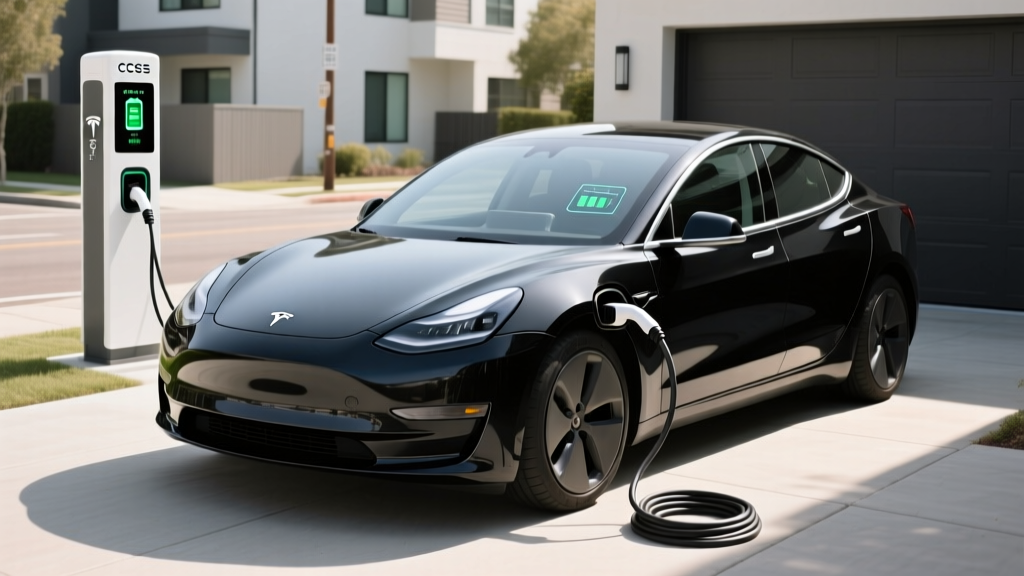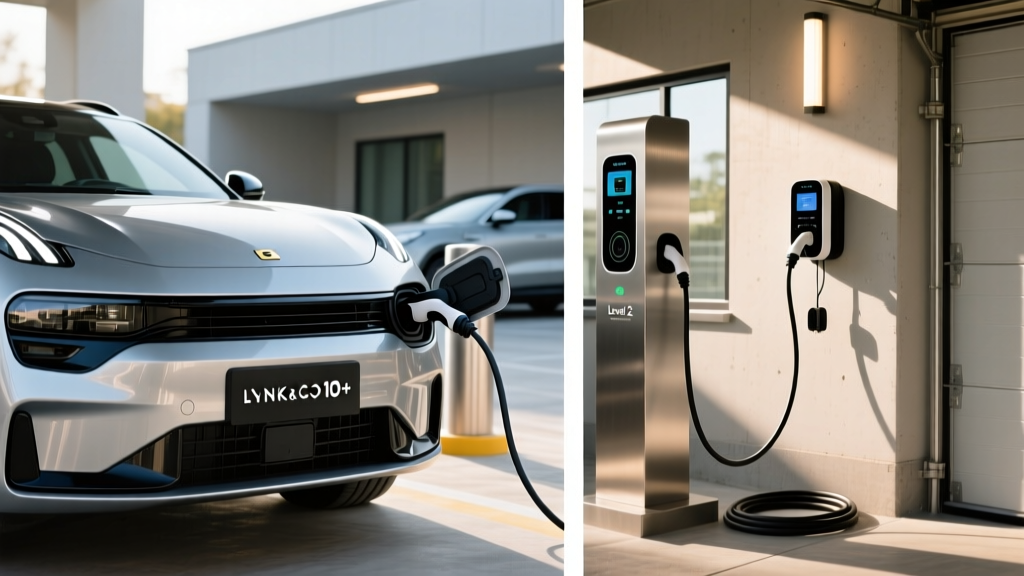
The Lynk & Co 10+ (also badged as the Lynk & Co Z10 in its home market) is a large electric sedan built on Gea's SEA platform, sharing underpinnings with the Zeekr 001 and Polestar 4. For buyers evaluating this car outside of China — particularly in markets where Lynk & Co has signaled expansion — one of the most practical questions is how fast it actually charges and what infrastructure you'll need at home. This guide breaks down Lynk & Co 10+ fast charging performance, connector compatibility, home installation requirements, and real-world cost per mile.
Lynk & Co 10+ Battery and Charging Specifications
Before evaluating charging speed, you need the baseline numbers. The Lynk & Co 10+ is offered with two primary battery configurations, both using NMC (nickel-manganese-cobalt) chemistry supplied by CATL and other Geely-affiliated pack makers. Usable capacity and charge rates differ meaningfully between trims.
| Specification | Standard Range (RWD) | Long Range (AWD) |
|---|---|---|
| Battery (usable) | ~74 kWh | ~95 kWh |
| Chemistry | NMC | NMC |
| Peak DC Fast Charge | ~200 kW | ~250 kW (800V architecture) |
| 10–80% DC Fast Charge | ~28 minutes | ~18–20 minutes |
| AC Level 2 Max Rate | 11 kW (3-phase) / 7.2 kW (single-phase) | 11 kW (3-phase) / 7.2 kW (single-phase) |
| Connector (Non-China Markets) | CCS2 / NACS (market dependent) | CCS2 / NACS (market dependent) |
| CLTC Range (China) | ~600 km (373 mi) | ~806 km (501 mi) |
Understanding Charging Levels: What Each Adds Per Hour
EV charging is measured in kilowatts (kW), which represents power — the rate of energy flow. Your battery capacity is measured in kilowatt-hours (kWh), which represents total energy stored. Confusing these two is the most common EV literacy mistake. A 250 kW charger doesn't put 250 kWh into your battery; it delivers energy at a rate of 250 kilojoules per second, tapering as the battery fills.
| Level | Voltage / Amperage | Power (kW) | Miles of Range Per Hour | Typical Use Case |
|---|---|---|---|---|
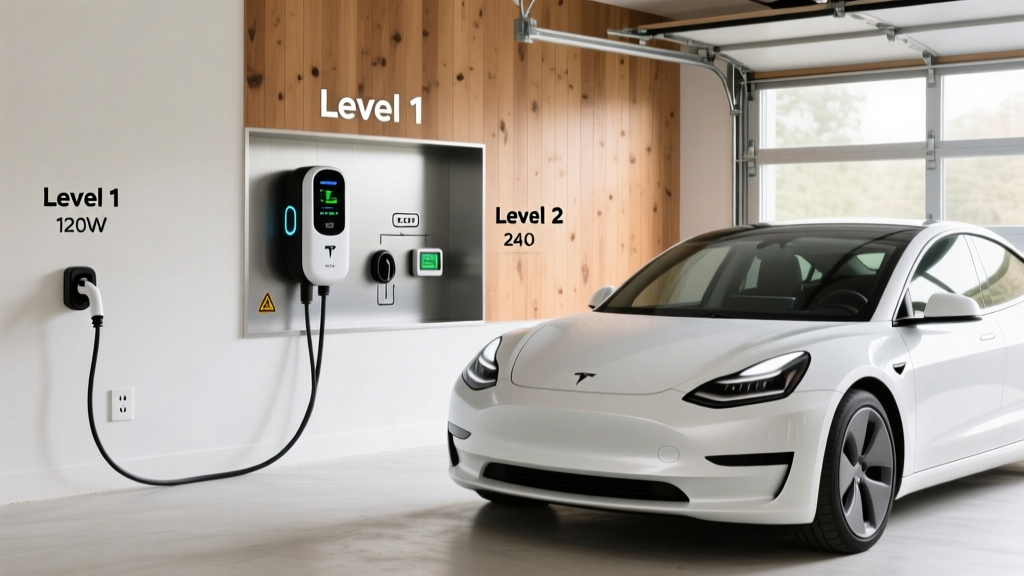
| Level 1 (120V) | 120V / 12A | ~1.4 kW | 3–5 mi/hr | Overnight trickle; emergency top-up |
| Level 2 (240V) | 240V / 32–48A | 7.7–11.5 kW | 25–44 mi/hr | Daily home charging; workplace |
| DC Fast Charging | 400–800V DC | 50–350 kW | 150–900+ mi/hr (peak) | Road trips; rapid top-up |
For the Lynk & Co 10+ Long Range with its ~95 kWh battery, a full Level 1 charge from empty would take roughly 65–70 hours — impractical for daily use. A Level 2 home charger at 11 kW refills the pack in about 9 hours, ideal for overnight charging. On a 250 kW DC fast charger, the 10–80% sprint takes approximately 18–20 minutes, adding roughly 220–250 miles of range in that window.
DC Fast Charging the Lynk & Co 10+: Real-World Charge Curve
Peak charge rate is a headline number, but the charge curve — how power delivery tapers as the battery fills — determines your actual stop time. The Long Range 10+ with its 800-volt architecture can sustain high power longer than a typical 400V system.
Here's what a realistic DC fast charging session looks like for the Lynk & Co 10+ Long Range at a 350 kW-capable station:
- 10–30% SoC: Peak ~250 kW, adding roughly 6–7 miles of range per minute
- 30–60% SoC: Sustained ~200–220 kW, averaging ~5.5 miles per minute
- 60–80% SoC: Tapering to ~120–150 kW, averaging ~4 miles per minute
- 80–100% SoC: Sharp taper to ~40–50 kW; avoid charging past 80% on road trips unless necessary
This curve means the advertised 10–80% time of ~18–20 minutes is achievable at a station that can actually deliver 250+ kW. Many public chargers labeled "350 kW" share power between stalls or are limited by grid supply. On a 150 kW Electrify America or EVgo unit, expect 10–80% in approximately 30–35 minutes instead.
Connector Compatibility: Will It Plug In?
Connector availability depends entirely on the market where the Lynk & Co 10+ is sold. As of 2026, Lynk & Co's export strategy is still evolving, and connector fitment varies by region.
| Market | AC Connector | DC Fast Connector | Adapter Needed? |
|---|---|---|---|
| China (domestic) | GB/T AC | GB/T DC | N/A — domestic standard |
| Europe | Type 2 (Mennekes) | CCS2 | No — native standard |
| North America (if launched) | J1772 / NACS | CCS1 or NACS | CCS-to-NACS adapter likely needed for Tesla Superchargers |
| Other export markets | Varies | CCS2 likely | Market-dependent |
If the 10+ arrives in North America, Geely will likely equip it with either CCS1 or NACS natively. With Tesla opening its Supercharger network to NACS-equipped vehicles and offering a Magic Dock adapter for CCS vehicles, most public charging will be accessible regardless of connector — but native NACS avoids adapter hassle and provides access to the most reliable DC fast charging network.
Home Level 2 Charger Installation: Requirements and Costs
Daily home charging is the backbone of practical EV ownership. For the Lynk & Co 10+ with its ~95 kWh Long Range battery, an 11 kW (48A) Level 2 charger will fully replenish the pack overnight. Here's what installation involves.
Electrical Requirements
- Circuit: Dedicated 60A breaker (for a 48A continuous-load charger, NEC requires 125% overhead = 60A circuit)
- Voltage: 240V single-phase (standard US residential split-phase)
- Wire gauge: 6 AWG copper (or 4 AWG aluminum) for runs up to ~50 feet; thicker gauge for longer runs
- Panel capacity: Your main service panel must have spare capacity — typically 200A service is sufficient; older homes with 100A service may need a panel upgrade
Installation Cost Breakdown
| Component | Cost Range | Notes |
|---|---|---|
| Level 2 Charger (hardware) | $400–$750 | 48A smart charger; see recommendations below |
| Electrician labor (standard install) | $500–$1,500 | Short conduit run, panel adjacent to garage |
| Electrician labor (complex install) | $1,500–$3,000 | Long conduit run, trenching, sub-panel addition |
| Permit and inspection | $50–$300 | Varies by municipality; required for code compliance |
| Panel upgrade (if needed) | $1,500–$3,500 | 100A → 200A service upgrade |
| Total (standard install, no panel upgrade) | $950–$2,550 | Most common scenario for newer homes |
| Total (with panel upgrade) | $2,450–$6,050 | Older homes with 100A service |
Safety and Code Considerations
Per the National Electrical Code (NEC Article 625), EV charging installations must meet specific requirements:
- Dedicated circuit: Your EV charger must have its own breaker — no sharing with other appliances
- GFCI protection: NEC 2020+ requires GFCI protection for outdoor receptacles used for EV charging; hardwired units may not require a separate GFCI breaker depending on local code interpretation
- Outdoor rating: If installing outside, ensure the charger carries a NEMA 4 (weatherproof) rating. Most quality Level 2 chargers are rated for indoor/outdoor use
- Cable management: NEC requires that the charging cable not create a trip hazard; wall-mounted cable organizers or retractable cord systems are recommended
Always hire a licensed electrician and pull a permit. Unpermitted work can void home insurance coverage and create fire risk. Check NFPA NEC resources for your local code cycle.
Recommended Home Chargers for the Lynk & Co 10+
The 10+ can accept up to 11 kW on AC (via 3-phase in markets that support it) or 7.2 kW on single-phase 240V/32A in North America. To maximize charge speed, install a 48A-capable charger on a 60A circuit. Here are proven options:
ChargePoint Home Flex
- Power: Up to 12 kW (50A, adjustable down to 16A)
- Connector: J1772 (NACS version available)
- Cable length: 23 feet
- Smart features: Wi-Fi, app scheduling, utility integration, Alexa
- Rating: NEMA 4 (indoor/outdoor)
- Price: ~$550–$650
Emporia Level 2 Smart Charger
- Power: Up to 11.5 kW (48A)
- Connector: J1772
- Cable length: 24 feet
- Smart features: Wi-Fi, energy monitoring, solar integration, app control
- Rating: NEMA 4 (indoor/outdoor)
- Price: ~$399–$450
Tesla Wall Connector (Universal)
- Power: Up to 11.5 kW (48A)
- Connector: NACS (with J1772 adapter included)
- Cable length: 24 feet
- Smart features: Wi-Fi, power sharing (multiple units), OTA updates
- Rating: NEMA 3R (indoor/outdoor)
- Price: ~$450–$500
For the Lynk & Co 10+ in a North American market, the ChargePoint Home Flex is the strongest all-around pick — its adjustable amperage lets you match your circuit capacity, and the NACS version provides future-proofing. The Emporia is the budget pick with excellent energy monitoring if you have solar panels.
Cost to Charge: Lynk & Co 10+ Per-Mile Economics
Electricity cost varies dramatically by charging scenario. Here's what fueling the 10+ Long Range actually costs across common situations, compared to a comparable gas sedan averaging 28 MPG combined.
| Scenario | Rate ($/kWh) | Cost Per Mile (EV) | Cost Per Mile (Gas, $3.40/gal) |
|---|---|---|---|
| Home (off-peak utility rate) | $0.09–$0.13 | $0.026–$0.037 | $0.121 |
| Home (average US residential) | $0.16 | $0.046 | $0.121 |
| Public Level 2 (workplace/mall) | $0.20–$0.35 | $0.057–$0.100 | $0.121 |
| DC Fast Charging ( Electrify America/EVgo) | $0.35–$0.55 | $0.100–$0.157 | $0.121 |
At home on off-peak rates, the 10+ costs roughly $0.03 per mile — about one-quarter the cost of gasoline. Even on expensive DC fast chargers at $0.48/kWh, you're paying roughly $0.14/mile, which is competitive with gas. The key economic advantage of EV ownership is unlocked by home charging; relying exclusively on public DC fast charging erases most of the fuel-cost savings.
A full home charge of the ~95 kWh Long Range battery at $0.13/kWh costs approximately $12.35, yielding 300+ real-world miles. The same range in a 28 MPG gas sedan at $3.40/gallon costs roughly $36.40.
Public Charging Networks: Where to Fast Charge the 10+
For road trips, the Lynk & Co 10+ will rely on third-party DC fast charging networks. If equipped with CCS1 in North America, access includes:
- Tesla Superchargers: Open to non-Tesla CCS vehicles via Tesla's Magic Dock adapter at select stations; expanding through 2026. Check the Tesla app for compatible locations
- Electrify America: ~1,000+ stations nationwide; 150–350 kW chargers; pricing ~$0.36–$0.48/kWh for guest rates, lower with subscription plans
- EVgo: ~1,100+ stations; many 350 kW chargers; pricing ~$0.32–$0.46/kWh
- ChargePoint: Largest network by station count; mix of Level 2 and DC fast; pricing varies by location
With its 800V architecture and ~250 kW peak rate, the 10+ Long Range can take full advantage of 350 kW chargers where available — a meaningful advantage over 400V competitors that peak at 150–175 kW on the same hardware.
Frequently Asked Questions
How much does it cost to install a home EV charger for the Lynk & Co 10+?
A standard Level 2 home charger installation (48A, 240V, short conduit run, no panel upgrade) typically costs $950–$2,550 total including equipment, electrician labor, and permit. If your home needs a 100A-to-200A panel upgrade, total costs range from $2,450–$6,050. Always get a load calculation from a licensed electrician first.
How fast will each charging level add range to the 10+?
Level 1 (120V) adds about 3–5 miles per hour. Level 2 (240V, 48A) adds approximately 35–44 miles per hour. DC fast charging at peak rate (~250 kW) can add 6–7 miles per minute, though this tapers significantly above 60% SoC. A 10–80% DC fast charge takes roughly 18–20 minutes at a 250+ kW station.
Which connector is compatible with the Lynk & Co 10+?
Connector type depends on market. In China, the 10+ uses GB/T. In Europe, it uses CCS2. If launched in North America, expect CCS1 or NACS. For Tesla Supercharger access with a CCS1 vehicle, you'll need a Tesla Magic Dock adapter at compatible stations.
How much does charging the Lynk & Co 10+ cost per mile vs. gas?
At home off-peak rates ($0.09–$0.13/kWh), the 10+ costs $0.03–$0.04 per mile — roughly 75% less than a 28 MPG gas car at $3.40/gallon ($0.12/mile). On expensive public DC fast chargers ($0.48/kWh), EV cost rises to ~$0.14/mile, roughly matching gas. Home charging is where the savings live.
What electrical upgrades might I need for a home charger?
The most common upgrade is a 100A-to-200A panel replacement in older homes ($1,500–$3,500). You may also need a new dedicated 60A breaker slot, conduit runs from panel to garage, or a sub-panel if your main panel is far from the charging location. Homes built after 2000 with 200A service usually need no panel upgrade.
Can I use a 3-phase charger at home?
In North America, residential power is single-phase 240V. Three-phase 11 kW AC charging (available in Europe and other markets) is not available in typical US homes. You'll be limited to ~7.2–11.5 kW on single-phase depending on your charger's amperage and the car's onboard charger capacity.
Is the Lynk & Co 10+ available for purchase in the US?
As of early 2026, Lynk & Co has not officially launched the 10+ (Z10) in the United States. The vehicle is currently sold in China and select European markets. US availability, pricing, and EPA certification remain unannounced. Specifications in this guide are based on published Chinese and European market data and comparable SEA-platform vehicles.
Sources: EPA Fuel Economy (efficiency benchmarks); NFPA National Electrical Code (installation safety standards); Lynk & Co official specifications (China/EU market data). Tax credit eligibility for any future US launch would be subject to IRS §30D rules including MSRP caps, income limits, and battery sourcing requirements. Consult a tax professional for eligibility.