The 2022 Lucid Air Grand Touring stunned the EV world with its EPA-estimated 516 miles of range — a figure that still leads the luxury sedan segment. But achieving that number in the real world, and keeping the massive 112 kWh battery pack charged efficiently, requires understanding the charging ecosystem. This guide breaks down exactly how to charge your Lucid Air Grand Touring at home and on the road, with hard numbers on costs, speeds, and equipment.
Real-World Range Expectations for the 2022 Lucid Air Grand Touring
Real-World Highway (70 mph, mild weather): ~410-440 miles
Cold Weather (below 32°F): ~350-390 miles
Mixed Driving (city/highway): ~430-470 miles
The Lucid Air Grand Touring's efficiency is remarkable — approximately 4.0 miles per kWh in mixed driving, according to EPA data. This efficiency, combined with the 112 kWh usable battery capacity (NMC chemistry), is what delivers the headline range. However, real-world factors like highway speeds, temperature, elevation changes, and HVAC use will reduce that number. Plan for 80-85% of EPA range on long highway trips in moderate weather.
Charging Levels: Speeds, Power, and Miles Added Per Hour
Understanding the difference between kW (kilowatts) — the rate of power delivery — and kWh (kilowatt-hours) — the energy stored in your battery — is critical. Your Lucid Air Grand Touring has a 112 kWh battery. Charging it at 11.5 kW (Level 2) adds energy slowly; charging at 300 kW (DC fast) adds it rapidly. Here's what each level delivers:
| Charging Level | Power (kW) | Voltage/Amperage | Miles Added Per Hour | Use Case |
|---|---|---|---|---|
| Level 1 (120V) | 1.4-1.9 kW | 120V / 12-16A | 5-7 miles | Emergency/trickle charging |
| Level 2 (240V) | 7.7-19.2 kW | 240V / 32-80A | 30-77 miles | Daily home charging |
| DC Fast Charging | 50-350 kW | 400-800V DC | 200-1,200+ miles | Road trips, rapid top-ups |
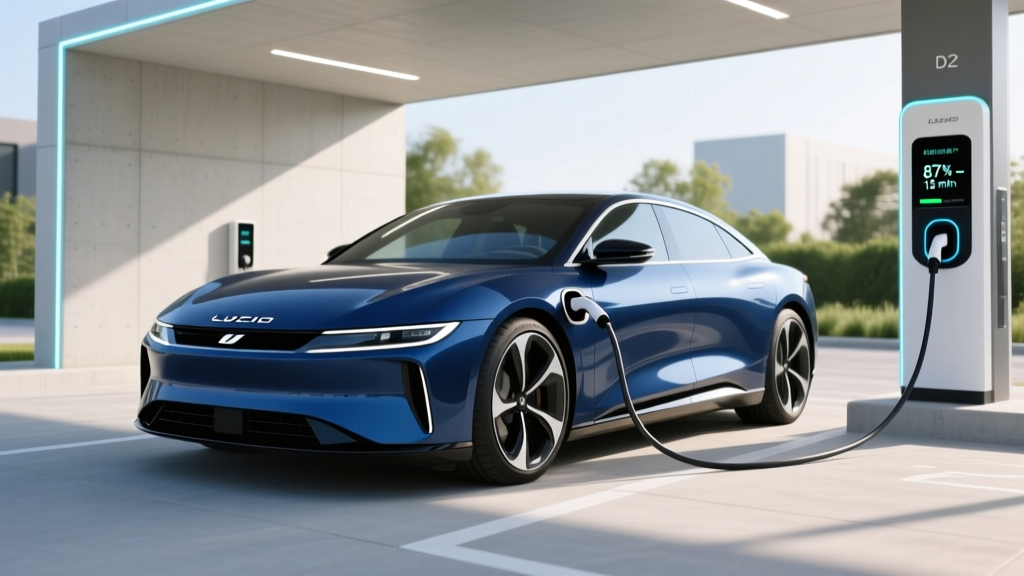
The Lucid Air Grand Touring supports up to 19.2 kW AC charging (80A at 240V) via its onboard charger — one of the fastest Level 2 rates available. On DC fast charging, it peaks at approximately 300 kW on a 350 kW-capable charger, though sustained rates average 200-250 kW through the 10-80% state of charge window.
Home Charging Installation: Requirements, Costs, and Upgrades
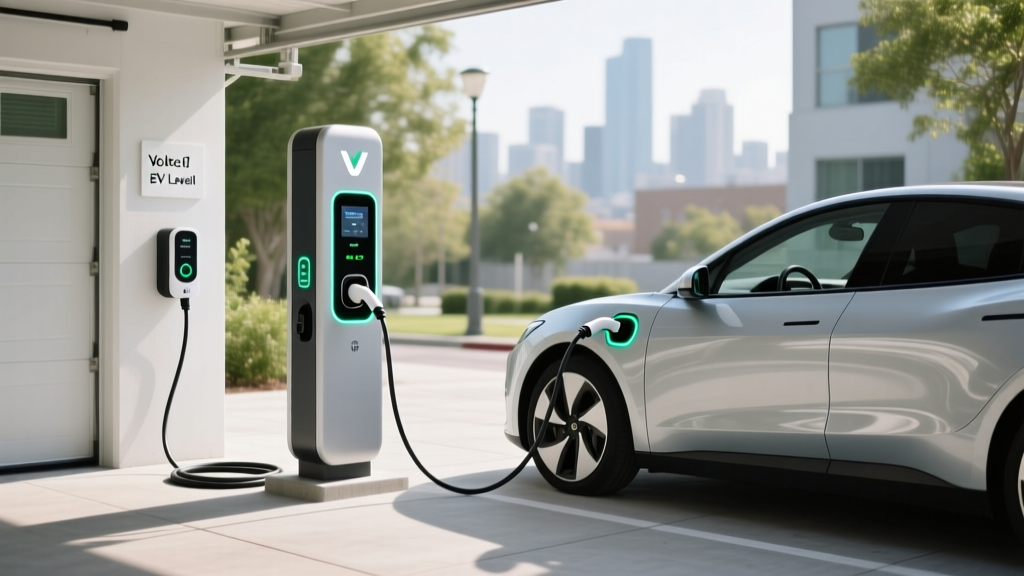
To unlock the Lucid Air's 19.2 kW Level 2 capability at home, you need a dedicated 240V circuit with sufficient amperage. Here's what's involved:
Electrical Requirements
- For 19.2 kW (80A charging): 100-amp dedicated circuit, 240V, hardwired connection
- For 11.5 kW (48A charging): 60-amp dedicated circuit, 240V, NEMA 14-50 outlet or hardwired
- For 7.7 kW (32A charging): 40-amp dedicated circuit, 240V, NEMA 14-50 outlet
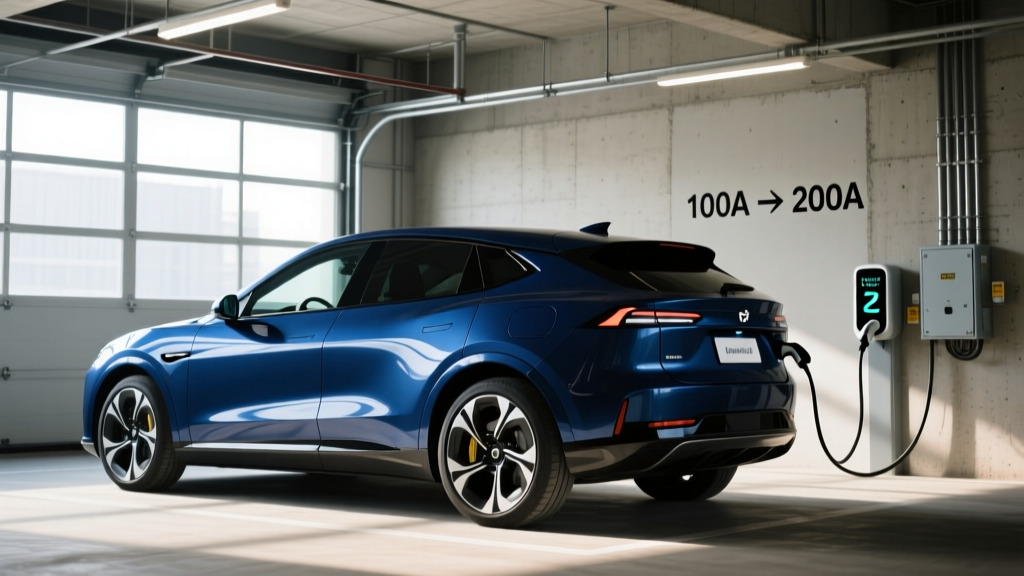
Most homes built before 2000 have 100-amp or 150-amp electrical panels. Adding an 80A EV circuit may require a panel upgrade to 200 amps — a significant but sometimes unavoidable cost.
| Component | Cost Range | Notes |
|---|---|---|
| Level 2 Charger (48A-80A) | $500-$1,200 | Smart chargers with Wi-Fi, cable management |
| Electrician Labor (standard install) | $800-$2,000 | Assumes panel has capacity, short wire run |
| Electrical Permit | $100-$300 | Varies by municipality |
| Panel Upgrade (if needed) | $2,000-$4,500 | 100A to 200A upgrade; older homes |
| Conduit/Wiring (long runs) | $300-$1,000 | If panel is far from garage/parking spot |
| Total (no panel upgrade) | $1,400-$3,500 | Most common scenario |
| Total (with panel upgrade) | $3,400-$8,000 | Older homes with 100A service |
Get 2-3 quotes from licensed electricians. Ask specifically about your panel's available amperage and whether a load calculation shows room for an EV circuit. Some utilities offer rebates of $300-$1,000 for Level 2 installations — check with your provider.
Connector Compatibility: NACS, CCS, and the Lucid Air
The 2022 Lucid Air Grand Touring uses the CCS1 (Combined Charging System) connector for DC fast charging and a J1772 connector for Level 1/2 AC charging. This was the standard before Tesla opened its Supercharger network to non-Tesla vehicles via the NACS (North American Charging Standard) connector.
| Connector Type | Use Case | Lucid Air Grand Touring Compatibility |
|---|---|---|
| J1772 | Level 1 & Level 2 AC charging | Native (included with vehicle) |
| CCS1 | DC fast charging | Native (port on driver's side rear) |
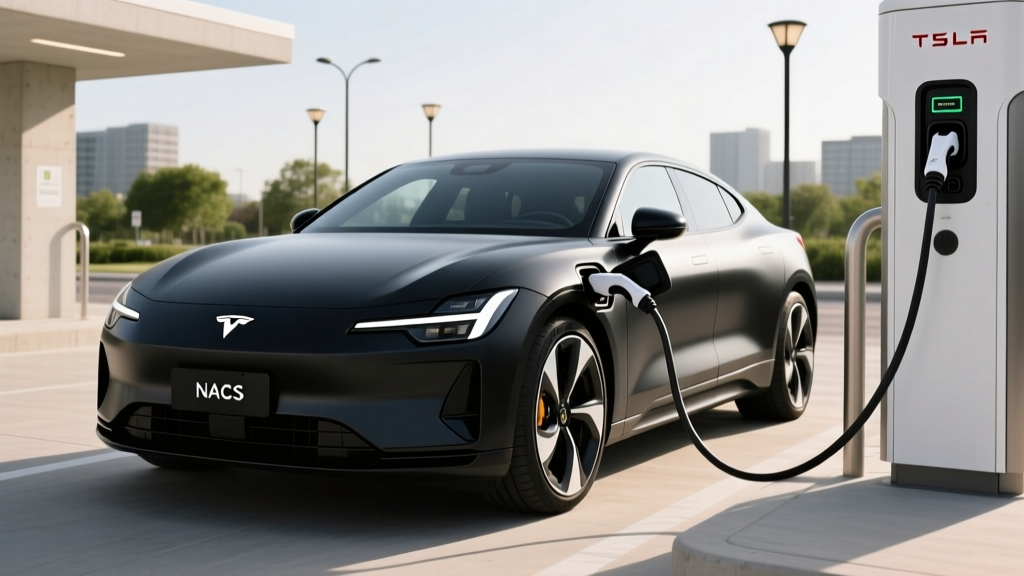
| NACS (Tesla) | Tesla Superchargers, newer public stations | Requires adapter (check Lucid for availability) |
| CHAdeMO | Legacy DC fast charging | Not compatible; adapter not available |
As of 2026, Lucid has announced a NACS adapter for access to Tesla Superchargers, but availability and pricing should be confirmed directly with Lucid. The CCS1 network (Electrify America, EVgo, ChargePoint) remains robust and fully compatible out of the box.
Charging Times: 10-80% and Full Charge Scenarios
Here's how long it takes to charge the 112 kWh battery in real-world conditions:
- Level 1 (120V, 1.4 kW): 10-80% in ~55-60 hours (emergency use only)
- Level 2 (240V, 48A/11.5 kW): 10-80% in ~7.5 hours (overnight charging)
- Level 2 (240V, 80A/19.2 kW): 10-80% in ~4.5 hours (optimal home charging)
- DC Fast (350 kW charger): 10-80% in ~20-25 minutes
- DC Fast (150 kW charger): 10-80% in ~40-45 minutes
Charging curve reality: The Lucid Air peaks at ~300 kW when the battery is between 10-40% state of charge and at optimal temperature (preconditioned). Above 60% SoC, the rate tapers significantly — charging from 80-100% can take as long as 10-80%. For road trips, plan stops at 15-20% remaining and charge to 80% for the best time efficiency.
Cost to Charge: Home vs. Public vs. Gas Comparison
The Lucid Air Grand Touring's efficiency (4.0 miles/kWh) makes it one of the cheapest luxury sedans to "fuel." Here's the breakdown:
| Charging Scenario | Cost per kWh | Cost per Mile | Cost for 516-mile "tank" |
|---|---|---|---|
| Home (off-peak utility rate) | $0.12-$0.16 | $0.03-$0.04 | $15.50-$20.60 |
| Home (standard rate) | $0.18-$0.24 | $0.045-$0.06 | $23.20-$31.00 |
| Public Level 2 (ChargePoint, etc.) | $0.25-$0.40 | $0.06-$0.10 | $31.00-$51.60 |
| DC Fast (Electrify America, EVgo) | $0.35-$0.55 | $0.09-$0.14 | $46.40-$72.20 |
| Gas equivalent (BMW 5 Series, 28 MPG) | $3.80/gallon | $0.14 | $72.20 |
Even at public DC fast-charging rates, the Lucid Air costs less per mile than a comparable gas-powered luxury sedan. At home with off-peak rates, you're paying roughly $0.035 per mile — a 75% savings over gasoline.
Recommended Home Charging Equipment
To maximize the Lucid Air Grand Touring's 19.2 kW onboard charger, you need a high-amperage Level 2 station. Here are top picks for 2026:
ChargePoint Home Flex (up to 80A)
- Power Output: Up to 19.2 kW (80A, 240V, hardwired)
- Connector: J1772 (25-foot cable)
- Smart Features: Wi-Fi, app scheduling, energy tracking, Alexa integration
- Price: $699-$799
- Best For: Full-power Lucid Air charging; robust app ecosystem
Grizzl-E Smart (48A)
- Power Output: 11.5 kW (48A, 240V, NEMA 14-50 or hardwired)
- Connector: J1772 (24-foot cable)
- Smart Features: Wi-Fi, OCPP protocol, adjustable amperage
- Price: $449-$549
- Best For: Budget-conscious buyers; Canadian-built durability
Emporia Level 2 EV Charger (48A)
- Power Output: 11.5 kW (48A, 240V, NEMA 14-50 or hardwired)
- Connector: J1772 (24-foot cable)
- Smart Features: Wi-Fi, energy monitoring, solar integration
- Price: $399-$449
- Best For: Solar panel owners; detailed energy analytics
Wallbox Pulsar Plus (48A)
- Power Output: 11.5 kW (48A, 240V, hardwired)
- Connector: J1772 (25-foot cable)
- Smart Features: Wi-Fi/Bluetooth, app control, load balancing
- Price: $549-$649
- Best For: Compact design; multi-EV households with load management
For the full 19.2 kW experience, the ChargePoint Home Flex (hardwired at 80A) is the top choice. If your electrical panel can't support 80A, a 48A charger still delivers 11.5 kW — enough to add 46 miles per hour or fully recharge overnight.
Safety, Code Compliance, and Installation Best Practices
EV charging involves sustained high-amperage loads — safety is non-negotiable:
- Dedicated circuit: Your EV charger must have its own breaker — never share with other appliances.
- GFCI protection: Required for outdoor installations and some indoor jurisdictions (NEC 2020+).
- Outdoor rating: If mounting outside, ensure the charger is NEMA 4-rated for weather resistance.
- Wire gauge: 80A circuits require 2-gauge copper wire; 48A circuits need 6-gauge. Undersized wire is a fire hazard.
- Permit and inspection: Most municipalities require an electrical permit and final inspection. Skipping this can void home insurance.
- Load management: If your panel is near capacity, consider a smart charger with load-balancing (e.g., Wallbox) that dynamically adjusts charging to avoid tripping the main breaker.
Frequently Asked Questions
How much does it cost to install a home EV charger for the Lucid Air Grand Touring?
Expect $1,400-$3,500 for a standard installation (charger + electrician + permit) if your electrical panel has capacity. If you need a panel upgrade from 100A to 200A, total costs can reach $3,400-$8,000. Get multiple quotes and ask about utility rebates.
How fast will each charging level add range to my Lucid Air?
Level 1 (120V) adds 5-7 miles per hour — impractical for daily use. Level 2 (240V, 48A) adds ~46 miles per hour; at 80A, it adds ~77 miles per hour. DC fast charging at 300 kW can add 300+ miles in 20 minutes, though the charge curve tapers above 60% SoC.
Which connector does the 2022 Lucid Air Grand Touring use?
The 2022 Lucid Air Grand Touring uses CCS1 for DC fast charging and J1772 for Level 1/2 AC charging. It's compatible with Electrify America, EVgo, and ChargePoint networks. A NACS adapter for Tesla Superchargers may be available from Lucid — check current availability.
How much does charging cost per mile compared to gas?
At home with off-peak rates ($0.14/kWh), the Lucid Air costs ~$0.035 per mile. A comparable gas sedan (28 MPG at $3.80/gallon) costs $0.14 per mile — a 75% savings. Even public DC fast charging ($0.45/kWh) costs ~$0.11 per mile, still cheaper than gas.
What electrical upgrades might I need for Level 2 charging?
For 48A charging, you need a 60A dedicated 240V circuit. For the full 80A (19.2 kW), you need a 100A circuit. Homes with 100A electrical service often require a panel upgrade to 200A — a $2,000-$4,500 expense. Have an electrician perform a load calculation before committing.
Should I charge to 100% regularly?
The Lucid Air's NMC battery benefits from staying between 20-80% SoC for daily use. Charge to 100% only for long road trips, and try to drive shortly after reaching full charge. The battery management system includes a buffer, but minimizing time at 100% extends long-term battery health.
Does cold weather affect charging speed?
Yes. Below 40°F, DC fast charging speeds are reduced until the battery warms up. Use the Lucid app to precondition the battery (warm it to optimal temperature) before arriving at a fast charger — this can cut 10-80% charging time by 5-10 minutes in cold weather.
The 2022 Lucid Air Grand Touring's 516-mile EPA range is a genuine competitive advantage, but realizing that potential requires smart charging infrastructure. A properly installed Level 2 home charger (48A minimum, 80A optimal) lets you wake up to 300-400 miles of range every morning. On road trips, the 300 kW DC fast-charging capability means 20-minute stops add 250+ miles. With electricity costs at $0.03-$0.06 per mile at home, the Grand Touring delivers luxury performance at economy-car fuel costs.