Why Your Charging Strategy Defines Your Long Range Tesla Mileage
Buying a Tesla Model 3 Long Range (EPA-estimated 363 miles) or Model Y Long Range (EPA-estimated 320 miles) is only the first step in maximizing your electric ownership experience. The real-world usability of that range depends entirely on how you replenish the battery. For most owners, the goal is simple: wake up every morning with a full "tank" while keeping the cost per mile as low as possible. This requires understanding the difference between power (kW) and energy (kWh), and how your home's electrical infrastructure supports your daily driving needs.
Tesla's 2026 lineup continues to lead in efficiency, but without a proper Level 2 home setup, you are leaving money and convenience on the table. Below, we break down the technical requirements, installation costs, and connector standards you need to know to maintain your vehicle's peak range and longevity.
Charging Speeds and Levels: Adding Range to Your Tesla
To understand how fast you can add miles, you must distinguish between kW (the speed of the "flow") and kWh (the total "gallons" in the tank). A Tesla Model 3 Long Range has a battery capacity of approximately 79 kWh (usable). The rate at which you fill that battery depends on the charging level.
| Level | Voltage | Max Power (kW) | Miles of Range Added (per hour) | Best For |
|---|---|---|---|---|
| Level 1 | 120V AC | 1.4 kW | ~3–5 miles | Overnight top-ups for low-mileage drivers |
| Level 2 | 240V AC | 7.2 kW – 19.2 kW | ~25–65 miles | Daily home and workplace charging |
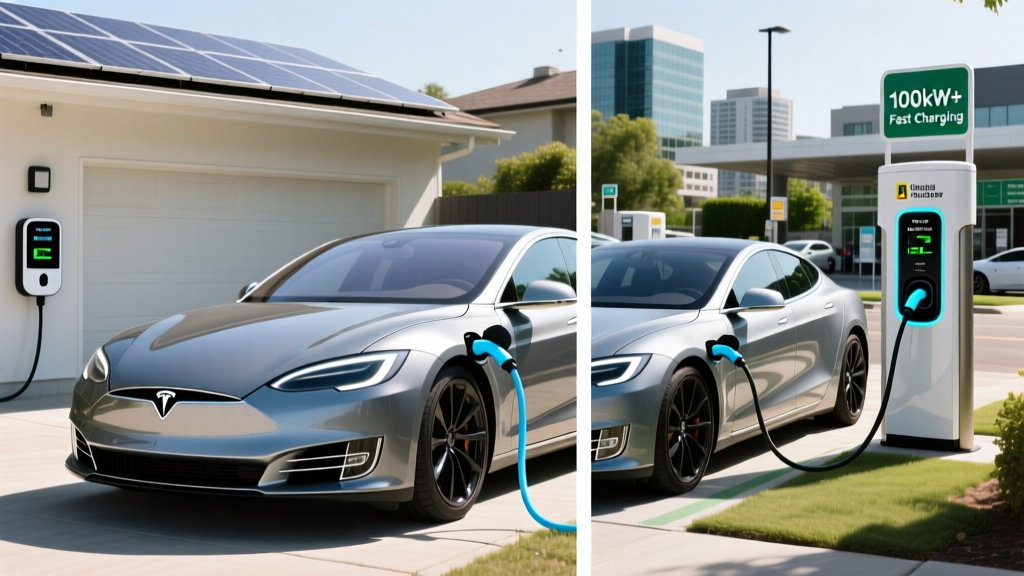
| DC Fast Charging | 400V+ DC | 50 kW – 250+ kW | ~200+ miles (in 15 mins) | Road trips and rapid replenishment |
For a Tesla Model Y Long Range, charging on a standard 11.5 kW home charger (48A) will add approximately 44 miles of range per hour. A full 10-80% session on a 250 kW Supercharger typically takes 25–30 minutes, though the charge curve tapers significantly as the battery approaches full capacity to protect the cells.
Home Installation Requirements and Costs
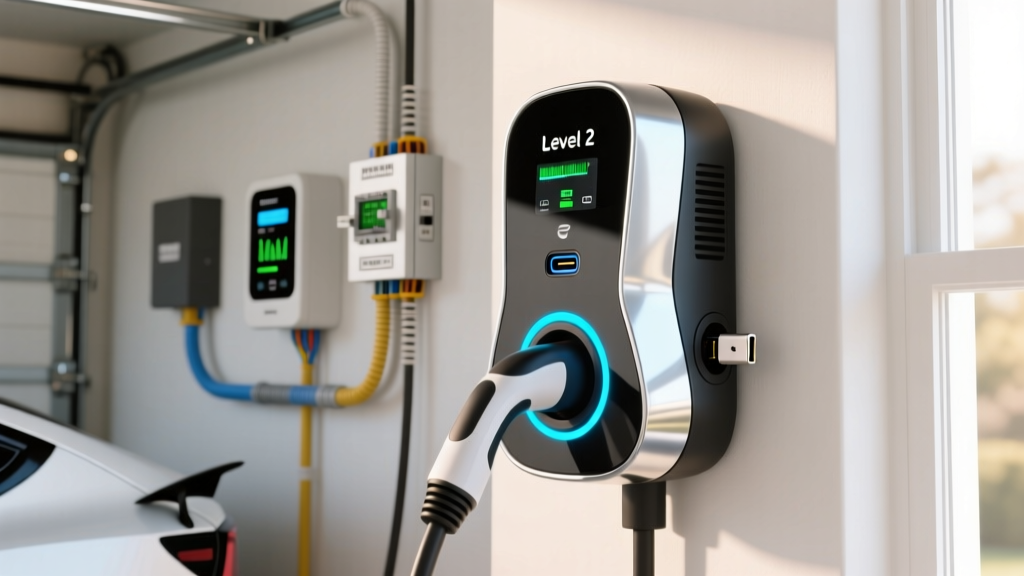
Installing a high-quality Level 2 charger at home is the most effective way to preserve your long range Tesla mileage without frequent trips to public stations. Most Tesla owners opt for the Tesla Wall Connector or the J1772-compatible universal Wall Connector, which can deliver up to 11.5 kW on a 60-amp circuit (48 amps continuous).
Electrical Requirements and Panel Upgrades
A standard Level 2 installation requires a 240V circuit. If your home has a 100-amp electrical panel and you are already running high-draw appliances (electric oven, dryer, HVAC), you may need a panel upgrade to 200 amps. This is common in older homes and represents a significant portion of the total cost.
| Item | Estimated Cost Range | Notes |
|---|---|---|
| Level 2 Equipment | $400 – $700 | Tesla Wall Connector or premium 3rd party |
| Electrician Labor | $600 – $2,500 | Depends on distance from panel to garage |
| Permit and Inspection | $100 – $300 | Required by most local jurisdictions |
| Panel Upgrade (200A) | $1,500 – $3,500 | Only if existing panel lacks capacity |
According to Tesla's installation guide, always use a licensed electrician and ensure the circuit is GFCI-protected if installed outdoors. Many utility companies also offer rebates for the installation of smart chargers that support off-peak scheduling.
Connector Compatibility: NACS and the 2026 Standard
As of 2026, the North American Charging Standard (NACS) is the dominant connector for Tesla and an increasing number of other manufacturers. Tesla vehicles use NACS natively, meaning you never need an adapter for Superchargers or Tesla Wall Connectors.
| Connector Type | Compatibility | Notes |
|---|---|---|
| NACS (Tesla) | Native on all Teslas | Standard for Superchargers and most home units |
| CCS1 | Requires Adapter | Tesla provides a CCS adapter for non-Tesla DC networks |
| CHAdeMO | Legacy/Adapter | Largely phased out in the US market by 2026 |
| J1772 | Requires Adapter | Standard for Level 2 public stations; adapter included with Tesla |
Cost to Charge: Electricity vs. Gasoline
One of the primary benefits of owning a long-range Tesla is the dramatic reduction in fuel costs. While gas prices fluctuate, electricity rates remain relatively stable, especially when charging at home during off-peak hours.
| Scenario | Rate (per kWh) | Cost per Mile (Model 3 LR) | Comparison to Gas (30 MPG) |
|---|---|---|---|
| Home (Off-Peak) | $0.13 | $0.035 | ~85% savings |
| Public Level 2 | $0.35 | $0.095 | ~45% savings |
| DC Fast Charging | $0.55 | $0.15 | ~15% savings |
Based on an efficiency of 26 kWh/100mi (approx. 3.8 miles per kWh), home charging is the economic "sweet spot" for preserving your budget while maintaining your long range Tesla mileage.
Top Equipment Recommendations for 2026
Tesla Wall Connector
- Power: 11.5 kW (48A)
- Connector: NACS
- Price: ~$475
- Features: Wi-Fi updates, Power Share, 24ft cable.
ChargePoint Home Flex
- Power: Up to 12 kW (50A)
- Connector: NACS/J1772 (configurable)
- Price: ~$699
- Features: Excellent app integration, flexible amperage.
Frequently Asked Questions
How much does it cost to install a home EV charger?
Most standard installations range between $1,000 and $2,000 including the unit and labor. If your home requires a 200A panel upgrade, expect to add $1,500–$3,500 to that total.
Which connector is compatible with my EV?
All Tesla vehicles use the NACS connector natively. If you plan to use non-Tesla public Level 2 stations, use the J1772 adapter included with your vehicle.
What electrical upgrades might I need?
You may need a dedicated 60-amp breaker and 6-gauge wire. Older homes with 100A service may require a full panel upgrade to handle the additional load safely.