If you're shopping the used Tesla market, few phrases grab attention like lifetime Supercharging. Originally offered as a purchase incentive on Model S and Model X vehicles between 2012 and 2017 (and briefly transferable on select 2019 units), this perk allows unlimited free DC fast charging at Tesla's Supercharger network. But in 2026, with electricity rates shifting, Supercharger pricing evolving for non-Tesla vehicles, and home charging infrastructure maturing, does lifetime Supercharging still represent a meaningful ownership advantage?
This guide breaks down the real economics of lifetime Supercharging Tesla ownership alongside a complete home charging setup analysis — so you can decide whether chasing a legacy perk or installing a Level 2 home charger makes more financial sense.
What Lifetime Supercharging Actually Covers (and Doesn't)
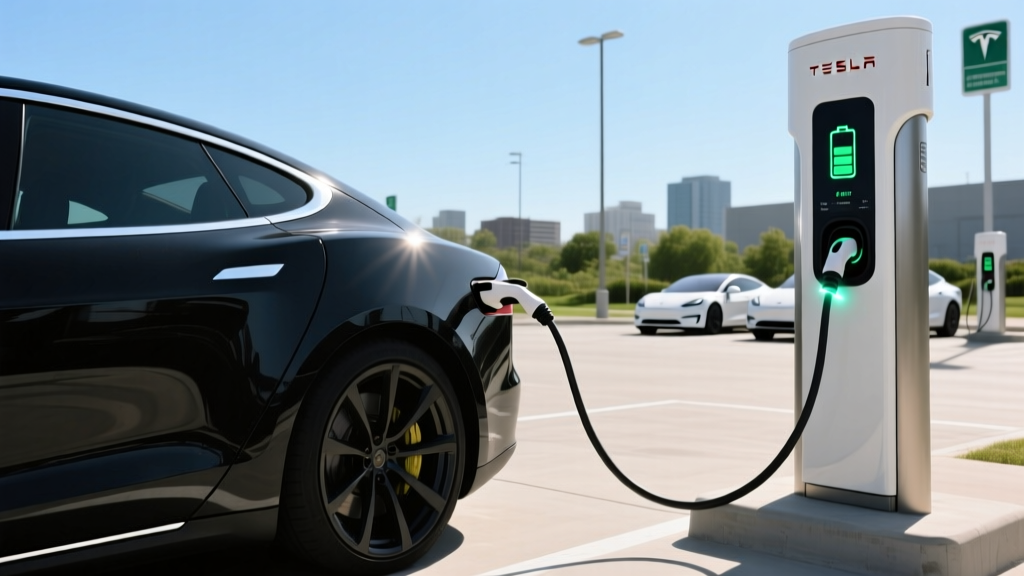
Lifetime Supercharging applies exclusively to the Tesla Supercharger network — Tesla's proprietary DC fast charging stations delivering up to 250 kW (V3 stalls) and, at newer V4 locations, up to 325 kW peak. It does not cover:
- Destination Chargers (Level 2, typically 11.5–22 kW)
- Third-party DC fast networks (Electrify America, EVgo, even with a NACS adapter)
- Home charging electricity costs
- Idle fees if you remain plugged in after reaching your charge limit
Charging Levels Explained: Speeds, Costs, and Real-World Range Added
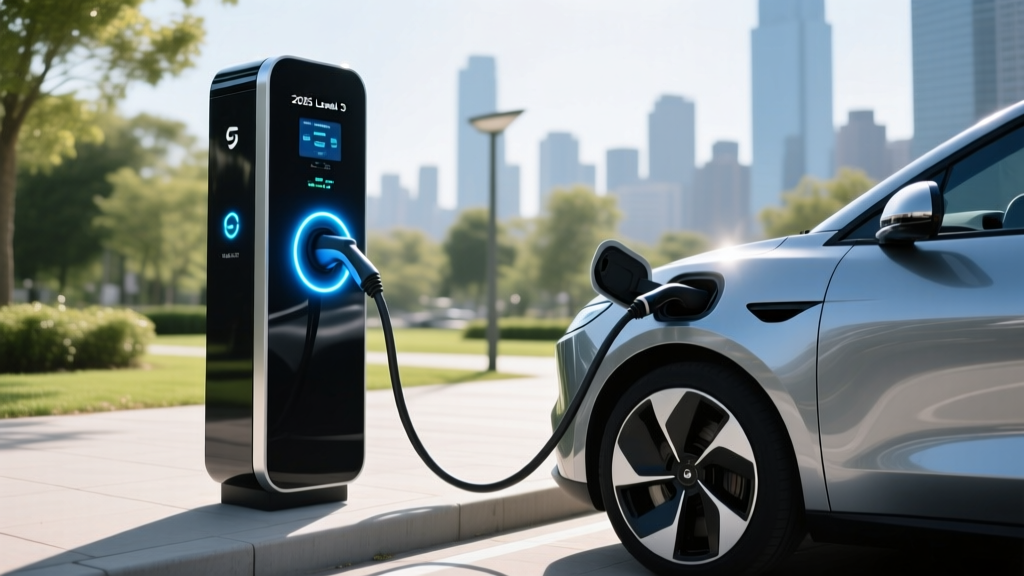
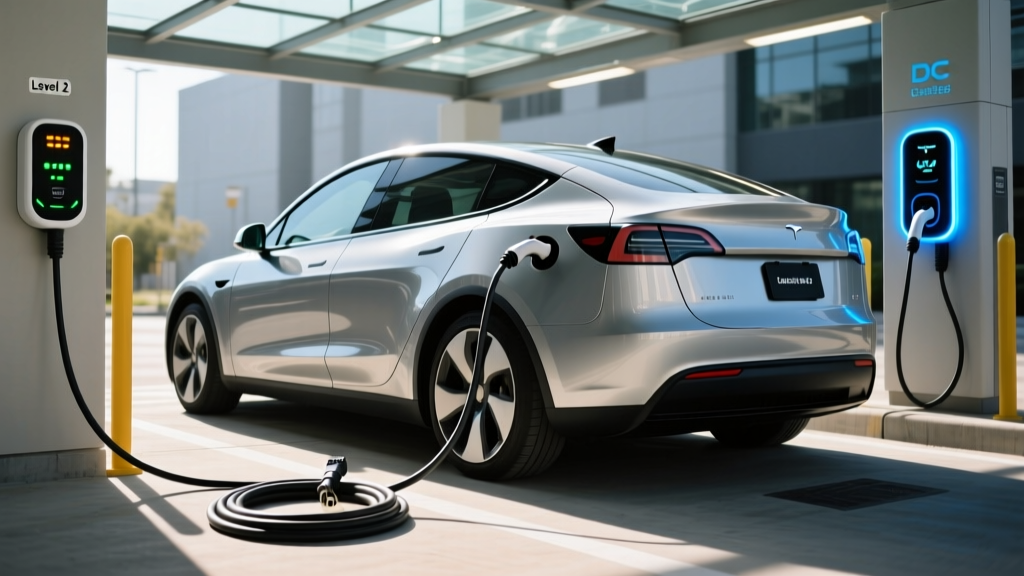
Before comparing lifetime Supercharging economics to home charging, you need to understand the three charging tiers. Note the critical distinction: kW (kilowatts) measures power — the rate of energy delivery — while kWh (kilowatt-hours) measures energy capacity, like gallons in a tank.
| Level | Voltage | Power (kW) | Miles of Range/Hour | Typical Use Case |
|---|---|---|---|---|
| Level 1 | 120V AC | 1.4–1.9 kW | 3–5 mi/hr | Overnight trickle; PHEV topping off |
| Level 2 | 240V AC | 7.2–19.2 kW | 20–60 mi/hr | Home daily charging; workplace |
| DC Fast (V3 Supercharger) | 400V+ DC | 50–250 kW | 150–1,000+ mi/hr (peak) | Road trips; rapid top-ups |
| DC Fast (V4 Supercharger) | 800V+ DC | Up to 325 kW | Up to 1,300 mi/hr (peak) | Next-gen Tesla fast charging |
For context, a 48-amp Level 2 home charger (11.5 kW) will fully recharge a Tesla Model Y Long Range (81 kWh usable) from 10–80% in approximately 5 hours — ideal for overnight charging at off-peak electricity rates.
How Much Does Charging Cost Per Mile vs. Gas?
The economic case for lifetime Supercharging hinges on how much you'd otherwise pay. Here's a breakdown of real per-mile costs for a Tesla Model Y Long Range (averaging 3.5 miles/kWh or ~28.5 kWh/100mi per EPA data on fueleconomy.gov):
| Charging Scenario | Rate ($/kWh) | Cost per 100 Miles | Cost per Mile | Gas Equivalent (28 MPG @ $3.40/gal) |
|---|---|---|---|---|
| Home off-peak (utility rate) | $0.08–$0.12 | $2.24–$3.36 | $0.022–$0.034 | $12.14 |
| Home peak (TOU rate) | $0.20–$0.28 | $5.60–$7.84 | $0.056–$0.078 | $12.14 |
| Public Level 2 (ChargePoint/EVgo) | $0.25–$0.45 | $7.00–$12.60 | $0.070–$0.126 | $12.14 |
| Tesla Supercharger (paid, 2026 avg.) | $0.28–$0.42 | $7.84–$11.76 | $0.078–$0.118 | $12.14 |
| Lifetime Supercharging (free) | $0.00 | $0.00 | $0.00 | $12.14 |
At 12,000 miles/year, the difference between paid Supercharging (~$0.10/mi) and lifetime free Supercharging saves roughly $1,200 annually. Compared to a gas vehicle at 28 MPG, the savings reach $1,457/year. However, home charging at off-peak rates ($0.10/kWh) costs only ~$360/year — making the "free" Supercharging advantage worth about $840/year versus home charging.
Home EV Charger Installation: Costs, Electrical Requirements, and Gotchas
Even with lifetime Supercharging, most Tesla owners install a Level 2 home charger for daily convenience. Here's what that actually involves and costs in 2026.
Electrical Requirements
A standard Level 2 home charger requires a dedicated 240V circuit. The most common setups:
- 40-amp circuit → delivers 32 amps continuous (9.6 kW) — NEC requires 125% overhead, so a 40A breaker supports 32A continuous draw
- 50-amp circuit → delivers 40 amps continuous (11.5 kW) — the most popular residential configuration
- 60-amp circuit → delivers 48 amps continuous (11.5 kW on Tesla Wall Connector) — optimal for faster Level 2 speeds
Panel Upgrade Reality Check
Homes built before 2000 often have 100-amp electrical panels. Adding a 50–60 amp EV circuit may exceed your panel's capacity, requiring a 200-amp panel upgrade — which adds $1,500–$3,500 to your project. Even newer homes with 200-amp panels may need a load calculation if you already run electric HVAC, an electric dryer, and an electric range simultaneously.
| Component | Low Estimate | High Estimate | Notes |
|---|---|---|---|
| Level 2 charger hardware | $400 | $700 | Tesla Wall Connector, ChargePoint Home Flex, Emporia |
| Electrician labor (standard install) | $600 | $1,500 | Short run from panel to garage; conduit, wiring, outlet or hardwire |
| Electrical permit | $50 | $250 | Varies by municipality; required for code compliance |
| Panel upgrade (if needed) | $1,500 | $3,500 | 100A → 200A service upgrade; not always required |
| Trenching/long wire runs (50+ ft) | $500 | $2,000 | Detached garages, far-from-panel installs |
| Total (no panel upgrade) | $1,050 | $2,450 | Typical attached-garage install |
| Total (with panel upgrade) | $2,550 | $5,950 | Older homes needing service upgrade |
Always get a licensed electrician to perform a load calculation before committing to a charger amperage. The federal Residential Clean Energy Credit does not cover EV charger hardware in 2026 (the §30C alternative fuel infrastructure credit expired for residential use), but some state and utility rebates still apply — check your local utility for $250–$500 incentives.
Connector Compatibility: NACS, CCS, and Adapter Realities
Tesla's North American Charging Standard (NACS) connector has become the de facto EV standard as of 2025–2026, with Ford, GM, Rivian, Hyundai, and others adopting it. But if you own a non-Tesla EV or are considering adapters, here's what you need:
| Connector | Native Vehicles | Supercharger Access (2026) | Adapter Needed? |
|---|---|---|---|
| NACS (Tesla) | Tesla (all), Ford F-150 Lightning (2025+), GM Ultium (2025+), Rivian (2025+) | Full access | None for Tesla; built-in for adopters |
| CCS1 | Hyundai Ioniq 5/6, VW ID.4, BMW iX (pre-2025) | Limited — select Superchargers via Magic Dock | Tesla CCS adapter (~$250) for Superchargers with Magic Dock |
| CHAdeMO | Nissan Leaf (legacy) | None | No viable adapter to NACS |
If you're buying a used Tesla with lifetime Supercharging, you already have native NACS — no adapter required. Non-Tesla EVs can access some Superchargers via Tesla's Magic Dock (built-in CCS adapter at select stalls), but this does not grant free charging — you pay standard per-kWh rates.
Recommended Home Chargers for Tesla Owners (2026)
Whether you're supplementing lifetime Supercharging or building your primary charging setup, these Level 2 units deliver reliable performance:
Tesla Wall Connector (Gen 4)
- Power Output: Up to 11.5 kW (48A continuous on 60A circuit)
- Connector: NACS native
- Cable Length: 24 ft
- Smart Features: Wi-Fi, OTA updates, Power Sharing (link multiple units), Tesla app integration
- Price: ~$475
- Best For: Tesla-only households; seamless integration with vehicle scheduling
ChargePoint Home Flex (NACS version)
- Power Output: Up to 12 kW (50A adjustable, on 60A circuit)
- Connector: NACS (2025+ model) or J1772 with adapter
- Cable Length: 23 ft
- Smart Features: Wi-Fi, ChargePoint app, scheduling, Alexa integration, energy tracking
- Price: ~$599
- Best For: Multi-EV households; robust app and energy reporting
Emporia Vue Level 2 Charger
- Power Output: Up to 11.5 kW (48A on 60A circuit)
- Connector: J1772 (Tesla adapter included) or NACS (2026 version)
- Cable Length: 24 ft
- Smart Features: Wi-Fi, Emporia energy monitoring integration, solar-aware scheduling, load management
- Price: ~$399
- Best For: Budget-conscious buyers; solar panel owners wanting integrated energy management
Safety, Code Compliance, and Installation Best Practices
EV charging draws sustained high current for hours — far longer than an oven or dryer cycle. Safety shortcuts create fire risk. Non-negotiable requirements per NEC Article 625:
- Dedicated circuit: Your EV charger must have its own breaker — never share with other appliances
- GFCI protection: Required for outdoor receptacles; hardwired units (like the Tesla Wall Connector) may be exempt depending on local code, but GFCI breakers are recommended
- Outdoor rating: If installed outside, the unit must carry a NEMA 4 (weatherproof) rating — all three chargers above qualify
- Wire gauge: 6 AWG copper for 50A circuits; 4 AWG for 60A circuits over longer runs — your electrician will calculate based on distance
- Permit and inspection: Required in nearly all US jurisdictions; unpermitted work can void homeowner's insurance and create liability
Is Lifetime Supercharging Still Worth Paying a Premium For?
Used 2016–2017 Model S and Model X vehicles with transferable lifetime Supercharging typically command a $3,000–$7,000 premium over identical vehicles without the perk. Here's a break-even framework:
- Annual savings vs. paid Supercharging: ~$1,200/year (at 12,000 mi/yr, $0.10/kWh average paid rate)
- Annual savings vs. home charging: ~$840/year (at off-peak home rates of $0.10/kWh)
- Break-even on a $5,000 premium: 4.2 years vs. paid Supercharging; 6 years vs. home charging
The perk is most valuable for high-mileage drivers, apartment dwellers without home charging, and frequent road trippers. If you can install a home charger and primarily drive locally, the premium is harder to justify — especially given that older Model S/X vehicles face higher maintenance costs (air suspension, MCU upgrades, battery degradation on early 85/90 kWh packs).
Frequently Asked Questions
How much does it cost to install a home EV charger?
A typical Level 2 home charger installation costs $1,050–$2,450 when your electrical panel has sufficient capacity. This includes the charger ($400–$700), electrician labor ($600–$1,500), and permit ($50–$250). If your home needs a 200-amp panel upgrade, add $1,500–$3,500, bringing the total to $2,550–$5,950.
How fast will each charging level add range?
Level 1 (120V) adds 3–5 miles of range per hour. Level 2 (240V, 48A) adds 35–44 miles per hour depending on vehicle efficiency. DC fast charging at a V3 Supercharger (250 kW peak) can add up to 170 miles in 15 minutes — but only at low states of charge. Above 80% SoC, charging speed tapers significantly to protect battery health.
Which connector/charger is compatible with my EV?
All Tesla vehicles use the NACS connector natively and can access the full Supercharger network. Non-Tesla EVs adopting NACS (Ford, GM, Rivian, Hyundai from 2025+) also gain Supercharger access. CCS1-equipped EVs can use select Superchargers with Tesla's Magic Dock adapter. CHAdeMO vehicles (Nissan Leaf) have no Supercharger compatibility.
How much does charging cost per mile vs. gas?
Home off-peak charging costs approximately $0.025–$0.034 per mile for a Tesla Model Y. Paid Supercharging averages $0.08–$0.12 per mile. A comparable gas vehicle at 28 MPG with fuel at $3.40/gallon costs about $0.121 per mile. Lifetime Supercharging brings the DC fast charging cost to $0.00/mile, though you still pay for home electricity.
What electrical upgrades might I need?
Homes with 100-amp electrical panels often require a 200-amp service upgrade ($1,500–$3,500) to support a 48A Level 2 charger. Homes with 200-amp panels usually have sufficient capacity, but a licensed electrician should perform a load calculation considering your existing appliances. Detached garages may also need trenching and conduit ($500–$2,000) for wire runs exceeding 50 feet.
Does lifetime Supercharging transfer if I sell the car?
On 2012–2017 Model S and Model X vehicles, lifetime Supercharging is tied to the VIN and transfers automatically to subsequent owners. Tesla briefly offered transferable lifetime Supercharging on select new Model S/X orders in early 2019, but these are rare. Always verify the perk is active by checking the Tesla app under "Charging" before purchasing a used vehicle.