If you've searched for "charger 2.7 v6" while researching EV charging options, you've likely encountered a confusing mix of public charging stations, home wall connectors, and technical specifications. This guide cuts through the noise with exact numbers: how many kilowatts (kW) each charging level delivers, what your electrical panel actually needs, and whether a 2.7 kW public charger or a 48-amp home Level 2 setup makes sense for your daily driving.
One distinction we must establish immediately: kW (kilowatts) measures charging power — how fast energy flows into your battery. kWh (kilowatt-hours) measures energy capacity — the size of your battery. A 75 kWh battery charged at 7.2 kW takes roughly 10.4 hours from empty to full. Confusing these two is the single most common mistake new EV owners make.
Charging Levels Explained: Speeds in kW and Miles Per Hour
Every EV sold in the United States charges at one of three levels. The table below shows real-world throughput, not marketing peaks.
| Level | Voltage | Max Power (kW) | Miles of Range Added Per Hour | Typical Use Case |
|---|---|---|---|---|
| Level 1 | 120V AC | 1.4 kW | 3–5 mi/hr | Overnight trickle, PHEVs, low-mileage drivers |
| Level 2 (Home/Public) | 240V AC | 3.3–19.2 kW | 12–75 mi/hr | Daily home charging, workplace, destination |
| DC Fast Charging | 400–800V DC | 50–350 kW | 150–1,000+ mi/hr | Road trips, highway corridors, rapid top-ups |
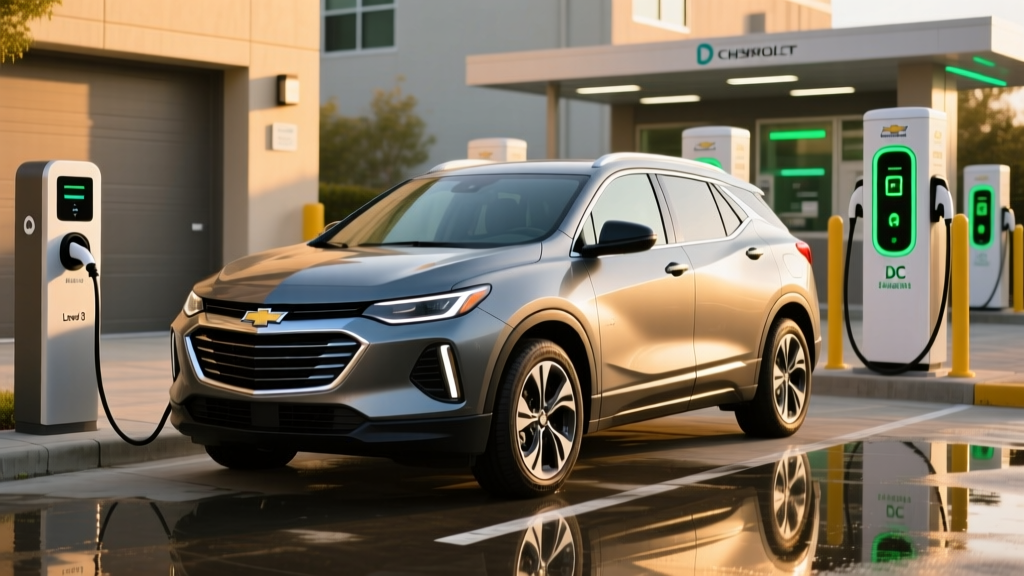
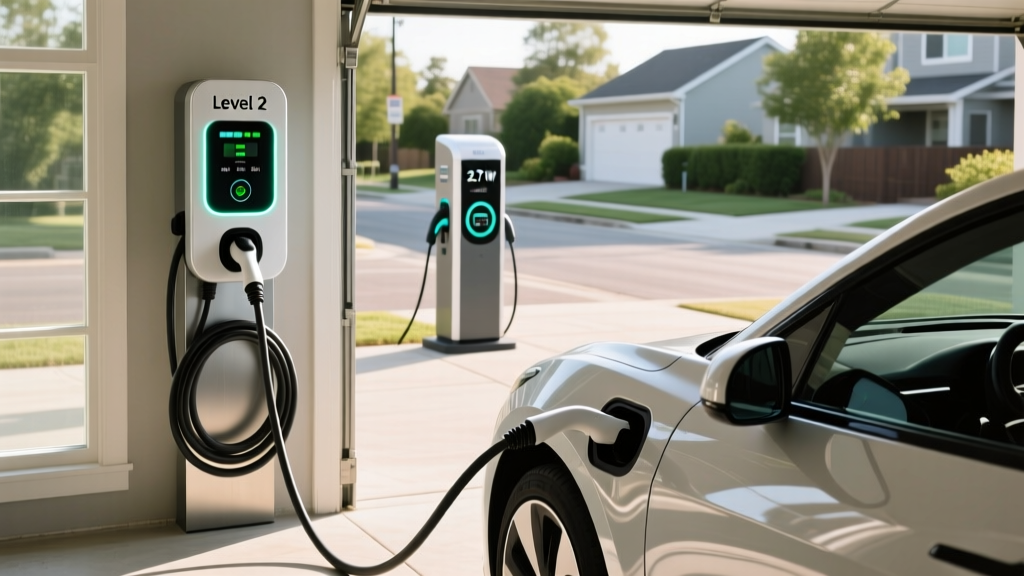
The "2.7" in many public charger model names (and the "charger 2.7 v6" search term) typically refers to a Level 2 station delivering between 2.7 kW and 3.3 kW on a single-phase 240V circuit at 12–16 amps. These are common at older public installations, some workplace chargers, and certain apartment-complex setups. They add roughly 10–14 miles of range per hour — adequate for an 8-hour workday top-up but slow for home use when faster options exist.
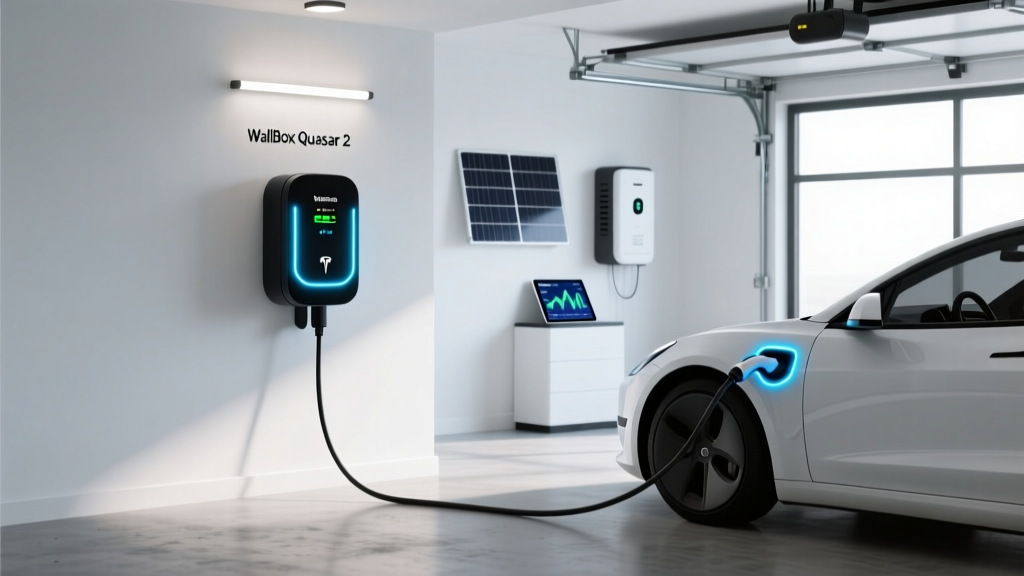
For home installation, a 48-amp Level 2 charger on a 60-amp dedicated circuit delivers 11.5 kW, adding roughly 44 miles of range per hour to an efficient sedan like the Tesla Model 3 or Hyundai Ioniq 6. That means a 75 kWh battery (0–100%) charges in about 6.5 hours — easily covering overnight replenishment.
Home EV Charger Installation: Electrical Requirements and Costs
Installing a Level 2 home charger involves more than mounting a box on your garage wall. Here's what a licensed electrician will evaluate:
Electrical Panel Capacity
Most modern homes have a 200-amp main panel. A 48-amp EV charger requires a dedicated 60-amp breaker (National Electrical Code requires continuous loads to use only 80% of breaker capacity, so 48A × 1.25 = 60A). If your panel is already near capacity — running electric HVAC, a dryer, an oven, and a water heater — you may need a panel upgrade from 100A to 200A, or a smart load-management system like the Emporia Smart Panel that dynamically throttles the charger when other appliances draw power.
Circuit, Wiring, and Outlet
Your electrician will run 6 AWG copper wire (or 4 AWG aluminum) from the panel to a NEMA 14-50 outlet or hardwire the charger directly. Hardwiring is preferred for 48-amp+ units because NEMA 14-50 outlets are rated for 50 amps, not 60. For 40-amp chargers (requiring a 50-amp breaker), a 14-50 outlet works and lets you unplug the charger if you move.
Permits and Inspection
Most jurisdictions require an electrical permit for EV charger installation, typically $50–$200 depending on your municipality. The inspection ensures the circuit is properly sized, grounded, and GFCI-protected where required. Skipping the permit risks insurance claim denials and code violations when you sell the home.
| Component | Low-End Cost | High-End Cost | Notes |
|---|---|---|---|
| Level 2 Charger (Equipment) | $300 | $750 | 32A–48A smart chargers; basic models from $200 |
| Electrician Labor | $400 | $1,500 | Depends on wire run length, panel access, conduit |
| Electrical Permit | $50 | $200 | Varies by municipality |
| Panel Upgrade (if needed) | $1,500 | $4,000 | 100A→200A upgrade; older homes with 100A panels |
| Load Management Device (optional) | $200 | $500 | Emporia, Span; avoids panel upgrade in some cases |
| Total (no panel upgrade) | $750 | $2,450 | Typical suburban home with 200A panel |
| Total (with panel upgrade) | $2,250 | $6,450 | Older home needing full service upgrade |
The federal Alternative Fuel Vehicle Refueling Property Credit (IRS Form 8911) covers 30% of home charger equipment and installation costs, up to $1,000, for installations in eligible census tracts. Check your address against the IRS eligibility tool — many suburban and rural tracts qualify, but urban cores often do not.
Connector Compatibility: NACS, CCS1, and CHAdeMO
The connector landscape shifted dramatically in 2024–2025 when most major automakers adopted the North American Charging Standard (NACS), originally developed by Tesla. As of the 2026 model year, here's what plugs into what:
| Connector | Brands Using It (2026 Models) | Adapter Needed? |
|---|---|---|
| NACS (Tesla plug) | Tesla (all), Ford, GM, Rivian, Volvo, Polestar, Hyundai, Kia, BMW, Mercedes-Benz, Subaru, Lucid, Fisker | CCS1→NACS adapters available for legacy CCS vehicles (~$200–$300) |
| CCS1 | Legacy models pre-2025 (older VW ID.4, Audi e-tron, some early Ford/GM); most public DC fast stations still have CCS1 cables | NACS vehicles need CCS1 adapter for non-Tesla DC fast chargers |
| CHAdeMO | Nissan Leaf (discontinued after 2025), Mitsubishi Outlander PHEV (legacy) | Effectively a legacy standard; no new vehicles use it |
For home Level 2 charging, the connector situation is simpler: all Level 2 chargers use a J1772 plug, which every EV sold in North America can accept (NACS vehicles use a J1772-to-NACS adapter included with most new cars). When buying a home charger, choose one with a J1772 connector for universal compatibility, or a NACS-native unit like the Tesla Wall Connector if your vehicle is NACS-equipped and you don't plan to own a non-Tesla EV.
Charging Cost Per Mile: Home vs. Public vs. Gas
Electricity pricing varies enormously by region, time of day, and charging location. Here's a realistic breakdown using a mid-size EV averaging 3.0 miles per kWh (roughly 115 MPGe combined, similar to a 2026 Tesla Model Y or Hyundai Ioniq 5):
| Charging Scenario | Cost per kWh | Cost per Mile (at 3.0 mi/kWh) | Equivalent Gas MPG (at $3.50/gal) |
|---|---|---|---|
| Home Off-Peak (Time-of-Use rate) | $0.08–$0.12 | $0.027–$0.040 | 88–130 MPG |
| Home Standard Rate (no TOU) | $0.14–$0.18 | $0.047–$0.060 | 58–75 MPG |
| Public Level 2 (ChargePoint, EVgo) | $0.25–$0.49 | $0.083–$0.163 | 21–42 MPG |
| DC Fast Charging (Electrify America, Tesla Supercharger) | $0.30–$0.55 | $0.100–$0.183 | 19–35 MPG |
| Gasoline Vehicle (28 MPG combined) | — | $0.125 | 28 MPG |
Home charging on an off-peak rate delivers fuel costs roughly one-quarter to one-third of gasoline. Public DC fast charging, however, can equal or exceed gasoline costs per mile — which is why home charging access remains the single most important economic factor in EV ownership. According to fueleconomy.gov, the national average electricity rate for EV charging is approximately $0.16/kWh, but this masks enormous regional variation (California averages $0.22+, while Louisiana averages $0.10).
10–80% Charging Times for Common Battery Sizes
Because charging slows dramatically above 80% SoC to protect battery chemistry, the industry standard metric is 10–80% charge time. Here's what that looks like at different power levels for representative 2026 battery packs:
| Battery Size (usable kWh) | Example Vehicle | At 3.3 kW (Public L2) | At 7.7 kW (32A Home) | At 11.5 kW (48A Home) | At 150 kW (DC Fast) |
|---|---|---|---|---|---|
| 60 kWh | Chevrolet Equinox EV | 12.7 hrs | 5.5 hrs | 3.7 hrs | ~28 min |
| 75 kWh | Tesla Model Y | 15.9 hrs | 6.8 hrs | 4.6 hrs | ~25 min |
| 84 kWh | Ford F-150 Lightning (Std Range) | 17.8 hrs | 7.6 hrs | 5.1 hrs | ~32 min |
| 100 kWh | Rivian R1S (Max Pack) | 21.2 hrs | 9.1 hrs | 6.1 hrs | ~38 min |
DC fast charging times assume the vehicle can sustain a high charge rate. Most modern EVs on 800V architectures (Hyundai Ioniq 5/6, Kia EV6/EV9, Porsche Taycan, Genesis GV60) can accept 250–350 kW peak and charge 10–80% in 18 minutes. Vehicles on 400V platforms (many GM, Ford, and Stellantis models) typically peak at 150–190 kW and take 25–35 minutes for the same session. Always check the vehicle's peak DC charge rate in kW — it varies significantly even within a brand's lineup.
Best Home Level 2 Chargers for 2026
Emporia Level 2 Smart EV Charger
- Power Output: 48 amps / 11.5 kW (240V)
- Connector: J1772 (NACS adapter available)
- Cable Length: 24 feet
- Smart Features: Wi-Fi, energy monitoring via Emporia app, solar integration, load management with Emporia Smart Panel
- Price: ~$399
- Best For: Budget-conscious buyers wanting smart features; pairs with Emporia home energy monitor
ChargePoint Home Flex
- Power Output: Up to 50 amps / 12 kW (240V, adjustable via dip switches)
- Connector: J1772 (25-foot cable)
- Smart Features: Wi-Fi, ChargePoint app scheduling, Alexa integration, flexible amperage settings from 16A–50A
- Price: ~$549
- Best For: Flexibility across panel capacities; adjustable amperage avoids panel upgrades
Tesla Wall Connector (Gen 4)
- Power Output: 48 amps / 11.5 kW (240V)
- Connector: NACS native (J1772 adapter included for non-Tesla EVs)
- Cable Length: 24 feet
- Smart Features: Wi-Fi, over-the-air updates, Power Sharing (link multiple units on one circuit), integrated cable management
- Price: ~$475
- Best For: Tesla and NACS-equipped vehicle owners; cleanest install aesthetics
Grizzl-E Smart
- Power Output: 40 amps / 9.6 kW (240V)
- Connector: J1772
- Cable Length: 24 feet
- Smart Features: OCPP-compatible, works with multiple charging apps, adjustable from 16A–40A
- Price: ~$449
- Best For: Canadian-built durability, outdoor-rated (-40°F to +122°F), no-nonsense reliability
When choosing a charger, match the amperage to your electrical panel's available capacity. A 48-amp charger needs a 60-amp breaker and adequate panel headroom. If your panel is tight, a 32-amp charger (requiring only a 40-amp breaker) delivers 7.7 kW — still enough to add 30 miles per hour and fully recharge most EVs overnight.
Safety, Code, and Installation Best Practices
The National Electrical Code (NEC Article 625) governs EV charging installations. Key requirements your electrician must follow:
- Dedicated circuit: The EV charger must have its own breaker — no sharing with other appliances.
- GFCI protection: Required for all outdoor receptacles and increasingly required indoors depending on your local jurisdiction's code adoption cycle.
- Outdoor rating: If installing outside, the charger must carry a NEMA 3R or NEMA 4 enclosure rating. All chargers listed above are outdoor-rated.
- Wire gauge: 6 AWG copper for 48A–50A circuits; 8 AWG copper for 32A–40A circuits. Aluminum wire requires one size larger.
- Cable management: NEC requires the charging cable not create a tripping hazard. Wall-mounted hooks or retractors are recommended for garage installs.
For outdoor installations in cold climates, choose a charger rated to at least -22°F (-30°C) and ensure the connector holster is sheltered from direct snow/ice accumulation. The Grizzl-E and Tesla Wall Connector both perform reliably in sub-zero conditions based on long-term owner reports from northern US and Canadian installations.
Frequently Asked Questions
How much does it cost to install a home EV charger?
A typical Level 2 home charger installation runs $750–$2,450 including equipment, electrician labor, and permit — assuming your home already has a 200-amp electrical panel with available capacity. If you need a panel upgrade from 100A to 200A, add $1,500–$4,000. The federal refueling property credit (IRS Form 8911) can offset 30% of costs up to $1,000 if your address is in an eligible census tract.
How fast will each charging level add range?
Level 1 (120V) adds 3–5 miles per hour. Level 2 at 3.3 kW (the "2.7" class you may see at older public stations) adds roughly 10–14 miles per hour. Level 2 at 11.5 kW (48-amp home charger) adds 40–46 miles per hour for an efficient EV. DC fast charging at 150 kW adds roughly 500+ miles per hour, meaning a 10–80% session takes 25–35 minutes for most vehicles.
Which connector/charger is compatible with my EV?
For home Level 2 charging, all EVs accept the J1772 connector. NACS-equipped vehicles (Tesla, and most 2025+ models from Ford, GM, Hyundai, Kia, Rivian, BMW, Volvo, and others) use a J1772-to-NACS adapter, typically included with the vehicle. For DC fast charging, most 2026 models use NACS; legacy CCS1 vehicles need a NACS adapter to access Tesla Superchargers and newly converted NACS stations. CHAdeMO is effectively discontinued for new vehicles.
How much does charging cost per mile vs gas?
Home off-peak charging costs $0.027–$0.040 per mile (equivalent to 88–130 MPG at $3.50/gallon gas). Home standard-rate charging runs $0.047–$0.060 per mile (58–75 MPG equivalent). Public DC fast charging at $0.30–$0.55/kWh costs $0.10–$0.18 per mile (19–35 MPG equivalent). A gasoline vehicle averaging 28 MPG costs about $0.125 per mile. Home charging delivers the strongest savings; exclusive reliance on public fast charging can approach or exceed gas costs.
What electrical upgrades might I need?
If your home has a 100-amp panel (common in homes built before 1990), you'll likely need a panel upgrade to 200 amps ($1,500–$4,000). Even with a 200-amp panel, if existing loads (electric dryer, oven, HVAC, water heater) consume most of the capacity, you may need a smart load-management device ($200–$500) that dynamically reduces charger amperage when other appliances are running — this can avoid a costly panel upgrade entirely. Consult a licensed electrician for a load calculation specific to your home.
Is a 2.7 kW or 3.3 kW public Level 2 charger worth using?
A public Level 2 charger in the 2.7–3.3 kW range adds roughly 10–14 miles of range per hour. If you're parked at work for 8 hours, that's 80–112 miles — enough for most commuters. For home use, however, investing in a 7.7 kW or 11.5 kW Level 2 unit is strongly recommended, as 2.7 kW is unnecessarily slow for overnight charging and wastes the opportunity to install proper infrastructure while your electrician is already on-site.