The Hyundai Ioniq 5 N is the performance variant of Hyundai's electric crossover, and its 84.0 kWh (usable) battery delivers serious power — but extracting maximum range and keeping charging costs low requires a deliberate home and public charging strategy. With an EPA-estimated 221 miles of range, the Ioniq 5 N trades some efficiency for its 641 horsepower and track-capable hardware. Getting the charging infrastructure right is what separates enjoyable ownership from frustrating compromise.
This guide covers every charging scenario Ioniq 5 N owners face: home Level 2 installation, DC fast charging on road trips, connector compatibility, real costs, and specific equipment recommendations.
Understanding Ioniq 5 N Range: EPA vs. Real World
Real-World Highway (70 mph): ~175–190 miles
Cold Weather (below 30°F): ~150–170 miles
Mixed Daily Driving: ~195–210 miles
The Ioniq 5 N's performance tires, aggressive aero, and heavy curb weight (~4,861 lbs) reduce efficiency compared to the standard Ioniq 5. N Mode and track use will drain the battery significantly faster.
The EPA rates the Ioniq 5 N at 85 MPGe combined, translating to roughly 2.8–3.0 miles per kWh under normal conditions. On highway stretches at sustained speeds above 75 mph, expect closer to 2.3–2.5 mi/kWh. This makes home charging infrastructure essential — you'll be plugging in more frequently than owners of longer-range EVs.
Charging Levels Explained: Speeds and Range Added
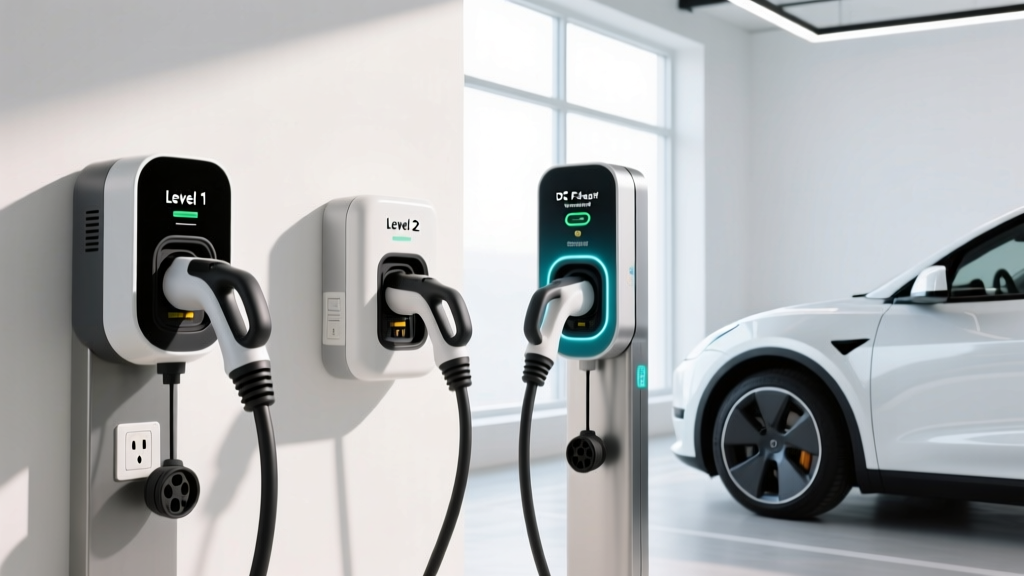
EV charging operates at three distinct levels, each with different power delivery measured in kilowatts (kW). Remember: kW measures power (charge speed), while kWh measures energy (battery capacity). The Ioniq 5 N's 84.0 kWh battery needs different amounts of time at each level.
| Level | Power (kW) | Miles Added/Hour | 10–80% Time | Best For |
|---|---|---|---|---|
| Level 1 (120V) | 1.0–1.4 kW | 3–4 mi/hr | ~48–56 hours | Emergency/trickle only |
| Level 2 (240V) | 7.2–11.5 kW | 22–35 mi/hr | 5.5–8.5 hours | Daily home charging |
| DC Fast | Up to 240 kW peak | ~700+ mi/hr (peak) | ~18 minutes | Road trips |
The Ioniq 5 N's onboard charger accepts up to 10.9 kW on Level 2, meaning a 48-amp (11.5 kW capable) charger will max out the vehicle's acceptance rate. For DC fast charging, Hyundai's 800V architecture allows peak rates up to 240 kW on compatible chargers, though sustained rates taper as the battery fills — expect an average of ~150 kW across the 10–80% session.
Home Charger Installation: Costs, Requirements, and Gotchas
Installing a Level 2 home charger is the single most impactful upgrade for Ioniq 5 N ownership. Here's what's involved.
Electrical Requirements
For a full-speed Level 2 installation that maxes out the Ioniq 5 N's 10.9 kW onboard charger, you need:
- Circuit: 60-amp dedicated breaker (allows 48-amp continuous draw per NEC 80% rule)
- Voltage: 240V (standard split-phase residential service)
- Wire: 6 AWG copper (or 4 AWG aluminum) for runs up to 50 feet
- Outlet option: NEMA 14-60 receptacle (allows charger portability) or hardwired connection
If your daily driving is under 80 miles, a 40-amp circuit (32-amp continuous, ~7.7 kW) is sufficient and cheaper to install. This still adds ~24 miles per hour of charging.
Panel Upgrade Considerations
Many older homes (pre-1990) have 100-amp or 150-amp main electrical panels. Adding a 60-amp EV circuit may exceed available capacity, requiring a panel upgrade to 200 amps. A licensed electrician will perform a load calculation per NEC Article 220 to determine if your panel can handle the additional draw.
| Component | Basic Install (40A) | Full-Speed Install (60A) | Panel Upgrade Needed |
|---|---|---|---|
| Level 2 Charger (hardware) | $400–$700 | $500–$800 | $500–$800 |
| Electrician labor | $400–$900 | $600–$1,400 | $600–$1,400 |
| Permit & inspection | $100–$300 | $100–$300 | $100–$300 |
| Panel upgrade (if needed) | — | — | $1,500–$3,500 |
| Total Range | $900–$1,900 | $1,200–$2,500 | $2,700–$6,000 |
The wide cost range reflects variables like wire run length (longer runs = more copper cost), whether conduit is needed, local labor rates, and permit fees. Always get 2–3 quotes from licensed, EV-experienced electricians. The federal Residential Clean Energy Credit covers 30% of charger hardware and installation costs (up to $1,000) through 2032, which can offset $300–$750 of your total.
Connector Compatibility: NACS, CCS, and Adapters
The 2025–2026 Ioniq 5 N ships with a CCS1 (Combined Charging System) port for both Level 2 AC and DC fast charging. However, the EV charging landscape is rapidly shifting toward NACS (North American Charging Standard, used by Tesla's Supercharger network).
| Connector Type | Native Support? | Adapter Needed? | Network Access |
|---|---|---|---|
| CCS1 | Yes (native port) | No | Electrify America, EVgo, ChargePoint, Ionity |
| NACS | No | CCS-to-NACS adapter (~$200–$300) | Tesla Superchargers (V3/V4) |
| CHAdeMO | No | Not recommended (limited network) | Declining — mostly legacy Nissan Leaf stations |
| J1772 (AC only) | Yes (CCS includes J1772) | No | All Level 2 public stations |
Adapter recommendation: Hyundai has confirmed that a CCS-to-NACS adapter will be available through dealerships, enabling Ioniq 5 N owners to access Tesla Superchargers (over 25,000 stalls in North America). Third-party adapters from brands like A2Z and Lectron are also available, but verify they are rated for the Ioniq 5 N's 240 kW DC fast charging capability — some cheaper adapters cap at 50–150 kW.
Level 2 Charger Equipment Recommendations
Not all Level 2 chargers are equal. Here are three verified picks that pair well with the Ioniq 5 N's 10.9 kW onboard charger, based on reliability, smart features, and build quality.
Emporia Level 2 EV Charger
Power: 11.5 kW (48A)
Connector: J1772 (NACS version available)
Cable: 24 ft
Smart Features: Wi-Fi, app scheduling, solar integration, energy monitoring
Price: ~$400
Best for: Budget-conscious owners wanting full smart features
ChargePoint Home Flex
Power: Up to 12 kW (50A, configurable 16–50A)
Connector: J1772 (NACS pigtail available)
Cable: 23 ft
Smart Features: Wi-Fi, app scheduling, Alexa, load sharing
Price: ~$600
Best for: Flexible amperage for panel-constrained homes
Tesla Wall Connector (Universal)
Power: 11.5 kW (48A)
Connector: NACS + J1772 adapter included
Cable: 24 ft
Smart Features: Wi-Fi, OTA updates, power sharing with multiple units
Price: ~$600
Best for: Multi-EV households (Tesla + non-Tesla)
All three chargers support the Ioniq 5 N's maximum 10.9 kW AC charging rate. For hardwired installations, any of these will work. If you're using a NEMA 14-60 outlet, verify the charger has a compatible plug (Emporia and ChargePoint offer plug-in versions).
Cost to Charge: Home vs. Public vs. Gas Comparison
Charging costs vary dramatically by location, time of day, and charging speed. Here's a realistic breakdown for Ioniq 5 N owners.
| Scenario | Rate ($/kWh) | Full Charge Cost | Cost/Mile (221 mi range) |
|---|---|---|---|
| Home (off-peak utility rate) | $0.08–$0.12 | $6.72–$10.08 | $0.030–$0.046 |
| Home (standard rate) | $0.14–$0.18 | $11.76–$15.12 | $0.053–$0.068 |
| Public Level 2 (workplace/mall) | $0.20–$0.35 | $16.80–$29.40 | $0.076–$0.133 |
| DC Fast Charging (EA, EVgo) | $0.35–$0.55 | $29.40–$46.20 | $0.133–$0.209 |
| Gas Equivalent (25 MPG @ $3.50/gal) | — | $30.94 (for 221 mi) | $0.140 |
Key takeaway: Home charging at off-peak rates delivers fuel costs roughly 70% lower than gas. Public DC fast charging, however, can exceed gas costs per mile. The economics of Ioniq 5 N ownership strongly favor home charging — plan your installation accordingly.
Safety, Code, and Installation Best Practices
EV charger installation must comply with the National Electrical Code (NEC) and local amendments. Critical requirements include:
- Dedicated circuit: Your EV charger must have its own breaker — no sharing with other appliances
- GFCI protection: NEC 2020+ requires GFCI breakers for outdoor outlets (NEMA 14-60); hardwired installations may not require GFCI depending on jurisdiction
- Outdoor rating: If installing outside, the charger must be NEMA 4 rated (weatherproof). All three recommendations above carry NEMA 4 certification.
- Permit required: Virtually all jurisdictions require an electrical permit for EV charger installation. Unpermitted work can void homeowner's insurance and create resale issues.
- Load management: If your panel is near capacity, consider a smart charger with load-sharing features (like the ChargePoint Home Flex) that dynamically reduces charge rate when other household loads spike.
Never use extension cords or adapters to connect a Level 2 charger to an undersized outlet. The sustained high-current draw of EV charging (hours at 40–48 amps) generates significant heat — improper connections are a fire risk.
Frequently Asked Questions
How much does it cost to install a home EV charger for the Ioniq 5 N?
A standard 60-amp circuit installation with a quality Level 2 charger runs $1,200–$2,500 including equipment, electrician labor, and permits. If your home needs a panel upgrade (common in pre-1990 homes with 100-amp service), add $1,500–$3,500. The federal 30% tax credit (up to $1,000) applies to both hardware and installation through 2032.
How fast will each charging level add range to the Ioniq 5 N?
Level 1 (120V) adds 3–4 miles per hour — essentially unusable for daily needs. Level 2 (240V, 48A) adds 30–35 miles per hour, replenishing the 84 kWh battery overnight. DC fast charging at 240 kW peak can add ~150 miles in 10 minutes, though the charge curve tapers above 80% SoC.
Which connector does the Ioniq 5 N use, and can I charge at Tesla Superchargers?
The Ioniq 5 N has a native CCS1 port. To charge at Tesla Superchargers, you need a CCS-to-NACS adapter (~$200–$300). Hyundai is offering an official adapter through dealerships. Verify any third-party adapter is rated for the full 240 kW DC fast charge rate.
How does Ioniq 5 N charging cost compare to gas per mile?
Home charging at off-peak rates costs $0.03–$0.05 per mile, versus $0.14 per mile for a 25 MPG gas car at $3.50/gallon. However, public DC fast charging at $0.35–$0.55/kWh costs $0.13–$0.21 per mile — often exceeding gas costs. Maximize home charging for the best economics.
What electrical upgrades might I need for a Level 2 charger?
If your electrical panel is 100-amp or has limited spare breaker slots, you may need a panel upgrade to 200 amps ($1,500–$3,500). A licensed electrician will perform a NEC Article 220 load calculation to determine available capacity. Some homes can accommodate a 40-amp circuit (32A continuous) without upgrade, which still provides adequate daily charging for most drivers.
Does cold weather affect Ioniq 5 N charging speed?
Yes. Below 40°F, the battery management system restricts charge rates to protect the cells. At freezing temperatures, DC fast charging can take 30–50% longer unless you precondition the battery. The Ioniq 5 N includes battery preconditioning — enable it via the infotainment system or app when navigating to a DC fast charger in cold weather.
Can I use a portable Level 2 charger instead of a hardwired wall unit?
Yes, if you install a NEMA 14-60 outlet. Portable chargers like the Emporia or ChargePoint Home Flex (plug-in version) connect to this outlet and can be taken with you if you move. Hardwired units are slightly more efficient (no plug connection losses) and may be required by some local codes for outdoor installations.