If you're planning to install an electric car charger at home, you're making the single highest-impact ownership decision for your EV. Home Level 2 charging delivers the lowest per-mile cost, the most convenience, and eliminates the daily friction of public charging. But a proper installation involves electrical specifics, code requirements, and equipment choices that most generic guides gloss over.
This guide walks through exactly what your home's electrical system needs, what it costs in 2026, which hardware to buy, and how to avoid the panel-upgrade surprise that pushes a $600 project past $3,000.
Charging Levels Explained: kW, Miles Per Hour, and What Your EV Actually Needs
Before buying hardware, understand the three charging tiers. The distinction between kW (kilowatts) and kWh (kilowatt-hours) is non-negotiable: kW measures power (how fast energy flows), while kWh measures energy capacity (your battery's size). A 48-amp Level 2 charger delivers up to 11.5 kW of power; a 75 kWh battery stores 75 kWh of energy. Confusing these is the most common EV literacy gap.
| Level | Voltage | Max Power (kW) | Miles of Range Per Hour | Typical Use Case |
|---|---|---|---|---|
| Level 1 | 120V AC | 1.4–1.9 kW | 3–5 mi/hr | Overnight trickle; PHEVs; emergency backup |
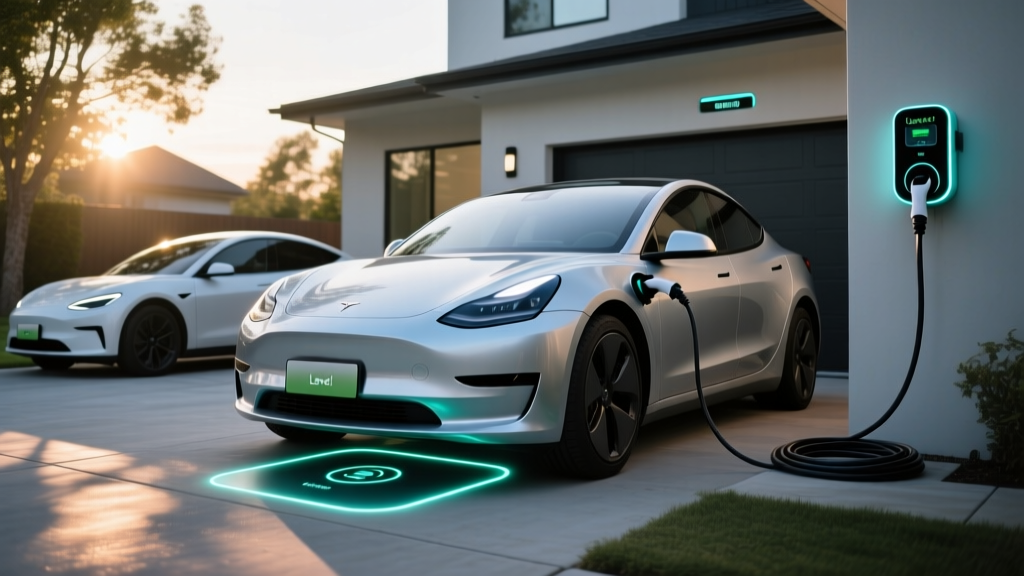
| Level 2 | 240V AC | 7.2–19.2 kW | 20–65 mi/hr | Home daily charging; workplace; destinations |
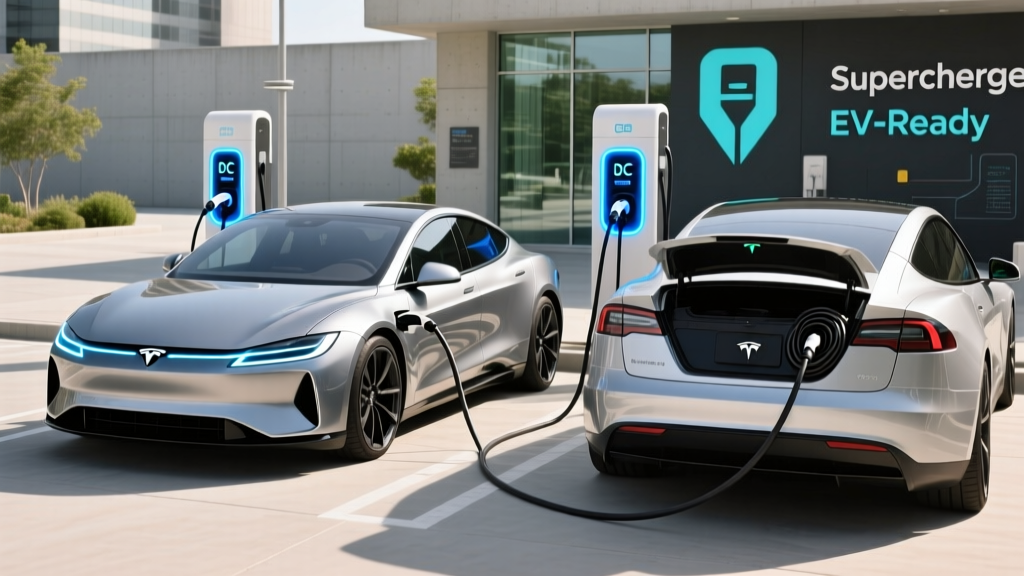
| DC Fast (Level 3) | 400–800V DC | 50–350+ kW | 150–1,200 mi/hr (peak) | Road trips; highway corridors; commercial fleets |
For most EV owners, a Level 2 home charger in the 7.7–11.5 kW range is the practical target. It fully replenishes a 60–80 kWh battery overnight (8–10 hours) while staying within the capacity of a standard 50-amp or 60-amp residential circuit.
Electrical Requirements for a Home EV Charger Installation
A Level 2 home charger requires a dedicated 240-volt circuit, the same voltage your electric dryer or oven uses. The amperage of that circuit determines your charging speed and equipment choice.
Circuit Sizing and the 80% Rule
National Electrical Code (NEC) requires that continuous loads — which EV charging is classified as — use no more than 80% of a circuit's rated capacity. This means:
- A 50-amp circuit supports a charger drawing up to 40 amps (9.6 kW)
- A 60-amp circuit supports a charger drawing up to 48 amps (11.5 kW)
- A 40-amp circuit supports a charger drawing up to 32 amps (7.7 kW)
If you buy a 48-amp charger, your electrician must install a 60-amp circuit with appropriately gauged wire (typically 6 AWG copper for runs under 100 feet, 4 AWG for longer runs). Undersizing the circuit is a fire hazard and a code violation.
When You Need a Panel Upgrade
Homes built before 2000 often have 100-amp or 150-amp main service panels. Adding a 60-amp EV circuit to an already-loaded 100-amp panel may exceed its capacity, especially if you run electric heat, an electric dryer, and an electric range simultaneously. Your electrician will perform a load calculation (NEC Article 220) to determine available headroom.
If your panel is at capacity, you face three options:
- Panel upgrade to 200 amps: $1,500–$3,500 depending on your utility, local labor rates, and whether the service drop from the utility pole needs replacement.
- Downsize the charger circuit: A 32-amp charger on a 40-amp circuit draws less, and may fit within existing panel capacity — at the cost of slower charging (~25 mi/hr vs ~37 mi/hr).
- Smart load management: Devices like the Emporia Smart Load Management Center or Tesla Wall Connector's built-in load-sharing can dynamically throttle charging when other major appliances are running, potentially avoiding a panel upgrade. These systems typically cost $200–$400 additional.
Permitting and Inspection
Virtually every jurisdiction in the U.S. requires an electrical permit for a new 240V circuit. Permit fees typically range from $50 to $200. The installation must pass inspection by your local Authority Having Jurisdiction (AHJ) — usually a city or county electrical inspector. Skipping the permit risks insurance denial if a fire occurs and may cause problems at home sale.
How Much Does It Cost to Install a Home EV Charger in 2026?
Installation cost depends heavily on your home's existing electrical infrastructure, the distance from your panel to the charging location, and local labor rates. Here's a realistic breakdown:
| Component | Simple Install (panel nearby, no upgrade) | Complex Install (long run or panel upgrade) |
|---|---|---|
| Level 2 charger hardware | $350–$650 | $350–$750 |
| Electrician labor (licensed) | $300–$800 | $800–$2,500 |
| Materials (wire, conduit, breaker) | $100–$300 | $300–$800 |
| Electrical permit | $50–$150 | $100–$200 |
| Panel upgrade (if needed) | $0 | $1,500–$3,500 |
| Total | $800–$1,900 | $3,050–$7,750 |
The median home Level 2 installation in 2026 lands between $1,200 and $2,000 for homes with adequate panel capacity and a garage or carport within 30 feet of the panel. Homes needing a 200-amp panel upgrade should budget $3,500–$5,000 total.
Federal Tax Credit: §30D Alternative Fuel Vehicle Refueling Property Credit
The IRS §30D refueling property credit covers 30% of the cost of home EV charging equipment and installation, up to $1,000, provided your home is in an eligible census tract (generally non-urban or low-income communities). This credit is non-refundable and applies to both the hardware and installation labor. Check the IRS eligibility tool and consult a tax professional — eligibility depends on your specific census tract and tax liability.
Connector Compatibility: NACS, CCS1, and CHAdeMO in 2026
The connector landscape has consolidated significantly since 2024, when Ford, GM, Rivian, and most major automakers adopted Tesla's North American Charging Standard (NACS) for new vehicles. Here's where each connector stands for the 2026 model year:
| Connector | Brands Using It (2026) | Notes |
|---|---|---|
| NACS (J3400) | Tesla, Ford, GM, Rivian, Volvo, Polestar, Mercedes-Benz, Nissan, Honda, Fisker, Lucid, BMW, Toyota (new EVs) | Now the dominant standard; smaller, lighter plug |
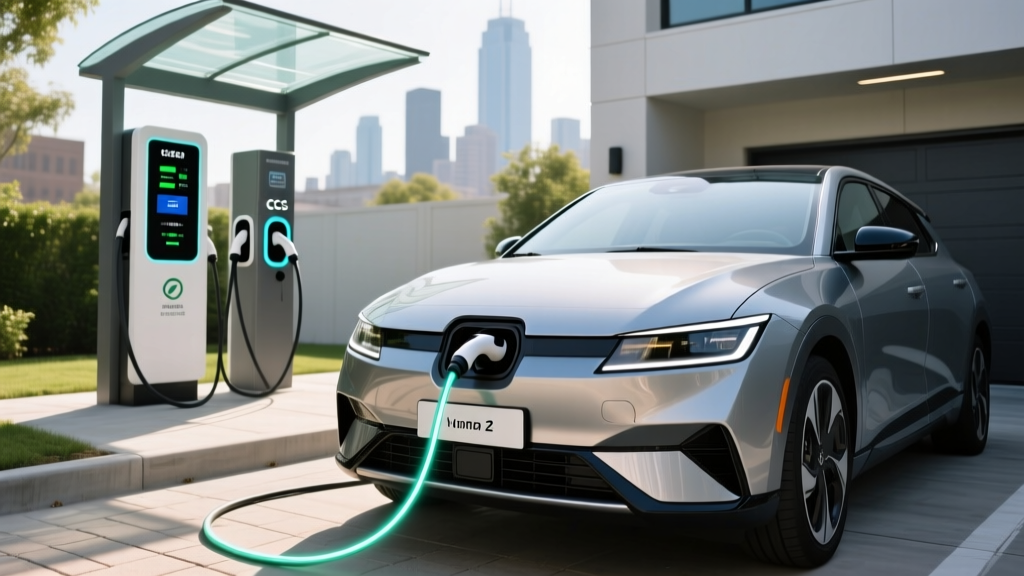
| CCS1 (Combo) | Hyundai, Kia, Volkswagen (ID.4 through current gen), Stellantis/Jeep, legacy models from Ford/GM pre-2025 | Still widely available at public chargers; adapters available for NACS vehicles |
| CHAdeMO | Nissan Leaf (legacy, discontinued in US after 2025), Mitsubishi Outlander PHEV (legacy) | Declining; few new vehicles use it |
For home Level 2 charging: Nearly all Level 2 chargers sold in 2026 ship with a NACS connector or include a CCS1-to-NACS adapter. If you own a CCS1-equipped EV (like a 2024 Hyundai Ioniq 5 or 2023 VW ID.4), you can either buy a CCS1-equipped Level 2 charger (Emporia, ChargePoint) or use a NACS charger with the adapter your vehicle manufacturer likely provides. The Alternative Fuels Data Center maintains a current connector-by-vehicle database.
Best Home EV Chargers for 2026: Equipment Recommendations
We evaluated chargers on power output, cable length, smart features, build quality, connector options, and price. These four represent the strongest options across budgets and use cases:
Tesla Wall Connector (Gen 4)
- Power output: Up to 48 amps / 11.5 kW (on a 60A circuit)
- Connector: NACS native; J1772 adapter included for non-Tesla EVs
- Cable length: 24 feet
- Smart features: Wi-Fi, OTA firmware updates, power-sharing between two units on one circuit, load management via Tesla Gateway, energy tracking in Tesla app
- Price: ~$475
- Best for: Tesla owners; NACS-adopted vehicles (Ford, GM, Rivian); multi-EV garages using power-sharing
Emporia Vue EV Charger
- Power output: Up to 48 amps / 11.5 kW (on a 60A circuit); configurable down to 16A for lower-capacity panels
- Connector: NACS or CCS1 options available
- Cable length: 24 feet
- Smart features: Wi-Fi, integration with Emporia Vue whole-home energy monitor, solar-aware charging (charge only from excess solar production), time-of-use scheduling, load management module available
- Price: ~$400 (charger only); ~$600 with Smart Load Management Center
- Best for: Homes with solar panels; owners wanting detailed energy data; budget-conscious buyers
ChargePoint Home Flex (Gen 2)
- Power output: Configurable 16–50 amps / 3.8–12 kW (on up to a 60A circuit)
- Connector: NACS or CCS1 (J1772 legacy still available)
- Cable length: 23 feet
- Smart features: Wi-Fi, ChargePoint app with session history, Alexa/Google Home integration, scheduled charging, works with utility demand-response programs
- Price: ~$550
- Best for: Utility program participants; owners wanting broad app ecosystem; CCS1 vehicles needing a native CCS charger
Grizzl-E Smart
- Power output: Up to 40 amps / 9.6 kW (on a 50A circuit)
- Connector: NACS or J1772
- Cable length: 24 feet
- Smart features: Wi-Fi, OCPP-compatible (works with utility programs), adjustable amperage via dip switches, extreme cold rating (-40°F)
- Price: ~$450
- Best for: Cold-climate installations; outdoor mounts; owners wanting a rugged, no-frills smart charger
All four chargers are UL-listed (or ETL-listed to UL standards), which is required for code compliance and insurance validity. Never install a non-listed charger — it will fail inspection and may void your homeowner's insurance in the event of an electrical fire.
Charging Cost Per Mile: Home vs. Public vs. Gas
The economic case for home charging rests on electricity rates that are dramatically lower than public DC fast charging and gasoline. Here's a real cost comparison using a midsize EV averaging 3.0 miles per kWh (roughly 112 MPGe — representative of a 2026 Tesla Model Y, Hyundai Ioniq 5, or Chevrolet Equinox EV):
| Charging Scenario | Rate | Cost Per kWh | Cost Per Mile (at 3 mi/kWh) | Annual Cost (12,000 mi) |
|---|---|---|---|---|
| Home Level 2 (national avg residential) | $0.16/kWh | $0.16 | $0.053 | $640 |
| Home Level 2 (off-peak TOU rate) | $0.08/kWh | $0.08 | $0.027 | $320 |
| Public Level 2 (network avg) | $0.25–$0.35/kWh | $0.30 | $0.10 | $1,200 |
| DC Fast Charging (network avg) | $0.35–$0.55/kWh | $0.45 | $0.15 | $1,800 |
| Gasoline (28 MPG avg, $3.40/gal) | $3.40/gal | n/a | $0.121 | $1,457 |
Home off-peak charging at a time-of-use (TOU) rate delivers fuel cost at roughly one-quarter the cost of gasoline and one-third the cost of public DC fast charging. This is where the long-term ownership savings of an EV materialize — but only if you charge at home. Exclusive reliance on public DC fast charging can actually cost more per mile than gasoline.
Contact your utility about EV-specific TOU plans. Many utilities in 2026 offer rates as low as $0.06–$0.10/kWh for overnight charging (typically 11 PM – 6 AM), which dramatically reduces operating cost.
Charging Time Examples: How Long Does It Really Take?
Charge time depends on battery size, starting state of charge, and charger power. Here are realistic 10–80% charge times for common 2026 EVs on Level 2 and DC fast charging:
| Vehicle | Battery (kWh usable) | Level 2 at 11.5 kW (48A) | Level 2 at 7.7 kW (32A) | DC Fast (peak rate) |
|---|---|---|---|---|
| Tesla Model Y Long Range | 75 kWh | ~4.5 hours | ~6.8 hours | ~22 min (250 kW peak) |
| Hyundai Ioniq 5 (Long Range) | 77.4 kWh | ~4.7 hours | ~7.0 hours | ~18 min (350 kW peak, 800V) |
| Chevrolet Equinox EV | 85 kWh | ~5.2 hours | ~7.7 hours | ~28 min (190 kW peak) |
| Ford F-150 Lightning (Extended) | 131 kWh | ~8.0 hours | ~11.9 hours | ~41 min (150 kW peak) |
| BMW i4 eDrive40 | 81.5 kWh | ~5.0 hours | ~7.4 hours | ~31 min (200 kW peak) |
The 10–80% metric matters because charging slows substantially above 80% state of charge due to the battery management system tapering current to protect cell health. Charging from 80–100% can take as long as 10–80%. For daily driving, charging to 80% is recommended for NMC battery chemistry; LFP batteries (found in standard-range Teslas and some Chinese-market vehicles) tolerate regular 100% charges better.
Safety, Code, and Installation Best Practices
EV charging is a sustained, high-current electrical load — the most demanding continuous draw in most homes. Cutting corners creates fire risk. Here's what a proper installation requires:
- Dedicated circuit: Your EV charger must have its own circuit with a dedicated breaker. Sharing a circuit with other outlets or appliances is a code violation and a safety hazard.
- GFCI protection: NEC 2023 and later require GFCI (Ground Fault Circuit Interrupter) protection for all 240V EV charging outlets. Hardwired chargers typically have built-in GFCI; if you install a NEMA 14-50 receptacle, your electrician must use a GFCI breaker (roughly $50–$80 more than a standard breaker).
- Outdoor rating: If your charger is mounted outside, both the charger and any conduit junction boxes must carry a NEMA 4 (watertight) rating. All four chargers recommended above are rated for outdoor installation.
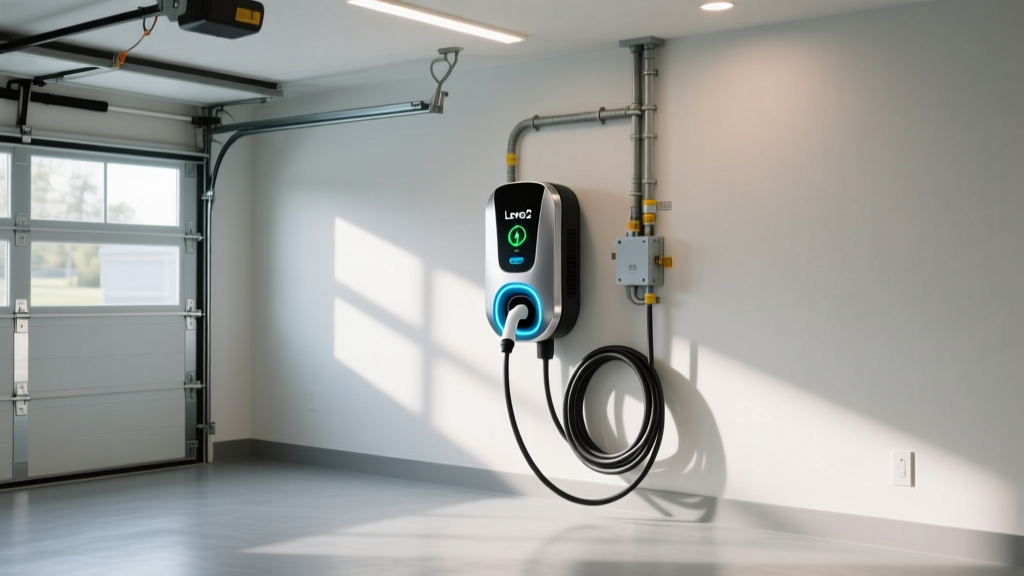
- NEMA 14-50 receptacle vs. hardwired: A 14-50 outlet gives you flexibility to unplug and take the charger when you move. Hardwiring eliminates the receptacle as a failure point and is often required for 60-amp circuits (14-50 receptacles are rated for 50 amps maximum). Many electricians recommend hardwiring for 48-amp chargers.
- Wire gauge: For a 60-amp circuit, 6 AWG copper wire is standard for runs up to 100 feet; 4 AWG for longer runs to prevent voltage drop. Aluminum wire is cheaper but requires larger gauge and proper termination — ensure your electrician uses rated connectors.
- Cable management: Use a wall-mounted cable holster or retraction system to keep the charging cable off the ground, prevent tripping, and protect the connector from damage.
Frequently Asked Questions
How much does it cost to install a home EV charger?
A straightforward Level 2 installation (adequate panel capacity, short wire run, no permit complications) costs $800–$1,900 including equipment, electrician labor, materials, and permit. Complex installations requiring a panel upgrade or long conduit runs can reach $3,000–$7,750. The 30% federal refueling property credit (up to $1,000) can reduce out-of-pocket cost if your census tract qualifies.
How fast will each charging level add range?
Level 1 (120V) adds 3–5 miles of range per hour — adequate for plug-in hybrids with small batteries but impractical for full EVs. Level 2 at 11.5 kW (48 amps, 240V) adds 30–45 miles per hour depending on vehicle efficiency. DC fast charging adds 150–1,200 miles per hour at peak rate, but the rate tapers significantly above 50–60% state of charge.
Which connector/charger is compatible with my EV?
For 2026 model-year vehicles: Tesla, Ford, GM, Rivian, Volvo, Polestar, Nissan (new Ariya refresh), Honda, BMW, and Toyota EVs use NACS. Hyundai, Kia, and most pre-2025 legacy EVs use CCS1. Check your vehicle's charge port or the manufacturer's spec page. Most Level 2 chargers now ship in NACS or CCS1 variants, and manufacturer-approved adapters bridge the gap.
How much does charging cost per mile vs gas?
At the national average residential electricity rate of $0.16/kWh and an EV efficiency of 3 miles/kWh, home charging costs roughly $0.053 per mile. Off-peak TOU rates can drop this to $0.027/mile. A comparable gas vehicle at 28 MPG and $3.40/gallon costs $0.121/mile. Home charging is 55–78% cheaper per mile than gasoline.
What electrical upgrades might I need?
The most common upgrade is a panel upgrade from 100–150 amps to 200 amps ($1,500–$3,500), required when your existing panel lacks headroom for a new 50–60 amp circuit. Older homes may also need a service drop replacement (the wire from the utility pole to your meter), which the utility may cover or split with you. A licensed electrician's load calculation will determine if an upgrade is necessary before you buy equipment.
Can I install a home EV charger myself?
Technically, a homeowner can pull their own electrical permit in many jurisdictions. Practically, a 240V/60A circuit with proper wire sizing, conduit bending, breaker installation, and GFCI compliance is advanced electrical work. Errors create fire and electrocution risk, and a failed inspection means rework. We strongly recommend hiring a licensed electrician — most Level 2 installations take 2–4 hours of labor.
Should I get a NEMA 14-50 outlet or hardwire my charger?
A NEMA 14-50 outlet is limited to 50 amps (40 amps continuous, 9.6 kW) and offers portability. Hardwiring supports up to 60 amps (48 amps continuous, 11.5 kW), eliminates the receptacle as a potential failure point from heat cycling, and is often required by code for 60-amp circuits. If you plan to stay in your home and want maximum charging speed, hardwire. If you may move and want to take the charger, use a 14-50.