What Does 'ICE Charging' Mean — and How Does It Compare to EV Charging?
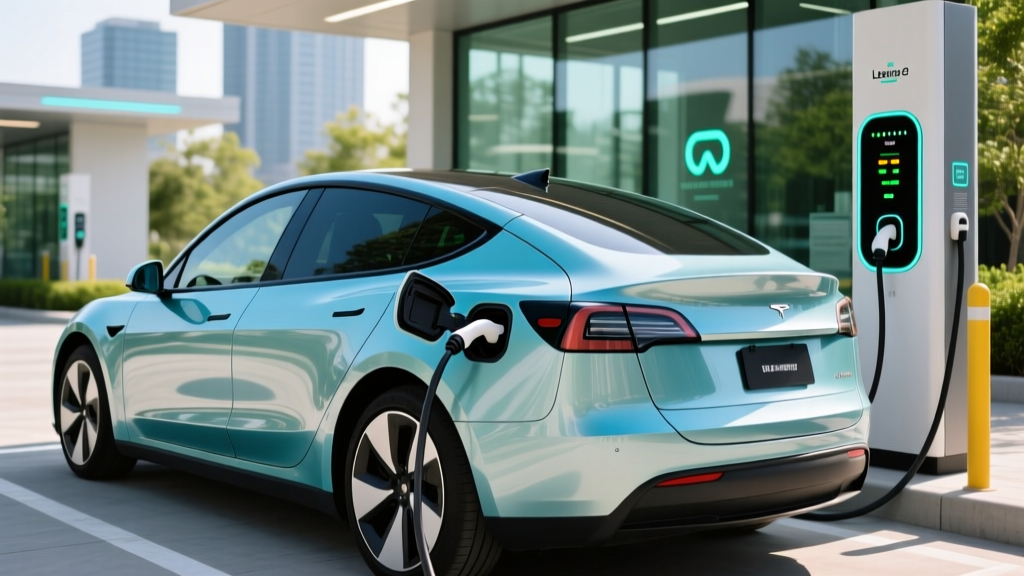
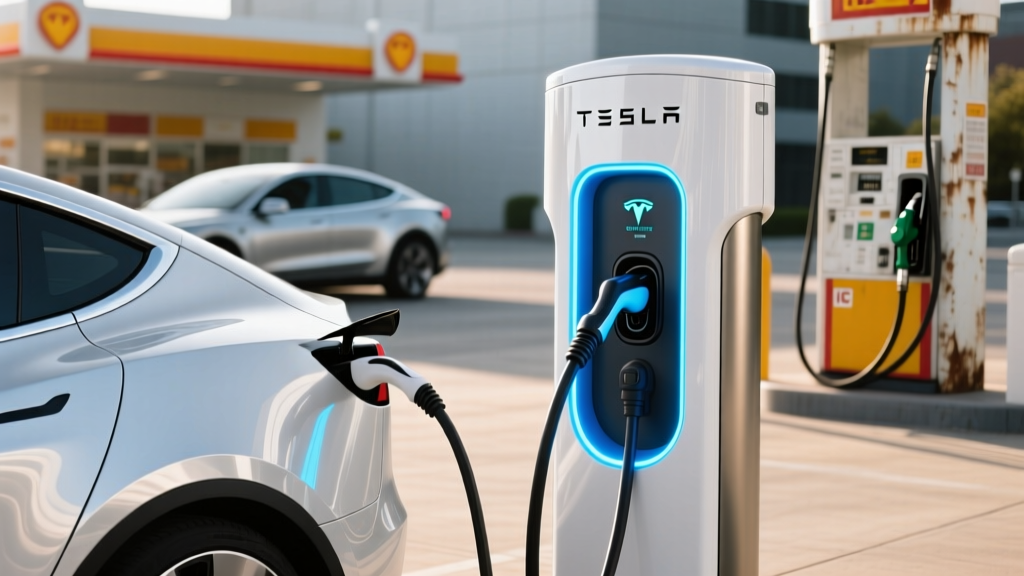
When EV owners and shoppers search for ICE charging, they're usually comparing the refueling experience of an internal combustion engine (ICE) vehicle to plugging in an electric car. The comparison is fair: gas stations have a century-long head start on convenience, while EV charging infrastructure is still maturing in 2026. But the economics, speeds, and logistics differ in ways that matter for your wallet and daily routine.
This guide breaks down every layer of the ICE-vs-EV refueling equation — from the kilowatt (kW) speeds of each charging level to the real cost per mile, home installation requirements, and the connectors you'll encounter on the road.
Charging Levels Explained: Speeds in kW and Miles Per Hour
EV charging falls into three tiers. Each delivers energy at a different rate, and understanding the miles-per-hour figure is how you'll plan road trips and daily top-ups.
| Level | Voltage | Power (kW) | Miles of Range / Hour | Typical Use Case |
|---|---|---|---|---|
| Level 1 | 120V AC | 1.0–1.4 kW | 3–5 mi/hr | Overnight top-up, PHEVs, emergencies |
| Level 2 | 240V AC | 7.2–19.2 kW | 20–60 mi/hr | Daily home/work charging |
| DC Fast Charge | 400–800V DC | 50–350 kW | 150–1,000+ mi/hr | Road trips, quick public stops |
Real-world charging time examples (10–80% SoC):
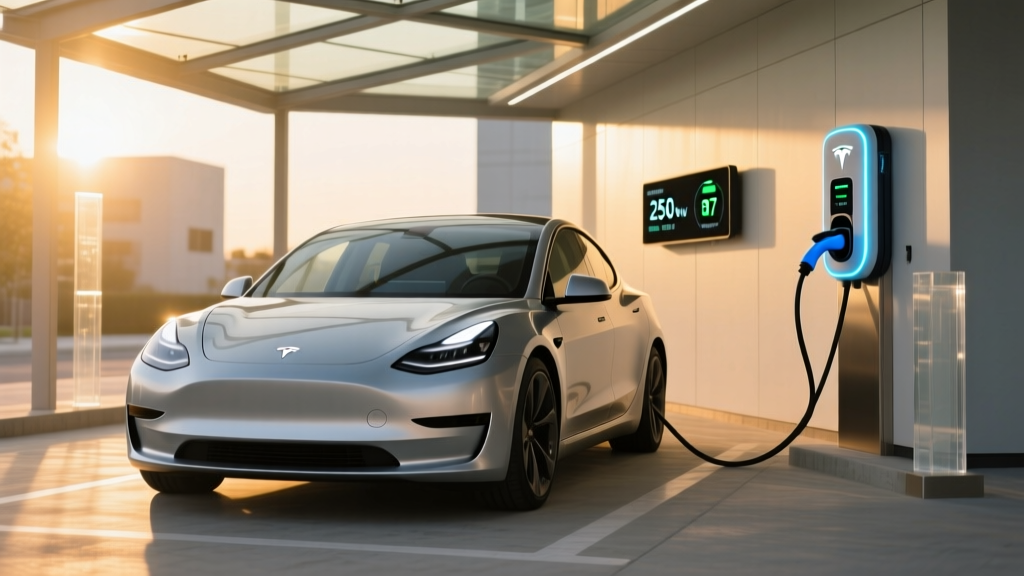
- Tesla Model Y (75 kWh battery, NMC): ~20 min on a 250 kW Supercharger; ~7.5 hours on an 11.5 kW Level 2 home charger.
- Hyundai Ioniq 5 (77.4 kWh battery, NMC, 800V architecture): ~18 min on a 350 kW Electrify America station; ~8 hours on a 9.6 kW Level 2.
- Ford F-150 Lightning Extended Range (131 kWh battery, NMC): ~41 min on a 150 kW DC charger; ~13 hours on a 9.6 kW Level 2.
How Much Does It Cost to Install a Home EV Charger?
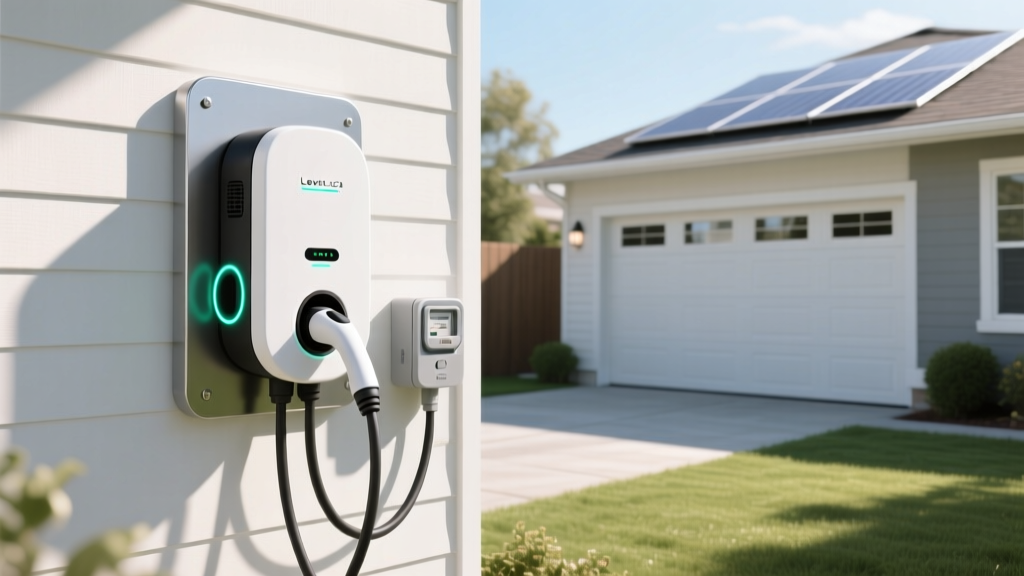
Home Level 2 charging is where most EV owners do 80–90% of their charging. But the upfront cost varies wildly depending on your home's electrical panel, the distance from panel to charger location, and local permit fees.
| Cost Component | Low Estimate | High Estimate | Notes |
|---|---|---|---|
| Level 2 Charger (Equipment) | $350 | $750 | 32A–48A smart chargers (hardwired or NEMA 14-50 plug) |
| Electrician Labor | $500 | $2,000 | Depends on run length, wall type, conduit needs |
| Electrical Permit | $50 | $300 | Varies by municipality; some jurisdictions waive for EV |
| Panel Upgrade (if needed) | $1,500 | $4,000 | Required if panel is 100A or near capacity; 200A service is standard for EV-ready homes |
| Total (no panel upgrade) | $900 | $3,050 | Most homes with 200A panels fall here |
| Total (with panel upgrade) | $2,400 | $7,050 | Older homes with 100A or maxed-out panels |
Electrical Requirements for a Level 2 Home Charger
A typical Level 2 charger runs on a 240V dedicated circuit. Here's what your electrician will spec:
- 40-amp charger: Requires a 50-amp breaker (NEC 80% continuous-load rule means a 40A charger needs a circuit rated 25% higher).
- 48-amp charger: Requires a 60-amp breaker and hardwired connection (NEMA 14-50 plugs are rated to 50A max).
- Wire gauge: 6 AWG copper for 50A circuits; 4 AWG for 60A, depending on run length.
- GFCI protection: Required for outdoor receptacles per NEC 2023/2026 code; hardwired units have built-in ground-fault protection.
- Outdoor rating: If mounting outside, the charger must carry a NEMA 4 (weatherproof) rating. Most major brands (ChargePoint, Wallbox, Emporia) meet this standard.
✅ Yes, likely — if your home has a 100-amp main panel, or your existing loads (electric range, dryer, HVAC, water heater) already consume 80%+ of panel capacity.
❌ Probably not — if you have a 200-amp panel with headroom, or if you install a lower-amperage (32A / 7.7 kW) charger that draws less circuit capacity.
Always have a licensed electrician perform a load calculation before committing to a charger amperage.
Connector Compatibility: NACS, CCS1, CHAdeMO, and Adapters
The connector landscape in North America has consolidated significantly by 2026, but legacy standards still exist. Here's what fits what:
| Connector | Brands Using It (2026) | DC Fast Charge? | Adapter Available? |
|---|---|---|---|
| NACS (Tesla / SAE J3400) | Tesla, Ford, GM, Rivian, Volvo, Polestar, Hyundai/Kia (new models) | Yes (up to 350 kW) | CCS→NACS adapters from Tesla, Lectron, A2Z (~$200–$250) |
| CCS1 (Combined Charging System) | VW, BMW, Mercedes, Stellantis, older Hyundai/Kia, older Ford/GM | Yes (up to 350 kW) | NACS→CCS adapters for Tesla Supercharger access |
| CHAdeMO | Nissan Leaf (discontinued), Mitsubishi Outlander PHEV (legacy) | Yes (up to 100 kW) | Limited; CHAdeMO infrastructure declining |
Key 2026 update: The Tesla Supercharger network — now the largest DC fast-charging network in North America with over 30,000 stalls — is open to NACS-equipped non-Tesla EVs. Ford, GM, Rivian, and Volvo owners with native NACS ports can plug in directly. CCS-equipped vehicles need a Tesla-approved NACS adapter to access Superchargers.
Cost Per Mile: EV Charging vs ICE Refueling
This is where the ICE charging comparison tilts decisively in the EV's favor — if you charge at home. Public DC fast charging narrows the gap considerably.
| Scenario | Rate | Vehicle Efficiency | Cost Per Mile |
|---|---|---|---|
| Home Level 2 (off-peak utility rate) | $0.09/kWh | 3.5 mi/kWh (typical EV) | $0.026/mi |
| Home Level 2 (national avg residential) | $0.17/kWh | 3.5 mi/kWh | $0.049/mi |
| Public Level 2 (network pricing) | $0.25–$0.39/kWh | 3.5 mi/kWh | $0.071–$0.111/mi |
| DC Fast Charge (Electrify America, EVgo, etc.) | $0.35–$0.55/kWh | 3.2 mi/kWh (highway) | $0.109–$0.172/mi |
| ICE Gas Vehicle (28 MPG combined) | $3.40/gal (2026 avg) | 28 MPG | $0.121/mi |
| ICE Gas Vehicle (truck, 19 MPG) | $3.40/gal | 19 MPG | $0.179/mi |
The takeaway: Home-charged EVs cost roughly one-fifth to one-third per mile compared to a gasoline car. But frequent exclusive reliance on DC fast charging can push EV fuel costs to near-parity with efficient ICE vehicles. The economics only fully work if you have reliable access to home or workplace Level 2 charging.
For detailed efficiency data on specific models, the EPA's fueleconomy.gov database lists MPGe and kWh/100mi figures for every EPA-certified EV sold in the US.
Best Home EV Chargers for 2026: Equipment Picks
We evaluated chargers based on power output, connector type, cable length, smart features (Wi-Fi, scheduling, energy tracking), build quality, and price. All recommendations below support NACS or CCS1 connectors and carry UL certification.
ChargePoint Home Flex (NACS or CCS1)
- Power: Up to 12 kW (50A) — adjustable down to 16A for lower-capacity panels
- Cable: 23 feet
- Smart features: Wi-Fi, app scheduling, Alexa integration, energy dashboard, utility demand-response compatible
- Installation: Hardwired or NEMA 14-50 plug
- Price: ~$549 (NACS), ~$599 (CCS1)
- Best for: Most homeowners wanting flexible amperage and strong app features
Emporia Level 2 EV Charger (NACS or J1772)
- Power: Up to 11.5 kW (48A)
- Cable: 24 feet
- Smart features: Wi-Fi, real-time energy monitoring, solar-integration mode (pairs with Emporia Vue home energy monitor), time-of-use scheduling
- Installation: Hardwired or NEMA 14-50
- Price: ~$399
- Best for: Budget-conscious buyers who want energy monitoring and solar pairing
Wallbox Pulsar Plus (J1772/NACS)
- Power: Up to 11.5 kW (48A)
- Cable: 25 feet
- Smart features: Wi-Fi + Bluetooth, Power Sharing (daisy-chain two units on one circuit), app control
- Installation: Hardwired only
- Price: ~$599
- Best for: Two-EV households needing dual chargers on a shared circuit
Tesla Wall Connector (NACS native)
- Power: Up to 11.5 kW (48A) on 60A circuit
- Cable: 24 feet
- Smart features: Wi-Fi, OTA updates, Power Sharing, integrated Tesla vehicle communication
- Installation: Hardwired only
- Price: ~$450
- Best for: Tesla owners (Model 3, Model Y, Cybertruck) — lowest cost per kW among premium chargers
Safety, Code, and Permit Considerations
EV charger installation is electrical work that must comply with the National Electrical Code (NEC) and your local jurisdiction's amendments. Key requirements:
- Dedicated circuit: Your EV charger must have its own breaker — it cannot share a circuit with other appliances.
- GFCI protection: NEC 2023 and 2026 editions require ground-fault circuit-interrupter protection for all outdoor receptacles. Hardwired chargers have internal GFCI, but plug-in units on outdoor NEMA 14-50 outlets need a GFCI breaker (adds ~$50–$80 to the panel).
- Permit and inspection: Most municipalities require a permit ($50–$300) and a post-installation inspection. Skipping this can void your homeowner's insurance coverage for electrical fires and may flag during a future home sale.
- Utility rebates: Many utilities offer $250–$1,000 rebates for Level 2 charger installation, sometimes requiring a dedicated meter or time-of-use rate enrollment. Check your utility's EV program before installing.
For federal incentive information, the IRS §30D clean vehicle credit applies to vehicle purchases, while the §30C alternative fuel vehicle refueling property credit covers up to 30% of home charger equipment and installation costs (capped at $1,000) — but only in eligible census tracts. Consult a tax professional for eligibility.
Frequently Asked Questions
How much does it cost to install a home EV charger?
Expect $900–$3,050 for a standard Level 2 installation (equipment + electrician + permit) if your home has a 200-amp electrical panel with available capacity. If a panel upgrade to 200A service is needed, add $1,500–$4,000, bringing the total to $2,400–$7,050. The wide range reflects variables like wire-run distance, wall material, and local permit costs.
How fast will each charging level add range?
Level 1 (120V) adds 3–5 miles per hour — adequate only for plug-in hybrids or very low daily mileage. Level 2 (240V) adds 20–60 miles per hour depending on amperage (7.7 kW to 19.2 kW). DC fast charging adds 150–1,000+ miles per hour at peak, but real-world sessions taper — a 10–80% charge typically takes 18–45 minutes depending on the vehicle's battery architecture and the charger's power output.
Which connector and charger is compatible with my EV?
As of 2026, most new EVs sold in North America use the NACS (Tesla-style) connector, including Ford, GM, Rivian, Volvo, and newer Hyundai/Kia models. Vehicles from VW, BMW, Mercedes, and older Hyundai/Kia and Ford/GM models use CCS1. CHAdeMO is effectively legacy (Nissan Leaf, Mitsubishi). Check your vehicle's charge port before buying a home charger — most charger manufacturers now sell both NACS and CCS1/J1772 variants. Adapters are available (~$200–$250) for cross-compatibility.
How much does EV charging cost per mile vs gas?
Home charging at the national average residential rate ($0.17/kWh) costs roughly $0.049/mile for a typical EV achieving 3.5 miles per kWh. An average ICE vehicle at 28 MPG with gas at $3.40/gal costs $0.121/mile. That's a 60% per-mile savings for the EV. However, DC fast charging at $0.45/kWh pushes EV cost to ~$0.14/mile — above the ICE average — which is why home charging access is critical to EV economics.
What electrical upgrades might I need for a home charger?
The most common upgrade is a panel capacity increase from 100A to 200A service, needed in older homes that lack headroom for a 40–60A dedicated EV circuit. Other potential upgrades include: replacing a Federal Pacific or Zinsco panel (known safety hazards, ~$2,000–$3,500 to replace), adding a sub-panel if the charger is far from the main panel (detached garage), or upgrading the utility service drop if your home's total capacity is insufficient. A licensed electrician's load calculation is the only way to know for certain.
Is ICE charging (refueling) still faster than EV charging?
For a single stop, yes. Filling a 15-gallon gas tank takes about 3 minutes and adds ~350–420 miles of range. The fastest DC EV chargers (350 kW) add roughly 200 miles in 15–18 minutes for compatible vehicles. But most EV charging happens at home while you sleep — effectively zero active time — which reframes the comparison. The question isn't "which is faster at a station" but "which requires less of your active time." For EV owners with home charging, the answer is electric.