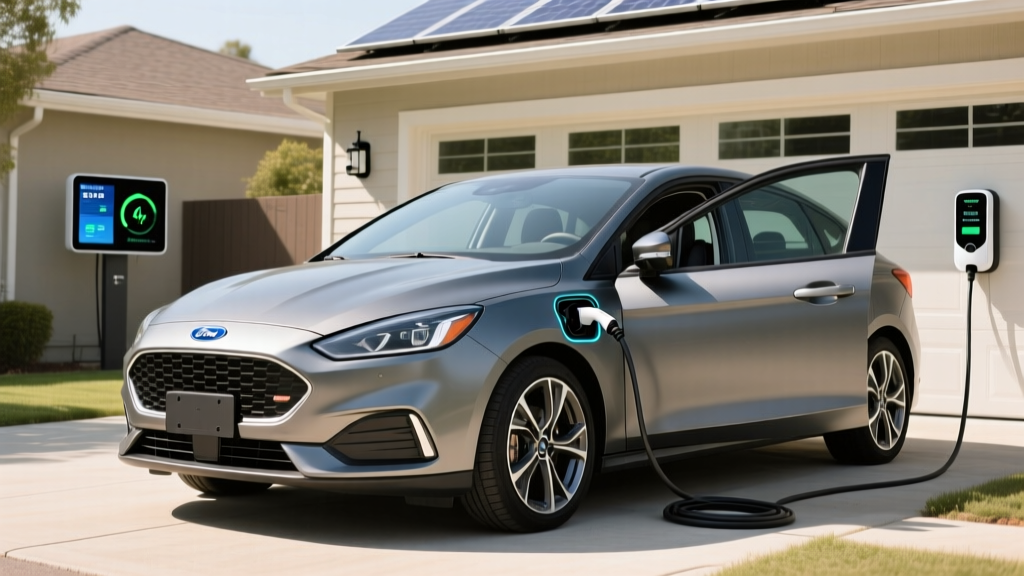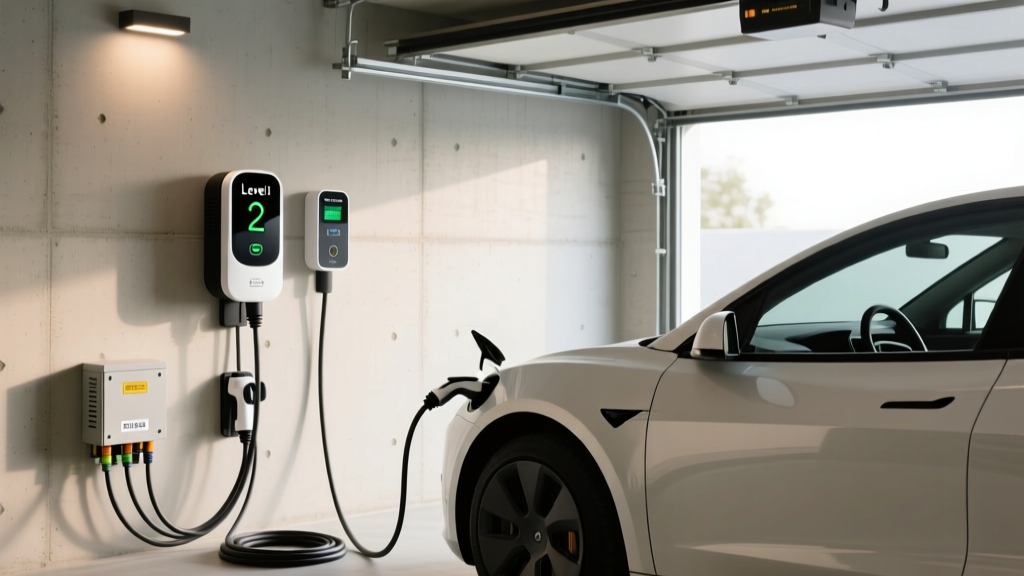
Transitioning to an electric vehicle (EV) is one of the most effective ways to reduce your carbon footprint and save money on running costs. However, the true convenience of EV ownership relies heavily on having a dedicated home charging point. For many UK drivers, the biggest hurdle is understanding the installation process and navigating the costs. A common search query among new EV owners is how to find a 'free' installation or heavily subsidised setup. While a completely free installation for a standard homeowner is rare, there are numerous government grants, manufacturer schemes, and leasing bundles that can reduce your out-of-pocket expenses to zero.
Difficulty Level: Professional Required (DIY is legally restricted in the UK)
Estimated Cost: £0 (via grants/bundles) to £1,200 (standard professional installation)
Time Required: 1 to 2 days (including survey and DNO approval)
In this comprehensive guide, we will break down the legal requirements, the step-by-step installation process, and the exact schemes you can use to get your home EV charger installed for free or at a massive discount. For a look at the top-rated hardware on the market, check out our guide to the best home EV chargers in the UK.
Understanding 'Free' EV Charger Installation Schemes in the UK
When drivers search for a free EV charger installation, they are usually looking for ways to offset the £800 to £1,200 standard cost of supply and fit. In the UK, the government and private sector offer several avenues to achieve this, though eligibility depends heavily on your housing situation and how you acquired your vehicle.
The EV Chargepoint Grant (OZEV)
The Office for Zero Emission Vehicles (OZEV) currently offers the EV Chargepoint Grant. Unlike previous schemes that were available to all homeowners, this grant is specifically targeted at renters, flat owners, and landlords. If you live in a flat or rent your property, you can claim up to £350 or 75% of the total cost (whichever is lower) towards the purchase and installation of a smart charging point. Landlords can also claim this grant for multiple properties, making it an excellent incentive to provide charging infrastructure for tenants.
Manufacturer & Leasing Bundles
The most common way UK drivers get a 'free' home charger is through manufacturer promotions or leasing agreements. Many automotive brands partner with energy companies or charging networks to include a complimentary smart charger and standard installation when you purchase or lease a new EV. For example, some leasing deals include an Ohme or Wallbox unit as part of the monthly package. Always read the terms & conditions, as 'free' installations usually assume a standard setup (e.g., a short cable run from the consumer unit to an external wall). If your home requires extensive trenching or a main fuse upgrade, you may still incur supplementary costs.
Local Council & On-Street Schemes
If you do not have off-street parking, you cannot legally install a private charger on the public pavement. However, many local councils are utilising government funding to install on-street residential charging points. While not installed 'at home' in the traditional sense, these kerbside chargers are often heavily subsidised, and some councils offer discounted charging tariffs for local residents. Check our comprehensive guide to UK EV grants for the latest local authority initiatives.
Legal Requirements & Prerequisites for UK Homes
Before booking an installation, your property must meet specific legal and technical prerequisites. The UK has some of the strictest electrical safety regulations in the world, governed by Part P of the Building Regulations and the IET Wiring Regulations (BS 7671).
Off-Street Parking
To install a private home charger, you must have dedicated off-street parking, such as a driveway or a private garage. It is illegal to run a charging cable across a public footpath or pavement, as this poses a severe trip hazard and violates local highway laws.
Consumer Unit Capacity
An EV charger requires a dedicated circuit, typically rated at 32A (delivering up to 7.4kW on a single-phase supply). Your home's main consumer unit (fuse box) must have enough physical space for a new dedicated RCBO (Residual Current Breaker with Overcurrent protection) and sufficient spare capacity to handle the additional electrical load without overloading the main switch.
DNO Notification & Approval
Your local Distribution Network Operator (DNO) manages the electrical grid connecting to your home. By law, the DNO must be notified of any EV charger installation. If your home has a modern 100A main fuse, the installer can usually fit a CT (Current Transformer) clamp to monitor your home's total energy usage and dynamically limit the charger's output to prevent blowing the main fuse. If your home has an older 60A or 80A fuse, the DNO may require a main fuse upgrade before or immediately after installation. Learn more about dynamic load balancing in our Ohme Home Pro review.
Step-by-Step Installation Process
While you cannot legally perform the electrical work yourself, understanding the process will help you prepare your property and communicate effectively with your installer.
Step 1: The Home Survey
Most reputable installers require a virtual or physical site survey. You will be asked to submit photos of your consumer unit, the main incoming fuse, the proposed charger location, and the route the cable will take. The installer will also check your Wi-Fi signal strength at the charge point location, as smart chargers require an internet connection to comply with UK smart charging regulations.
Step 2: Cable Routing & First Fix
On installation day, the electrician will plan the safest and most aesthetically pleasing route for the cabling. Best practice dictates using Steel Wire Armoured (SWA) cable for external runs. If the cable must be run internally through walls or under floorboards, the installer will ensure it is properly protected and routed away from water and gas pipes.
Step 3: Mounting & Terminations
The charger unit is securely mounted to the external brickwork or garage wall. The installer will then connect the dedicated circuit at the consumer unit, ensuring all terminations are torqued to the manufacturer's exact specifications to prevent loose connections, which are a leading cause of electrical fires.
Step 4: Earthing & Open PEN Protection
UK electrical supplies often use a PME (Protective Multiple Earthing) system. If a fault occurs on the external grid, the earth wire could become live, making the EV chassis dangerous to touch. To prevent this, modern chargers feature built-in Open PEN fault detection. If your chosen charger lacks this, the installer must physically drive a copper earth rod into the ground outside your home, a process that adds time and cost to the installation.
Step 5: Testing & Commissioning
Once wired, the installer will perform rigorous testing in accordance with BS 7671. This includes Earth Loop Impedance testing, RCD trip-time testing, and simulating an Open PEN fault to ensure the charger safely isolates the power. Finally, the charger is paired with your smartphone app and configured for your specific energy tariff.
DIY vs. Professional Installation: Why You Must Hire a Pro
In the UK, installing an EV charger is classified as 'notifiable work' under Part P of the Building Regulations. This means it is legally restricted to qualified, registered electricians. Attempting a DIY installation is not only illegal but incredibly dangerous.
The Risks of DIY Installation
- Fire Hazard: EV chargers draw a continuous, high-amperage load for hours at a time. Standard household sockets and ring mains are not designed for this sustained draw and will overheat, potentially causing a house fire.
- Insurance Invalidation: If an electrical fire occurs and the insurance investigator discovers an uncertified DIY EV charger installation, your home insurance policy will almost certainly be voided.
- Voided Warranties: Hardware manufacturers will immediately void the warranty of any charger not installed by an OZEV-approved, certified electrician.
The Benefits of OZEV-Approved Installers
Hiring an OZEV-approved installer ensures the work is certified, registered with building control, and compliant with the IET Wiring Regulations. Furthermore, only certified installers can legally process government grant applications on your behalf and register the device with your local DNO. For a highly rated, installer-friendly unit, read our Zappi V2 review.
Cost Breakdown: Where Does the Money Go?
If you do not qualify for a grant or a manufacturer bundle, a standard UK installation typically costs between £800 and £1,200. Here is how that cost is broken down:
- The Charger Unit (£300 - £600): Basic tethered units are cheaper, while premium smart chargers with solar integration (like the Zappi) or advanced app controls cost more.
- Labour & Materials (£300 - £500): This covers the electrician's time, SWA cabling, trunking, clips, and the dedicated RCBO breaker for your consumer unit.
- DNO Fuse Upgrade (£0 - £500+): If your home has an outdated 60A main fuse, the DNO may charge to upgrade it to 100A. Some DNOs do this for free, while others charge a fee.
- Earth Rod Installation (£100 - £150): Required only if your charger lacks internal Open PEN fault protection and your supply is PME.
Remember that investing in a smart charger allows you to utilise off-peak EV energy tariffs, which can save you hundreds of pounds annually, effectively paying for the installation cost over time.
Safety Tips & Best Practices
Once your charger is installed, maintaining a safe charging environment is paramount. The Energy Saving Trust recommends several best practices for home EV charging to ensure longevity and safety.
- Cable Management: Never leave charging cables trailing across walkways or driveways where they can be driven over or cause trip hazards. Use the built-in cable tidies or install a dedicated holster.
- Weatherproofing: Ensure your charger maintains its IP (Ingress Protection) rating. Do not pressure wash the unit, and regularly check the rubber seals on the charging plug for debris or moisture.
- Smart Charging Schedules: Always configure your charger to charge during off-peak hours (typically overnight). This prevents local grid overload and drastically reduces your electricity bill.
- Visual Inspections: Periodically inspect the SWA cable and the consumer unit for any signs of scorching, buzzing, or loose fittings. If you notice a burning smell, isolate the circuit immediately and call an electrician.
Troubleshooting Common Installation Issues
Even with a professional installation, you may encounter minor teething issues. Here is how to troubleshoot the most common post-installation problems.
The Charger Keeps Disconnecting from Wi-Fi
Smart chargers require a stable internet connection to receive off-peak scheduling commands. If your router is on the opposite side of the house from the charger, the signal may drop through thick exterior walls. Solution: Use a Wi-Fi extender, a powerline adapter, or switch to a charger that utilises an embedded 4G SIM card for connectivity.
Charging Speed is Slower Than Expected
If you have a 7.4kW charger but your car is only pulling 3kW, your home's dynamic load balancing (CT clamp) may be restricting the power. This happens if you are simultaneously running high-draw appliances like electric ovens or showers. Solution: Schedule your EV charging for late at night when the rest of the house's electrical demand is minimal.
The Main RCD Keeps Tripping
If plugging in your EV trips the main power to your house, you likely have an earth leakage issue or an incompatible RCD. EVs require Type A or Type B RCBOs to handle the specific DC fault currents they can produce. Solution: Contact your installer immediately. They may need to upgrade your consumer unit's protection module to an EV-specific RCBO.
Frequently Asked Questions (FAQ)
Can I legally install my own EV charger in the UK?
No. Under Part P of the Building Regulations and BS 7671, EV charger installations are classified as notifiable electrical work. They must be carried out or certified by a qualified, registered electrician. DIY installations are illegal, highly dangerous, and will invalidate your home insurance and hardware warranty.
Do I need permission from my landlord to install a charger?
Yes. If you rent your property, you must obtain written permission from your landlord before installing a charge point. However, landlords can claim the OZEV EV Chargepoint Grant to cover up to 75% of the installation cost, making it an attractive upgrade for their property.
Will an EV charger blow my main home fuse?
Not if installed correctly. A certified installer will either apply for a DNO fuse upgrade (e.g., from 60A to 100A) or install a CT clamp for dynamic load balancing. The CT clamp monitors your home's total electricity usage in real-time and automatically throttles the charger's power draw to ensure the main fuse is never overwhelmed.
How long does a standard home installation take?
The physical installation on the day typically takes between 4 to 8 hours, depending on the complexity of the cable routing and whether an earth rod needs to be driven. However, the entire process—from the initial survey to DNO approval and final commissioning—can take anywhere from one to three weeks.
Are there really completely free EV chargers available?
Completely free chargers for standard homeowners with driveways are rare unless bundled into a new car lease or purchase agreement as a promotional incentive. However, renters and flat owners can utilise the EV Chargepoint Grant to heavily subsidise the cost, and some energy providers offer 'free' hardware if you sign up for a long-term smart charging tariff contract.