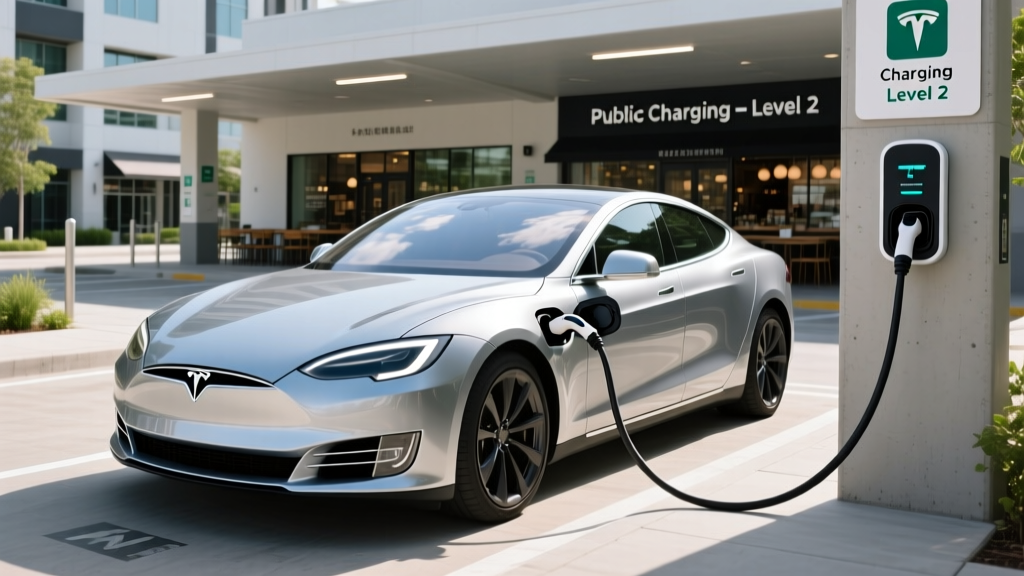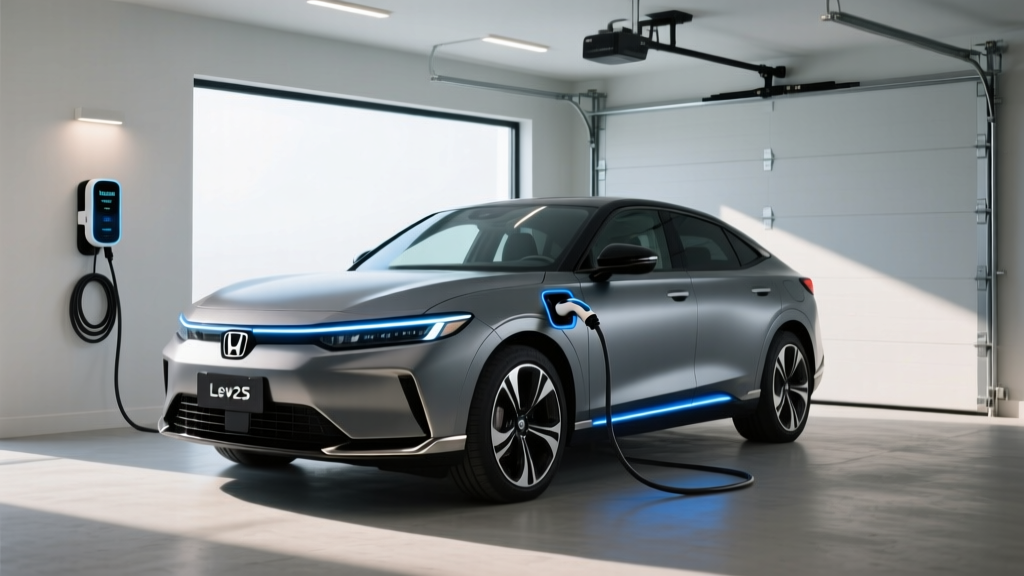
The 2025 Honda Prologue represents Honda's first serious entry into the mass-market EV space, built on General Motors' Ultium platform. For new owners and prospective buyers, understanding how to charge this SUV efficiently is critical to maximizing its utility and preserving long-term battery health. While the EPA estimates are a great starting point, real-world charging logistics—specifically home electrical infrastructure and connector compatibility—dictate the actual ownership experience.
Honda Prologue 2025 Range and Efficiency Baseline
Before plugging in, you need to know the energy capacity you are working with. The Prologue features an 85 kWh usable battery pack (NMC chemistry). According to fueleconomy.gov, the range varies significantly by drivetrain:
- FWD Trims: EPA-estimated 296 miles.
- AWD Trims: EPA-estimated 273–281 miles.
Charging Speeds: From Level 1 to DC Fast Charging
To maintain the Prologue’s battery health and meet your daily needs, you must understand the difference between power (kW) and energy (kWh). The Prologue's 85 kWh battery is the "tank size," while the charger's kW rating is the "hose diameter."
| Level | Power (kW) | Voltage | Miles Added/Hour | Best Use Case |
|---|---|---|---|---|
| Level 1 | 1.2–1.9 kW | 120V | 3–5 miles | Emergency/Overnight top-ups |
| Level 2 | 7.7–19.2 kW | 240V | 25–60 miles | Daily home/workplace charging |
| DC Fast | Up to 150+ kW | 400V+ | ~500+ miles/hour | Road trips and rapid needs |
Home Charger Installation and Electrical Requirements
The Prologue's onboard charger can accept up to 11.5 kW on Level 2. To achieve this, you need a 240V circuit rated for at least 60 amps (to support a 48-amp continuous charger). Many older homes only have 100-amp electrical panels, which may not support an additional 60-amp load.
How much does it cost to install a home EV charger?
Costs vary wildly based on your panel's proximity to the garage and whether an upgrade is needed. Below is a typical breakdown for a professional installation:
| Item | Estimated Cost | Notes |
|---|---|---|
| Level 2 Equipment | $400–$750 | Smart Wi-Fi enabled chargers |
| Electrical Permit | $100–$300 | Varies by local jurisdiction |
| Labor & Materials | $600–$2,500 | Based on 10–50 ft. conduit run |
| Panel Upgrade (If needed) | $1,500–$3,500 | Upgrading from 100A to 200A service |
Connector Compatibility and the NACS Transition
The 2025 Prologue ships with the CCS1 port. However, Honda has announced that future models and eventual adapter support will align with the North American Charging Standard (NACS). For now, owners have access to the Electrify America network and others via CCS, while Tesla Supercharger access may require an authorized adapter or specific network agreements.
| Connector | Prologue Status | Adapter Required? |
|---|---|---|
| CCS1 | Native Port | No |
| NACS (Tesla) | Requires Adapter | Yes (Check Honda OEM) |
| CHAdeMO | Obsolete/Incompatible | N/A |
DC Fast Charging: The 10-80% Curve
The Prologue supports a peak DC fast-charging rate of approximately 150 kW. In ideal conditions (battery preconditioned and between 10% and 80% State of Charge), you can add roughly 65 miles of range in 10 minutes. A full 10–80% session takes about 35–40 minutes. Remember that charging speed tapers significantly after 80% to protect the NMC cells from thermal stress.
Charging Cost vs. Gasoline: The Economic Reality
Is the Prologue cheaper to run than a gas-powered Honda Passport? At an average efficiency of 3.0 miles/kWh, the cost per mile is heavily dependent on your local electricity rates.
| Scenario | Cost per kWh | Cost per Mile | Comparison to Gas (25 MPG) |
|---|---|---|---|
| Home Off-Peak | $0.12 | $0.04 | 75% cheaper |
| Public Level 2 | $0.30 | $0.10 | 40% cheaper |
| DC Fast Charging | $0.50 | $0.17 | ~Equal to gas |
Equipment Recommendations for the Prologue
To get the most out of the 11.5 kW onboard charger, we recommend the following Level 2 units:
Frequently Asked Questions
Does the 2025 Prologue qualify for the $7,500 tax credit?
Eligibility for the IRS §30D credit depends on MSRP caps (under $80,000 for SUVs), buyer income limits, and battery component sourcing. Many Prologue trims qualify, but you must verify the specific VIN and current sourcing rules at the point of sale.
Can I charge the Prologue on a standard 120V outlet?
Yes, but it is extremely slow. You will only add about 3–5 miles of range per hour. This is sufficient only for emergency situations or for drivers who travel less than 30 miles per day and can leave the car plugged in for 12+ hours.
What electrical upgrades might I need for a Level 2 charger?
If your home has a 100-amp service panel or the panel is already near capacity, you may need a "heavy-up" to 200 amps. Additionally, if the garage is far from the panel, you may need to run new conduit and wire, which increases labor costs.