As electric vehicle (EV) adoption accelerates, travelers increasingly rely on hotel charging infrastructure. Hilton has been a leader in this space, partnering with EV charging networks to offer convenient options at select properties. But not all chargers are created equal, and understanding the types of EV chargers available at Hilton properties can make or break your road trip experience. This guide breaks down the charger types, costs, compatibility, and practical tips for EV travelers in 2026.
Understanding EV Charging Levels: What’s Available at Hilton Properties?
EV chargers are categorized into three main levels, each with distinct power outputs and charging speeds. Here's what you need to know:
| Charging Level | Power Output (kW) | Miles Added Per Hour | Typical Use Case |
|---|---|---|---|
| Level 1 (120V) | 1.4–1.9 kW | 3–5 miles | Overnight home charging |
| Level 2 (240V) | 7–19 kW | 20–60 miles | Home, workplace, hotels |
| DC Fast Charging | 50–350 kW | 100–1,000+ miles | Highway rest stops, urban hubs |
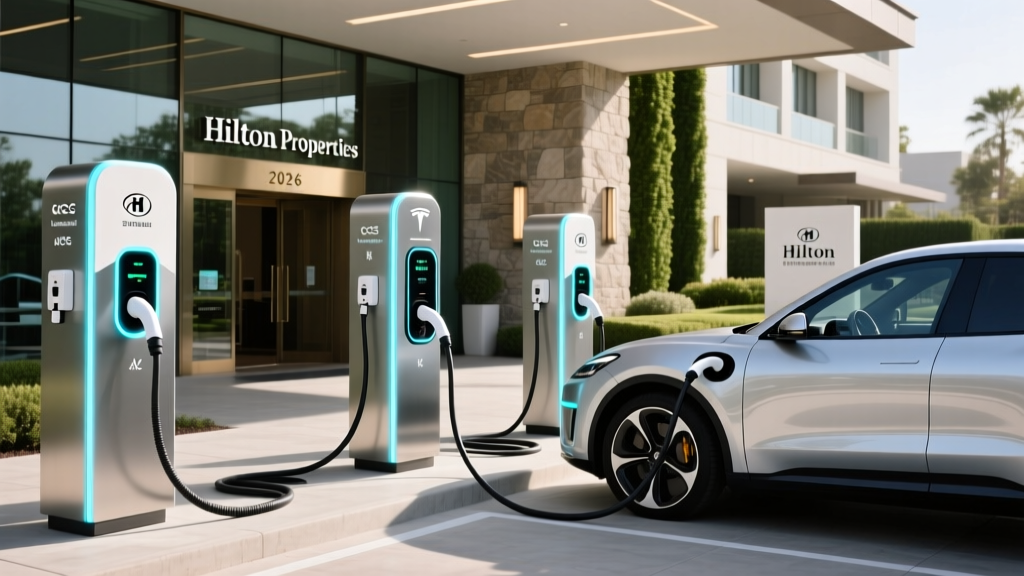
Hilton properties primarily offer Level 2 chargers, which are ideal for overnight stays. Some larger or urban Hilton locations may also feature DC fast chargers, but these are less common. Always check the specific property’s amenities before booking.
How Much Does It Cost to Charge at Hilton Properties?
Charging costs vary depending on the charger type, local electricity rates, and whether the hotel subsidizes the service. Here's a breakdown:
- Level 2 Chargers: Typically cost $0.10–$0.30 per kWh. For a 75 kWh battery (e.g., Tesla Model Y), a full charge might cost $7.50–$22.50.
- DC Fast Chargers: Priced higher, often $0.30–$0.50 per kWh. Charging 10–80% on a 75 kWh battery could cost $15–$30.
- Complimentary Charging: Some Hilton properties offer free Level 2 charging as a guest perk, but this is not universal.
To compare, charging at home off-peak costs around $0.05–$0.15 per kWh, making hotel charging a convenient but sometimes pricier option. For context, the U.S. Department of Energy estimates the average EV costs $0.04–$0.06 per mile to operate, compared to $0.12–$0.15 per mile for a gas-powered car.
Which Connectors Are Compatible with Hilton EV Chargers?
Hilton partners with networks like ChargePoint, EVgo, and Tesla Destination Charging, so connector compatibility depends on the network and location. Here's a quick guide:
| Connector Type | Compatible EV Brands | Adapter Needed? |
|---|---|---|
| NACS (Tesla) | Tesla, Ford, GM (via adapter) | No (for Tesla); Yes (for others) |
| CCS1 | Most non-Tesla EVs (e.g., Hyundai, Kia, VW) | No |
| CHAdeMO | Nissan Leaf, Mitsubishi Outlander PHEV | No |
If you're driving a non-Tesla EV, confirm the property has CCS1 or CHAdeMO connectors. Tesla owners should look for Destination Chargers or bring a J1772 adapter for non-Tesla Level 2 stations.
Charging Time Examples for Common Battery Sizes
Charging times depend on your EV's battery size and the charger's power output. Here are some real-world examples:
- Tesla Model Y (75 kWh battery): 10–80% in ~8 hours on a 7.2 kW Level 2 charger; ~25 minutes on a 150 kW DC fast charger.
- Hyundai Ioniq 5 (77.4 kWh battery): 10–80% in ~9 hours on a 7.2 kW Level 2 charger; ~18 minutes on a 350 kW DC fast charger.
- Chevrolet Bolt EV (65 kWh battery): 10–80% in ~7 hours on a 7.2 kW Level 2 charger; ~45 minutes on a 50 kW DC fast charger.
Keep in mind that charging speeds taper above 80% state of charge (SoC), so plan accordingly if you're topping off before a long drive.
What Electrical Upgrades Might You Need for Home Charging?
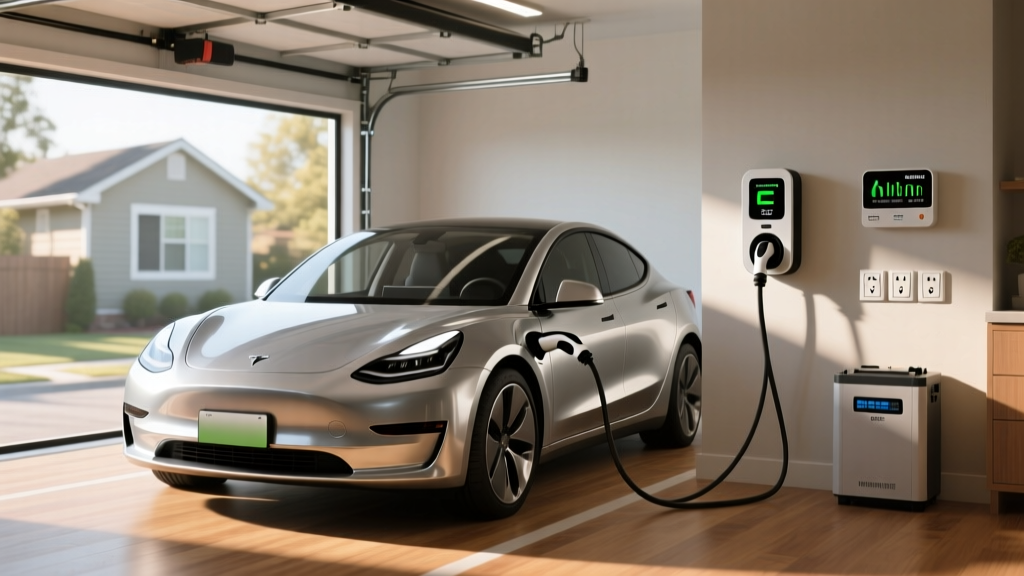
If you're considering installing a Level 2 charger at home to complement your travel charging, here's what to expect:
| Component | Cost Range |
|---|---|
| Level 2 Charger Equipment | $300–$700 |
| Electrician Labor | $500–$1,500 |
| Permit Fees | $50–$200 |
| Panel Upgrade (if needed) | $1,000–$3,000 |
| Total | $850–$5,400 |
Most Level 2 chargers require a dedicated 240V/40A circuit. Older homes with 100A electrical panels may need an upgrade to 200A, which can significantly increase costs. Always consult a licensed electrician to assess your home's capacity.
Recommended EV Chargers for Home Use
If you're investing in a home charger, here are three top picks for 2026:
ChargePoint Home Flex
Power Output: Up to 12 kW (50A)
Cable Length: 23 feet
Smart Features: Wi-Fi enabled, app scheduling, Alexa integration
Price: $699
Wallbox Pulsar Plus
Power Output: Up to 11.5 kW (48A)
Cable Length: 25 feet
Smart Features: App control, load balancing, solar integration
Price: $649
Tesla Wall Connector
Power Output: Up to 11.5 kW (48A)
Cable Length: 24 feet
Smart Features: Tesla app integration, over-the-air updates
Price: $475
Safety and Code Considerations for EV Charging
Whether you're charging at home or on the road, safety is paramount. Here are key considerations:
- Dedicated Circuit: Level 2 chargers require a dedicated circuit to prevent overloading.
- GFCI Protection: Ground Fault Circuit Interrupter (GFCI) outlets are required for outdoor installations.
- Outdoor Rating: Ensure your charger is rated for outdoor use if installed outside.
- Local Codes: Check with your local building department for specific electrical code requirements.
Frequently Asked Questions
How do I find Hilton properties with EV chargers?
Use the Hilton app or website to filter for properties with EV charging amenities. You can also check third-party apps like PlugShare or ChargePoint for detailed charger info.
Are Hilton EV chargers free?
Some Hilton properties offer complimentary Level 2 charging, but this varies by location. Always confirm with the hotel before booking.
Can I use a Tesla Supercharger at Hilton properties?
Hilton typically partners with Tesla for Destination Chargers, not Superchargers. Non-Tesla EVs may need an adapter to use these chargers.
What should I do if a Hilton EV charger is out of service?
Contact the hotel front desk for assistance or use apps like PlugShare to locate nearby charging alternatives.
Is it safe to leave my EV charging overnight at a hotel?
Yes, as long as the charger is properly maintained and the hotel has adequate security. Most Level 2 chargers are designed for overnight use.
By understanding the types of EV chargers available at Hilton properties and planning ahead, you can enjoy seamless and stress-free EV travel. Whether you're topping off overnight or relying on DC fast chargers for quick stops, Hilton's growing charging network is a valuable resource for EV owners in 2026.