The Evolution of Greenlots EV Charging
For long-time EV owners, the name Greenlots brings back memories of early public charging infrastructure. Originally a pioneer in the North American charging space, Greenlots was acquired by Shell and has since been fully integrated into the Shell Recharge network. If you are searching for 'Greenlots EV charging' today, you are effectively looking for Shell's public and commercial charging ecosystem. In 2026, the transition is nearly complete, with most former Greenlots stations either upgraded to modern Shell Recharge hardware or retired in favor of higher-power sites.
This guide covers the current state of the network, how its pricing compares to home charging, and what you need to know about installing a high-speed Level 2 setup in your own garage.
Understanding Charging Levels and Speeds
Before evaluating public networks, it is vital to understand the difference between kW (power) and kWh (energy). Think of kW as the speed of water flowing through a hose, and kWh as the total volume of water in the bucket. A 350 kW charger can fill a battery much faster than a 7.2 kW home unit.
| Level | Power Output (kW) | Voltage | Miles of Range per Hour | Best Use Case |
|---|---|---|---|---|
| Level 1 | 1.2 kW - 1.9 kW | 120V AC | 3 - 5 miles | Overnight top-ups for PHEVs |
| Level 2 | 7.2 kW - 19.2 kW | 240V AC | 20 - 60 miles | Daily home and workplace charging |
| DC Fast | 50 kW - 350 kW+ | 400V - 800V DC | 150 - 1,000+ miles | Road trips and commercial fleets |
Public Charging Costs: Shell Recharge (formerly Greenlots)
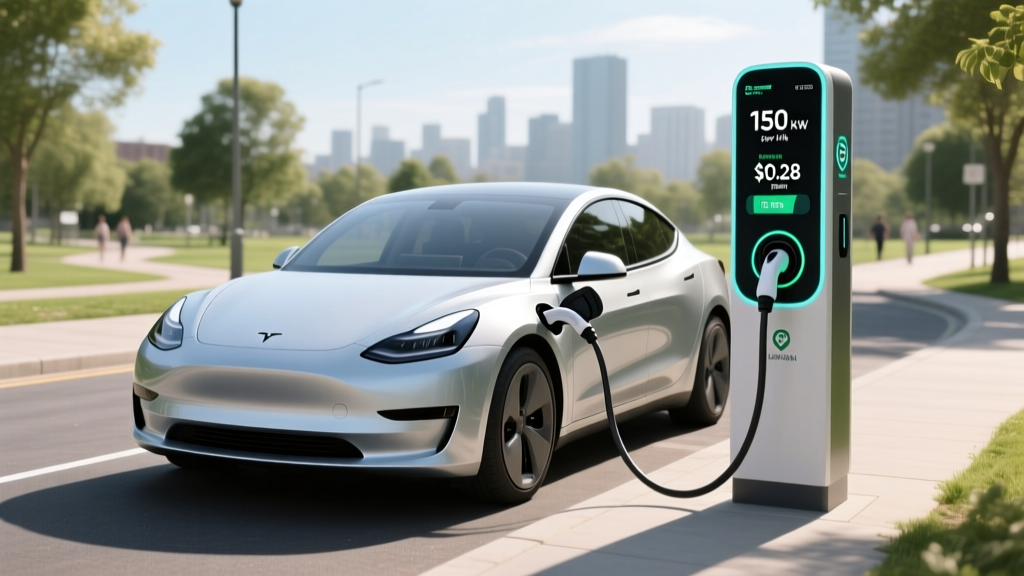
Public charging pricing varies significantly by location and time of day. While some legacy Greenlots stations offered flat rates, modern Shell Recharge stations typically use a per-kWh billing model, which is generally considered more fair than per-minute billing.
- Average Public Level 2: $0.20 - $0.35 per kWh
- Average DC Fast Charging: $0.40 - $0.65 per kWh
- Idle Fees: $0.50 - $1.00 per minute after reaching 80% SoC
Compared to home charging, where the national average is roughly $0.16 per kWh, relying exclusively on public DC fast charging can double or triple your 'fuel' costs. According to fueleconomy.gov, an efficient EV like the Tesla Model 3 or Hyundai Ioniq 6 achieves 3-4 miles per kWh, meaning a $0.50/kWh public charge results in a cost of approximately $0.12 to $0.16 per mile.
Home Installation: Requirements and Cost Breakdown
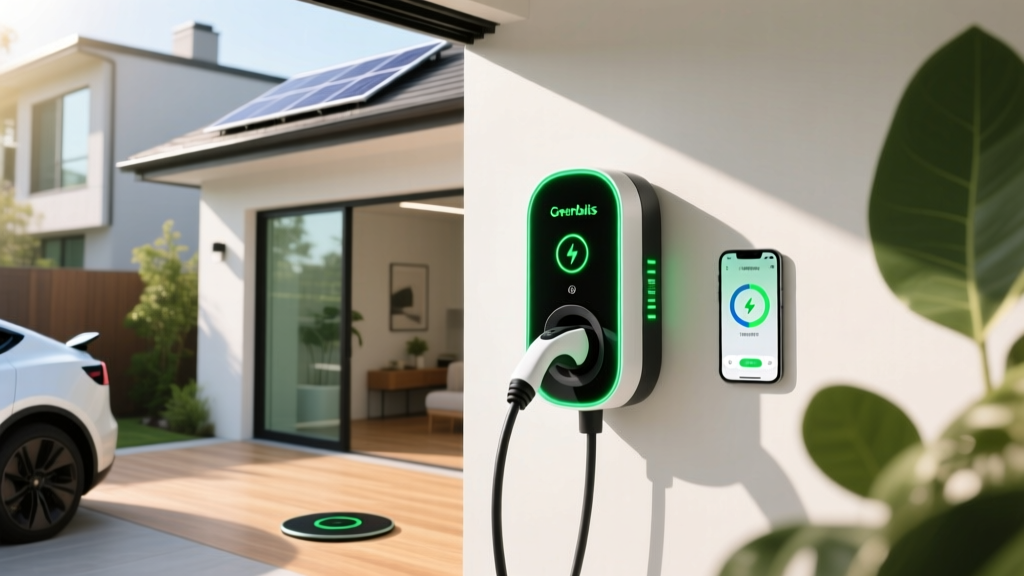
The most cost-effective way to 'fuel' an EV is through a home Level 2 installation. However, the total cost depends on your home's existing electrical infrastructure.
| Component | Estimated Cost Range | Notes |
|---|---|---|
| Level 2 Charger Hardware | $400 - $800 | Smart Wi-Fi enabled units (40A-48A) |
| Electrician Labor | $600 - $2,000 | Varies by distance from panel |
| Electrical Permit | $100 - $300 | Required by most local jurisdictions |
| Panel Upgrade (200A) | $2,500 - $5,000+ | Only needed for older homes with 100A service |
Safety and Code: All installations must use a dedicated circuit with a GFCI breaker if the outlet is outdoors. For hardwired units, which are more common for 48A+ chargers, a disconnect switch may be required within sight of the unit.
Connector Compatibility in 2026
The industry has largely standardized around the NACS (North American Charging Standard) pioneered by Tesla. Most legacy Greenlots/Shell Recharge stations still feature CCS1 connectors, but adapters are now widely available.
| Connector Type | Primary Brands (2026) | Adapter Needed? |
|---|---|---|
| NACS (Tesla) | Tesla, Ford, GM, Rivian, Hyundai/Kia | CCS-to-NACS for older public stations |
| CCS1 | VW, BMW, Stellantis, Honda | NACS-to-CCS for Tesla Superchargers |
| CHAdeMO | Nissan Leaf (Legacy) | Not compatible with modern networks |
Recommended Home Charging Equipment
ChargePoint Home Flex
Output: Up to 12 kW (50A)
Features: NEMA 14-50 plug, Wi-Fi, Alexa integration, 23ft cable.
Price: ~$650
Emporia Vue EV Charger
Output: Up to 11.5 kW (48A)
Features: Energy monitoring, solar integration, hardwired.
Price: ~$450
Tesla Wall Connector
Output: Up to 11.5 kW (48A)
Features: NACS native, glass faceplate, load sharing.
Price: ~$475
Frequently Asked Questions
Can I still use the Greenlots app?
The Greenlots app has been retired. Users should download the Shell Recharge app or use an RFID card provided by the network to activate sessions.
How much does it cost to install a home EV charger?
For a standard 240V/40A installation near your electrical panel, expect to pay between $1,000 and $2,500 total. If your home requires a service upgrade from 100A to 200A, costs can exceed $5,000.
Is it cheaper to charge at home or use public Greenlots/Shell stations?
Home charging is typically 50-70% cheaper. At $0.16/kWh (home), a full 75 kWh battery costs $12.00. At $0.50/kWh (public DC), that same charge costs $37.50.