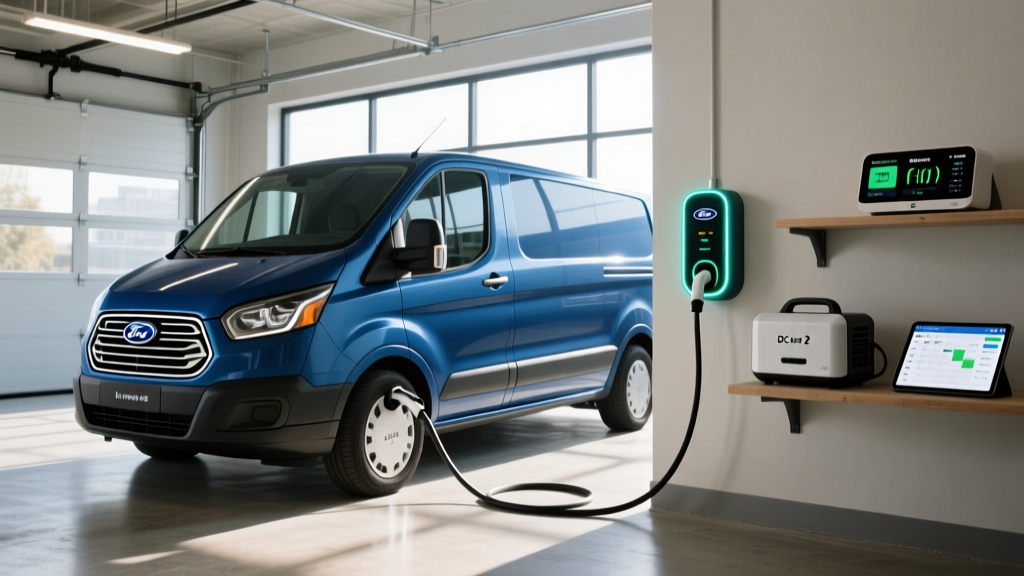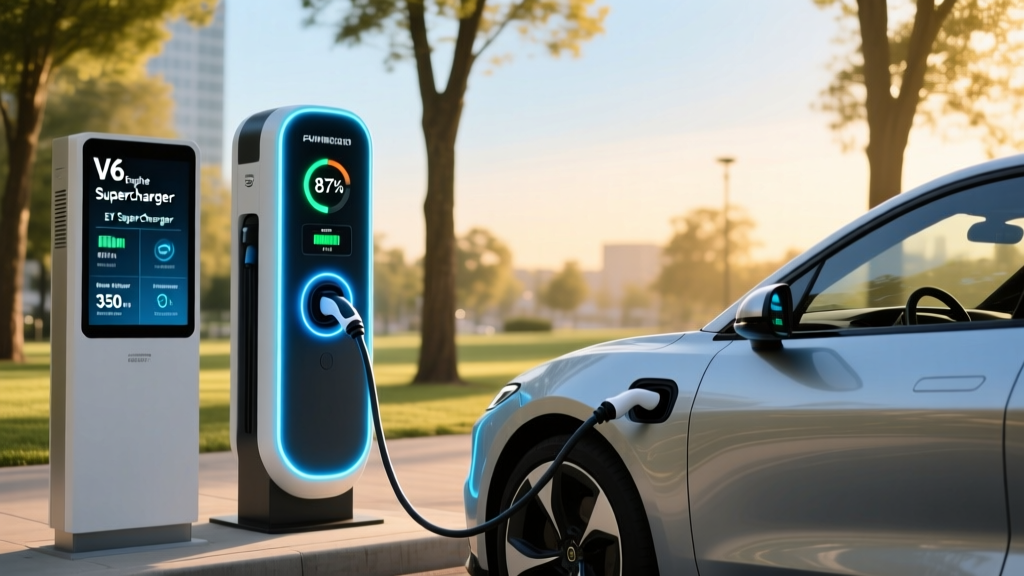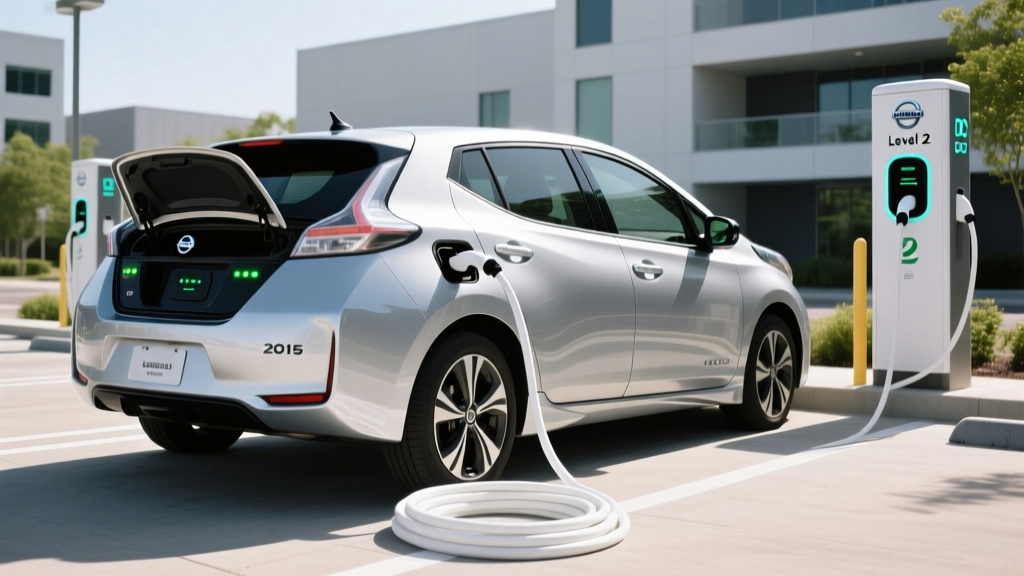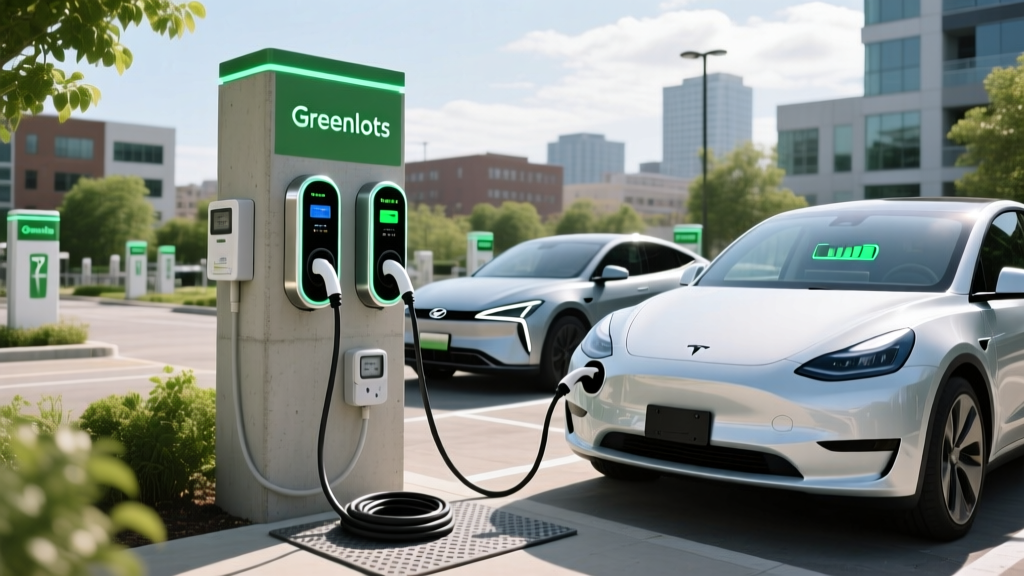
If you've pulled up a charging map app and spotted the Greenlots name, you're not alone — the network (now operating under the Shell Recharge Solutions brand) runs thousands of public and commercial chargers across North America. But knowing whether a Greenlots station will actually work for your EV, what it will cost, and how it compares to charging at home requires digging past the map pin. This guide covers the Greenlots network in practical detail and pairs it with a complete home-charging setup playbook so you can make informed decisions about where and how you charge.
What Is the Greenlots Network in 2026?
Greenlots was acquired by Shell in 2019 and has since been rebranded as Shell Recharge Solutions. If you search for "Greenlots charging stations" on apps like PlugShare or A Better Routeplanner, you'll still see the name referenced in user reviews and legacy listings, but the hardware and billing now operate under the Shell Recharge umbrella. As of early 2026, the network operates roughly 2,500+ public charging ports across the U.S. and Canada, spanning both Level 2 (AC) and DC fast-charging (DCFC) stations.
The network's footprint concentrates in urban corridors, workplace parking structures, retail centers, and multi-family housing properties. Shell has also deployed ultra-fast chargers (180–360 kW) along select highway corridors through partnerships with automakers and fuel-station integrations. For EV owners, the key takeaway: Greenlots/Shell Recharge is a reliable secondary or tertiary network option, especially for destination and workplace charging, but it is not a standalone replacement for home Level 2 charging or a primary road-trip network like Tesla Superchargers or Electrify America.
Charging Levels Explained: Speeds, kW, and Miles Per Hour
Before evaluating any public station or home charger, you need clarity on the three charging tiers. The single most important distinction: kW (kilowatts) measures power — how fast energy flows into your battery. kWh (kilowatt-hours) measures energy — the total capacity of your battery. Confusing these is the most common EV literacy gap. Think of kW as the width of a hose and kWh as the size of the bucket.
| Level | Voltage | Power (kW) | Miles of Range Added Per Hour | Typical Use Case |
|---|---|---|---|---|
| Level 1 | 120V AC | 1.0–1.4 kW | 3–5 mi/hr | Overnight trickle; PHEV top-ups |
| Level 2 | 240V AC | 3.3–19.2 kW | 12–75 mi/hr | Home daily charging; workplace; destinations |
| DC Fast Charge | 400–800V DC | 50–350 kW | 150–1,200+ mi/hr (peak) | Road trips; rapid top-ups |
Greenlots/Shell Recharge Station Types and Connector Compatibility
Greenlots/Shell Recharge stations come in two flavors: Level 2 AC chargers (typically 7–19.2 kW) and DC fast chargers (50–360 kW). Connector availability depends on the station's age and location. Here's what you'll encounter:
| Connector | Brands Using It (2026) | Adapter Needed? |
|---|---|---|
| NACS (Tesla-style) | Tesla (all); Ford, GM, Rivian, Volvo, Polestar, Mercedes, BMW (2025+ models transitioning) | CCS-to-NACS adapter for older non-Tesla EVs at NACS-only stations |
| CCS1 | Hyundai, Kia, VW, Audi, BMW (pre-2025), Stellantis, Honda, Subaru, most legacy EVs | NACS-to-CCS adapter for Tesla Superchargers; native at most Greenlots DCFC |
| CHAdeMO | Nissan Leaf (legacy); Mitsubishi Outlander PHEV | Rare adapters; CHAdeMO stations being phased out |
Most Greenlots DC fast chargers deployed before 2024 include both CCS1 and CHAdeMO cables. Newer Shell Recharge ultra-fast installations increasingly feature NACS connectors alongside CCS1. If you drive a Ford F-150 Lightning, GM Equinox EV, or any 2025+ model that switched to NACS, confirm connector availability on the Shell Recharge app before driving to a station. For CCS1-equipped EVs visiting NACS-only chargers, a manufacturer-approved NACS-to-CCS adapter (such as the Ford-provided adapter) is essential.
Greenlots/Shell Recharge Pricing: Cost Per kWh and Per Mile
Pricing on the Greenlots/Shell Recharge network varies by location, station type, and time of day. Here's what to expect in 2026:
| Scenario | Rate ($/kWh) | Cost for 60 kWh Fill (≈200 mi) | Cost Per Mile |
|---|---|---|---|
| Home Level 2 (off-peak utility rate) | $0.08–$0.14 | $4.80–$8.40 | $0.024–$0.042 |
| Home Level 2 (standard rate) | $0.14–$0.20 | $8.40–$12.00 | $0.042–$0.060 |
| Greenlots/Shell Level 2 (public) | $0.25–$0.49 | $15.00–$29.40 | $0.075–$0.147 |
| Greenlots/Shell DC Fast Charge | $0.35–$0.69 | $21.00–$41.40 | $0.105–$0.207 |
| Gasoline (25 MPG avg, $3.40/gal) | — | $8.16 (per gallon equivalent) | $0.136 |
According to fueleconomy.gov, the average EV achieves 3–4 miles per kWh. At home off-peak rates, that translates to 2–4 cents per mile — roughly one-quarter the cost of gasoline. On Greenlots DC fast chargers at peak pricing ($0.55–$0.69/kWh), your per-mile cost can actually exceed gasoline. The financial case for EV ownership depends heavily on consistent home charging access.
Home Level 2 Charger Installation: Costs, Electrical Requirements, and Upgrades
Public networks like Greenlots are useful supplements, but the economics and convenience of EV ownership hinge on home Level 2 charging. Here's exactly what's involved.
Electrical Requirements
A standard home Level 2 charger requires a 240-volt dedicated circuit, similar to an electric dryer or oven. The most common configuration:
- Circuit amperage: 40A or 50A breaker (supports 32A or 40A continuous charging, respectively — NEC requires circuits rated 125% above continuous load)
- Wire gauge: 6 AWG copper for 50A circuits; 8 AWG for 40A
- Outlet type: NEMA 14-50 (most common) or hardwired connection (preferred for 48A+ chargers)
- GFCI protection: Required by NEC 2020+ for receptacle-based EV circuits in garages; hardwired units with built-in ground-fault protection may satisfy this without a GFCI breaker
Panel Upgrade Considerations
Older homes with 100A electrical service may lack capacity for a 40–50A EV circuit, especially if you already run electric heating, an electric range, and a dryer. A licensed electrician will perform a load calculation per NEC Article 220 to determine available headroom. If your panel is at capacity, options include:
- Panel upgrade (100A → 200A): $1,500–$4,000 depending on utility requirements and conduit runs
- Smart load management device: Products like the Emporia Smart Load Center or Span panel dynamically share amperage between circuits, avoiding a full panel upgrade for $500–$2,500
- Lower-amperage charger: A 16A (3.8 kW) charger on a 20A circuit still adds ~15 miles per hour — sufficient for PHEVs and lower-mileage commuters
| Component | Cost Range | Notes |
|---|---|---|
| Level 2 Charger Equipment | $250–$700 | Varies by power output and smart features |
| Electrician Labor (standard install) | $400–$1,500 | Depends on panel-to-outlet distance, wall type |
| Electrical Permit | $50–$250 | Required in most jurisdictions; inspected |
| Panel Upgrade (if needed) | $1,500–$4,000 | 100A to 200A service upgrade |
| Total (no panel upgrade) | $700–$2,450 | Typical scenario for modern homes |
| Total (with panel upgrade) | $2,200–$6,450 | Common in pre-2000 homes |
The IRS offers a 30% federal tax credit for home EV charging equipment and installation under §30C (Alternative Fuel Vehicle Refueling Property Credit), capped at $1,000 per year. This credit has income and census-tract eligibility requirements — consult a tax professional for your specific situation.
Recommended Home Level 2 Chargers for 2026
Based on reliability, power output, connector compatibility, and value, here are top picks for home charging:
Emporia Vue Level 2 Charger
Power: 48A (11.5 kW) | Connector: NACS or J1772 | Cable: 24 ft
Smart Features: Wi-Fi, app scheduling, solar integration, energy monitoring
Price: ~$399 (NACS) / ~$349 (J1772)
Best for: Maximum power on a budget; solar-panel homes
ChargePoint Home Flex
Power: Up to 50A (12 kW) configurable | Connector: J1772 (NACS adapter included) | Cable: 23 ft
Smart Features: Wi-Fi, Alexa, amperage adjustment, detailed app analytics
Price: ~$599
Best for: Flexibility across EV brands; future-proofing
Tesla Wall Connector
Power: 48A (11.5 kW) | Connector: NACS native | Cable: 24 ft
Smart Features: Wi-Fi, OTA updates, power-sharing with multiple units, load management
Price: ~$475
Best for: Tesla owners; multi-EV households (power-sharing)
Grizzl-E Smart
Power: 40A (9.6 kW) | Connector: J1772 or NACS | Cable: 24 ft
Smart Features: OCPP-compatible, adjustable amperage, outdoor-rated (NEMA 4)
Price: ~$449
Best for: Outdoor installs; extreme cold climates (-40°F rated)
Charging Time Examples: How Long Does 10–80% Take?
Charging time depends on your battery size, the charger's power output, and your EV's onboard charge acceptance rate. Here are realistic 10–80% estimates:
- 77 kWh battery (Ford Mustang Mach-E, VW ID.4) on a 48A home charger (11.5 kW): ~5.5 hours (full 10–80%)
- 77 kWh battery on a 150 kW DCFC (e.g., Shell Recharge/Greenlots highway station): ~28–35 minutes (peak rate tapers above 50% SoC)
- 58 kWh battery (Tesla Model 3 RWD, LFP) on a 48A home charger: ~4 hours
- 58 kWh LFP battery on a 250 kW DCFC: ~22–28 minutes (LFP chemistry sustains higher charge rates longer than NMC, a notable advantage)
- 131 kWh battery (Ford F-150 Lightning Extended Range) on a 48A home charger: ~9 hours (overnight essential)
For context, a Greenlots/Shell Recharge 50 kW legacy DCFC will take approximately 65–80 minutes to charge a 77 kWh battery from 10–80%. These older stations are still common at retail locations — plan accordingly.
Safety and Code Considerations for Home Installations
EV charging draws sustained high current for hours — this is not the same load profile as a dryer that cycles on and off. Key safety requirements:
- Dedicated circuit: Your EV charger must be on its own dedicated breaker — never share a circuit with other appliances
- Hardwired vs. plug-in: Chargers above 40A continuous (48A+ chargers) must be hardwired per NEC; plug-in NEMA 14-50 installations are limited to 40A continuous
- Outdoor rating: If installing outside, the charger must carry a NEMA 4 (weatherproof) or NEMA 4X rating. Not all indoor-rated units are safe for exterior mounting
- Permitting and inspection: Most municipalities require an electrical permit and post-installation inspection. Skipping this can void homeowner's insurance coverage in the event of an electrical fire
- Cable management: Use a wall-mounted cable organizer to prevent tripping hazards and connector damage. Never let the cable rest on the ground where it can be driven over
Frequently Asked Questions
How much does it cost to install a home EV charger?
A typical Level 2 home installation without a panel upgrade costs $700–$2,450 total (equipment, electrician labor, and permit). If your home needs a 100A-to-200A panel upgrade, expect $2,200–$6,450 total. The federal §30C tax credit can offset 30% of equipment and installation costs up to $1,000, subject to income and location eligibility per the IRS.
How fast will each charging level add range?
Level 1 (120V) adds roughly 3–5 miles per hour. Level 2 (240V, 48A) adds 30–45 miles per hour depending on vehicle efficiency. DC fast charging at 150 kW can add 200+ miles in 20 minutes at peak rate, but sustained averages are lower due to charge-curve taper above 50% SoC.
Which connector/charger is compatible with my EV?
Check your vehicle's charge port: if it's a 2025+ Ford, GM, Rivian, Volvo, or Mercedes EV, it likely uses NACS. If it's a Hyundai, Kia, VW, or BMW (pre-2025), it uses CCS1. Nissan Leaf uses CHAdeMO. For home charging, buy a Level 2 charger matching your vehicle's native connector to avoid daily adapter hassle.
How much does charging cost per mile vs gas?
At home off-peak rates ($0.10/kWh), EV charging costs approximately $0.025–$0.035 per mile — about one-quarter the cost of gasoline at $3.40/gallon and 25 MPG ($0.136/mile). On public DC fast chargers at $0.55/kWh, costs rise to $0.14–$0.18 per mile, approaching or exceeding gasoline. Home charging is where the savings materialize.
What electrical upgrades might I need?
If your home has a 100A panel with existing heavy loads (electric heat, dryer, range), you may need a panel upgrade to 200A ($1,500–$4,000). Alternatives include smart load-management devices or installing a lower-amperage charger (16–24A) that fits within existing capacity. A licensed electrician's load calculation is the definitive answer.
Is the Greenlots app still active, or do I need Shell Recharge?
The Greenlots app has been fully migrated to the Shell Recharge app. You can activate sessions, monitor charging, and view pricing through Shell Recharge on iOS and Android. Many Greenlots/Shell Recharge stations also support Plug & Charge (ISO 15118) for compatible vehicles — simply plug in and the session starts automatically with billing tied to your vehicle's VIN.