Why GM Owners Need a Tesla (NACS) Adapter in 2026
If you drive a Chevrolet Equinox EV, Blazer EV, Silverado EV, or Cadillac Lyriq, you've likely noticed a shift in the charging landscape. General Motors adopted the North American Charging Standard (NACS) — originally Tesla's proprietary connector — for its 2025 and newer EVs. That means new GM electric vehicles ship with a NACS port, while 2022–2024 models still carry CCS1. Either way, a GM to Tesla adapter is the bridge that unlocks the largest, most reliable DC fast-charging network in the country: Tesla's Supercharger network, now exceeding 25,000 stalls in North America.
This guide covers which adapter you need, what it actually enables, how home and public charging work for GM EVs, installation costs, and the real per-mile economics versus gas. We'll be precise with kW (power, the rate of charging) versus kWh (energy, what your battery stores) — the most common source of confusion for new EV owners.
GM Connector Timeline: CCS1, NACS, and Which Adapter You Need
Before buying anything, confirm your vehicle's charge port. GM's transition happened mid-cycle, so model year matters:
| GM Model | Model Years | Native Port | Adapter Needed for Superchargers |
|---|---|---|---|
| Cadillac Lyriq | 2023–2024 | CCS1 | CCS1-to-NACS adapter |
| Cadillac Lyriq | 2025+ | NACS | None (native NACS) |
| Chevrolet Blazer EV | 2024 | CCS1 | CCS1-to-NACS adapter |
| Chevrolet Blazer EV | 2025+ | NACS | None (native NACS) |
| Chevrolet Equinox EV | 2024 | CCS1 | CCS1-to-NACS adapter |
| Chevrolet Equinox EV | 2025+ | NACS | None (native NACS) |
| Chevrolet Silverado EV | 2024–2025 | NACS | None (native NACS) |
| GMC Sierra EV | 2024+ | NACS | None (native NACS) |
| Cadillac Optiq | 2025+ | NACS | None (native NACS) |
The critical distinction: If your GM EV has a CCS1 port, you need a CCS1-to-NACS adapter to use Tesla Superchargers. If your GM EV already has a NACS port, you plug directly into Superchargers — but you'll need a NACS-to-CCS1 adapter (the reverse) if you want to use legacy Electrify America, EVgo, or ChargePoint CCS1 stalls.
GM has offered complimentary CCS-to-NACS adapters to eligible owners of 2022–2024 EVs through its dealer network. Check your MyChevrolet or myCadillac app for current availability. Third-party adapters from Lectron, A2Z, and Tesla's official CCS adapter (for non-Tesla vehicles accessing Superchargers) typically cost $150–$250.
Charging Levels Explained: Speeds, kW, and Miles Per Hour
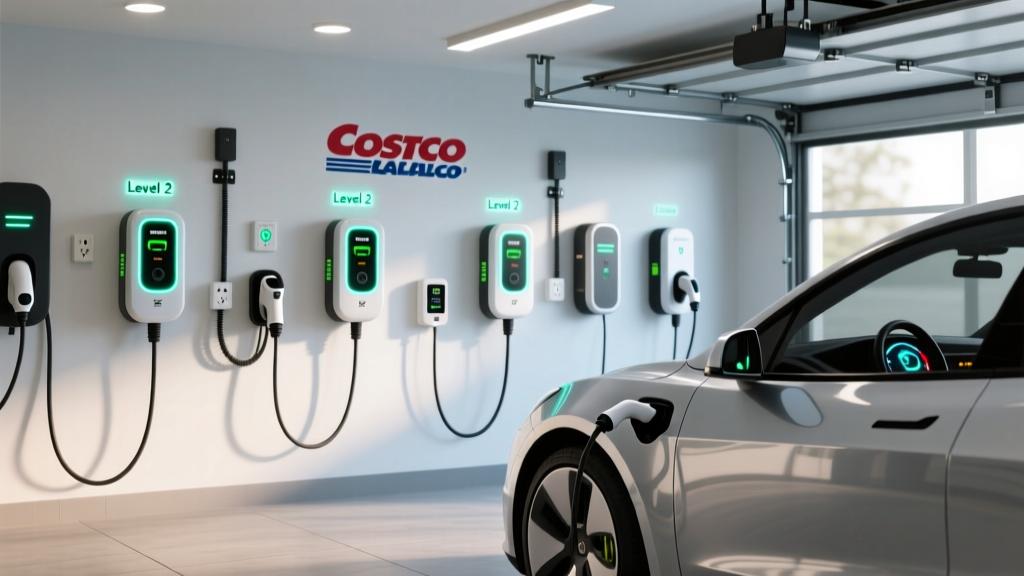
Understanding charging speed requires separating kW (kilowatts — the rate of power delivery, like water pressure) from kWh (kilowatt-hours — the total energy stored, like the size of the tank). A 100-kWh battery charged at 10 kW takes 10 hours. The same battery charged at 150 kW takes roughly 40 minutes to 80% (with taper above that — more on charge curves below).
| Level | Voltage / Phase | Typical Power (kW) | Miles of Range Per Hour | Best Use Case |
|---|---|---|---|---|
| Level 1 | 120V AC / 1-phase | 1.0–1.4 kW | 3–5 mi/hr | Overnight trickle, PHEVs, emergencies |
| Level 2 (Home/Public AC) | 240V AC / 1-phase | 3.3–19.2 kW | 12–75 mi/hr | Daily home charging, workplace, destinations |
| DC Fast Charging | 200–800V DC | 50–350 kW | 150–1,000+ mi/hr (peak) | Road trips, rapid top-ups |
Real-world GM examples at Level 2: The Equinox EV (85 kWh usable battery, EPA 319 miles) gains roughly 34 miles of range per hour on an 11.5 kW Level 2 charger. A full 10%–100% session takes about 8 hours — ideal for overnight. The Silverado EV with its massive 200+ kWh Ultium pack needs closer to 17–19 hours on the same charger, which is why GM equips it with 19.2 kW onboard charging capability (adding ~57 mi/hr).
DC fast charging reality check: GM advertises up to 190 kW peak DC charging on the Blazer EV and Equinox EV, and up to 350 kW on the Silverado EV (800V architecture). But peak kW is not sustained kW. A typical charge curve delivers peak power from roughly 10%–40% SoC, then progressively tapers. Expect a 10%–80% session on a 150 kW Supercharger to take approximately 25–35 minutes for an Equinox EV, and 35–45 minutes for a Silverado EV. Always precondition your battery (via the vehicle's navigation routing to a charger) to hit peak speeds, especially in cold weather.
Home Charger Installation: Costs, Electrical Requirements, and Panel Upgrades
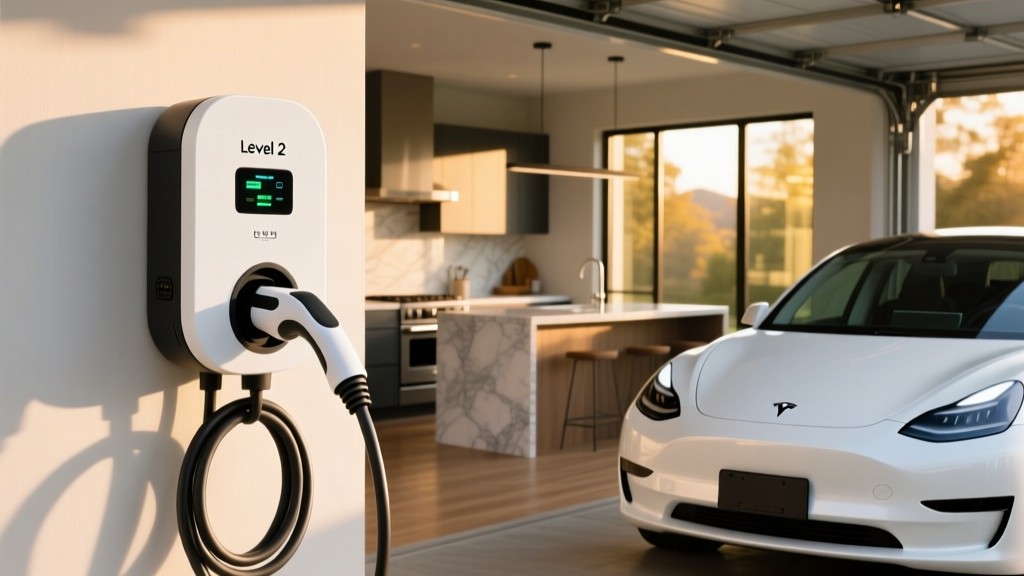
Installing a Level 2 home charger is the single biggest ownership convenience upgrade — and the most variable in cost. Here's the breakdown.
Electrical Requirements
A typical home Level 2 charger requires a 240V dedicated circuit, similar to a dryer or oven outlet. The most common configurations:
- 40-amp circuit (delivers 32A continuous / 7.7 kW) — adequate for most EVs with overnight charging
- 50-amp circuit (delivers 40A continuous / 9.6 kW) — the sweet spot for faster overnight fills
- 60-amp circuit (delivers 48A continuous / 11.5 kW) — matches the Equinox EV and Lyriq's max AC acceptance
- 80-amp circuit (delivers 64A+ / 15–19.2 kW) — needed for Silverado EV / Sierra EV max AC charging; requires substantial panel capacity
Panel upgrade reality: Most homes built after 1990 have a 200-amp main panel, which usually accommodates a 50–60A EV circuit. Older homes with 100A or 150A service — or homes already running electric heat, a hot tub, and an electric range — may need a panel upgrade to 200A, costing $1,500–$4,000 before the charger circuit is even installed. A licensed electrician will perform a load calculation per NEC Article 220 to determine if your panel has headroom.
Installation Cost Breakdown
| Component | Low-End Estimate | High-End Estimate | Notes |
|---|---|---|---|
| Level 2 Charger (Equipment) | $350 | $750 | Hardwired or NEMA 14-50 plug; Wi-Fi-enabled smart chargers cost more |
| Electrician Labor | $400 | $1,800 | Depends on run length from panel to garage; attic/crawlspace runs add cost |
| Electrical Permit | $50 | $250 | Required in most jurisdictions; inspection included |
| Panel Upgrade (if needed) | $1,500 | $4,000 | Only if existing panel lacks capacity; 100A→200A service upgrade |
| Total (No Panel Upgrade) | $800 | $2,800 | Typical range for most homeowners |
| Total (With Panel Upgrade) | $2,300 | $6,800 | Older homes or high-load households |
Some utilities offer rebates of $250–$1,000 for home charger installation — check with your local provider. The federal Residential Clean Energy Credit (25C/alternative fuel vehicle refueling property credit) may cover up to 30% of installation costs (max $1,000), subject to income and census-tract eligibility. Consult a tax professional for your situation.
Safety and Code Considerations
- Dedicated circuit: NEC requires EV chargers be on a dedicated circuit — no sharing with other appliances.
- GFCI protection: 2020+ NEC requires GFCI breakers for EV outlets in garages (not always required for hardwired units). Budget $50–$120 for a GFCI breaker if your charger uses a NEMA 14-50 receptacle.
- Outdoor rating: If your charger is mounted outside, ensure it carries a NEMA 4 or IP65 rating for weather resistance. Most quality chargers (ChargePoint, Emporia, Wallbox) meet this standard.
- Hardwired vs. plug: Hardwired installations eliminate the receptacle (and its GFCI requirement), are generally safer for high-amperage circuits (60A+), and are preferred by many electricians. Plug-in (NEMA 14-50) offers portability if you move.
Level 2 Home Charger Recommendations for GM EVs
These chargers pair well with GM's Ultium-platform vehicles and are proven in real-world use. All support NACS or CCS1 connectors depending on your vehicle's port.
Emporia Vue / Emporia Level 2 Charger
- Power: 48A / 11.5 kW (on 60A circuit)
- Connector: J1772 (CCS1 vehicles) or NACS (2025+ GM EVs)
- Cable length: 24 ft
- Smart features: Wi-Fi, scheduling, energy monitoring, solar integration
- Price: ~$400
- Best for: Budget-conscious buyers who want smart features and energy tracking
ChargePoint Home Flex
- Power: Configurable 16A–50A / 3.8–12 kW (on 20–60A circuit)
- Connector: J1772 (with NACS adapter) or NACS cable option
- Cable length: 23 ft
- Smart features: Wi-Fi, app scheduling, Alexa integration, load sharing (2 units on 1 circuit)
- Price: ~$550–$700
- Best for: Flexibility — adjustable amperage lets you match your circuit without overspending
Wallbox Pulsar Plus
- Power: 40A / 9.6 kW (on 50A circuit) or 48A / 11.5 kW variant
- Connector: J1772 or NACS
- Cable length: 25 ft
- Smart features: Wi-Fi + Bluetooth, Power Sharing (dual charger), compact form factor
- Price: ~$450–$650
- Best for: Tight garage spaces and dual-EV households
Tesla Wall Connector (for NACS-equipped GM EVs)
- Power: 48A / 11.5 kW (on 60A circuit)
- Connector: NACS native
- Cable length: 24 ft
- Smart features: Wi-Fi, OTA updates, Power Sharing, integrates with Tesla ecosystem
- Price: ~$475
- Best for: 2025+ GM EVs with native NACS ports — no adapter needed at home
Public Charging Costs: Home vs. Supercharger vs. Gas
Charging economics depend heavily on where you plug in. Here's a realistic cost comparison for a GM Equinox EV (85 kWh battery, EPA 319 miles, roughly 3.7 mi/kWh efficiency).
| Charging Scenario | Rate ($/kWh) | Cost for 85 kWh (10–95%) | Cost Per Mile |
|---|---|---|---|
| Home — Off-Peak Utility Rate | $0.08–$0.12 | $6.80–$10.20 | $0.024–$0.036 |
| Home — Standard Residential Rate | $0.14–$0.18 | $11.90–$15.30 | $0.042–$0.054 |
| Tesla Supercharger (Average) | $0.28–$0.36 | $23.80–$30.60 | $0.084–$0.108 |
| Electrify America / EVgo DCFC | $0.32–$0.48 | $27.20–$40.80 | $0.096–$0.144 |
| Gasoline Baseline (28 MPG avg, $3.40/gal) | — | $38.82 (for equivalent 319 mi) | $0.122 |
Key takeaway: Home charging at off-peak rates is 3–5x cheaper per mile than gasoline. Even Tesla Superchargers undercut gas on a per-mile basis, though the margin narrows. If you rely exclusively on public DC fast charging at $0.40+/kWh, your fuel costs can approach or exceed a fuel-efficient hybrid. Home charging access is the single biggest economic factor in EV ownership.
GM EV owners using Superchargers via adapter should note: Tesla prices V2 and V3 Superchargers differently by location and time of day. Use the Tesla app or in-vehicle navigation to check real-time pricing before routing to a stall. Many Supercharger sites now offer off-peak discounts of 20–30% for charging between 9 PM and 6 AM.
Supercharger Network Access for GM EVs: What Actually Works
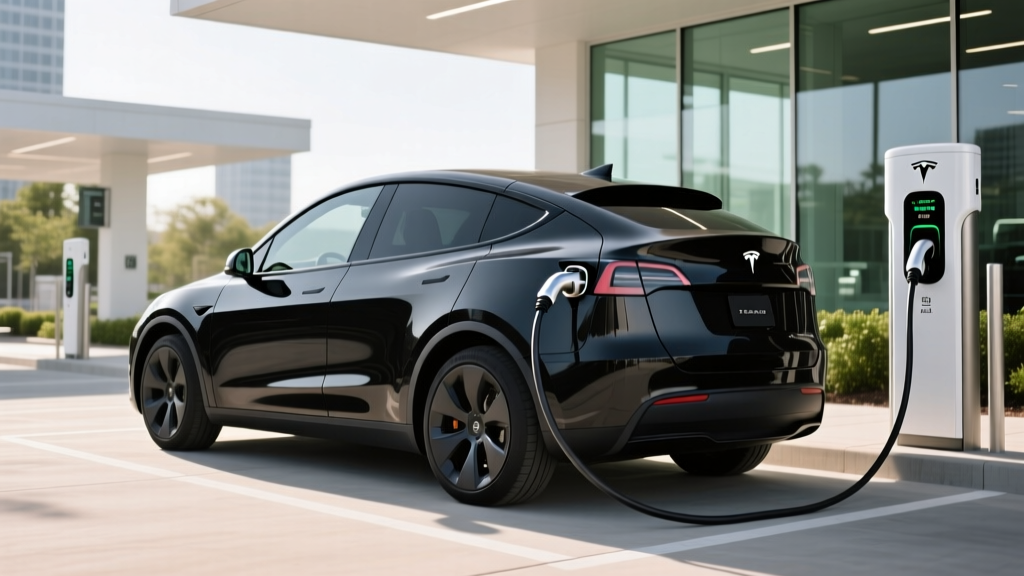
As of 2026, GM EVs with NACS ports or CCS-to-NACS adapters can access Tesla Superchargers through GM's built-in navigation or the myChevrolet/myCadillac app, which integrates Supercharger routing. Here's what to expect:
- V3 Superchargers (250 kW peak): Widely available. GM Ultium EVs with 400V architecture (Equinox, Blazer, Lyriq) will peak around 150–190 kW on these stalls — not the full 250 kW, which requires Tesla's proprietary communication protocol. Still, 10–80% in ~25–35 minutes.
- V4 Superchargers (up to 350 kW): Newer installations with CCS-compatible cabinets. GM's 800V Silverado EV and Sierra EV can leverage higher speeds here, approaching 300+ kW peak.
- Magic Dock (built-in CCS adapter): Some Tesla Supercharger stalls feature a built-in CCS adapter (Magic Dock) that lets CCS1-equipped vehicles plug in without a personal adapter. Availability is limited — don't rely on it.
- Payment: GM EVs initiate and pay for Supercharger sessions through the GM vehicle app, not a Tesla account. Pricing is set by Tesla and displayed in the GM app before you start.
Real-World Charging Tip: On road trips, plan charging stops at 20–25% SoC remaining rather than running the battery to 10%. Charging from 20–80% is faster than 10–80% because the battery management system (BMS) throttles charge rate at very low SoC to protect cell health. Also, highway driving at 75+ mph reduces real-world range by 15–25% below the EPA sticker — an Equinox EV rated at 319 miles EPA may deliver 240–270 miles at sustained interstate speeds, more in winter.
Frequently Asked Questions
How much does a GM to Tesla adapter cost?
GM has offered complimentary CCS1-to-NACS adapters to owners of eligible 2022–2024 models through dealerships. Third-party adapters from Lectron, A2Z EV, or Tesla's official CCS adapter sell for $150–$250. For 2025+ GM EVs with native NACS ports, no adapter is needed for Superchargers.
Can I use a Tesla Supercharger with my 2024 Chevy Blazer EV?
Yes — your 2024 Blazer EV has a CCS1 port, so you need a CCS1-to-NACS adapter. Once connected, the GM app handles authentication and payment. Expect peak charge rates of ~150–190 kW on V3 Superchargers.
Will using a GM to Tesla adapter void my warranty?
No. GM explicitly supports NACS/Supercharger access and has issued adapters to customers. Using a quality adapter (OEM or UL-listed third-party) does not void your battery or powertrain warranty (8 years/100,000 miles for Ultium battery coverage). Avoid unlisted, uncertified adapters from unknown sellers.
How fast will a Level 2 home charger add range to my GM EV?
At 11.5 kW (48A on a 60A circuit), expect roughly 30–40 miles of range per hour for an Equinox EV or Lyriq, and 50–57 mi/hr for a Silverado EV with 19.2 kW onboard charging. A full overnight charge (8–10 hours) easily refills any GM EV from 20% to 100%.
Do I need to upgrade my electrical panel for a home EV charger?
Not always. A 200A panel with available breaker slots usually handles a 50–60A EV circuit without issue. Homes with 100A or 150A service, or panels already near capacity, will need an upgrade ($1,500–$4,000). Your electrician will perform a NEC Article 220 load calculation to determine this.
Is home charging really cheaper than gas?
At a national average residential rate of ~$0.16/kWh, charging an Equinox EV costs about $0.05/mile. A comparable gas SUV at 28 MPG and $3.40/gallon costs ~$0.12/mile. Home charging is roughly 60% cheaper per mile. Public DC fast charging narrows the gap but still undercuts gas in most markets.
What's the difference between kW and kWh?
kW (kilowatts) is the rate of power delivery — how fast energy flows. Think of it as water pressure from a hose. kWh (kilowatt-hours) is the total energy stored or consumed — the size of the bucket. A 85 kWh battery charged at 11.5 kW takes about 7.4 hours (85 ÷ 11.5). Confusing these two is the #1 mistake new EV owners make.