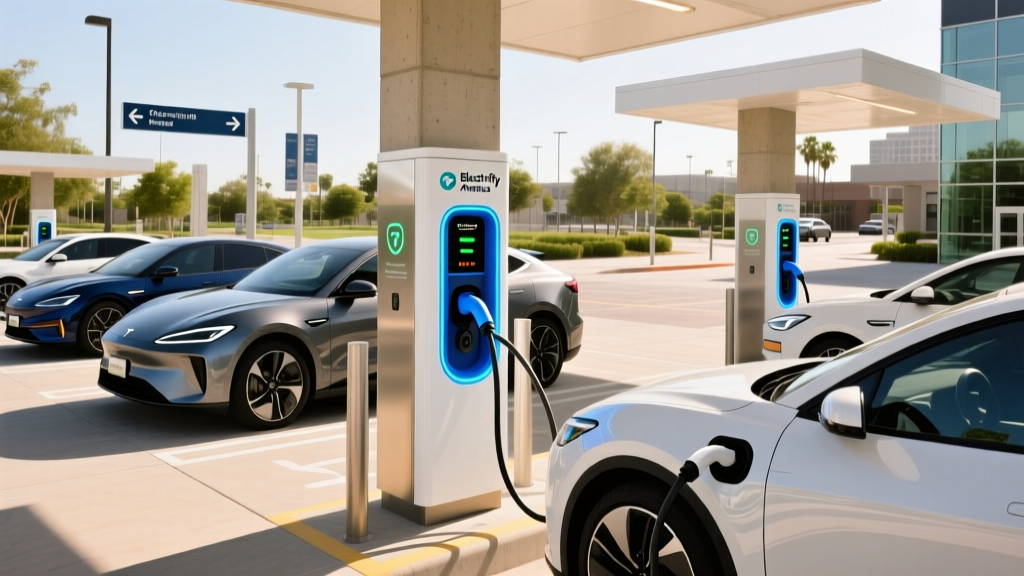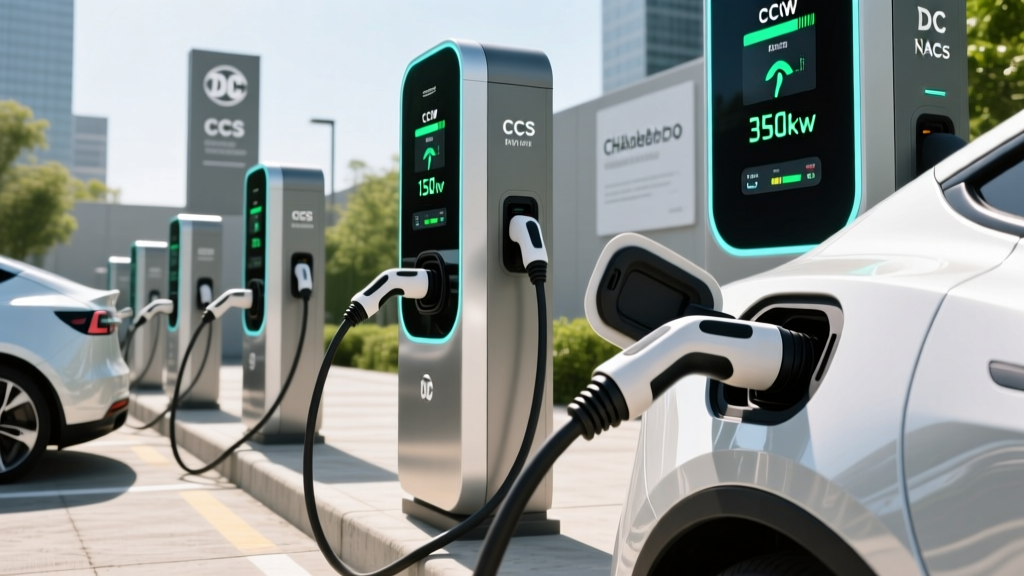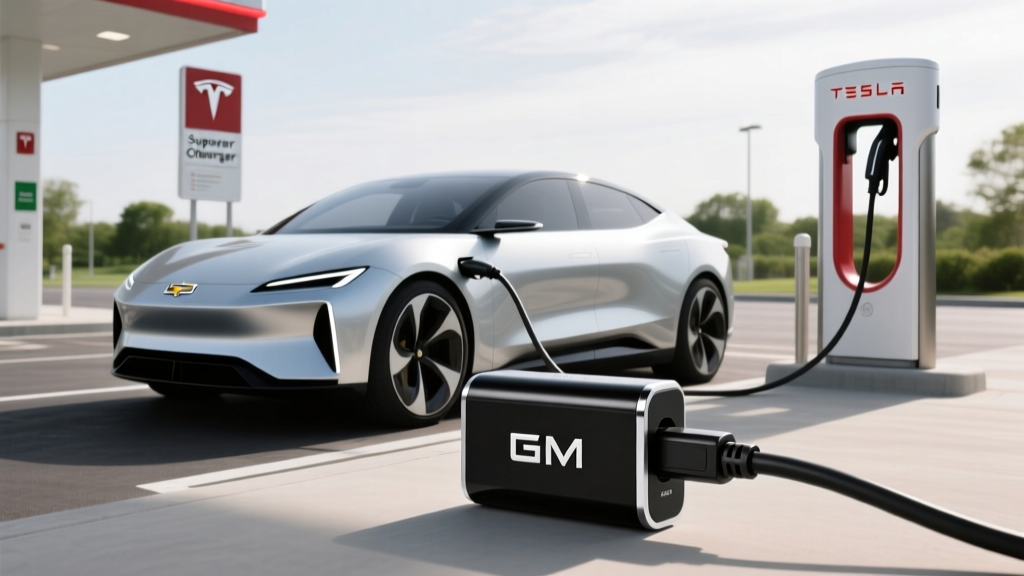
If you own a General Motors electric vehicle built on the Ultium platform — or you're shopping for one — you've likely heard about the shift to Tesla's North American Charging Standard (NACS). Starting in 2025, GM began equipping new EVs with native NACS charge ports, and for owners of earlier CCS1-equipped models (2022–2024 Chevrolet Bolt EUV, early Cadillac Lyriq, GMC Hummer EV), the General Motors Tesla adapter is the bridge to the largest fast-charging network in North America.
This guide breaks down exactly how the adapter works, what charging speeds you can expect, what it costs, and how to set up your GM EV for both home and public charging in 2026.
Why the General Motors Tesla Adapter Matters
Through 2024, GM EVs used the CCS1 (Combined Charging System) connector for DC fast charging. Tesla's Supercharger network — over 17,000 stalls across North America — was exclusive to Tesla vehicles. In late 2023, GM announced it would adopt NACS for all future EVs and provide adapter access for existing CCS1-equipped models.
By 2026, the transition is well underway:
- 2025+ GM EVs (Equinox EV, Blazer EV, Silverado EV, updated Lyriq, Cadillac Optiq) ship with native NACS ports.
- 2022–2024 GM EVs with CCS1 ports can use the GM-approved NACS adapter to access Tesla Superchargers.
- Non-Tesla DC networks (Electrify America, EVgo, ChargePoint) are also adding NACS cables, but CCS1 remains available at most stations.
The practical result: the General Motors Tesla adapter roughly doubles your fast-charging options on road trips, particularly in rural corridors where Superchargers often fill gaps left by CCS-only networks.
Charging Levels Explained: What Speeds to Expect
Before connecting any adapter, it helps to understand the three charging tiers available to your GM EV. Note the critical distinction: kW (kilowatts) measures power — how fast energy flows — while kWh (kilowatt-hours) measures energy — the total capacity of your battery.
| Level | Voltage | Power (kW) | Miles of Range Added per Hour | Typical Use |
|---|---|---|---|---|
| Level 1 | 120V AC | 1.2–1.9 kW | 3–5 mi/hr | Emergency / overnight trickle |
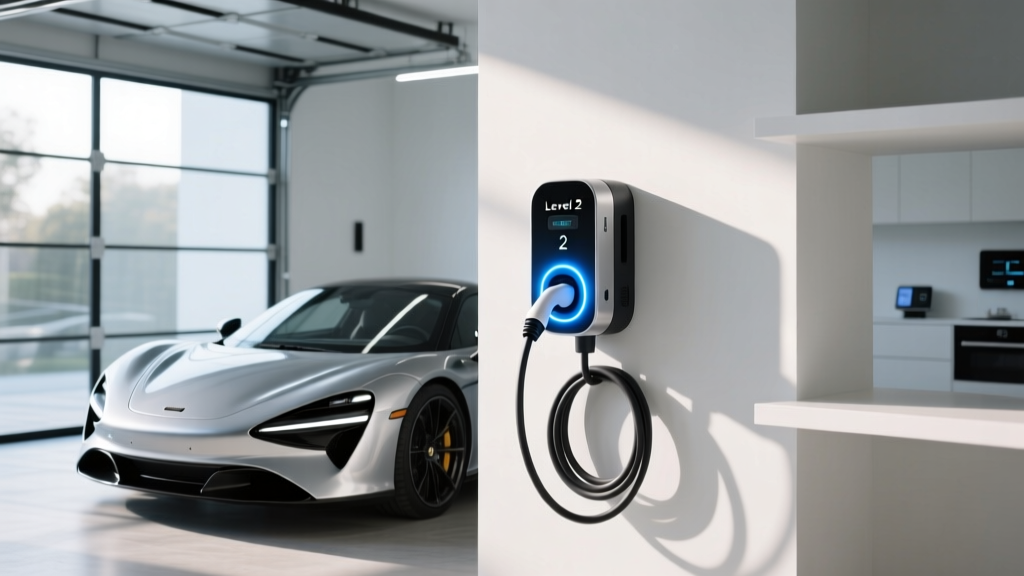
| Level 2 | 240V AC | 7.2–19.2 kW | 20–60 mi/hr | Home, workplace, public AC |
| DC Fast Charging | 400–800V DC | 50–350 kW | 150–1,000+ mi/hr (peak) | Road trips, highway corridors |
For context, a Chevrolet Equinox EV with an 85 kWh (usable) battery charging at 11.5 kW on Level 2 will go from 10% to 100% in roughly 7.5 hours. On a 150 kW DC fast charger, the same battery hits 10–80% in approximately 30 minutes, though charge speed tapers significantly above 80% to protect battery health.
Connector Compatibility: NACS, CCS1, and Your GM EV
The connector landscape has consolidated significantly since 2023. Here's where GM vehicles stand in 2026:
| Connector | GM Models (2022–2024) | GM Models (2025+) | Adapter Needed? |
|---|---|---|---|
| NACS (Tesla) | Not native | Native port | 2022–2024: Yes (GM NACS adapter) 2025+: No |
| CCS1 | Native port | Not native (adapter available) | 2025+: Yes (CCS1 adapter for legacy stations) |
| CHAdeMO | Not supported | Not supported | N/A — CHAdeMO is effectively discontinued in North America |
| J1772 (Level 2 AC) | Native (via J1772 inlet or adapter) | NACS handles AC via J1772 adapter | 2025+: J1772-to-NACS adapter for older Level 2 stations |
The General Motors Tesla adapter specifically converts your CCS1 charge port to accept a NACS (Tesla) connector. GM began shipping adapters to eligible owners in late 2024, and they are available through GM dealerships and the myChevrolet/myCadillac apps. The adapter is rated for up to 250 kW DC fast charging — matching the output of most V3 Superchargers.
Important: Third-party NACS adapters exist, but GM has stated that only the GM-approved adapter is validated for use with Ultium battery systems. Using an unapproved adapter may void warranty coverage for charging-related issues.
How Much Does Charging Cost? Home vs. Public vs. Gas
One of the strongest ownership arguments for a GM EV is fuel cost savings. Here's how common scenarios compare:
| Scenario | Rate | Cost per Mile* |
|---|---|---|
| Home Level 2 (off-peak utility rate) | $0.08–0.12/kWh | $0.025–$0.04 |
| Home Level 2 (standard residential) | $0.13–0.18/kWh | $0.04–$0.06 |
| Public Level 2 (ChargePoint, EVgo AC) | $0.25–$0.40/kWh | $0.08–$0.13 |
| DC Fast Charging (Electrify America, EVgo) | $0.35–$0.55/kWh | $0.11–$0.18 |
| Tesla Supercharger (via GM adapter) | $0.25–$0.38/kWh | $0.08–$0.12 |
| Gasoline (28 MPG combined, $3.40/gal) | $3.40/gallon | $0.12 |
*Based on a GM EV averaging 3.0–3.2 miles per kWh (approximately 100–106 MPGe combined, per fueleconomy.gov data for the Equinox EV and Blazer EV).
Home charging during off-peak hours delivers the lowest cost — typically one-quarter to one-third the cost of gasoline per mile. Even Tesla Supercharging via the GM adapter undercuts gasoline in most regions. Public DC fast charging is the most expensive option and can approach or exceed gas costs in high-price markets like California and the Northeast.
Home Charger Installation: Costs, Electrical Requirements, and Upgrades
Installing a Level 2 home charger is the single biggest ownership advantage for an EV. Here's what the process involves and what it costs.
Electrical Requirements
A Level 2 charger requires a 240V dedicated circuit, similar to what powers an electric dryer or oven. Common configurations:
- 40-amp circuit / 32-amp charger: Delivers 7.7 kW — sufficient for overnight charging of any GM EV. This is the most common residential setup.
- 50-amp circuit / 40-amp charger: Delivers 9.6 kW — faster charging, recommended if you have a larger battery (e.g., Silverado EV with 200+ kWh).
- 60-amp circuit / 48-amp charger: Delivers 11.5 kW — maximum for most GM onboard chargers. Requires a 200-amp electrical panel with available capacity.
Installation Cost Breakdown
| Component | Cost Range | Notes |
|---|---|---|
| Level 2 charger equipment | $350–$750 | Hardwired or NEMA 14-50 plug; 32A–48A models |
| Electrician labor | $500–$1,500 | Varies by run length, conduit, and local rates |
| Electrical permit | $50–$200 | Required in most jurisdictions |
| Panel upgrade (if needed) | $1,500–$4,000 | 100A → 200A service upgrade for older homes |
| Total (no panel upgrade) | $900–$2,450 | Most homes with 200A service |
| Total (with panel upgrade) | $2,400–$6,450 | Homes with 100A or maxed-out panels |
Safety and Code Requirements
- Dedicated circuit: Your EV charger must be on its own breaker — not shared with other appliances.
- GFCI protection: Required for outdoor installations and garage outlets per NEC 2023 (Article 625). Hardwired chargers may have built-in GFCI.
- Outdoor rating: If mounting outside, choose a NEMA 4-rated (weatherproof) charger or install a protective enclosure.
- Cable management: Use a holster or retractor to keep cables off the ground and prevent trip hazards.
- Permit and inspection: Most municipalities require an electrical permit and post-installation inspection. Skipping this can void homeowner's insurance coverage for electrical fires.
Recommended Level 2 Chargers for GM EVs
With 2025+ GM EVs using NACS natively, and 2022–2024 models using CCS1 (with J1772 for AC), your Level 2 charger choice depends on your vehicle's charge port.
ChargePoint Home Flex
- Power: Up to 12 kW (50A circuit, 40A output)
- Connector: J1772 (works with all GM EVs via onboard adapter for NACS models)
- Cable length: 23 feet
- Smart features: Wi-Fi, app scheduling, utility integration, Amazon Alexa
- Price: ~$550
- Best for: Flexible amperage adjustment (16A–50A via DIP switch) to match your panel capacity
Tesla Wall Connector
- Power: Up to 11.5 kW (60A circuit, 48A output)
- Connector: NACS (native for 2025+ GM EVs; J1772 adapter included for older models)
- Cable length: 24 feet
- Smart features: Wi-Fi, over-the-air updates, Power-Share (load balancing between two units)
- Price: ~$475
- Best for: 2025+ GM EV owners with native NACS ports; excellent value at 48A
Emporia Level 2 EV Charger
- Power: Up to 11.5 kW (60A circuit, 48A output)
- Connector: J1772
- Cable length: 24 feet
- Smart features: Wi-Fi, energy monitoring, solar integration, app control
- Price: ~$400
- Best for: Budget-conscious buyers with solar panels; detailed energy tracking
For 2025+ GM EVs with NACS ports, the Tesla Wall Connector is the most seamless choice — no adapter needed at home, and it delivers the fastest Level 2 speed most GM onboard chargers can accept. For 2022–2024 CCS1/J1772 models, the ChargePoint Home Flex offers the best combination of adjustability and smart features.
Using the General Motors Tesla Adapter at Superchargers: What to Expect
Here's the practical workflow when you pull up to a Supercharger with your adapter-equipped GM EV:
- Locate a compatible stall: Not all Superchargers are open to non-Tesla vehicles. Use the Tesla app or your GM vehicle's built-in navigation (updated for NACS routing) to find Superchargers with "Magic Dock" or designated non-Tesla access.
- Attach the adapter: Plug the GM-approved NACS adapter into your vehicle's CCS1 charge port. It locks in securely — you'll hear a click.
- Connect the Supercharger cable: The NACS connector from the Tesla stall plugs directly into the adapter.
- Initiate charging: Use the Tesla app or in-vehicle infotainment (on supported models) to start the session. Payment is handled via the Tesla app linked to your account.
- Monitor the session: Expect peak rates of 150–180 kW on V3 Superchargers (250 kW max) for vehicles like the Blazer EV or Silverado EV. The Cadillac Lyriq, with its 102 kWh usable battery, typically sees 10–80% in approximately 34 minutes on a V3 stall.
Frequently Asked Questions
How much does the General Motors Tesla adapter cost?
GM provided the NACS adapter free of charge to eligible owners of 2022–2024 CCS1-equipped EVs through an initial program. Replacement or additional adapters purchased through GM dealerships typically cost $200–$300. Check your myChevrolet or myCadillac app for availability.
Can I use third-party NACS adapters with my GM EV?
While third-party adapters from brands like Lectron and A2Z exist, GM has only validated its own adapter for use with Ultium battery systems. Using an unapproved adapter risks charging-system damage that may not be covered under GM's 8-year/100,000-mile battery warranty. We recommend sticking with the OEM adapter.
Will the GM Tesla adapter work at all Superchargers?
No. Tesla has opened select Supercharger locations to non-Tesla vehicles. As of early 2026, approximately 60–70% of U.S. Supercharger stations support non-Tesla NACS vehicles. The Tesla app and your GM's navigation system show compatible locations. V4 Supercharger stalls with integrated CCS1 cables are also appearing, reducing the need for an adapter at newer stations.
How fast will my GM EV charge on a Tesla Supercharger with the adapter?
The GM adapter is rated for up to 250 kW. Real-world speeds depend on your vehicle's onboard charging capability and battery state of charge. The Chevrolet Blazer EV (peak 190 kW DC) will charge at approximately 170–190 kW from 10–40% SoC on a V3 Supercharger, tapering to 50–60 kW above 80%. Expect a 10–80% session in roughly 28–35 minutes depending on the model.
Do I need a different adapter for home Level 2 charging?
For 2025+ GM EVs with native NACS ports, a J1772-to-NACS adapter (typically included with the vehicle) lets you use older J1772 Level 2 public chargers. For 2022–2024 GM EVs, your existing J1772 inlet handles Level 2 AC charging natively — the NACS adapter is only needed for DC fast charging at Tesla Superchargers.
What electrical upgrades might I need for a home charger?
If your home has a 200-amp electrical panel with at least 40–60 amps of spare capacity, you likely won't need an upgrade. Homes with 100-amp service, older wiring (knob-and-tube or aluminum), or panels already near capacity (common with electric heat, pools, or hot tubs) will likely require a panel upgrade costing $1,500–$4,000. A licensed electrician can perform a load calculation to determine your exact needs.
Sources: EPA range and efficiency data via fueleconomy.gov; federal charger installation credit details via IRS §25D Residential Clean Energy Credit; GM Ultium platform and NACS transition details via General Motors Electric Vehicles.