The Allure of Free Supercharging for Life — and Its Hidden Trade-Offs
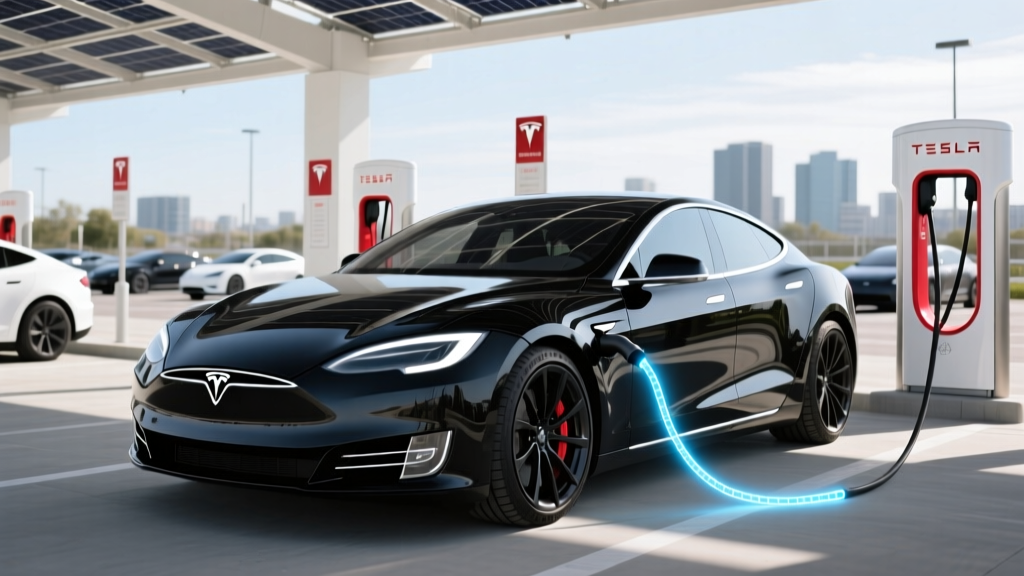
When Tesla introduced free unlimited Supercharging as a referral reward or limited-time promotion, it became one of the most coveted perks in the EV world. Even in 2026, some used Tesla Model S and Model X vehicles still carry transferable free supercharging for life — and sellers price that perk into the sticker. But for buyers shopping new EVs across any brand, the real question is whether chasing free public charging makes financial sense compared to the predictable, low cost of home Level 2 charging.
This guide runs the exact math: home charger installation costs, per-mile charging costs at every level, connector compatibility across brands, and whether free Supercharging should influence your next EV purchase.
Charging Levels Explained: Speed, Power, and Real-World Range Added
Before comparing costs, you need to understand the three charging tiers and what they actually deliver. Power is measured in kW (kilowatts — the rate of energy flow), while battery capacity and energy consumed are measured in kWh (kilowatt-hours — the total energy stored or used). Confusing these two is the single most common EV literacy mistake.
| Level | Voltage | Power (kW) | Miles of Range Added per Hour | Best Use Case |
|---|---|---|---|---|
| Level 1 | 120V AC | 1.0–1.4 kW | 3–5 mi/hr | Overnight top-ups, PHEVs, low-mileage drivers |
| Level 2 | 240V AC | 3.3–19.2 kW | 12–75 mi/hr | Daily home and workplace charging |
| DC Fast Charging | 400–800V DC | 50–350 kW | 150–1,200+ mi/hr (peak) | Road trips and rapid top-ups |
Real-World Charging Note: A 350 kW DC fast charger does not deliver 350 kW for the entire session. Most EVs peak at their max rate only between 10–40% State of Charge (SoC), then taper significantly. A vehicle rated at 250 kW peak might average 130–150 kW across a 10–80% session. Cold batteries further reduce charge acceptance — preconditioning is essential.
Typical 10–80% Charge Times by Battery Size
| Battery Size (usable kWh) | Level 2 at 11.5 kW (48A) | DC Fast at 150 kW (avg) | DC Fast at 250 kW (avg) | Example Vehicles |
|---|---|---|---|---|
| 60 kWh | ~4.5 hours | ~22 min | ~16 min | Tesla Model 3 RWD, Chevy Equinox EV |
| 77 kWh | ~5.8 hours | ~28 min | ~20 min | Ford Mustang Mach-E, Hyundai Ioniq 5 |
| 100 kWh | ~7.5 hours | ~36 min | ~26 min | Tesla Model S, Rivian R1S, GMC Sierra EV |
The 10–80% window is the industry standard benchmark because charging slows dramatically above 80% to protect battery health. Most DC fast sessions add the bulk of their range in the first 20 minutes, then taper to Level 2 speeds for the final stretch.
Home Charger Installation: Costs, Electrical Requirements, and Panel Upgrades
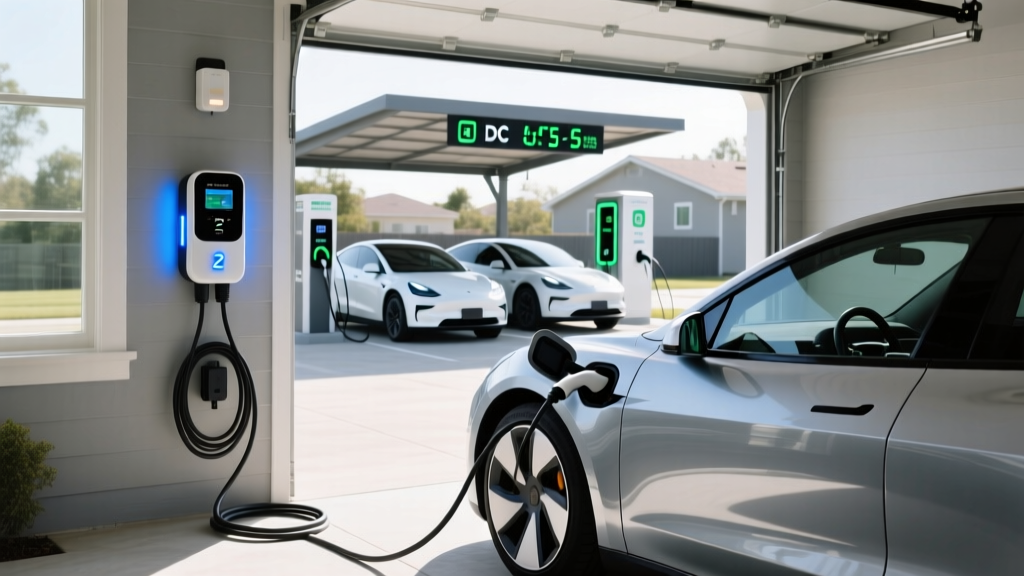
Installing a dedicated Level 2 home charger is the single biggest infrastructure decision for most EV owners. Costs vary enormously based on your electrical panel's capacity, the distance from panel to charger location, and local permit fees.
Electrical Requirements for Level 2 Charging
A typical home Level 2 setup requires a 240V dedicated circuit — the same voltage your electric dryer or oven uses. The most common residential configurations:
- 40A circuit / 32A continuous — delivers 7.7 kW. Adequate for most daily driving needs (adds ~25–30 miles per hour of charging).
- 50A circuit / 40A continuous — delivers 9.6 kW. The sweet spot for most EV owners (~35 mi/hr).
- 60A circuit / 48A continuous — delivers 11.5 kW. Ideal for larger batteries (80+ kWh) or high-mileage drivers (~42 mi/hr).
- 100A circuit / 80A continuous — delivers 19.2 kW. Requires a hardwired connection and significant panel capacity. Found in premium installations.
Home Charger Installation Cost Breakdown (2026 Estimates)
| Cost Component | Simple Install (Panel Adjacent) | Moderate Install (50–100 ft run) | Complex Install (Panel Upgrade + Long Run) |
|---|---|---|---|
| Level 2 Charger Hardware | $350–$700 | $400–$700 | $400–$700 |
| Electrician Labor | $300–$600 | $600–$1,500 | $1,500–$3,000 |
| Electrical Permit | $50–$150 | $50–$200 | $100–$250 |
| Panel Upgrade (100A → 200A) | N/A | N/A | $1,500–$4,000 |
| Conduit, Wire, Misc. Materials | $50–$150 | $150–$400 | $300–$800 |
| Total Estimated Cost | $750–$1,600 | $1,200–$2,800 | $3,800–$8,750 |
Sources: U.S. Department of Energy, HomeAdvisor 2025 cost surveys. Always get 2–3 quotes from licensed electricians.
When Do You Need a Panel Upgrade?
Homes built before 1990 often have 100-amp electrical panels. Adding a 50A EV circuit to a 100A panel that is already near capacity (electric stove, dryer, HVAC) will require an upgrade to 200 amps. This adds $1,500–$4,000 to your project but is non-negotiable for safety and code compliance.
A licensed electrician will perform a load calculation to determine if your existing panel can handle the added circuit. Some newer homes with 200A panels can accommodate a 60A EV circuit without issue — others cannot if they have electric heat, a hot tub, or other large loads.
Connector Compatibility: NACS, CCS1, CHAdeMO, and Adapters
The connector landscape in North America has consolidated dramatically. As of 2026, the NACS (North American Charging Standard) — originally Tesla's proprietary connector — is now the dominant standard, adopted by Ford, GM, Rivian, Hyundai/Kia, Volvo, and most major automakers for new vehicles.
| Connector | Brands Using It (New Vehicles) | DC Fast Network Access | Adapter Needed? |
|---|---|---|---|
| NACS (Tesla) | Tesla, Ford, GM, Rivian, Hyundai, Kia, Volvo, Polestar, BMW, Mercedes (select) | Tesla Supercharger + growing NACS stations | CCS-to-NACS adapter for legacy CCS vehicles |
| CCS1 | VW ID.4 (prior model years), some remaining 2025 inventory, Stellantis EVs | Electrify America, EVgo, ChargePoint | NACS-to-CCS adapter available |
| CHAdeMO | Nissan Leaf (discontinued 2025, used market only) | Limited and shrinking network | No widely available adapter |
If you're buying a used EV with a CCS1 port (common for 2022–2025 models), you'll want to budget $100–$250 for a NACS-to-CCS adapter to access the expanding Supercharger network. Check your automaker's official adapter compatibility list before purchasing third-party adapters — not all combinations support full DC fast-charge speeds.
Cost to Charge: Home vs. Public vs. DC Fast — Per-Mile Breakdown
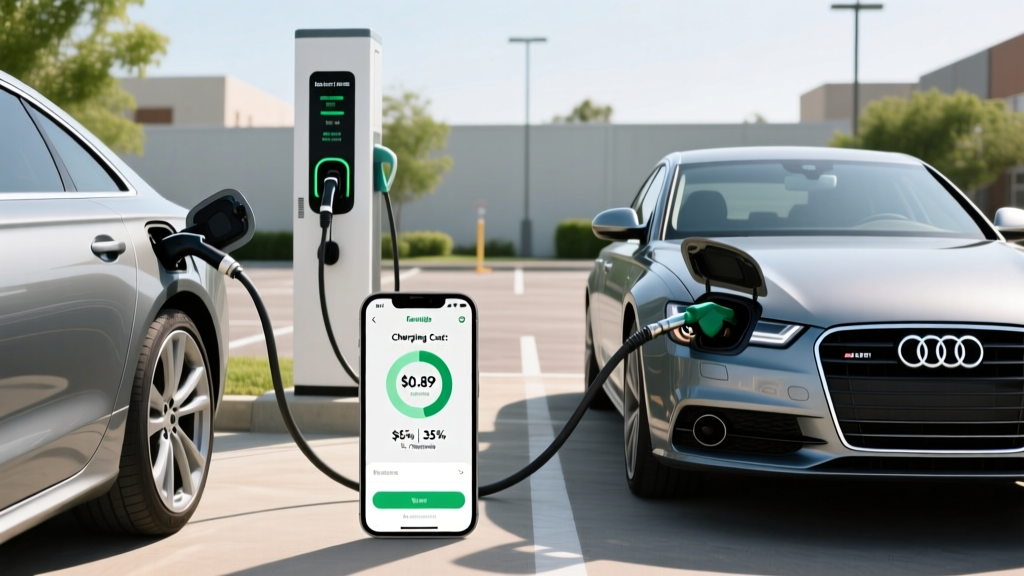
This is where the free supercharging for life proposition either shines or falls apart. Let's compare real-world $/kWh rates and translate them to cost per mile for a typical midsize EV.
| Charging Scenario | Avg $/kWh | Cost to Add 200 Miles* | Cost Per Mile |
|---|---|---|---|
| Home Level 2 (off-peak utility rate) | $0.08–$0.14 | $5.60–$9.80 | $0.028–$0.049 |
| Home Level 2 (standard residential rate) | $0.13–$0.18 | $9.10–$12.60 | $0.046–$0.063 |
| Public Level 2 (workplace/shopping) | $0.15–$0.30 | $10.50–$21.00 | $0.053–$0.105 |
| DC Fast Charging (Electrify America, EVgo) | $0.35–$0.55 | $24.50–$38.50 | $0.123–$0.193 |
| Tesla Supercharger (paid) | $0.25–$0.40 | $17.50–$28.00 | $0.088–$0.140 |
| Free Supercharging for Life | $0.00 | $0.00 | $0.000 |
| Gasoline Vehicle (28 MPG avg, $3.40/gal) | — | $24.29 | $0.121 |
*Based on a midsize EV consuming 3.5 kWh per 10 miles (35 kWh/100mi), consistent with fueleconomy.gov ratings for vehicles like the Tesla Model Y and Hyundai Ioniq 5.
The Free Supercharging Math for a 15,000-Mile/Year Driver
Annual cost with home charging (off-peak): 15,000 mi × $0.04/mi = $600/year
Annual cost with exclusive paid Supercharging: 15,000 mi × $0.11/mi = $1,650/year
Annual cost with free Supercharging for life: $0/year
Annual savings vs. home charging: $600. Break-even on a $5,000 used-car premium for a free-Supercharging vehicle: 8.3 years.
If you drive 25,000+ miles/year or lack home charging access, the break-even drops to 3–5 years. If you can charge at home cheaply, the premium for free Supercharging rarely pays for itself.
Best Level 2 Home Chargers for 2026: Equipment Picks
Not all Level 2 chargers are equal. Below are recommended units based on reliability, smart features, cable length, and power output — all verified for 2026 availability.
Emporia Level 2 EV Charger
- Power Output: 11.5 kW (48A) / 9.6 kW (40A) configurable
- Connector: NACS (J3400) native, J1772 adapter included
- Cable Length: 24 ft
- Smart Features: Wi-Fi, app scheduling, solar integration, energy monitoring
- Price: $349–$399
- Best For: Budget-conscious buyers who want smart scheduling and energy tracking
ChargePoint Home Flex (2nd Gen)
- Power Output: Up to 12 kW (50A) adjustable down to 16A
- Connector: NACS native (2026 model), J1772 adapter available
- Cable Length: 23 ft
- Smart Features: Wi-Fi, Alexa/Google Home, flexible amperage dial
- Price: $549–$599
- Best For: Flexibility across different circuit sizes; proven reliability
Tesla Wall Connector
- Power Output: Up to 11.5 kW (48A)
- Connector: NACS native, J1772 adapter included
- Cable Length: 24 ft
- Smart Features: Wi-Fi, OTA updates, power sharing (multiple units on one circuit)
- Price: $425–$475
- Best For: Tesla owners and NACS-equipped EVs; cleanest integration
Grizzl-E Smart (United Chargers)
- Power Output: Up to 10 kW (40A)
- Connector: J1772 (NACS adapter available)
- Cable Length: 24 ft
- Smart Features: OCPP-compatible, app control, extreme cold rating (-40°F)
- Price: $449–$549
- Best For: Cold-climate installations; commercial/OCPP fleet use
For most homeowners with a 50A circuit, the ChargePoint Home Flex or Tesla Wall Connector deliver the best balance of power, features, and price. If your panel can only support a 40A circuit, any of these units can be configured down — just know that your max charge rate will be 7.7–9.6 kW instead of 11.5 kW.
Safety, Electrical Code, and Permitting Essentials
EV charging is a continuous high-draw load — far more demanding on your wiring than intermittent appliances. Cutting corners here is a fire risk and a code violation.
- Dedicated Circuit: Your Level 2 charger must be on its own dedicated breaker. Sharing a circuit with other outlets or appliances is a code violation under NEC Article 625.
- GFCI Protection: The 2023 NEC update (adopted in most jurisdictions by 2026) requires GFCI protection for all EV charging outlets. Hardwired chargers may be exempt in some jurisdictions — confirm with your local inspector.
- Outdoor Rating: If your charger is installed outdoors (garage exterior, driveway, carport), the unit must carry a NEMA 4 or IP65 rating. All units recommended above meet this standard.
- Permit and Inspection: Virtually all jurisdictions require an electrical permit for a new 240V circuit. Budget $50–$250 and expect a post-install inspection. Unpermitted work can void home insurance claims and complicate resale.
- Wire Gauge: A 50A circuit typically requires 6 AWG copper wire; a 60A circuit requires 4 AWG. Your electrician will spec this based on run length and local code.
Is Free Supercharging for Life Worth Paying a Premium For?
Free supercharging for life remains a compelling perk — but only under specific ownership conditions. Here's the decision framework:
Free Supercharging for life makes financial sense if:
- You lack reliable access to home or workplace Level 2 charging (apartment dwellers, street parkers)
- You drive 20,000+ miles per year, primarily on highways near Supercharger corridors
- The price premium on the used vehicle is under $3,000–$4,000 versus a comparable model without it
- You value the time savings of DC fast charging on road trips without per-session cost anxiety
Home Level 2 charging is the better economic choice if:
- You have a garage or dedicated parking spot with panel access
- Your utility offers time-of-use (TOU) rates with off-peak electricity under $0.12/kWh
- You drive under 15,000 miles/year and can charge overnight
- You want to wake up to a full battery every morning — no detours to charging stations required
The broader reality in 2026: home charging at off-peak rates costs $0.03–$0.05 per mile — cheaper than any public option, paid or free. The convenience of starting every day with 200–300 miles of range, without ever visiting a charging station for daily needs, is the strongest argument for investing in a home Level 2 installation.
Frequently Asked Questions
How much does it cost to install a home EV charger?
A straightforward Level 2 installation (panel nearby, no upgrade needed) typically costs $750–$1,600 including equipment, electrician labor, and permit. Complex installations requiring a panel upgrade or long wire runs can reach $3,800–$8,750. Always get multiple quotes from licensed electricians.
How fast will each charging level add range?
Level 1 (120V) adds 3–5 miles per hour. Level 2 (240V, 48A) adds roughly 35–42 miles per hour. DC fast charging at 150 kW can add 150–200+ miles in 15–20 minutes, depending on battery size and state of charge. Actual rates depend on your vehicle's onboard charger capacity and battery chemistry.
Which connector/charger is compatible with my EV?
For 2026 model-year vehicles, most new EVs use the NACS connector (Tesla, Ford, GM, Hyundai, Kia, Rivian, Volvo). Older or remaining CCS1 vehicles (some VW, Stellantis models) can use NACS-to-CCS adapters. Nissan Leaf (discontinued) uses CHAdeMO. Check your vehicle's charge port or owner's manual to confirm.
How much does charging cost per mile vs gas?
Home charging at off-peak rates costs $0.03–$0.05 per mile. Paid DC fast charging runs $0.12–$0.19 per mile. A comparable gas vehicle at 28 MPG with $3.40/gallon fuel costs about $0.12 per mile. Home-charged EVs are roughly 60–75% cheaper per mile than gasoline. Data sourced from fueleconomy.gov and EIA energy price averages.
What electrical upgrades might I need?
If your home has a 100-amp electrical panel that's already near capacity, you'll likely need a 200-amp panel upgrade ($1,500–$4,000). Homes with existing 200A panels usually accommodate a 50A EV circuit without issue, but a load calculation by a licensed electrician is required to confirm. Older wiring (aluminum, knob-and-tube) may also need replacement in the circuit path.
Is free Supercharging for life transferable when I sell the car?
It depends on the vehicle and original purchase terms. Free unlimited Supercharging tied to specific used Tesla Model S and Model X vehicles (typically 2017–2019 era) is sometimes transferable to subsequent owners — but Tesla's policies have changed multiple times. Always verify current transferability directly with Tesla before paying a premium. New-vehicle promotions in 2025–2026 have generally offered limited-duration free charging (e.g., 1–3 years) rather than lifetime perks.
Can I claim a tax credit for installing a home EV charger?
The federal Alternative Fuel Vehicle Refueling Property Credit (IRS Form 8911) offers up to 30% of installation costs (max $1,000 for residential) for home charging equipment installed in eligible census tracts. Eligibility depends on your location and income. Consult a tax professional for current-year qualification.